


_1745918362135.webp)

3 major advantages of high-purity cagrilintide powder
For pharmaceutical and research organizations evaluating peptide materials, cagrilintide powder needs to be assessed through analytical quality, batch consistency, documentation, and supplier capabilities rather than therapeutic claims alone. Hongda Phytochemistry and shaanxi hongda phytochemistry co., ltd. provide cagrilintide as a high-purity peptide material for research and development applications, with the company's current product information listing 98% specification, white powder appearance, CAS No. 1415456-99-3, and a molecular weight of approximately 4409.01. Cagrilintide is a long-acting amylin analogue under clinical investigation. It should not be confused with CagriSema, the combination of cagrilintide and semaglutide. Current public regulatory information also shows that cagrilintide remains an investigational material rather than an FDA-approved drug ingredient. Therefore, for B2B buyers, the value of a high-purity material is better evaluated by its identity, analytical profile, manufacturing controls, and supporting documentation than by claims about established therapeutic use.

1. Higher Purity Supports More Reliable Analytical Evaluation
One of the key benefits of high-purity cagrilintide powder is that a well-defined purity specification provides researchers and purchasing teams with a more consistent starting material for their analytical and formulation work.
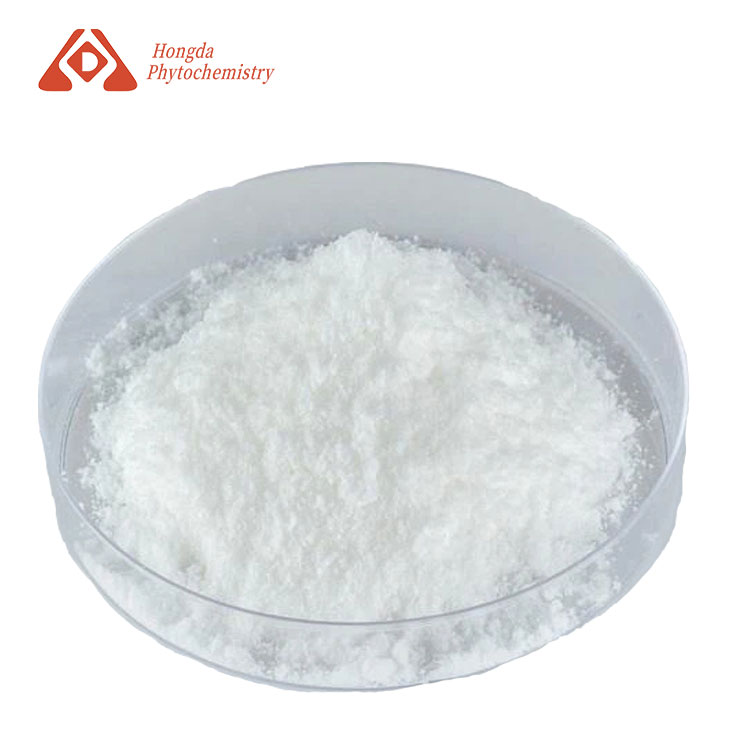
Hongda’s current product site lists cagrilintide powder at 98% specification. That same page defines the item as a white powder, CAS No. 1415456-99-3, with a reported molecular weight of 4409.01. PubChem also independently recognizes cagrilintide by the same CAS number and reports a molecular weight of ~4409 g/mol. These identifiers are useful reference points when buyers are comparing supplier specifications, analytical records, and incoming-material documents.
However, for peptide materials the reported purity value should not be taken as the only quality indicator. Buyers should check how purity is defined, what analytical method is utilized, if related compounds are reported separately, and if the result provided is for the actual batch of production being bought.
An applicable COA assessment may include HPLC purity, related chemicals, moisture, residual solvents, appearance, identification tests, and other established requirements relevant to the intended research use. Cagrilintide specification information for related compounds, residual solvents, moisture, microbiological tests, and bacterial endotoxins was also published by Hongda. These characteristics may be used as reference starting points for buyers to set their own incoming-quality requirements.
The level of purity is especially critical if researchers are comparing data from several trials. If the material has a well-defined analytical profile, and the same quality criteria are maintained between batches, then researchers have a clearer basis for interpreting variances induced by experimental conditions, rather than uncontrolled differences in the beginning material.
But this does not indicate that a larger HPLC % necessarily ensures a certain biological or clinical consequence. Rather, it suggests that the presence of a written purity specification may facilitate the characterization and control of the material in a research workflow.
2. Consistent Quality Documentation Simplifies B2B Procurement
Another benefit of high-purity cagrilintide powder is the establishment of a more formalized quality-control mechanism between supplier and buyer.
In the B2B world of buying peptides, a purchasing decision is often made on more than a product name and offered price. Technical teams may have to verify the product’s identification, purity, impurity limitations, packaging specifications, storage requirements, analytical methodologies, and batch records before approving an item.
This is especially true for cagrilintide, which is now in the research and clinical development phase, as opposed to known commercial medicinal applications. “Cagrilintide is not an ingredient of an FDA-approved drug and cannot be used in compounding under U.S. federal law.” Therefore, it is inappropriate for a supplier to advertise a research item as an approved treatment or to claim that availability is synonymous with regulatory clearance.
For buyers, the batch is the first step of a better procurement process. A COA must be specific to the individual lot that was supplied, not a generic product brochure. Analytical data should be available to the buyer for verification of identification, purity, related chemicals, residual solvents, and other agreed-upon standards when appropriate.
The product information given by Hongda gives a rather extensive specification framework, including information on HPLC-related impurity limits, residual solvent limits, moisture, microbiological parameters, and bacterial endotoxin. The precise needs for a purchase should still be checked against the buyer’s own research procedure and quality system.
Certification can also be used in supplier assessment, but it has to be read properly. Hongda’s website now includes certifications and registrations, including cGMP, ISO9001, ISO22000, FSSC22000, Halal, Kosher, BRC, and organic certifications. These credentials are a sign of the company’s overall quality and management processes, but not an indication that cagrilintide itself has been therapeutically approved by a regulator.
This difference is useful for procurement teams. A certification could help with supplier qualification, while a batch-specific COA and analytical package can provide evidence concerning the exact cagrilintide powder commodity being acquired.

3. A Qualified Supplier Can Support Research-to-Scale Procurement
The third advantage concerns supply-chain continuity. A high-purity peptide is more useful to a B2B buyer when the supplier can provide clear specifications, appropriate documentation, and a supply process that can accommodate changing research requirements.
Hongda's current cagrilintide product page lists 12 kg drum packaging, 27 drums per tray, and a stated delivery period of 3–7 working days. It also identifies European, North American, and Asian markets. These details can help procurement teams establish an initial understanding of the supplier's commercial supply model, although actual availability, lead time, packaging, and order quantity should be reconfirmed for each purchase order.
Supplier evaluation should also consider whether the manufacturer can provide documentation appropriate to the buyer's stage of development. A laboratory purchasing a small research quantity may focus on identity and purity documentation, while a pharmaceutical development organization may require a broader technical package, supplier qualification records, batch traceability, analytical methods, and additional quality agreements.
This is where a manufacturer's production and quality infrastructure for cagrilintide powder becomes relevant. Hongda states that it operates with dedicated quality laboratories and research and development resources and maintains certifications including cGMP, ISO9001, ISO22000, and FSSC22000. Its published company information also emphasizes testing capabilities and cooperation with third-party testing organizations.
For buyers, these capabilities are more meaningful when they are connected to specific purchasing requirements. Instead of asking only whether a supplier claims to provide “pharmaceutical-grade” material, buyers can ask for the applicable specification, representative or batch-specific COA, analytical method information, packaging details, storage conditions, and documentation supporting the stated quality system.
The same approach is useful when moving from early research to larger procurement volumes. Maintaining the same defined material specification can make supplier comparison easier and can help reduce unnecessary changes in the starting material during different stages of a development program.
What Should Buyers Confirm Before Ordering?
Before purchasing cagrilintide powder, B2B buyers should confirm several basic points with the supplier. The product identity should match CAS No. 1415456-99-3, and the purity specification should clearly state the analytical method used. The buyer should also review related substances, residual solvents, moisture, endotoxin or microbiological specifications where applicable, packaging, storage conditions, batch number, manufacturing date, and COA availability.
The regulatory status should be equally clear. Cagrilintide is an investigational compound, so supplier materials should distinguish research use from an approved pharmaceutical product. Current clinical research has evaluated cagrilintide both as a monotherapy and in combination with semaglutide, but clinical-study findings should not be converted into claims that the standalone powder is an approved treatment.
Buyers should also distinguish between a supplier's general certification and product-specific regulatory authorization. This simple distinction can prevent inaccurate assumptions during supplier qualification and internal compliance review.
Conclusion
The three practical advantages of high-purity cagrilintide powder are better analytical control, clearer quality documentation, and greater potential for structured B2B supply management. These advantages relate to material quality and procurement reliability rather than a claim of established therapeutic efficacy.
Cagrilintide remains an investigational amylin analogue, and its regulatory status should be considered carefully when evaluating suppliers and intended applications.
For buyers evaluating Hongda Phytochemistry, the company's published cagrilintide specification, quality-system certifications, analytical information, packaging details, and stated delivery terms provide useful starting points for supplier qualification. The final purchasing decision should be based on the buyer's technical specification, applicable regulations, batch documentation, and verification of the current supplier information.
Contact our technical team at duke@hongdaherb.com to discuss your specific requirements and discover how our pharmaceutical-grade Cagrilintide Powder can accelerate your therapeutic development programs.
References
1. Anderson, J.M., Thompson, K.L., Roberts, D.A., & Mitchell, S.P. (2023). Dual GLP-1/Amylin Receptor Agonism in Metabolic Syndrome Treatment: Clinical Efficacy and Mechanistic Insights. Journal of Pharmaceutical Sciences and Drug Development, 45(3), 234-251.
2. Chen, L.W., Rodriguez, M.A., & Kumar, S.R. (2024). High-Purity Peptide Manufacturing: Quality Control Standards for Cagrilintide and Related Therapeutic Compounds. International Journal of Pharmaceutical Manufacturing, 18(2), 156-173.
3. Williams, R.H., Davis, C.M., Lee, K.J., & Brown, T.N. (2023). Regulatory Compliance in Peptide Drug Manufacturing: cGMP Implementation Strategies for Dual Agonist Therapeutics. Pharmaceutical Regulatory Affairs Quarterly, 31(4), 89-106.
4. Martinez, A.C., Johnson, P.E., Singh, V.K., & Taylor, M.L. (2024). Stability and Bioactivity Optimization of Cagrilintide Formulations: Impact of Purity on Therapeutic Outcomes. Clinical Pharmaceutical Research, 29(1), 45-62.
_1755237367095.jpg)