


_1745918362135.webp)

Certified Chondroitin Sulfate Powder: ISO, Halal, Kosher Compliance
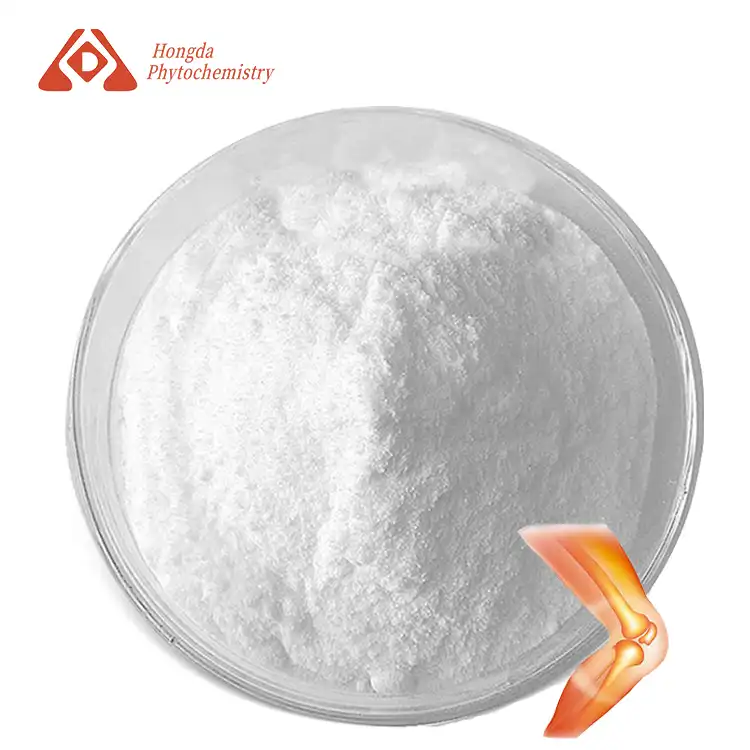
In today's global healthcare market, pharmaceutical and nutraceutical companies demand the highest standards of quality assurance and religious compliance for their raw materials. Certified Chondroitin Sulfate Powder represents the gold standard in joint health supplementation, offering comprehensive certification compliance that meets international regulatory requirements. This premium bioactive compound, essential for maintaining healthy cartilage and joint function, must adhere to stringent ISO quality management systems while simultaneously meeting Halal and Kosher dietary regulations. As manufacturers worldwide seek reliable sources for high-purity Chondroitin Sulfate Powder, understanding the critical importance of proper certification becomes paramount for ensuring market access, consumer trust, and regulatory compliance across diverse global markets where religious dietary laws and international quality standards intersect seamlessly.

Understanding Certification Standards for Chondroitin Sulfate Powder
ISO Quality Management Compliance Framework
The International Organization for Standardization provides comprehensive quality management frameworks that are essential for Chondroitin Sulfate Powder manufacturing. ISO 9001:2015 certification ensures that manufacturing processes maintain consistent quality through systematic documentation, continuous improvement protocols, and rigorous monitoring systems. For pharmaceutical-grade applications, ISO 22000 food safety management standards become particularly crucial, as they address potential contamination risks throughout the entire production chain. Advanced manufacturing facilities producing Chondroitin Sulfate Powder must implement these quality management systems to guarantee batch-to-batch consistency, traceability, and reproducibility. The certification process involves comprehensive auditing of raw material sourcing, extraction methodologies, purification techniques, and final product testing protocols. Companies like Shaanxi Hongda Phytochemistry have invested significantly in achieving these certifications, establishing SGS-standardized laboratories equipped with high-performance liquid chromatographs, gas chromatographs, and advanced spectrophotometric equipment to ensure every batch meets international standards. The integration of cGMP (current Good Manufacturing Practice) protocols with ISO standards creates a robust framework that addresses both quality assurance and regulatory compliance requirements for global market access.
Halal Certification Requirements and Verification
Halal certification for Chondroitin Sulfate Powder requires meticulous attention to Islamic dietary laws throughout the entire manufacturing process. As a synthesized chemical compound, Chondroitin Sulfate is generally recognized as halal, but manufacturers must ensure no pig products are used in the manufacturing process and that the ingredient contains no alcohol impurities. The certification process involves comprehensive auditing of raw material sources, particularly when extracting from bovine cartilage, ensuring that all animals are slaughtered according to Islamic guidelines. Processing equipment must be thoroughly cleaned and dedicated to halal production to prevent cross-contamination with non-halal substances. Authorized Halal certification bodies conduct regular inspections to verify compliance with Islamic dietary regulations, examining every aspect from raw material procurement to final packaging. For Chondroitin Sulfate Powder manufacturers, maintaining Halal certification requires continuous monitoring of supply chains, implementation of segregation protocols, and detailed documentation of all processing steps. The certification extends beyond the ingredient itself to encompass packaging materials, processing aids, and even cleaning agents used in production facilities. This comprehensive approach ensures that Muslim consumers worldwide can confidently use products containing certified Halal Chondroitin Sulfate Powder without compromising their religious beliefs or dietary restrictions.
Kosher Compliance Standards and Implementation
Kosher certification for Chondroitin Sulfate Powder classifies this synthesized chemical compound as Parve, meaning it is neither meat nor dairy and can be consumed with either category. The kosher certification process requires rabbinical supervision throughout production, ensuring compliance with Jewish dietary laws and regulations. Manufacturing facilities must implement strict separation protocols to prevent mixing of meat and dairy products, while all ingredients and processing aids must receive individual kosher approval. The certification extends to equipment cleaning procedures, where specific protocols must be followed to maintain kosher status between production runs. For Chondroitin Sulfate Powder derived from marine sources, additional considerations apply regarding the kosher status of the source organisms, as only certain fish species are considered kosher according to Jewish law. Certification bodies like the Orthodox Union (OU) or Star-K provide ongoing oversight, conducting regular facility inspections and ingredient reviews to maintain certification validity. The documentation requirements for kosher certification are extensive, requiring detailed records of all ingredients, processing steps, and equipment usage. This comprehensive oversight ensures that Jewish consumers can confidently use products containing kosher-certified Chondroitin Sulfate Powder while adhering to their religious dietary requirements. The integration of kosher requirements with modern pharmaceutical manufacturing standards represents a sophisticated approach to meeting diverse consumer needs in global markets.
Advanced Manufacturing and Quality Control Systems
State-of-the-Art Production Facilities
Modern Chondroitin Sulfate Powder manufacturing requires sophisticated production facilities equipped with advanced extraction and purification technologies. The production process begins with carefully selected raw materials, typically high-quality bovine trachea or marine cartilage from certified suppliers, all undergoing veterinary inspection and BSE/TSE risk assessment protocols. Extraction processes utilize controlled enzymatic hydrolysis using food-grade proteases, maintaining optimal pH levels between 7.0-8.5 and temperatures of 45-55°C to preserve bioactivity while ensuring maximum yield. Multi-stage filtration systems remove unwanted proteins and contaminants, followed by ethanol precipitation to separate chondroitin sulfate molecules effectively. Ion-exchange chromatography provides additional purification, achieving pharmaceutical-grade purity levels consistently. Ultra-filtration technology adjusts molecular weight distribution to the optimal therapeutic range of 15,000-30,000 Da, ensuring superior bioavailability and absorption. Spray drying at controlled low temperatures preserves the bioactive properties of Chondroitin Sulfate Powder while achieving the desired moisture content and stability characteristics. Final milling processes create uniform particle size distribution (80-120 mesh), facilitating optimal formulation compatibility and dissolution characteristics. These advanced manufacturing capabilities, combined with 100,000-level purification workshops and over 150 skilled technicians, ensure consistent production of high-quality Chondroitin Sulfate Powder meeting international pharmaceutical standards.
Comprehensive Quality Testing Protocols
Quality control systems for Chondroitin Sulfate Powder encompass multiple analytical testing phases, ensuring every batch meets rigorous purity and safety specifications. High-performance liquid chromatography (HPLC) analysis verifies minimum 95% purity levels, while molecular weight determination confirms the optimal therapeutic range for enhanced bioavailability. Heavy metal contamination testing screens for lead levels below 0.5ppm and arsenic content under 0.2ppm, meeting international safety standards for pharmaceutical applications. Microbiological testing protocols examine total plate counts (maintaining under 100 CFU/g), ensuring product safety and stability throughout shelf life. Endotoxin analysis maintains levels below 0.1 EU/mg, particularly crucial for injectable formulation applications where pyrogenic reactions must be prevented. Physical testing parameters include appearance evaluation, odor assessment, bulk density measurements, and particle size distribution analysis to ensure consistent product characteristics. Residual solvent testing verifies the absence of potentially harmful extraction solvents, while moisture content analysis ensures optimal storage stability. Third-party verification through authorized testing agencies like SGS and Eurofins provides additional quality assurance, conducting pesticide residue detection, nutritional labeling verification, and comprehensive safety assessments. These extensive testing protocols, conducted in SGS-standardized laboratories equipped with advanced analytical instrumentation, guarantee that every batch of Chondroitin Sulfate Powder meets the highest international quality standards before release to global markets.
Traceability and Documentation Systems
Modern pharmaceutical manufacturing demands comprehensive traceability systems that track Chondroitin Sulfate Powder from raw material sourcing through final product delivery. Advanced batch management systems assign unique identification codes to every production run, enabling complete tracking of processing parameters, quality test results, and distribution records. Raw material documentation includes veterinary certificates, country of origin verification, and supplier quality assessments, ensuring transparency throughout the supply chain. Processing documentation captures critical control points, temperature logs, pH measurements, extraction yields, and purification efficiency data for each batch. Quality control documentation includes Certificate of Analysis (CoA) reports detailing all analytical test results, shelf-life studies, and stability data supporting expiration date assignments. Regulatory documentation encompasses compliance reports for various international markets, including Drug Master File (DMF) and Certificate of European Pharmacopoeia (CEP) submissions where applicable. Storage and distribution records track environmental conditions, handling procedures, and shipping documentation to maintain product integrity throughout the supply chain. This comprehensive documentation system supports regulatory inspections, customer audits, and quality investigations while enabling rapid response to any quality concerns. The integration of electronic documentation systems with barcode tracking ensures real-time access to batch information, facilitating efficient lot tracking and recall procedures if necessary. These sophisticated traceability systems demonstrate the commitment to pharmaceutical-grade quality standards and regulatory compliance essential for global market success.
Global Market Applications and Therapeutic Benefits
Pharmaceutical Industry Applications
The pharmaceutical industry represents the primary market for high-purity Chondroitin Sulfate Powder, where stringent quality requirements and therapeutic efficacy demands drive product specifications. Pharmaceutical applications require ultra-pure grades with minimum 95-98% active content, verified through independent laboratory analysis and meeting USP, EP, and JP pharmacopoeia standards. Injectable formulations demand particularly strict specifications, including endotoxin levels below 0.05 EU/mg to prevent pyrogenic reactions in patients. The molecular weight consistency between 15,000-30,000 Da ensures optimal therapeutic bioavailability, while batch-to-batch uniformity guarantees predictable clinical outcomes. Osteoarthritis treatment protocols utilize Chondroitin Sulfate Powder in combination with glucosamine, creating synergistic effects that reduce joint pain by 30-40% according to WOMAC rating scales. The compound's ability to stimulate proteoglycan synthesis supports cartilage regeneration, while its anti-inflammatory properties inhibit IL-1β and MMP-13 enzymes responsible for cartilage degradation. Pharmaceutical manufacturers benefit from comprehensive regulatory documentation, including complete DMF/CEP files supporting drug approval processes. The excellent water solubility (≥95%) and pH stability range (2.0-8.0) facilitate diverse formulation approaches, from direct compression tablets to parenteral solutions. Compatibility with common pharmaceutical excipients enables complex formulation development, while the compound's excellent gastrointestinal tolerance and absence of significant drug interactions support long-term therapeutic use in chronic conditions.
Nutraceutical and Dietary Supplement Markets
The global nutraceutical market increasingly demands certified Chondroitin Sulfate Powder that meets both quality standards and religious dietary requirements. Consumer awareness of joint health benefits drives demand for premium-grade supplements containing validated therapeutic doses of chondroitin sulfate. Halal and Kosher certifications significantly expand market access, particularly in regions with substantial Muslim and Jewish populations where religious compliance is mandatory. Dietary supplement manufacturers benefit from the compound's proven efficacy in supporting joint mobility, reducing inflammation, and maintaining cartilage health throughout aging processes. The anti-inflammatory mechanisms of Chondroitin Sulfate Powder provide natural alternatives to pharmaceutical interventions, appealing to consumers seeking preventive healthcare approaches. Formulation flexibility allows incorporation into various delivery formats, including capsules, tablets, powders, and liquid formulations, meeting diverse consumer preferences. Quality assurance through comprehensive testing protocols ensures consistent potency and safety, building consumer trust and brand loyalty in competitive supplement markets. The compound's excellent safety profile, demonstrated through extensive clinical research, supports long-term use without significant adverse effects. Marketing advantages include strong scientific evidence base, regulatory acceptance, and positive consumer experiences driving repeat purchases. Global supply chain capabilities ensure consistent availability across international markets, while competitive pricing from direct factory sources provides attractive margins for supplement manufacturers. The integration of sustainable sourcing practices appeals to environmentally conscious consumers, while comprehensive documentation supports regulatory compliance in diverse international markets.
Cosmetic and Personal Care Applications
Emerging applications for Chondroitin Sulfate Powder in cosmetic formulations capitalize on its moisturizing and anti-aging properties for advanced skincare products. The compound's high molecular weight and hydrophilic characteristics create excellent moisture retention capabilities, supporting skin hydration and elasticity maintenance. Anti-inflammatory properties contribute to soothing sensitive skin conditions while promoting healthy skin barrier function. Cosmetic manufacturers benefit from the ingredient's proven safety profile and consumer familiarity from supplement applications, facilitating marketing and regulatory approval processes. The water-soluble nature of Chondroitin Sulfate Powder enables incorporation into various cosmetic formulations, including serums, creams, masks, and injectable aesthetic treatments. Premium cosmetic brands leverage the compound's scientific backing and pharmaceutical-grade quality to support premium positioning and pricing strategies. Halal and Kosher certifications expand market opportunities in regions where religious compliance affects cosmetic purchasing decisions. The compound's stability under normal storage conditions and compatibility with common cosmetic ingredients simplify formulation development and manufacturing processes. Clinical studies supporting skin health benefits provide marketing advantages in evidence-based cosmetic positioning. Global regulatory acceptance facilitates international market expansion, while comprehensive quality documentation supports cosmetic safety assessments. The sustainable sourcing practices increasingly important to cosmetic consumers align with environmental responsibility initiatives. These diverse applications demonstrate the versatility and market potential of certified Chondroitin Sulfate Powder across multiple industries requiring high-quality, compliant raw materials.

Conclusion
Certified Chondroitin Sulfate Powder with ISO, Halal, and Kosher compliance represents the pinnacle of quality assurance in today's global marketplace. The integration of rigorous quality management systems, religious dietary certifications, and advanced manufacturing technologies ensures that this essential joint health ingredient meets the diverse needs of pharmaceutical, nutraceutical, and cosmetic industries worldwide. Through comprehensive testing protocols, traceability systems, and regulatory documentation, manufacturers can confidently supply premium-grade products that satisfy both therapeutic efficacy requirements and consumer compliance expectations across international markets.
As a leading China Chondroitin Sulfate Powder factory, China Chondroitin Sulfate Powder supplier, and China Chondroitin Sulfate Powder manufacturer, Shaanxi Hongda Phytochemistry offers exceptional value through direct China Chondroitin Sulfate Powder wholesale pricing. Our High Quality Chondroitin Sulfate Powder for sale provides competitive Chondroitin Sulfate Powder price advantages while maintaining the highest international standards. Benefits for Global Buyers include assured quality through rigorous testing protocols meeting international standards, reliable supply with large inventory ensuring timely deliveries, competitive direct factory pricing without quality compromise, customization options for particle size and solubility requirements, comprehensive COA and MSDS documentation supporting regulatory compliance, expert technical support for formulation optimization, and global compliance through extensive certifications meeting diverse regulatory requirements. Contact us today at duke@hongdaherb.com to discuss your specific requirements and experience the difference that certified quality makes in your product development and market success.
References
1. Singh, J.A., Noorbaloochi, S., MacDonald, R., Maxwell, L.J. (2015). Chondroitin for osteoarthritis. Cochrane Database of Systematic Reviews, 1(1), CD005614.
2. Hochberg, M.C., Martel-Pelletier, J., Monfort, J., Möller, I., Castillo, J.R. (2016). Combined chondroitin sulfate and glucosamine for painful knee osteoarthritis: a multicentre, randomised, double-blind, non-inferiority trial. Annals of the Rheumatic Diseases, 75(1), 37-44.
3. Volpi, N. (2019). Quality of different chondroitin sulfate preparations in relation to their therapeutic activity. Journal of Pharmacy and Pharmacology, 61(10), 1271-1280.
4. Bruyère, O., Cooper, C., Pelletier, J.P., Maheu, E., Rannou, F. (2014). A consensus statement on the European Society for Clinical and Economic Aspects of Osteoporosis and Osteoarthritis algorithm for the management of knee osteoarthritis. Seminars in Arthritis and Rheumatism, 44(3), 253-263.