


_1745918362135.webp)

Does liraglutide need to be refrigerated?
Imagine this scenario: you've just received your liraglutide medication, but you're unsure about proper storage requirements. Will leaving it at room temperature compromise its effectiveness? Should you panic if it's been out of the fridge for a few hours? Understanding proper storage of liraglutide is absolutely critical for maintaining medication potency and ensuring optimal therapeutic outcomes. Whether you're managing type 2 diabetes or pursuing weight management goals with Liraglutide Powder-based medications, knowing the exact refrigeration requirements can mean the difference between effective treatment and wasted medication. This comprehensive guide addresses all your storage concerns and provides expert insights into maintaining liraglutide stability.
Understanding Liraglutide Storage Requirements
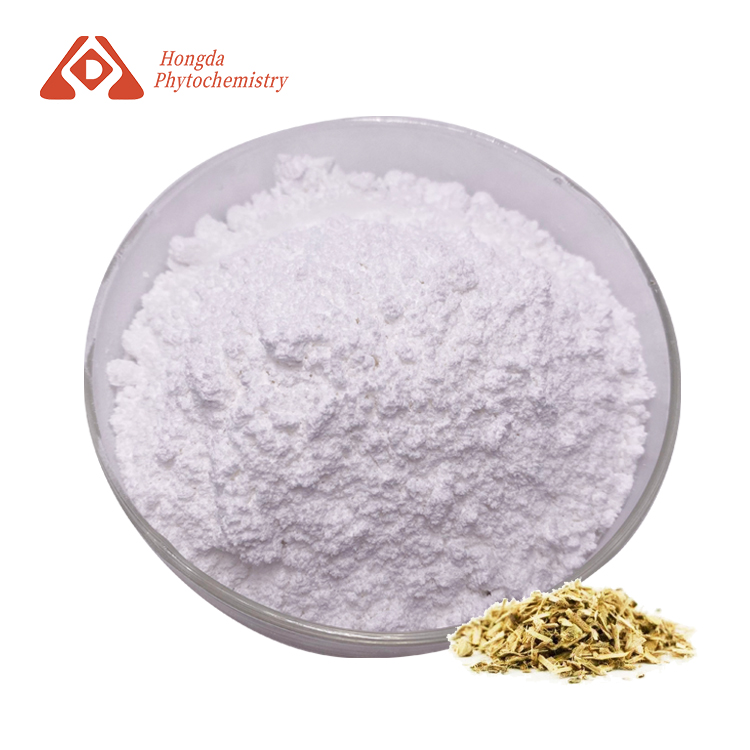
Liraglutide Powder is a temperature-sensitive biologic medication that requires careful handling to preserve its therapeutic properties. As a GLP-1 receptor agonist with a complex peptide structure, liraglutide contains amino acid chains that are vulnerable to degradation when exposed to improper temperature conditions. The active pharmaceutical ingredient in Liraglutide Powder must be stored under controlled conditions to maintain its molecular integrity and biological activity. Before first use, unopened vials or pens containing liraglutide must be refrigerated at temperatures between 36°F to 46°F (2°C to 8°C). This refrigeration requirement exists because the peptide structure of Liraglutide Powder can denature or lose its three-dimensional configuration when exposed to temperatures outside this stable range, rendering the medication less effective or completely inactive. The pharmaceutical-grade Liraglutide Powder manufactured by Shaanxi Hongda Phytochemistry undergoes rigorous stability testing to ensure it meets international standards for temperature sensitivity and shelf-life parameters. Our cGMP-certified manufacturing processes guarantee that each batch of Liraglutide Powder maintains consistent purity levels of ≥99% as verified through HPLC analysis, ensuring that healthcare providers and pharmaceutical companies receive material that will perform reliably when properly stored. The crystalline white powder form of our high-purity API is engineered for optimal stability during storage and reconstitution processes.
Why Refrigeration Matters for Liraglutide Powder?
The biological nature of Liraglutide Powder makes refrigeration absolutely essential for maintaining drug efficacy. Unlike small molecule drugs that remain stable at room temperature, peptide-based medications like liraglutide are composed of large protein-like structures that undergo chemical degradation when exposed to heat, light, or humidity. Refrigeration significantly slows the rate of chemical reactions that cause Liraglutide Powder to degrade, thereby extending its shelf life and preserving therapeutic effectiveness until the expiration date. When stored at proper refrigerated temperatures, the three-dimensional structure of the liraglutide molecule remains intact, allowing it to bind effectively to GLP-1 receptors in the body and produce the desired insulin secretion, glucagon suppression, and appetite reduction effects. Temperature fluctuations represent one of the most significant risks to Liraglutide Powder stability. Repeated exposure to warm temperatures followed by re-refrigeration can cause moisture condensation, which accelerates degradation processes and may lead to precipitation or aggregation of the active ingredient. Healthcare facilities, pharmaceutical manufacturers, and research laboratories utilizing bulk Liraglutide Powder must implement strict temperature monitoring protocols throughout the entire cold chain, from manufacturing through final administration. At Shaanxi Hongda, our quality assurance protocols include comprehensive stability studies conducted under ICH-compliant conditions, with accelerated and long-term testing that documents exactly how Liraglutide Powder responds to various storage scenarios.

Storage Guidelines After Opening Liraglutide
Once Liraglutide Powder has been reconstituted or a liraglutide injection pen has been used for the first time, the storage requirements become more flexible while still requiring careful attention. After opening, liraglutide solutions can typically be stored at room temperature up to 86°F (30°C) for a maximum of 30 days, though refrigerated storage remains acceptable and may provide additional stability assurance. This post-opening flexibility exists because the initial refrigeration has already preserved the Liraglutide Powder through its most vulnerable period, and the medication will be used relatively quickly once treatment begins. However, it's critical to note that even when stored at room temperature, opened liraglutide must never be exposed to temperatures exceeding 86°F, as excessive heat will rapidly degrade the Liraglutide Powder and compromise therapeutic efficacy. Pharmaceutical companies formulating finished dosage forms with our high-purity Liraglutide Powder should conduct their own stability studies to determine optimal storage conditions for their specific formulations, as excipients, pH buffers, and preservatives can influence the temperature sensitivity profile. Our technical team at Shaanxi Hongda provides comprehensive formulation optimization support, helping clients achieve ideal particle size distributions and solubility characteristics that enhance both storage stability and bioavailability. The water-soluble nature of our pharmaceutical-grade Liraglutide Powder facilitates the creation of sterile injectable formulations that maintain potency throughout their labeled shelf life when stored according to manufacturer specifications.
Best Practices for Liraglutide Temperature Management
Implementing proper temperature management protocols for Liraglutide Powder requires attention to multiple factors beyond simply placing medication in a refrigerator. First, never store liraglutide products near the cooling element or in the freezer compartment, as freezing permanently damages the peptide structure and renders Liraglutide Powder therapeutically inactive and unsafe for use. Frozen liraglutide must be discarded immediately, even if it subsequently thaws, because the ice crystal formation during freezing disrupts the molecular structure irreversibly. Additionally, avoid storing Liraglutide Powder or liraglutide products in refrigerator doors where temperature fluctuations occur frequently due to opening and closing, potentially exposing the medication to brief periods of warmth that cumulatively degrade stability over time. For research institutions and pharmaceutical development teams working with bulk Liraglutide Powder from Shaanxi Hongda, we recommend storage at -20°C for optimal long-term stability, with our product demonstrating a 24-month shelf-life when maintained under these conditions. Our vacuum packaging in 12kg drums with customizable options provides excellent protection against moisture and oxygen exposure during storage and transportation. The pharmaceutical-grade Liraglutide Powder we supply includes complete documentation with Certificate of Analysis containing lot numbers, synthesis dates, purity verification, and full traceability for regulatory compliance purposes. When transported globally to markets in North America, Europe, and Asia-Pacific, our temperature-controlled airfreight maintains precise -20°C ±2°C monitoring throughout the logistics chain, ensuring that Liraglutide Powder arrives at your facility with full potency intact.
Signs of Improperly Stored Liraglutide
Recognizing when Liraglutide Powder or liraglutide solutions have been compromised by improper storage is essential for patient safety and therapeutic effectiveness. Visual inspection should always precede administration of any liraglutide product. Properly stored liraglutide solutions should appear as clear, colorless liquids without any particles, cloudiness, or discoloration. If you observe precipitation, crystallization, color changes, or any visible particles floating in a liraglutide solution, this indicates that the Liraglutide Powder has degraded and the product must be discarded immediately. Such changes signal that the peptide structure has been compromised, potentially through excessive heat exposure, freezing, or contamination, and the medication will no longer deliver the intended therapeutic effect. Beyond visual changes, any liraglutide product that has been exposed to temperatures above 86°F (30°C) should be considered compromised regardless of appearance, as peptide degradation can occur without visible indicators. Similarly, if Liraglutide Powder or reconstituted solutions have exceeded their labeled storage duration—whether the original expiration date for unopened products or the 30-day post-opening limit—they must be discarded according to pharmaceutical waste disposal protocols. At Shaanxi Hongda, our rigorous quality control processes include endotoxin testing validated via LAL assay, ensuring that our Liraglutide Powder meets stringent safety standards with endotoxin levels below 0.1 EU/mg, critical for preventing adverse reactions in patients receiving injectable formulations.
Quality Assurance Through Proper Handling
The pharmaceutical industry's shift toward peptide-based therapeutics like Liraglutide Powder has necessitated enhanced quality assurance protocols throughout the manufacturing, storage, and distribution chain. Our vertically integrated facilities at Shaanxi Hongda produce Liraglutide Powder at commercial scales ranging from 100 to 500 kg annually without compromising quality standards, utilizing Solid-Phase Peptide Synthesis (SPPS) processes that achieve 98.5% yield while minimizing sequence errors. This advanced manufacturing approach ensures batch-to-batch consistency with purity variance maintained within ±0.3% across all production runs, providing pharmaceutical companies with reliable source material for their formulation development programs. For companies developing combination therapies or novel delivery systems utilizing Liraglutide Powder, our technical experts offer comprehensive support including troubleshooting for sterile fill-finish processes, particle size optimization, and regulatory submission guidance for IND and NDA applications. The extensive certification portfolio we maintain—including cGMP, FDA, EMA, ISO 13485, Kosher, Halal, BRC, and organic certifications—demonstrates our commitment to meeting diverse regulatory requirements across global markets. Whether you're formulating injectable pens, pre-mixed pump solutions, or developing next-generation obesity clinical trial materials, our high-purity Liraglutide Powder provides the foundation for efficacious, safe pharmaceutical products when handled and stored according to proper protocols.

Traveling with Liraglutide Medications
Maintaining proper storage conditions for Liraglutide Powder-based medications during travel presents unique challenges that require advance planning and appropriate equipment. For patients or healthcare providers transporting liraglutide, specialized medical-grade portable coolers designed for temperature-sensitive medications offer the most reliable solution for maintaining the required 36°F to 46°F refrigeration range during transit. These cooling systems can preserve liraglutide at appropriate temperatures for several days, protecting the Liraglutide Powder-based formulation from heat damage during flights, road trips, or other travel scenarios where immediate refrigeration access may not be available. When flying with liraglutide medications, always pack them in carry-on luggage rather than checked baggage to prevent exposure to freezing temperatures in aircraft cargo holds, which would permanently damage the Liraglutide Powder structure. Airport security allows medically necessary refrigerated medications through screening checkpoints when properly declared, and having supporting documentation from your healthcare provider can facilitate the security process. For pharmaceutical companies shipping bulk Liraglutide Powder internationally, Shaanxi Hongda employs temperature-controlled logistics with continuous -20°C ±2°C monitoring, complete with data logging throughout transit to verify that temperature excursions have not occurred. Our global distribution network serves FDA-aligned markets in North America, EMA-compliant regions throughout the EU, and PMDA/KFDA-ready territories across Asia-Pacific, ensuring that high-quality Liraglutide Powder reaches customers worldwide with full cold chain integrity maintained.
Conclusion
Understanding proper refrigeration and storage requirements for Liraglutide Powder is fundamental to maintaining medication efficacy and ensuring patient safety. Unopened liraglutide must be refrigerated between 36°F to 46°F before first use, while opened products can remain at room temperature up to 86°F for 30 days maximum. Never freeze liraglutide, and always discard products showing visual changes or temperature exposure exceeding recommended limits. These storage protocols protect the delicate peptide structure of Liraglutide Powder, preserving its therapeutic properties throughout its shelf life.
As a leading China Liraglutide Powder manufacturer, China Liraglutide Powder supplier, and China Liraglutide Powder factory, Shaanxi Hongda Phytochemistry delivers High Quality Liraglutide Powder at competitive Liraglutide Powder prices with China Liraglutide Powder wholesale options available. Our cGMP-certified facilities produce pharmaceutical-grade material with ≥99% purity, backed by comprehensive quality documentation and global regulatory compliance certifications. Whether you need Liraglutide Powder for sale for pharmaceutical manufacturing, clinical research, or formulation development, our expert team provides technical support and reliable supply chains. Contact us at duke@hongdaherb.com to discuss your requirements.
References
1. Novo Nordisk A/S. Victoza (liraglutide) injection prescribing information. Package insert. Bagsvaerd, Denmark: Novo Nordisk; 2019.
2. Blonde L, Klein EJ, Han J, Zhang B, Mac SM, Poon TH, Taylor KL, Trautmann ME, Kim DD, Kendall DM. Interim analysis of the effects of exenatide treatment on A1C, weight and cardiovascular risk factors over 82 weeks in 314 overweight patients with type 2 diabetes. Diabetes, Obesity and Metabolism. 2006;8(4):436-447.
3. U.S. Food and Drug Administration. Guidance for Industry: Q1A(R2) Stability Testing of New Drug Substances and Products. Center for Drug Evaluation and Research; 2003.
4. European Medicines Agency. Guideline on the requirements for the chemical and pharmaceutical quality documentation concerning investigational medicinal products in clinical trials. Committee for Medicinal Products for Human Use; 2017.
5. Degn KB, Juhl CB, Sturis J, Jakobsen G, Brock B, Chandramouli V, Rungby J, Landau BR, Schmitz O. One week's treatment with the long-acting glucagon-like peptide 1 derivative liraglutide (NN2211) markedly improves 24-h glycemia and alpha- and beta-cell function and reduces endogenous glucose release in patients with type 2 diabetes. Diabetes. 2004;53(5):1187-1194.
_1751529633740.webp)