


_1745918362135.webp)

How does Oxytocin Powder support postpartum hemorrhage protocols?
Postpartum hemorrhage remains one of the leading causes of maternal mortality worldwide, affecting approximately five percent of all deliveries and accounting for nearly one quarter of maternal deaths globally. In this critical moment when every second counts, Oxytocin Powder from Hongda Phytochemistry serves as a pharmaceutical-grade uterotonic agent that helps healthcare providers implement evidence-based hemorrhage prevention protocols. With 98% purity and cGMP certification, this peptide hormone product from Shaanxi Hongda Phytochemistry Co., Ltd. enables medical professionals to rapidly stimulate uterine contractions, minimize blood loss, and protect maternal health during the vulnerable third stage of labor and immediate postpartum period.
Understanding Oxytocin Powder as a Critical Uterotonic Agent in Hemorrhage Prevention
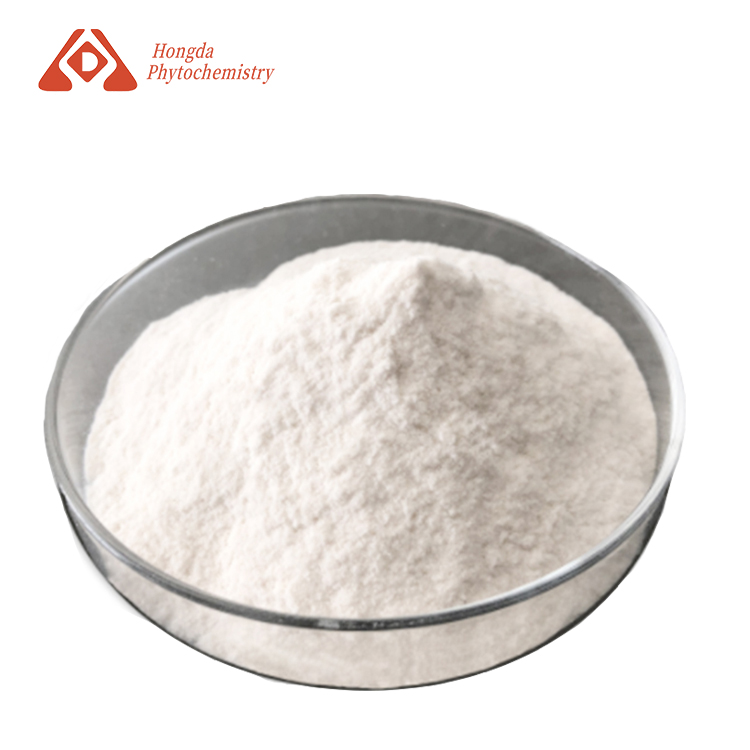
Oxytocin Powder represents a pharmaceutical-grade synthetic peptide hormone that mirrors the naturally occurring oxytocin produced by the posterior pituitary gland. This white crystalline powder with CAS number 50-56-6 and molecular weight of 1007.19 functions as a potent uterotonic medication specifically designed to prevent and manage postpartum hemorrhage through its ability to stimulate powerful uterine contractions. According to research published by the World Health Organization, prophylactic administration of Oxytocin Powder during the third stage of labor significantly reduces the risk of excessive bleeding by promoting rapid placental separation and ensuring effective uterine muscle contraction to close blood vessels that previously supplied the placenta. The mechanism of action involves binding to oxytocin receptors on uterine smooth muscle cells, triggering a cascade of intracellular events that increase calcium ion concentrations and initiate the contractile process. Shaanxi Hongda Phytochemistry Co., Ltd. produces pharmaceutical-grade Oxytocin Powder that undergoes rigorous HPLC and mass spectrometry testing to ensure 98% or greater purity, meeting stringent USP and EP criteria for use in injectable formulations. This level of quality control ensures consistent potency across batches, which is absolutely essential for life-saving obstetric applications where dosing precision can mean the difference between successful hemorrhage prevention and maternal morbidity.
The Pharmacological Mechanism Behind Oxytocin's Hemorrhage Control
The effectiveness of Oxytocin Powder in postpartum hemorrhage protocols stems from its highly specific pharmacological mechanism targeting uterine smooth muscle tissue. When administered intravenously or intramuscularly, oxytocin molecules rapidly circulate to the uterus where they selectively bind to G-protein coupled oxytocin receptors densely expressed on myometrial cells. This receptor activation triggers phospholipase C, which hydrolyzes phosphatidylinositol bisphosphate into inositol triphosphate and diacylglycerol, two secondary messengers that mobilize intracellular calcium stores from the sarcoplasmic reticulum while simultaneously opening voltage-gated calcium channels in the cell membrane. The resulting surge in cytoplasmic calcium concentration enables the formation of calcium-calmodulin complexes that activate myosin light chain kinase, phosphorylating myosin and allowing it to interact with actin filaments to generate the powerful rhythmic contractions characteristic of oxytocin-stimulated uterine activity. These contractions serve multiple critical functions in hemorrhage prevention: they compress the spiral arteries that supplied the placental bed, mechanically occluding these blood vessels to stop bleeding; they promote complete separation and expulsion of any retained placental fragments that could prevent proper uterine contraction; and they maintain sustained uterine tone during the critical first hours postpartum when atony-related hemorrhage risk peaks. Clinical studies have demonstrated that the route and timing of Oxytocin Powder administration significantly impacts its hemorrhage prevention efficacy, with intravenous administration producing nearly immediate onset of action within two to three minutes compared to the five to ten minute delay seen with intramuscular injection, though intramuscular routes provide more sustained uterotonic effects lasting up to one hour.
Clinical Evidence Supporting Oxytocin in Active Management Protocols
Extensive clinical research and systematic reviews have established Oxytocin Powder as the gold standard first-line uterotonic for active management of the third stage of labor, a comprehensive protocol designed to minimize postpartum blood loss. A landmark Cochrane systematic review analyzing data from multiple randomized controlled trials found that prophylactic administration of oxytocin during or immediately after delivery of the infant's anterior shoulder reduced the incidence of postpartum hemorrhage exceeding 500 milliliters by approximately thirty percent compared to no prophylactic uterotonic use or placebo administration. Further evidence from comparative effectiveness trials indicates that intravenous administration of Oxytocin Powder carries significantly lower risk for both moderate hemorrhage and severe hemorrhage requiring blood transfusion when compared to intramuscular routes, with risk ratios of 0.78 for bleeding exceeding 500 milliliters and 0.44 for transfusion requirement. These findings have informed updated World Health Organization recommendations prioritizing intravenous oxytocin administration when feasible, while acknowledging that intramuscular administration remains highly effective and more practical in resource-limited settings where establishing intravenous access may delay treatment. Dose-finding studies examining optimal oxytocin regimens for hemorrhage prevention have revealed that higher-dose protocols, particularly those delivering 40 to 80 international units diluted in crystalloid solution and infused over one to eight hours following placental delivery, demonstrate superior efficacy in reducing the need for additional uterotonic interventions compared to traditional lower-dose regimens of 5 to 10 international units given as a single bolus injection. The pharmaceutical-grade Oxytocin Powder manufactured by Shaanxi Hongda Phytochemistry undergoes triple testing validation using HPLC, LC-MS, and NMR spectroscopy to verify purity, while endotoxin levels are rigorously controlled to less than 0.25 endotoxin units per milligram to meet USP standards for injectable preparations, ensuring that every batch delivers consistent therapeutic efficacy without introducing contamination that could compromise patient safety.

Implementation Strategies for Oxytocin-Based Hemorrhage Prevention Protocols
Healthcare facilities implementing evidence-based postpartum hemorrhage prevention protocols must establish standardized procedures for Oxytocin Powder administration that account for both routine prophylaxis and escalation pathways for managing breakthrough bleeding. The foundation of these protocols typically involves prophylactic oxytocin administration during the third stage of labor, with most contemporary guidelines recommending 10 international units given either as a slow intravenous push over one to two minutes or as an intramuscular injection immediately following delivery of the infant's anterior shoulder but before placental delivery. This timing capitalizes on peak uterine responsiveness to oxytocin while the placenta remains in situ, facilitating more complete and rapid placental separation through enhanced contractile force. Following placental delivery, protocols frequently call for maintenance oxytocin infusion, commonly formulated as 20 to 40 international units of Oxytocin Powder diluted in 500 to 1000 milliliters of lactated Ringer's solution or normal saline and administered over four to eight hours to sustain uterine tone during the period of highest hemorrhage risk. For women identified as high-risk for postpartum hemorrhage due to factors such as prolonged labor, augmented labor with oxytocin, multiple gestation, polyhydramnios, chorioamnionitis, or previous hemorrhage history, enhanced prophylaxis protocols may specify higher maintenance infusion concentrations of 60 to 80 international units or extended infusion duration to provide more robust hemorrhage prevention. When breakthrough bleeding occurs despite prophylactic oxytocin, escalation protocols typically specify additional uterotonic administration, beginning with repeat oxytocin bolus dosing followed by second-line agents such as methylergonovine or prostaglandins if bleeding persists uncontrolled. Shaanxi Hongda Phytochemistry Co., Ltd. supports these implementation needs by providing Oxytocin Powder in standardized 12 kilogram drums with 27 drums per pallet, offering flexible packaging options including sterile vials, ampoules, and custom blister packs that accommodate different hospital pharmacy formulation workflows while maintaining product stability through temperature-controlled storage and distribution.
Quality Assurance Requirements for Pharmaceutical-Grade Oxytocin
The critical life-saving role of Oxytocin Powder in postpartum hemorrhage protocols demands uncompromising quality standards throughout the manufacturing, testing, storage, and distribution chain to ensure consistent therapeutic potency and patient safety. Pharmaceutical-grade oxytocin production requires adherence to current Good Manufacturing Practices as mandated by regulatory authorities including the FDA, EMA, and equivalent national agencies, encompassing validated manufacturing processes conducted in controlled-environment facilities, comprehensive documentation systems tracking every production batch from raw material receipt through final product release, and robust quality control testing protocols that verify product identity, purity, potency, and sterility. At Shaanxi Hongda Phytochemistry, Oxytocin Powder manufacturing takes place in cGMP-certified facilities equipped with industry-leading precision equipment for peptide synthesis, purification using preparative HPLC systems, lyophilization in automated freeze-drying chambers, and comprehensive analytical testing. Every production batch undergoes a rigorous three-tier testing validation process beginning with HPLC analysis to quantify purity and verify that peptide content meets or exceeds 98% by mass, followed by liquid chromatography-mass spectrometry to confirm molecular weight of 1007.19 daltons and validate peptide sequence identity, and concluding with nuclear magnetic resonance spectroscopy providing structural verification at the atomic level. Beyond identity and purity testing, pharmaceutical oxytocin requires stringent endotoxin control with specifications typically set at less than 0.25 endotoxin units per milligram to prevent pyrogenic reactions when administered parenterally, achieved through sterile manufacturing techniques, depyrogenation procedures for equipment and containers, and quantitative endotoxin testing using the Limulus Amebocyte Lysate assay meeting USP guidelines. Stability testing conducted under controlled temperature and humidity conditions according to ICH guidelines ensures that Oxytocin Powder maintains potency throughout its labeled shelf life, with accelerated stability studies predicting long-term performance and supporting product dating. This comprehensive quality assurance approach, combined with full regulatory compliance documentation including Certificates of Analysis, Material Safety Data Sheets, and Drug Master Files, positions Shaanxi Hongda Phytochemistry Co., Ltd. as a trusted supplier of Oxytocin Powder for pharmaceutical manufacturers producing injectable formulations used in critical obstetric applications worldwide.

Regulatory Compliance and International Standards for Oxytocin Products
Global distribution of Oxytocin Powder for incorporation into pharmaceutical hemorrhage prevention protocols requires comprehensive regulatory compliance spanning multiple jurisdictions with varying requirements for active pharmaceutical ingredient approval, importation, and quality standards. In the United States, oxytocin is regulated by the Food and Drug Administration as a prescription drug approved for both labor induction and postpartum hemorrhage control, with manufacturers and distributors of pharmaceutical-grade oxytocin bulk powder required to register facilities, list drug products, and comply with current Good Manufacturing Practice regulations codified in 21 CFR Parts 210 and 211. European markets require compliance with European Pharmacopoeia monographs specifying detailed quality requirements for oxytocin including identity tests based on specific optical rotation, infrared absorption spectroscopy, and peptide mapping; purity tests including limits for related peptides and substances, residual solvents, water content, and bacterial endotoxins; and assay methods for quantifying oxytocin content with accepted ranges typically between 95.0 and 105.0 percent of labeled amount. Shaanxi Hongda Phytochemistry Co., Ltd. has obtained an extensive portfolio of international certifications supporting global market access for its Oxytocin Powder, including FDA registration allowing export to United States markets, CE marking demonstrating conformity with European Union medical device regulations, ISO 13485 certification for quality management systems specific to medical devices and pharmaceutical products, cGMP certification from multiple accrediting bodies verifying compliance with pharmaceutical manufacturing standards, Kosher certification for markets requiring religious dietary compliance, and Halal certification enabling distribution to Islamic markets with specific religious requirements. These certifications are maintained through regular surveillance audits by third-party certification bodies and ongoing compliance with evolving regulatory standards, ensuring that Oxytocin Powder consistently meets the stringent quality expectations required for life-saving obstetric applications. The company provides comprehensive regulatory support documentation to pharmaceutical customers including Certificates of Analysis for each production lot detailing test results against specifications, Material Safety Data Sheets providing safety information for handling and storage, Drug Master Files containing confidential detailed information about manufacturing facilities, processes, and quality control systems that can be referenced in customer regulatory submissions, and stability data supporting recommended storage conditions and expiration dating for finished pharmaceutical products incorporating the Oxytocin Powder active ingredient.

Advantages of Pharmaceutical-Grade Oxytocin Powder for Medical Formulations
Pharmaceutical manufacturers developing injectable oxytocin products for postpartum hemorrhage protocols benefit significantly from sourcing high-purity Oxytocin Powder that meets stringent quality specifications and provides consistent performance across production batches. The 98% minimum purity achieved through advanced chromatographic purification processes ensures that each milligram of Oxytocin Powder contains a precise quantity of active peptide with minimal impurities that could reduce therapeutic efficacy or introduce adverse reactions, allowing pharmaceutical formulators to accurately calculate dosing and achieve batch-to-batch consistency in finished product potency. This high purity specification is particularly critical for oxytocin given the narrow therapeutic window between effective uterotonic doses and doses that can cause excessive uterine contractility leading to complications such as uterine rupture, fetal distress during labor induction, or water intoxication from the antidiuretic effects of high-dose oxytocin administration. Pharmaceutical-grade Oxytocin Powder sourced from Shaanxi Hongda Phytochemistry undergoes comprehensive characterization providing formulators with detailed specifications including molecular weight confirmation, peptide sequence verification, optical rotation measurements, moisture content determination, and residual solvent analysis, all of which inform formulation development and support regulatory submissions for finished drug products. The white crystalline powder form offers excellent solubility in aqueous vehicles, facilitating formulation of both immediate-use injectable solutions and lyophilized dosage forms that can be reconstituted at point of care, providing flexibility to meet different clinical workflow requirements. Scalable manufacturing capacity capable of producing quantities ranging from small pilot batches for clinical trial materials to multi-ton commercial volumes supports pharmaceutical partners throughout product development lifecycles from initial formulation development through commercial launch and ongoing supply, with manufacturing lead times typically ranging from three to seven working days ensuring reliable availability to meet production schedules and minimize supply chain disruptions.
Economic and Supply Chain Benefits for Global Pharmaceutical Buyers
Sourcing pharmaceutical-grade Oxytocin Powder directly from an established manufacturer like Shaanxi Hongda Phytochemistry Co., Ltd. offers significant economic advantages and supply chain benefits compared to purchasing through multiple intermediary distributors or brokers. Direct factory pricing eliminates intermediary markups, providing cost-effective access to high-quality active pharmaceutical ingredient without compromising on quality standards or regulatory compliance documentation, which is particularly valuable for pharmaceutical manufacturers operating on tight margins in competitive global markets for essential medicines like oxytocin. The company's twenty years of experience in peptide product manufacturing, research and development, and customized production provides pharmaceutical buyers with a knowledgeable technical partner capable of offering formulation guidance, analytical method development support, and regulatory documentation assistance that goes beyond simple commodity supply relationships. Large-scale inventory maintained across six specialized storage zones totaling 3,000 square meters of temperature-controlled warehouse space ensures product availability and rapid order fulfillment even for urgent requirements, with professional inventory management systems tracking batch traceability and implementing first-in-first-out rotation to guarantee optimal product freshness and maximum remaining shelf life for delivered materials. Flexible packaging options accommodate diverse customer requirements, from bulk 12 kilogram drums suitable for large pharmaceutical manufacturers to smaller sample quantities of 20 to 100 grams packaged in aluminum foil bags for research applications or formulation development trials, with custom packaging specifications available to meet specific handling, storage, or regulatory requirements. International shipping capabilities using temperature-controlled airfreight with real-time tracking ensure product integrity during transit, particularly critical for peptide active pharmaceutical ingredients that may be sensitive to temperature excursions, humidity exposure, or prolonged storage at non-optimal conditions. The company's extensive quality documentation package including batch-specific Certificates of Analysis, comprehensive Material Safety Data Sheets, and Drug Master File information provides pharmaceutical customers with all necessary support for regulatory submissions, import clearances, and internal quality assurance programs, streamlining the procurement process and reducing administrative burden associated with qualifying new active pharmaceutical ingredient suppliers.
Technical Support and Customization Services for Pharmaceutical Applications
Beyond simply supplying commodity Oxytocin Powder, Shaanxi Hongda Phytochemistry Co., Ltd. provides comprehensive technical support services that add significant value for pharmaceutical customers developing or manufacturing oxytocin-based products for postpartum hemorrhage prevention and treatment. The company's two dedicated research and development institutions staffed by more than twenty experienced scientists recruited from leading universities and research institutions across China offer expert consultation on peptide chemistry, formulation science, analytical method development, and regulatory strategy, helping pharmaceutical partners optimize their product development timelines and overcome technical challenges that might otherwise delay market entry. Customization capabilities extend to modifying powder particle size distributions to optimize dissolution characteristics for specific formulation approaches, adjusting residual moisture content to balance stability requirements against reconstitution time, and providing sterile-filtered peptide solutions for customers preferring to receive pre-dissolved active pharmaceutical ingredient rather than managing in-house dissolution and sterile filtration operations. For pharmaceutical companies requiring non-standard peptide quantities, packaging formats, or quality specifications beyond the standard commercial product offering, the company's flexible manufacturing capabilities support custom production runs tailored to specific customer requirements while maintaining the same rigorous quality standards and regulatory compliance documentation provided for standard products. Analytical testing services available through the company's SGS-standardized laboratory equipped with high-performance liquid chromatographs, gas chromatographs, mass spectrometers, and other advanced instrumentation enable customers to outsource method validation studies, stability testing programs, or batch release testing, particularly valuable for smaller pharmaceutical companies that may not have extensive in-house analytical capabilities or for established companies seeking to reduce fixed costs by leveraging contract laboratory services for specialized or infrequent testing requirements.
Future Directions in Oxytocin-Based Hemorrhage Prevention Strategies
Ongoing research continues to refine optimal protocols for Oxytocin Powder utilization in postpartum hemorrhage prevention, with particular focus on personalized dosing strategies that account for individual patient risk factors, alternative administration routes that may improve efficacy or accessibility, and combination approaches integrating oxytocin with complementary interventions. Emerging evidence suggests that risk-stratified prophylaxis protocols, which escalate oxytocin dosing based on patient-specific hemorrhage risk assessments incorporating factors such as body mass index, labor duration, mode of placental delivery, and placental characteristics, may offer superior hemorrhage prevention compared to one-size-fits-all dosing approaches, though these personalized strategies require sophisticated decision support tools and extensive provider education to implement successfully. Novel delivery systems including extended-release formulations that sustain therapeutic oxytocin concentrations throughout the high-risk postpartum period without requiring continuous intravenous infusion, intranasal oxytocin sprays that might offer advantages in resource-limited settings lacking injectable medication administration capabilities, and oxytocin-impregnated intrauterine devices that provide localized high-concentration uterotonic effect with minimal systemic exposure represent promising areas of active investigation, though these innovations require extensive safety and efficacy validation before clinical implementation. Combination protocols pairing prophylactic Oxytocin Powder administration with mechanical interventions such as controlled cord traction to facilitate placental delivery, early uterine massage to promote sustained contractility, and intrauterine balloon tamponade devices as failsafe backup measures for breakthrough bleeding continue to evolve based on accumulating clinical experience and comparative effectiveness research. As global maternal health initiatives prioritize reducing preventable maternal mortality from postpartum hemorrhage, the availability of pharmaceutical-grade Oxytocin Powder meeting international quality standards becomes increasingly critical for healthcare systems worldwide, particularly in low- and middle-income countries where hemorrhage remains the leading cause of maternal death and where supply chain challenges, medication storage limitations, and resource constraints create unique implementation barriers requiring tailored solutions. Shaanxi Hongda Phytochemistry Co., Ltd. supports these global health priorities through sustainable manufacturing practices, competitive pricing structures that facilitate medication access in resource-limited settings, comprehensive technical transfer support for domestic pharmaceutical manufacturing capacity building in developing nations, and ongoing research collaborations advancing understanding of optimal oxytocin utilization strategies for diverse clinical contexts and healthcare delivery environments.

Conclusion
Oxytocin Powder stands as an indispensable component of evidence-based postpartum hemorrhage prevention protocols, offering healthcare providers a pharmaceutical-grade uterotonic agent capable of rapidly stimulating uterine contractions, minimizing blood loss, and protecting maternal health during the vulnerable immediate postpartum period. The pharmaceutical-grade Oxytocin Powder manufactured by Shaanxi Hongda Phytochemistry Co., Ltd. combines exceptional purity exceeding 98%, rigorous quality control through triple analytical validation, comprehensive regulatory compliance documentation including cGMP certification and international standards conformance, and reliable supply chain capabilities backed by two decades of specialized peptide manufacturing expertise. For pharmaceutical companies developing oxytocin formulations, medical institutions implementing standardized hemorrhage prevention protocols, and procurement organizations sourcing essential maternal health medications, partnering with a trusted China Oxytocin Powder manufacturer like Shaanxi Hongda Phytochemistry offers compelling advantages in product quality, regulatory support, technical expertise, and supply reliability. Whether you require High Quality Oxytocin Powder for pharmaceutical manufacturing applications, seek a dependable China Oxytocin Powder supplier with comprehensive certification documentation, need competitive Oxytocin Powder price quotes for bulk procurement, or are searching for Oxytocin Powder for sale with flexible packaging options, Shaanxi Hongda Phytochemistry Co., Ltd. provides comprehensive solutions supported by world-class manufacturing facilities, experienced technical staff, and unwavering commitment to advancing maternal health outcomes worldwide. Contact duke@hongdaherb.com today to discuss your specific Oxytocin Powder requirements with our expert team and discover how our pharmaceutical-grade peptide products and customization capabilities can support your hemorrhage prevention initiatives and contribute to reducing preventable maternal mortality globally.
References
1. World Health Organization. WHO Recommendations for the Prevention and Treatment of Postpartum Haemorrhage. Geneva: World Health Organization, 2012.
2. Gallos ID, Williams HM, Price MJ, et al. Uterotonic Agents for Preventing Postpartum Haemorrhage: A Network Meta-Analysis. Cochrane Database of Systematic Reviews, 2018.
3. Tita AT, Szychowski JM, Rouse DJ, et al. Higher-Dose Oxytocin and Hemorrhage After Vaginal Delivery: A Randomized Controlled Trial. Obstetrics and Gynecology, 2012.
4. Oladapo OT, Fawole B, Blum J, et al. Advance Misoprostol Distribution for Preventing and Treating Postpartum Haemorrhage. Cochrane Database of Systematic Reviews, 2012.
5. Patel S, Kuppuswamy S, Lata I. Prevention of Postpartum Hemorrhage. Journal of Obstetric Anaesthesia and Critical Care, 2016.
_1752046380392.webp)