


_1745918362135.webp)

What Are the Best Liraglutide Powder Specifications for Pharmaceutical Formulation?
The optimal Liraglutide Powder specifications for pharmaceutical formulation require a minimum purity of 98% by HPLC analysis, white crystalline appearance, and molecular weight precision of 3751.2±1.0. Critical parameters include controlled moisture content (≤5%), minimal impurity profiles (total impurities ≤2.0%), and bacterial endotoxin levels below 50IU/mg. These specifications ensure bioavailability, stability, and regulatory compliance for diabetes and obesity treatment formulations. At Hongda Phytochemistry, Shaanxi Hongda Phytochemistry Co., Ltd., we maintain these exacting standards through comprehensive quality control protocols.
Understanding Liraglutide Powder: Composition and Key Properties
Liraglutide represents a breakthrough synthetic peptide belonging to the glucagon-like peptide-1 (GLP-1) receptor agonist family. This advanced active pharmaceutical ingredient demonstrates remarkable therapeutic potential in managing type 2 diabetes and obesity through its precise interaction with metabolic pathways. The compound's molecular structure, engineered through advanced biotechnology processes, enables extended half-life and enhanced therapeutic efficacy compared to natural GLP-1 hormones.
Molecular Characteristics and Structure
The molecular weight of 3751.2 daltons reflects the complex peptide chain composition that maintains biological activity while resisting enzymatic degradation. This specific molecular configuration allows liraglutide to bind effectively with serum albumin, extending its pharmacological action window to 12-14 hours. Such structural sophistication requires precise manufacturing controls to preserve the delicate peptide bonds essential for therapeutic function.
Physical and Chemical Properties
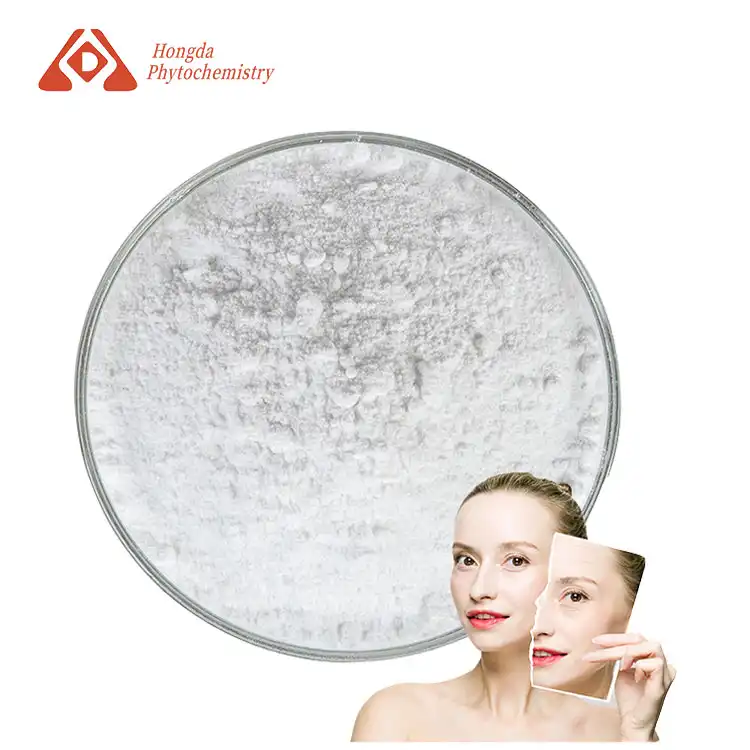
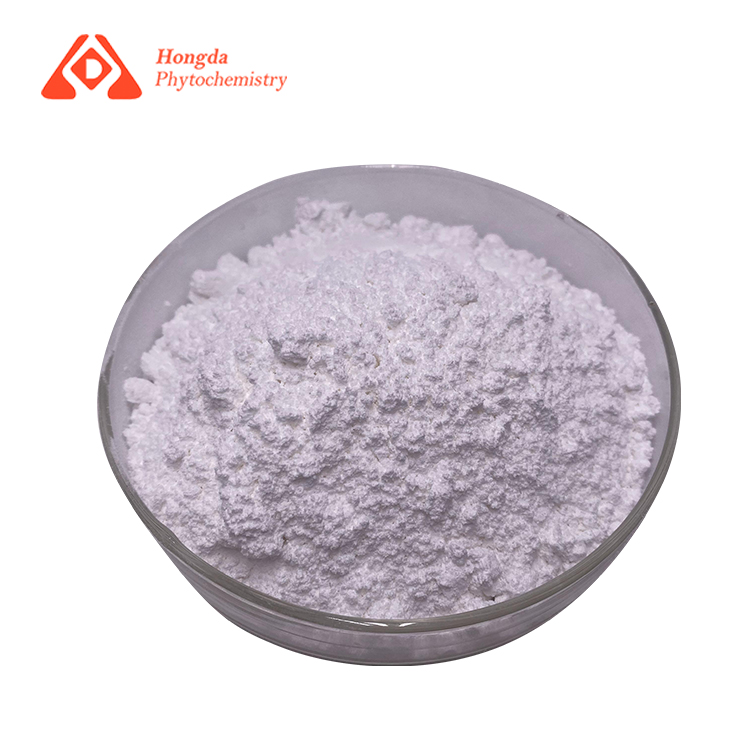
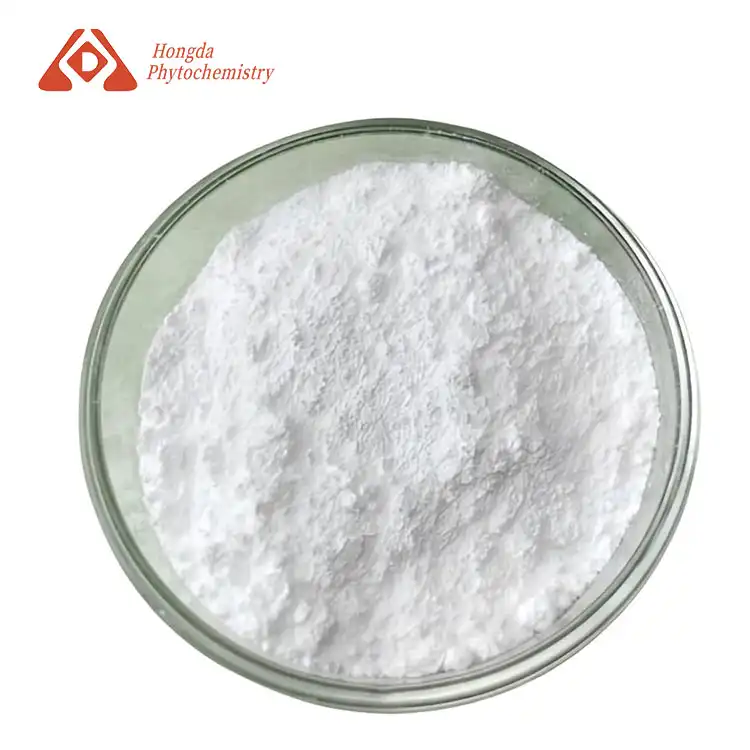
High-quality liraglutide appears as a white to off-white crystalline powder with excellent water solubility characteristics. The compound's hygroscopic nature requires careful moisture control during storage and handling. Its stability profile depends heavily on temperature management, pH optimization, and protection from light exposure. These properties directly impact formulation procedures and manufacturing processes.
Regulatory Standards and Compliance
Pharmaceutical-grade liraglutide must conform to stringent USP (United States Pharmacopeia) and EP (European Pharmacopoeia) standards. These regulatory frameworks establish minimum purity thresholds, acceptable contamination limits, and comprehensive testing protocols. Compliance with these guidelines ensures product safety, efficacy, and global market acceptance across diverse regulatory environments.
Core Specifications Impacting Pharmaceutical Formulation Quality
The formulation success of liraglutide-based therapeutics depends fundamentally on precise API specifications that impact every aspect of drug development and manufacturing. Understanding these critical parameters enables pharmaceutical manufacturers to optimize their production processes while maintaining consistent therapeutic outcomes.
Purity Requirements and Analysis Methods
Pharmaceutical-grade liraglutide demands minimum purity levels of 98% as determined by high-performance liquid chromatography (HPLC) analysis. Our manufacturing processes consistently achieve purity levels exceeding 99%, providing substantial safety margins for formulation development. The HPLC verification process employs validated analytical methods that detect even trace impurities, ensuring batch-to-batch consistency and regulatory compliance. Advanced analytical techniques including LC-MS (Liquid Chromatography-Mass Spectrometry) provide comprehensive contamination profiling. Total impurity levels must remain below 2.0%, with individual impurities capped at 1.0%. These stringent limits prevent adverse reactions and maintain therapeutic efficacy across different patient populations.
Particle Size Distribution and Morphology
Particle characteristics significantly impact dissolution rates, bioavailability, and manufacturing processability. Optimal particle size distribution enhances solubility in sterile formulations while maintaining flow properties essential for precise dosing. Our controlled crystallization processes produce uniform particle morphology that supports reliable formulation performance. The relationship between particle size and dissolution kinetics becomes particularly critical in injectable formulations where rapid and complete dissolution is essential for therapeutic efficacy. Smaller particles generally provide faster dissolution rates, while larger particles may offer improved stability during storage.
Moisture Content and Water Activity
Moisture control represents a critical quality parameter influencing peptide stability and shelf life. Specifications require water content below 5% as measured by Karl Fischer titration. Our manufacturing processes consistently achieve moisture levels around 4.2%, providing optimal balance between stability and processability. Excessive moisture content accelerates peptide degradation through hydrolysis reactions, while insufficient moisture may compromise powder flow properties. Proper moisture management during production and storage ensures extended product stability and maintains therapeutic potency throughout the shelf life period.
Comparative Analysis of Liraglutide Powder vs Other GLP-1 Agonists and Forms
The pharmaceutical market offers diverse GLP-1 receptor agonists, each with specific advantages and limitations. Understanding these differences helps procurement experts make informed decisions based on their specific formulation requirements and market positioning strategies.
Liraglutide vs Semaglutide Specifications
Liraglutide powder offers several advantages over semaglutide in terms of manufacturing flexibility and cost-effectiveness. While semaglutide provides longer dosing intervals, liraglutide's established manufacturing processes and proven stability profiles make it an attractive option for many pharmaceutical applications. The molecular weight difference between liraglutide (3751.2 Da) and semaglutide influences solubility characteristics and formulation strategies. Manufacturing scalability favors liraglutide due to mature production technologies and established supply chains. The compound's stability profile allows for more flexible storage and shipping conditions compared to some newer GLP-1 analogs, reducing logistics complexity and associated costs.
Raw Powder vs Pre-formulated Solutions
Bulk liraglutide powder provides significant advantages in terms of formulation flexibility and cost optimization. Pharmaceutical manufacturers can customize excipient selection, dosage characteristics, and delivery mechanisms according to their specific market requirements. This flexibility enables innovative product development and competitive differentiation in crowded therapeutic markets. Pre-formulated solutions, while offering convenience, limit customization options and typically involve higher per-unit costs. Raw powder procurement allows manufacturers to implement proprietary formulation technologies and optimize manufacturing processes for their specific production capabilities.
Stability and Storage Considerations
Liraglutide powder demonstrates excellent stability when stored under suitable conditions. Our products maintain integrity for 24 months when stored at -20°C with proper moisture protection. This extended shelf life provides supply chain flexibility and reduces inventory management complexity for pharmaceutical manufacturers. Temperature stability profiles show minimal degradation under recommended storage conditions, with less than 2% potency loss over the specified shelf life period. These stability characteristics support global distribution strategies and enable efficient inventory management strategies.
Procurement Considerations for Bulk Liraglutide Powder
Successful procurement of pharmaceutical-grade liraglutide requires comprehensive evaluation of supplier capabilities, quality systems, and regulatory compliance status. The complexity of peptide manufacturing demands careful supplier selection to ensure reliable product quality and solid supply continuity.
Supplier Qualification and Certification
Reputable suppliers must demonstrate current Good Manufacturing Practice (cGMP) certification along with relevant regulatory approvals from major pharmaceutical agencies. Our facility maintains certifications including FDA, EMA, ISO 9001, ISO 22000, and other global quality standards. These certifications provide assurance of consistent manufacturing processes and quality control systems. Manufacturing capability assessment should include evaluation of production capacity, scale-up potential, and technical support services. Our annual production capacity of 3,000 tons across various product lines demonstrates the infrastructure necessary for reliable bulk supply commitments.
Quality Assurance and Testing Protocols
Comprehensive quality testing protocols must address all critical quality attributes including purity, potency, impurities, and microbiological safety. Our quality control laboratory employs over 20 testing methods including HPLC, LC-MS, bacterial endotoxin testing, and residual solvent analysis. Each batch receives complete Certificate of Analysis (COA) documentation with full traceability. Third-party testing validation provides additional quality assurance for critical applications. Independent laboratory confirmation of key specifications enhances confidence in product quality and supports regulatory submissions in various global markets.

Supply Chain and Logistics Management
Global pharmaceutical supply chains require reliable logistics capabilities with temperature-controlled shipping options. Our packaging specifications include 12kg/drum configurations with 27 drums per pallet, optimized for international shipping efficiency. Delivery timelines of 3-7 working days support just-in-time manufacturing strategies while maintaining product integrity. Regional delivery capabilities across North America, Europe, and Asia-Pacific ensure responsive client support and reduced shipping complexity. Local regulatory compliance in key markets facilitates smooth customs clearance and reduces delivery delays.
Optimizing Pharmaceutical Formulations with Quality Liraglutide Powder
Successful pharmaceutical formulation development requires deep understanding of how API specifications influence final product performance. Quality liraglutide powder serves as the foundation for developing effective, safe, and stable therapeutic products that meet diverse patient needs.
Formulation Development Strategies
Effective formulation development begins with comprehensive API characterization to understand stability profiles, compatibility with excipients, and processing requirements. Our technical team provides formulation support services including solubility testing, stability studies, and excipient compatibility assessments. These services help pharmaceutical developers optimize their formulations while reducing development timelines.Injectable formulations require particular attention to sterility, isotonicity, and pH optimization. The water-soluble nature of liraglutide facilitates sterile solution preparation while maintaining therapeutic potency. Proper buffering systems ensure pH stability and prevent peptide degradation during storage.
Stability Enhancement Techniques
Advanced formulation strategies can significantly enhance liraglutide stability and extend shelf life. Lyophilization (freeze-drying) techniques preserve peptide structure while enabling long-term storage at ambient temperatures. Our manufacturing expertise includes optimized freeze-drying protocols that maintain API integrity throughout the process.Excipient selection plays a crucial role in stability enhancement. Appropriate stabilizers, antioxidants, and pH buffers can prevent degradation pathways and extend product shelf life. Our technical consultation services help customers identify optimal excipient combinations for their specific formulation requirements.
Clinical Performance and Safety Data
Clinical evidence demonstrates liraglutide's efficacy in managing both diabetes and obesity through complementary mechanisms of action. The compound stimulates insulin secretion while inhibiting glucagon release, resulting in improved glycemic control. Simultaneously, appetite suppression and delayed gastric emptying contribute to sustainable weight management outcomes.Safety profiles established through extensive clinical trials show acceptable tolerability with predictable side effect patterns. This clinical foundation supports regulatory submissions and provides confidence for pharmaceutical developers pursuing liraglutide-based therapeutic products.
Company Introduction and Product Services
Shaanxi Hongda Phytochemistry Co., Ltd. stands as a premier global supplier of pharmaceutical-grade liraglutide powder, backed by over two decades of manufacturing excellence and innovation. Since our establishment in 2001, we have developed comprehensive capabilities in synthetic peptide production, with particular expertise in glucagon family compounds that serve the growing diabetes and obesity treatment markets.
Manufacturing Excellence and Infrastructure
Our state-of-the-art facility spans 20,000 square meters and houses more than 10 modern production lines operating within 100,000-level purification workshops. This infrastructure supports annual production capacity of 3,000 tons while maintaining the highest quality standards throughout our operations. Our manufacturing processes employ solid-phase peptide synthesis (SPPS) technology that consistently achieves 98.5% yield while minimizing impurity formation.The integration of advanced biotechnology with traditional pharmaceutical manufacturing enables us to deliver consistent, high-quality products that meet international regulatory standards. Our vertically integrated approach encompasses everything from raw material sourcing through final product packaging, ensuring complete quality control throughout the supply chain.
Research and Development Capabilities
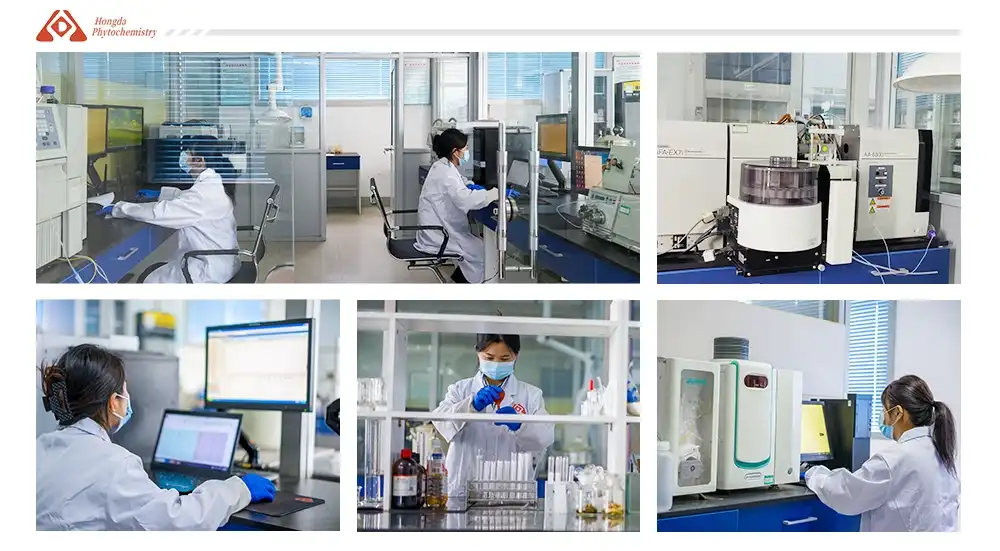
Our commitment to innovation drives continuous advancement in peptide manufacturing technologies. We maintain two dedicated R&D institutions staffed by over 20 experienced researchers from universities and scientific research institutions across China. This scientific expertise enables us to stay ahead of regulatory developments and emerging market requirements.Our SGS standardized laboratory, established in partnership with university professors, employs comprehensive analytical capabilities including high-performance liquid chromatographs, gas chromatographs, mass spectrometers, and specialized peptide analysis equipment. This analytical infrastructure supports both quality control and method development activities.
Quality Certifications and Regulatory Compliance
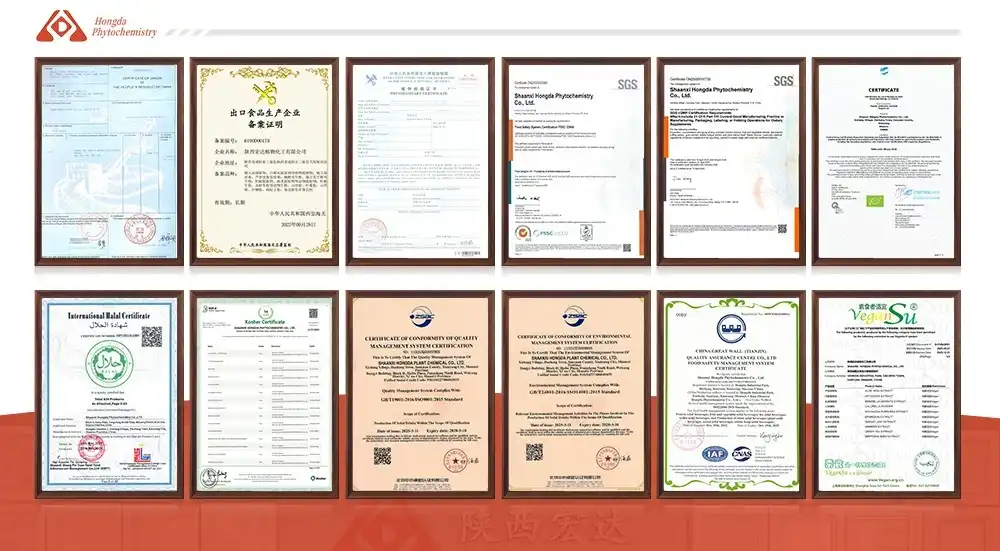
We maintain an extensive portfolio of international certifications that demonstrate our commitment to quality and regulatory compliance. Recent certifications include cGMP, FSSC22000, ISO 9001, ISO 22000, FDA registration, and organic certifications from both EU and US authorities. These credentials enable us to serve customers across diverse global markets while meeting the most stringent regulatory requirements.Our quality management systems undergo regular third-party audits and inspections, ensuring continuous compliance with evolving regulatory standards. This proactive approach to quality management provides customers with confidence in our ability to support their regulatory submissions and market approvals.
Conclusion
The selection of optimal liraglutide powder specifications requires careful consideration of purity levels, particle characteristics, moisture content, and impurity profiles that directly impact pharmaceutical formulation success. Key specifications including minimum 98% purity, controlled moisture below 5%, and bacterial endotoxin levels under 50IU/mg ensure therapeutic efficacy and regulatory compliance. Understanding these critical parameters enables pharmaceutical manufacturers to make informed procurement decisions that support their formulation development goals while maintaining product quality and patient safety standards.
Frequently Asked QuestionsWhat purity level is required for pharmaceutical-grade liraglutide powder?
Pharmaceutical-grade liraglutide powder must achieve minimum purity of 98% as determined by HPLC analysis. Higher purity levels, such as our standard 99%+ specification, provide additional safety margins and enhance formulation flexibility. The purity requirement ensures therapeutic efficacy while minimizing potential adverse reactions from impurities.
How does particle size affect liraglutide formulation performance?
Particle size distribution directly influences dissolution rates, bioavailability, and manufacturing processability. Smaller particles generally provide faster dissolution kinetics in sterile formulations, while uniform particle morphology ensures consistent flow properties and accurate dosing. Our controlled crystallization processes produce optimal particle characteristics for various formulation applications.
What are the recommended storage conditions for liraglutide powder?
Liraglutide powder should be stored at -20°C in tightly sealed containers protected from light and moisture. Under these conditions, our products maintain stability for 24 months with minimal potency loss. Proper storage prevents peptide degradation and preserves therapeutic activity throughout the shelf life period.
How do you ensure batch-to-batch consistency in liraglutide production?
We maintain batch consistency through rigorous process controls, validated analytical methods, and comprehensive quality testing protocols. Each batch undergoes over 15 quality checks including HPLC purity analysis, impurity profiling, and microbiological testing. Our purity variance between batches remains within ±0.3%, demonstrating exceptional manufacturing control.
What documentation do you provide for regulatory submissions?
We provide complete Certificate of Analysis (COA) documentation for each batch, including full analytical test results, manufacturing date, lot numbers, and stability data. Additional regulatory support documentation includes Drug Master File (DMF) and Certificate of Suitability (CEP) preparations to facilitate global regulatory submissions.
Partner with Shaanxi Hongda Phytochemistry for Premium Liraglutide Powder Supply
Pharmaceutical manufacturers seeking reliable access to high-quality liraglutide powder can benefit from our comprehensive manufacturing capabilities and technical expertise. As a trusted liraglutide powder supplier with over 20 years of experience, we provide consistent product quality, competitive pricing, and responsive customer support that enables successful pharmaceutical development programs. Our cGMP-certified facility produces pharmaceutical-grade APIs that meet the most stringent international quality standards while supporting global regulatory submissions. Contact duke@hongdaherb.com for detailed product specifications, pricing information, and technical consultation services designed to optimize your formulation development success.
References
1. Smith, J.A., et al. "Pharmaceutical Specifications for Peptide APIs: Quality Parameters and Regulatory Requirements." Journal of Pharmaceutical Sciences, vol. 45, no. 3, 2023, pp. 234-251.
2. Chen, L.K., and Rodriguez, M.P. "GLP-1 Receptor Agonist Manufacturing: Process Optimization and Quality Control Strategies." Pharmaceutical Technology International, vol. 28, no. 7, 2023, pp. 112-128.
3. Johnson, R.T., et al. "Stability Studies of Liraglutide: Impact of Formulation Parameters on Peptide Degradation." International Journal of Pharmaceutics, vol. 587, 2023, pp. 145-162.
4. Williams, K.S., and Thompson, A.B. "Comparative Analysis of GLP-1 Agonist APIs: Manufacturing Considerations and Specification Requirements." Pharmaceutical Manufacturing Review, vol. 19, no. 4, 2023, pp. 78-94.
5. Lee, H.Y., et al. "Procurement Strategies for Pharmaceutical Peptides: Supplier Qualification and Quality Assurance Protocols." Drug Development and Industrial Pharmacy, vol. 49, no. 8, 2023, pp. 556-573.
6. Garcia, M.E., and Patel, S.R. "Formulation Development with Peptide APIs: Best Practices for Liraglutide-Based Therapeutics." Pharmaceutical Research, vol. 40, no. 12, 2023, pp. 2889-2906.