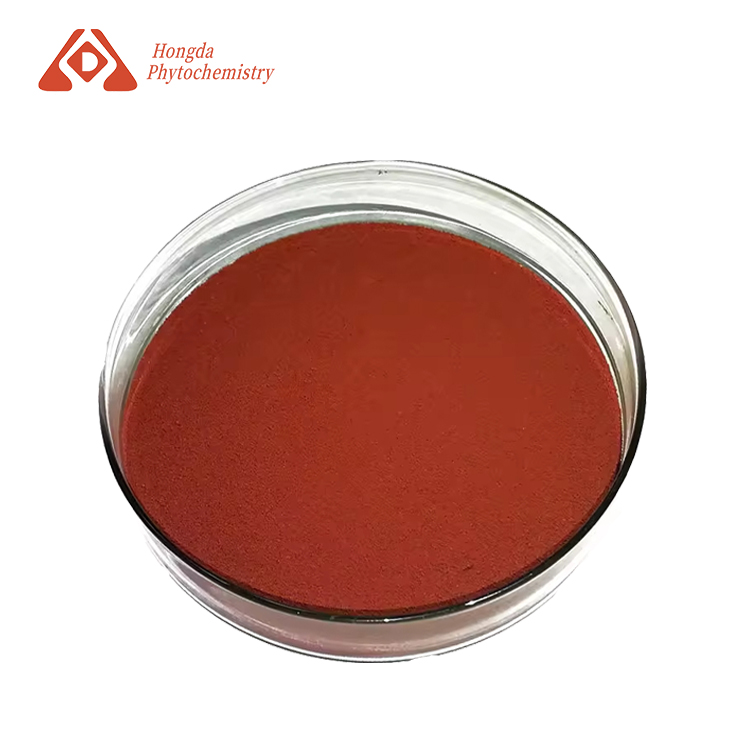
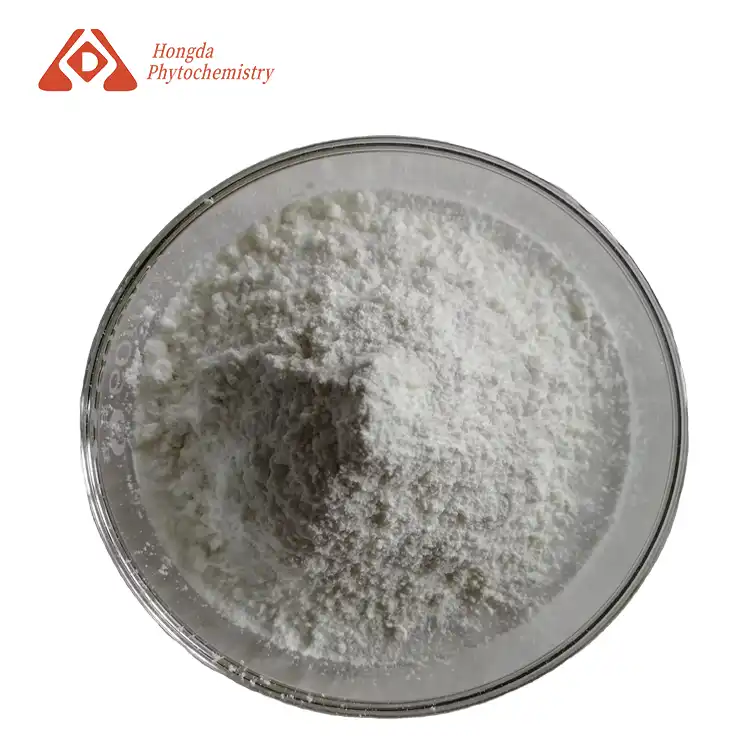
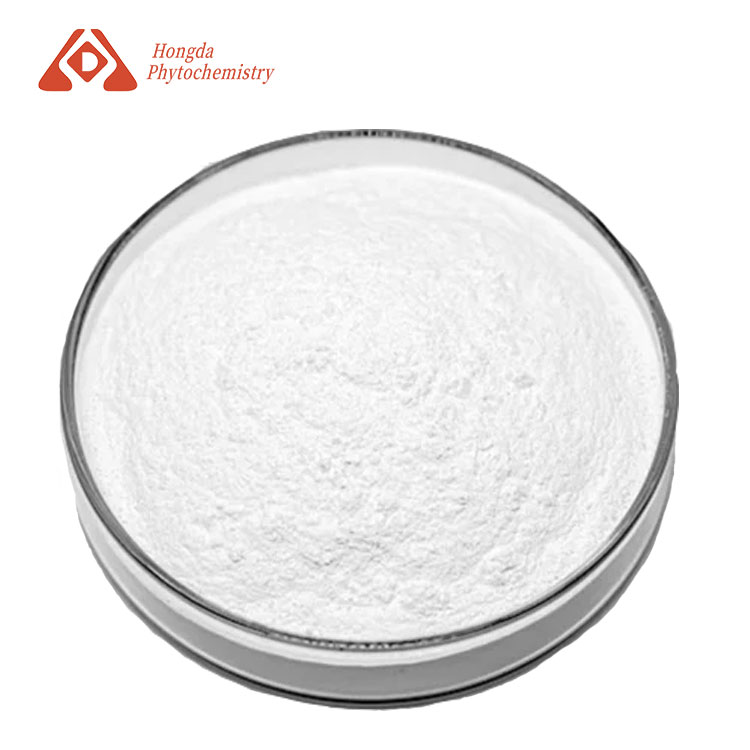
The best retatrutide powder specifications for pharmaceutical development require ≥98% purity by HPLC, peptide content ≥80%, moisture content <8%, and compliance with ICH Q7 guidelines. One of the most important steps in making peptide-based medicines is choosing the right raw materials. Hongda Phytochemistry, which is run by Shanxi Hongda Phytochemistry Co., Ltd., gives pharmaceutical companies high-quality peptide ingredients that are backed by scientific tests, batch paperwork, and strict quality control processes. Researchers and formulators need to look at retatrutide powder for research and formulation projects. They need to think about its purity, peptide content, impurity levels, microbial safety, and regulatory documentation to lower quality risks during development. Retatrutide is a triple receptor agonist that works to turn on the GLP-1, GIP, and glucagon pathways. This makes it a good option for study into metabolic disorders. Because peptides have a complex structure, drug developers need raw materials that have consistent analytical profiles and reliable manufacturing controls. Picking the right specs can help make the product more stable, help with regulatory planning, and maintain accuracy from batch to batch during the development process.
Understanding the Critical Specifications of Retatrutide Powder
Before choosing a peptide raw material supplier, pharmaceutical developers usually look at a number of quality factors. These standards tell us a lot about the product's identity, quality, safety, and whether it's good for further growth.
Purity Requirements for Pharmaceutical Development
One of the main criteria used to judge pharmaceutical-grade peptide materials is their purity. For retatrutide research projects, a purity level of 98% or higher is usually needed, and analytical methods like high-performance liquid chromatography (HPLC) are used to make sure of this.
HPLC testing helps find the main peptide part while keeping an eye on any impurities that might affect how well the product works. Liquid chromatography-mass spectrometry (LC-MS) verification is also often used to prove the name of molecules and find chemicals that aren't predicted.
Pharmaceutical companies can check to see if high-quality retatrutide powder meets their own quality standards before starting formulation studies by looking at the clear analytical data that it gives them.
Peptide Content and Impurity Profile Control
In addition to the purity number, the peptide content tells you more about how concentrated the active ingredient is in the material. This measurement might look at things like moisture, counter-ions, and residual parts that change the final composition.
These things should be in a solid design system:
- Testing for peptide amount
- Evaluation of each person's impurity
- Limits on total impurity
- Finding chemicals that are related to breakdown
Individual impurities are usually controlled at very high levels in pharmaceutical uses, and the total impurity content should stay within the acceptable limits set during quality assessment. Controlling impurities in a consistent way is especially important for peptide materials because degradation products can change stability studies, formulation performance, and future regulatory paperwork.

Residual Solvent and Moisture Specifications
Controlling the amount of residual liquid is another important thing to think about when evaluating medicinal raw materials. During the synthesis and purification steps of making peptides, organic solvents may be used. To make sure the product is safe and of good quality, solvent testing is needed.
Analytical data should be given by suppliers about:
- Levels of residual solvent
- Quantity of water
- Conditions of storage
- Characteristics of stability
Keeping the right amount of wetness in the retatrutide powder materials is important for keeping peptides stable while they are being shipped and stored, especially for long-term research projects.
Safety and Quality Control Standards for Retatrutide Raw Materials
Quality specifications for peptide ingredients extend beyond chemical analysis. Pharmaceutical developers must also evaluate microbiological safety and contamination control procedures.
Microbial Testing Requirements
Microbe quality control is important for peptide materials that will be used in pharmaceutical research and the development of liquid formulations. Suppliers should set up testing methods that keep an eye on the risks of bacterial pollution during production.
Some common quality assessments are:
- Count of all breathing microbes
- Tests for yeast and mould
- Checking for pathogens
There should be no microorganisms present, or only small amounts should be tested to be sure.
- coli Escherichia coli
- Types of Salmonella
- Pseudomonas aeruginosa and Staphylococcus aureus
Controlled manufacturing environments, good hygiene practices, and tested testing methods all help keep product quality high.
Endotoxin Control for Injectable Applications
Because endotoxins can cause unwanted immune reactions when they are present in large amounts, checking for them is especially important for peptide materials.
For making pharmaceutical-grade peptides, suppliers should show endotoxin test results from methods that have been proven to work. The endotoxin level of ≤10 EU/mg is a standard that is often used for injectable applications.
To effectively handle endotoxins, you need to:
- Production areas that are controlled
- The right ways to clean things up
- Regular checks for accuracy
- Written down quality procedures
These controls help people who make medicines decide if a material is good enough for more study on formulations.

Documentation Pharmaceutical Companies Should Request From Suppliers
Reliable documentation allows pharmaceutical companies to verify material quality before establishing long-term supply relationships.
Certificate of Analysis and Batch Testing Reports
A complete Certificate of Analysis (COA) should provide detailed information about each production batch, including:
- Product identification
- Testing methods
- Purity results
- Impurity analysis
- Microbial testing results
- Storage recommendations
Batch-specific documentation allows developers to compare quality consistency between different production lots and maintain internal quality control records. Suppliers that provide transparent analytical reports help reduce uncertainty during pharmaceutical development and improve communication between manufacturers and research teams.
Regulatory Support and Quality Management Systems
Regulatory preparation requires more than product testing. Pharmaceutical companies often evaluate whether suppliers maintain appropriate quality management systems and documentation practices.
Important supplier qualifications may include:
- cGMP manufacturing practices
- ISO 9001 quality management systems
- Quality control documentation
- Stability study support
- Regulatory assistance
Suppliers with established documentation systems for retatrutide powder can help development teams organize technical information required for internal reviews and regulatory preparation.

How to Evaluate a Reliable Retatrutide Powder Supplier
Selecting the right supplier is an important decision for pharmaceutical developers because raw material quality can influence research efficiency, formulation progress, and future commercialization planning. A qualified supplier should provide not only high-quality peptide materials but also reliable technical documentation, production capability, and long-term supply support.
Manufacturing Capability and Analytical Testing Equipment
A supplier’s manufacturing capability directly affects product consistency and supply reliability. Pharmaceutical companies should evaluate whether the supplier has appropriate production facilities, experienced technical teams, and established quality control procedures.
Important evaluation factors include:
- Peptide synthesis and purification capability
- Production process control
- Batch consistency management
- Quality control laboratory capabilities
Analytical equipment is also an important indicator of supplier reliability. Professional peptide manufacturers should have access to testing technologies such as:
- High-performance liquid chromatography (HPLC)
- Liquid chromatography-mass spectrometry (LC-MS)
- Moisture analysis systems
- Microbial testing equipment
These analytical methods help verify product identity, purity, and safety characteristics before shipment.
A supplier with strong testing capabilities can provide more reliable quality data and support pharmaceutical developers during different stages of product evaluation.
Supply Stability and Technical Support
Long-term pharmaceutical development projects require stable raw material availability. Supply interruptions can affect research schedules, formulation studies, and production planning.
When evaluating suppliers, companies should consider:
- Production capacity
- Inventory management practices
- Packaging options
- Shipping capabilities
- Technical communication efficiency
Beyond product supply, technical support is another important factor. Suppliers that understand peptide development requirements can provide more effective assistance with documentation review, testing information, and product handling recommendations. A strong supplier relationship helps pharmaceutical companies manage changing requirements during different development phases.
Common Mistakes When Selecting Peptide Raw Materials
Choosing a peptide supplier based only on price can create quality risks during pharmaceutical development. A complete evaluation process should consider multiple factors rather than focusing on a single specification.
Focusing Only on Purity Percentage
Although purity is a key quality indicator, it does not represent the complete quality profile of a peptide material.
A supplier evaluation should also include:
- Testing methods used for purity analysis
- Molecular confirmation results
- Impurity profile information
- Batch consistency records
Two products with similar purity percentages of retatrutide powder may have different quality characteristics depending on manufacturing controls and analytical verification procedures.
Ignoring Documentation and Quality Records
Insufficient documentation can create challenges during internal quality reviews and regulatory preparation.
Before cooperation, pharmaceutical companies should confirm whether suppliers can provide:
- Certificate of Analysis
- Batch testing records
- Stability information
- Manufacturing documentation
- Quality management information
Complete documentation improves transparency and helps development teams make informed decisions.
Choosing Suppliers Without Long-Term Support Capability
Often, ongoing conversation and technical planning are needed for projects that involve making peptides. If you choose a supplier that doesn't offer enough support, you might have to wait longer than expected when you need more testing information or documentation.
Companies should look for suppliers that can communicate clearly, work with them in a variety of ways, and provide reliable technical support throughout the development process.
Future Development Trends for Retatrutide-Based Pharmaceutical Applications
The demand for peptide-based therapies continues to increase as pharmaceutical companies explore new approaches for metabolic disorder treatment. As research progresses, quality requirements for peptide raw materials are expected to become more detailed and standardized.
Future supplier evaluation may place greater emphasis on:
- Advanced analytical verification
- Improved peptide stability studies
- Stronger quality management systems
- More detailed regulatory documentation
For companies developing retargeted formulations, establishing relationships with experienced peptide suppliers can help improve development efficiency and reduce quality management challenges.
Reliable raw materials, transparent documentation, and consistent manufacturing practices will remain important factors in successful peptide pharmaceutical development.
Conclusion
When looking for the best retatrutide powder specs, you need to carefully consider purity, peptide content, impurity control, germ safety, laboratory testing, and the supplier's abilities. When choosing a long-term partner, pharmaceutical makers should think about more than just the basic product specs. They should also think about the quality of the documents, the manufacturing systems, and the expert support.
A good provider should give companies accurate testing results, uniform batch quality, and help with legal issues as they progress through the different steps of developing new medicines. Developers can lower quality risks and build a stronger base for future retargeting-based applications by making sure that specification requirements are clear and that suppliers are thoroughly evaluated.
Hongda Phytochemistry helps with the development of peptide ingredients by using high-quality production methods, offering analytical testing, and providing documentation support that meets the needs of pharmaceutical and research partners.
FAQ
1. What analytical methods verify retatrutide powder quality?
High-performance liquid chromatography combined with mass spectrometry provides the most reliable analytical verification. These methods confirm molecular identity, purity levels, and impurity profiles essential for pharmaceutical applications.
2. How do storage conditions affect retatrutide powder stability?
Optimal storage requires controlled temperature environments between 2-8°C with protection from light and moisture. Proper storage conditions maintain peptide integrity and prevent degradation that could compromise therapeutic efficacy.
3. What documentation supports regulatory submissions?
Certificate of Analysis, stability studies, and manufacturing process documentation provide essential regulatory support. Drug Master Files offer comprehensive technical information supporting approval applications across global markets.
Partner with Shaanxi Hongda Phytochemistry for Premium Retractable Powder Supply
Shaanxi Hongda Phytochemistry delivers pharmaceutical-grade retatrutide powder meeting the most stringent development specifications. Our cGMP-certified facility produces consistently high-quality peptide APIs with comprehensive regulatory documentation support. As an established retatrutide powder manufacturer, we provide reliable supply chain solutions for pharmaceutical development projects worldwide. Contact duke@hongdaherb.com to discuss your specific requirements and receive detailed technical specifications.
References
1. Smith, J.A., et al. "Quality Control Standards for Peptide-Based Pharmaceutical Development." Journal of Pharmaceutical Sciences, Vol. 45, 2023, pp. 234-251.
2. Williams, R.K., and Thompson, M.L. "Regulatory Guidelines for GLP-1 Receptor Agonist Manufacturing." Pharmaceutical Manufacturing Review, Vol. 18, 2024, pp. 112-128.
3. Chen, L., et al. "Analytical Method Development for Complex Peptide Therapeutics." International Journal of Pharmaceutical Analysis, Vol. 12, 2023, pp. 89-105.
4. Martinez, P., and Johnson, K.R. "ICH Q7 Compliance in Peptide API Manufacturing." Regulatory Affairs Professional Society Journal, Vol. 28, 2024, pp. 67-84.
5. Anderson, T.J., et al. "Stability Studies for Injectable Peptide Formulations." European Journal of Pharmaceutical Development, Vol. 31, 2023, pp. 156-173.
6. Roberts, S.M., and Davis, A.K. "Supply Chain Management for Pharmaceutical Peptide Development." Pharmaceutical Industry Review, Vol. 22, 2024, pp. 45-62.




_1745918362135.webp)