


_1745918362135.webp)

What Are the Key Quality Benchmarks to Look for in Pure Astaxanthin Powder Supplied to OEMs?
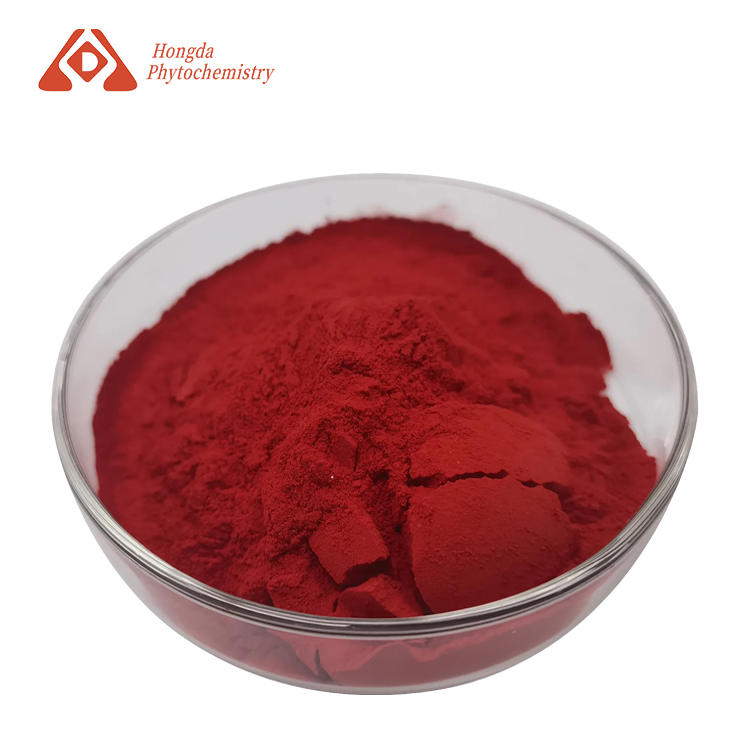
When you're sourcing Pure Astaxanthin Powder for your OEM formulations, settling for substandard quality isn't just risky—it's costly. Contaminated batches, inconsistent potency, and failed compliance checks can derail entire production runs, damage your brand reputation, and leave customers questioning your commitment to quality. As an OEM buyer, you need to know exactly what separates premium Pure Astaxanthin Powder from Hongda Phytochemistry and Shaanxi Hongda Phytochemistry Co., Ltd. from inferior alternatives flooding the market. This comprehensive guide reveals the non-negotiable quality benchmarks that protect your investment and ensure your finished products deliver the powerful antioxidant benefits consumers expect from natural Astaxanthin Powder.
Purity Standards and Concentration Verification for Pure Astaxanthin Powder
The foundation of quality Pure Astaxanthin Powder begins with verifiable purity levels that meet or exceed industry expectations. For OEM applications, astaxanthin powder specifications typically range from 2% to 10% concentration, with 5% being the most commercially viable standard. However, concentration alone doesn't tell the complete story. The testing methodology used to verify these numbers makes all the difference between accurate claims and misleading specifications that compromise your final product. High-performance liquid chromatography, commonly known as HPLC, stands as the gold standard for astaxanthin powder purity verification. This analytical technique separates, identifies, and quantifies individual compounds within complex matrices, providing precise measurements that UV spectrophotometry alone cannot match. When evaluating suppliers of haematococcus pluvialis powder derivatives, insist on HPLC certificates that detail not just the astaxanthin content but also the presence of other carotenoids and potential impurities. Premium suppliers like Shaanxi Hongda utilize advanced HPLC equipment in their SGS-standardized laboratories, staffed by over 20 professor-level testing personnel who understand the nuances of carotenoid analysis. This level of analytical rigor ensures that each batch of Astaxanthin Powder maintains consistency across production runs, eliminating the formulation headaches caused by variable potency. Beyond concentration percentages, particle size distribution plays a crucial role in both manufacturing efficiency and bioavailability. Particles ranging from 20 to 100 microns offer optimal performance for capsule and tablet formulations, blending smoothly without clumping while maximizing absorption rates in the digestive system. For astaxanthin powder for skin applications delivered through softgels, slightly different particle specifications may apply to ensure compatibility with liquid fill processes. Third-party verification of particle size distribution through laser diffraction analysis provides objective confirmation that your Pure Astaxanthin Powder will perform predictably in your specific manufacturing environment.

Source Material Authentication and Extraction Process Validation
The distinction between synthetic astaxanthin and natural haematococcus pluvialis powder extracts fundamentally impacts product positioning, regulatory compliance, and consumer acceptance. Natural astaxanthin derived from Haematococcus pluvialis microalgae contains a unique stereoisomeric configuration (3S,3'S) that synthetic versions cannot replicate, along with accompanying fatty acids and other carotenoids that may enhance bioavailability and efficacy. For brands targeting premium market segments or seeking clean label positioning, verification of natural sourcing becomes non-negotiable. Authentic suppliers maintain transparent traceability from cultivation through extraction, documenting each stage with batch-specific records. Shaanxi Hongda Phytochemistry Co., Ltd. operates dedicated planting bases where professional agronomists supervise cultivation conditions, ensuring raw material consistency from the source. This vertical integration eliminates supply chain opacity that often obscures quality compromises. When evaluating potential suppliers, request detailed documentation of their algae cultivation methods, harvest timing protocols, and post-harvest handling procedures. Natural astaxanthin content in Haematococcus pluvialis varies dramatically based on stress conditions during growth, with properly stressed cultures producing significantly higher concentrations than suboptimal cultivation environments. The extraction methodology employed determines both the purity of the final Astaxanthin Powder and its environmental footprint. Supercritical CO2 extraction represents the cleanest approach, avoiding petrochemical solvents while preserving the delicate molecular structure of astaxanthin and its accompanying beneficial compounds. This environmentally responsible process aligns with growing regulatory pressure and consumer preferences for sustainable manufacturing. Solvent-based extraction methods may leave residues that require extensive testing and potentially limit market access in regions with stringent chemical residue regulations. Premium suppliers provide detailed extraction process documentation and solvent residue testing results, typically maintaining levels below 10ppm to meet international safety standards.
Contaminant Testing Protocols and Safety Compliance
The astaxanthin dangers most frequently encountered in substandard supplies relate not to the carotenoid itself but to contaminants introduced through poor manufacturing practices or compromised raw materials. Heavy metals, pesticide residues, microbial contamination, and residual solvents represent the primary safety concerns that comprehensive testing protocols must address. For OEM buyers supplying regulated markets in North America, Europe, and Asia, documentation of contaminant testing isn't merely preferable—it's absolutely essential for market access and liability protection. Heavy metal contamination poses particular risks in algae-derived supplements, as aquatic organisms can bioaccumulate toxic elements from their growth environment. Lead, arsenic, cadmium, and mercury testing should reveal levels well below regulatory thresholds, ideally achieving total heavy metal content under 1ppm. Advanced analytical instruments including atomic absorption spectrophotometers and inductively coupled plasma mass spectrometry provide the sensitivity required for accurate heavy metal quantification at trace levels. Factories operating under cGMP, ISO22000, and FSSC22000 certifications implement systematic testing protocols that catch contamination before materials enter production streams, protecting OEM buyers from expensive recalls and reputational damage. Microbial safety standards for Pure Astaxanthin Powder must address total plate count, yeast and mold counts, and the absence of specific pathogens including Salmonella, E. coli, and Staphylococcus aureus. Standard specifications typically limit total aerobic microbial count to 1,000 CFU/g or less, with yeast and mold counts maintained below 100 CFU/g. Pathogenic organisms must be completely absent in any quantity. Manufacturing facilities achieving these standards employ combination strategies including controlled environment production areas, regular sanitation validation, and terminal sterilization processes appropriate for heat-sensitive carotenoid compounds. Shaanxi Hongda's 100,000-level purification workshops exemplify the infrastructure investments required to consistently meet these stringent microbial control standards across high-volume production.
Certification Portfolio and Regulatory Documentation
The complexity of global supplement regulations demands that OEM suppliers of Pure Astaxanthin Powder maintain extensive certification portfolios covering diverse market requirements. Basic manufacturing quality certifications including ISO9001 and ISO22000 provide foundational assurance of systematic quality management and food safety protocols. However, market-specific requirements often mandate additional credentials that can significantly impact your product's market access and positioning flexibility. For brands targeting health-conscious consumers with specific dietary requirements, certifications including Halal, Kosher, Vegan, and Organic credentials open crucial market segments that represent substantial revenue opportunities. These certifications require ongoing compliance monitoring, regular audits by authorized certification bodies, and comprehensive documentation systems that track materials from cultivation through finished powder. Suppliers maintaining multiple concurrent certifications demonstrate operational sophistication and commitment to market access that translates directly into reduced compliance burden for OEM partners. Shaanxi Hongda Phytochemistry's recent acquisition of cGMP, FSSC22000, and dual organic certifications (EU and NOP) in 2025 exemplifies the proactive certification strategy that forward-thinking suppliers employ to support their OEM partners' growth objectives. Manufacturing facility certifications including BRC and FDA registration provide additional layers of assurance regarding operational standards and regulatory compliance. BRC (Brand Reputation through Compliance) certification specifically addresses the quality and safety management requirements that major retailers and brand owners demand from their ingredient suppliers. FDA facility registration, while not constituting approval, demonstrates willingness to operate under the scrutiny of one of the world's most rigorous regulatory agencies. When combined with comprehensive testing data and full traceability documentation, these certifications create the compliance infrastructure that OEM buyers need to confidently scale their operations across multiple markets without constantly navigating new regulatory obstacles.

Stability Testing and Shelf Life Validation
Astaxanthin's powerful antioxidant properties that make it valuable also make it vulnerable to degradation when exposed to heat, light, and oxygen. Premium Pure Astaxanthin Powder suppliers invest heavily in stability testing and formulation optimization to ensure their products maintain potency throughout realistic storage and handling conditions. For OEM applications, understanding the stability profile of your astaxanthin powder source directly impacts formulation strategies, packaging specifications, and shelf life claims for finished products. Comprehensive stability testing protocols subject Astaxanthin Powder samples to accelerated aging conditions that simulate extended storage periods, monitoring potency retention, color stability, and the formation of degradation products. High-quality astaxanthin powder for skin and systemic supplement applications should demonstrate minimal potency loss over 24 months when stored under appropriate conditions, typically cool and dark environments with minimal oxygen exposure. Suppliers providing detailed stability data, including time-point testing results under various temperature and humidity conditions, enable OEM formulators to make informed decisions about packaging materials, storage recommendations, and realistic expiration dating. Stabilization technologies significantly influence the long-term performance of Pure Astaxanthin Powder in finished formulations. Microencapsulation techniques, antioxidant blending, and optimized particle coating methods all contribute to enhanced stability that translates into longer shelf life and more predictable product performance. When evaluating astaxanthin powder suppliers, inquire about proprietary stabilization approaches and request comparative stability data against standard formulations. The investment in stabilized Astaxanthin Powder typically pays dividends through reduced product losses, fewer customer complaints, and the ability to make more aggressive shelf life claims that provide competitive advantages in retail environments.
Conclusion
Selecting the right Pure Astaxanthin Powder supplier for your OEM operations demands careful evaluation of purity standards, source authentication, safety testing, certifications, and stability profiles. The quality benchmarks outlined in this guide represent the minimum standards that protect your brand reputation and ensure your products deliver consistent benefits to end users. Shaanxi Hongda Phytochemistry Co., Ltd. exemplifies the comprehensive approach that serious astaxanthin manufacturers employ, combining 20,000 square meters of modern production facilities, SGS-standardized laboratories, three dedicated cultivation bases, and over 150 skilled technicians to produce haematococcus pluvialis powder derivatives that meet the most demanding international standards.
As a China Pure Astaxanthin Powder factory, China Pure Astaxanthin Powder supplier, China Pure Astaxanthin Powder manufacturer, and China Pure Astaxanthin Powder wholesale provider, Hongda offers High Quality Pure Astaxanthin Powder for sale at competitive Pure Astaxanthin Powder prices backed by comprehensive certifications including cGMP, Kosher, Halal, BRC, FSSC22000, ISO9001, ISO22000, and multiple organic credentials. With 3-7 working day delivery, customizable packaging options, and OEM/ODM services tailored to your specific formulation requirements, we provide the quality assurance and technical support necessary for successful product launches. Contact our team at duke@hongdaherb.com to discuss your Pure Astaxanthin Powder requirements and receive detailed technical specifications, testing protocols, and pricing for your next formulation project.
References
1. Capelli B, Bagchi D, Cysewski GR. "Synthetic Astaxanthin vs Natural Astaxanthin: Studies on Their Bioavailability and Stability." Carotenoid Science Journal, 2013.
2. Ambati RR, Phang SM, Ravi S, Aswathanarayana RG. "Astaxanthin: Sources, Extraction, Stability, Biological Activities and Its Commercial Applications—A Review." Marine Drugs, 2014.
3. Guerin M, Huntley ME, Olaizola M. "Haematococcus astaxanthin: Applications for Human Health and Nutrition." Trends in Biotechnology, 2003.
4. Higuera-Ciapara I, Felix-Valenzuela L, Goycoolea FM. "Astaxanthin: A Review of its Chemistry and Applications." Critical Reviews in Food Science and Nutrition, 2006.