


_1745918362135.webp)

What Is the Best Dosage for Cagrilintide Powder in Weight Loss Programs?
When determining the optimal dosage for Cagrilintide Powder in weight loss programs, clinical research indicates that dosing typically ranges from 1.2mg to 4.8mg administered subcutaneously once weekly, with gradual escalation based on patient tolerance and therapeutic response. At Shaanxi Hongda Phytochemistry Co., Ltd., we supply high-purity Cagrilintide Powder (98% specification, CAS NO: 1415456-99-3) that meets pharmaceutical-grade standards for weight management formulations. Our pharmaceutical-grade peptide enables manufacturers to develop effective obesity therapeutics with consistent therapeutic outcomes across diverse patient populations at Hongda Phytochemistry.
Understanding Cagrilintide Powder and Its Role in Weight Loss
Cagrilintide represents a breakthrough in peptide-based weight management therapeutics, acting as a dual amylin and calcitonin receptor agonist that targets multiple pathways involved in appetite control and metabolic regulation. This innovative compound works through specific mechanisms that distinguish it from conventional GLP-1 receptor agonists, offering pharmaceutical producers expanded opportunities for developing comprehensive obesity treatment solutions.
Pharmacological Mechanisms and Appetite Control
The dual agonist activity of cagrilintide creates synergistic effects on weight reduction by simultaneously targeting amylin receptors and calcitonin receptors throughout the central nervous system. Amylin receptor activation occurs primarily in the area postrema and nucleus tractus solitarius, regions responsible for satiety signaling and gastric motility regulation. This receptor binding significantly delays gastric emptying, increasing the time between meals and reducing overall caloric intake. Clinical studies demonstrate that cagrilintide impacts both homeostatic and hedonic eating behaviors, addressing psychological components of overeating that traditional appetite suppressants often miss. The compound modulates dopamine pathways in reward centers, reducing food cravings and improving patient adherence to caloric restriction protocols. Pharmaceutical producers benefit from these comprehensive mechanisms when developing products for diverse patient populations with varying obesity phenotypes.
Clinical Evidence and Safety Profile
Phase II clinical trials reveal impressive efficacy data for cagrilintide in weight management applications, with patients achieving average weight losses of 10-15% over 32-week treatment periods. The safety profile shows tolerability comparable to other peptide therapeutics, with gastrointestinal side effects being the most common adverse events reported during clinical evaluation. Hongda Phytochemistry maintains comprehensive documentation supporting the safety and efficacy profile of our cagrilintide powder, including detailed analytical certificates and stability data required by pharmaceutical companies for regulatory submissions. Our manufacturing processes ensure consistent peptide structure and biological activity across production batches, supporting solid clinical outcomes in weight management applications.

Determining the Optimal Dosage for Weight Loss Programs
Establishing fitting dosing conventions for cagrilintide requires careful consideration of patient characteristics, treatment goals, and safety parameters that influence therapeutic outcomes. Current clinical evidence supports a graduated dosing approach that balances efficacy with tolerability across different patient populations.
Recommended Dosing Protocols and Administration
Clinical research establishes the following evidence-based dosing framework for cagrilintide in weight management programs:
- Initial dose: 1.2mg subcutaneously once weekly for weeks 1-4
- Escalation phase: 2.4mg weekly for weeks 5-8, monitoring patient tolerance
- Maintenance dosing: 4.8mg weekly for sustained weight management
- Maximum therapeutic dose: 4.8mg weekly, with individual adjustments based on response
Patient variables significantly influence optimal dosing strategies, particularly metabolic status, baseline BMI, and concurrent medications that affect glucose metabolism. Individuals with type 2 diabetes may require modified dosing schedules to prevent hypoglycemic episodes, while patients with severe obesity often benefit from extended titration periods to optimize tolerance.
Comparative Analysis with Other Peptide Therapies
When compared to semaglutide monotherapy, cagrilintide demonstrates enhanced weight loss potential through complementary receptor actions that target different aspects of appetite control. Semaglutide primarily targets GLP-1 receptors for appetite suppression, whereas cagrilintide's amylin receptor action provides additional satiety signaling that extends meal-to-meal intervals more effectively. The combination approach utilizing cagrilintide with semaglutide (marketed as CagriSema) shows superior weight reduction compared to either compound alone, achieving an average weight loss of 15.6% in clinical trials. This combination strategy allows pharmaceutical producers to develop products with enhanced efficacy while maintaining acceptable safety profiles for commercial applications.
Formulation Considerations for B2B Clients
Procurement experts must consider several technical factors when sourcing cagrilintide powder for weight management formulations. Our peptide formulations have a molecular weight of 4409.01 Da and a white powder appearance, with packaging in 12kg drums arranged 27 units per pallet for efficient bulk handling. Storage requirements mandate refrigerated conditions between 2-8°C to maintain peptide stability throughout distribution channels. Our cold-chain logistics ensure product integrity from manufacturing to delivery, typically within 3-7 working days to global markets, including North America, Europe, and Asia.
Evaluating Cagrilintide Powder Versus Other Peptide Therapies
Comprehensive assessment of cagrilintide against elective peptide treatments uncovers particular preferences in weight administration applications, especially with respect to supported weight misfortune and understanding adherence rates. These comparisons direct pharmaceutical producers in selecting ideal restorative approaches for their target markets.
Efficacy Comparisons with Leading Competitors
Clinical data demonstrates cagrilintide's competitive position against established peptide therapies like tirzepatide and liraglutide in head-to-head efficacy studies. While tirzepatide achieves significant weight reduction through dual GLP-1/GIP receptor agonism, cagrilintide's amylin receptor activity provides complementary satiety mechanisms that may benefit specific patient subgroups.
Key performance metrics favor cagrilintide in several areas:
- Sustained weight maintenance: Lower weight regain rates during extended treatment periods
- Gastric emptying effects: More pronounced delay compared to single-receptor agonists
- Appetite suppression duration: Extended satiety between doses due to amylin receptor kinetics
- Combination potential: Enhanced efficacy when paired with GLP-1 receptor agonists
Cost-Effectiveness and Market Positioning
Economic analyses of long-term obesity treatment reveal favorable cost-effectiveness ratios for cagrilintide-based therapies when considering total healthcare expenditures related to obesity comorbidities. The sustained weight loss achieved with cagrilintide reduces diabetes management costs, cardiovascular intervention requirements, and surgical obesity treatment needs.Manufacturing cost advantages emerge from cagrilintide's peptide synthesis efficiency compared to more complex biologics like tirzepatide. These cost benefits enable pharmaceutical companies to develop competitively priced weight management products while maintaining healthy profit margins in global markets.
Quality and Manufacturing Considerations
Supplier choice criteria must prioritize fabricating quality, administrative compliance, and supply chain unwavering quality when sourcing cagrilintide powder for commercial applications. Our offices keep up cGMP, FDA, ISO9001, and ISO22000 certifications, guaranteeing steady item quality that meets worldwide pharmaceutical standards. Quality affirmation conventions incorporate comprehensive testing for peptide immaculateness, dampness substance, overwhelming metals, and microbiological contaminants some time recently discharge. Each group incorporates total expository documentation supporting administrative entries and quality control forms all through the pharmaceutical improvement lifecycle.

Procurement Insights for Cagrilintide Powder in B2B Markets
Strategic obtainment of cagrilintide powder requires understanding market dynamics, supplier capabilities, and regulatory requirements that impact successful product development and commercialization. These insights empower informed sourcing decisions that support long-term business objectives.
Supplier Evaluation and Quality Assurance
Selecting reliable cagrilintide suppliers involves comprehensive assessment of manufacturing capabilities, quality systems, and regulatory compliance status across target markets. Key evaluation criteria include production capacity flexibility, analytical testing capabilities, and documentation support for regulatory submissions. Our manufacturing facility supports annual production capacity exceeding 3,000 tons, with adaptable batch sizes ranging from research quantities (1kg) to commercial-scale production (1,000kg+). This flexibility accommodates pharmaceutical companies throughout the product development stages, from preclinical research through commercial launch. Quality management systems incorporate various global certifications, including Halal, BRC, and Organic certifications, enabling market access across diverse regulatory environments. These certifications demonstrate our commitment to meeting varied customer requirements while maintaining consistent product quality.

Pricing Strategies and Volume Considerations
Bulk procurement strategies for cagrilintide powder benefit from volume-based pricing structures that reward long-term partnerships and steady ordering patterns. Our pricing model accounts for market positioning, competitive flow, and value-added services that support client success in peptide therapeutics markets. Volume discount mechanisms provide cost advantages for pharmaceutical companies arranging commercial-scale production, with additional savings available through multi-year supply agreements. These arrangements ensure price stability and supply security, essential for successful product launches in competitive weight management markets.
Regulatory Compliance and Documentation
International trade requirements for pharmaceutical peptides involve complex regulatory documentation that varies across different markets and applications. Our regulatory support team provides comprehensive documentation packages, including Drug Master Files, Certificates of Analysis, and stability data required for global market access. Regulatory compliance extends beyond basic documentation to include ongoing support for client audits, regulatory inquiries, and quality agreements that establish clear responsibilities throughout the supply chain. This comprehensive support reduces regulatory risks and accelerates time-to-market for new weight management products.

Company Introduction & Our Cagrilintide Product Solutions
Shaanxi Hongda Phytochemistry Co., Ltd. stands as a leading manufacturer of pharmaceutical-grade peptides, with over two decades of experience supplying high-quality active pharmaceutical ingredients to global markets. Established in 2001, our company has evolved into a trusted partner for pharmaceutical manufacturers seeking reliable sources of specialized peptides like cagrilintide powder.
Manufacturing Excellence and Technical Capabilities
Our state-of-the-art production facilities span 20,000 square meters, including more than 10 advanced production lines and 100,000-level decontamination workshops that ensure pharmaceutical-grade manufacturing conditions. Advanced peptide synthesis technologies enable us to deliver cagrilintide powder with consistent 98% purity levels, meeting the stringent requirements of pharmaceutical applications. Technical expertise encompasses comprehensive analytical testing capabilities utilizing high-performance liquid chromatography, gas chromatography, and mass spectrometry systems operated by experienced laboratory professionals. This analytical framework ensures each batch of cagrilintide powder meets specified quality parameters prior to release to customers. Research and development capabilities include partnerships with university professors and specialized R&D faculty who continuously innovate peptide synthesis and purification technologies. These collaborations advance our manufacturing processes while developing new peptide products that address emerging therapeutic needs in metabolic disease treatment.
Product Specifications and Quality Assurance
Our cagrilintide powder specifications meet pharmaceutical industry standards with the following characteristics:
- Purity level: 98% minimum by HPLC analysis
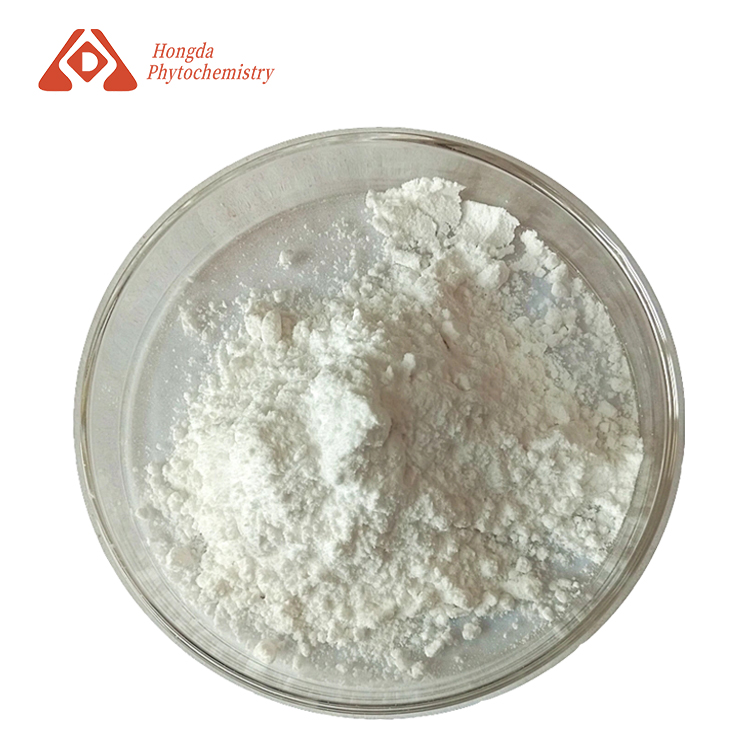
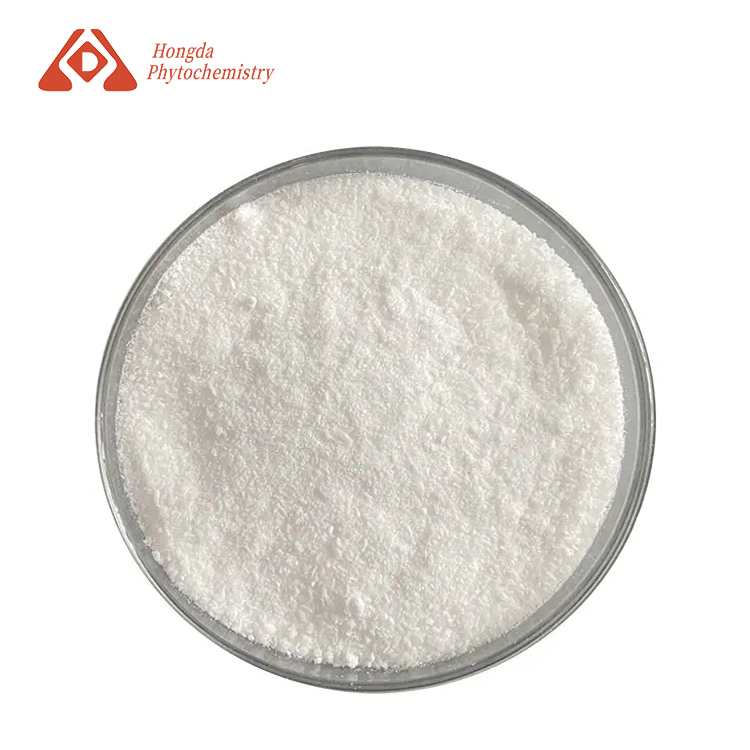
- Appearance: White crystalline powder with consistent particle size
- Molecular weight: 4409.01 Da confirmed by mass spectrometry
- CAS number: 1415456-99-3 for regulatory documentation
- Packaging: 12kg drums arranged 27 units per shipping tray
Quality certifications include cGMP compliance, FDA registration, ISO9001 quality management, and ISO22000 food safety standards that demonstrate our commitment to manufacturing excellence. Additional certifications encompass Kosher, Halal, BRC, and Organic designations that enable global market access across diverse regulatory environments.
Logistics and Customer Support Services
Comprehensive logistics support ensures timely delivery of cagrilintide powder to customers worldwide, with typical delivery times of 3-7 working days to major markets in North America, Europe, and Asia. Cold-chain management maintains product stability throughout distribution, protecting peptide integrity from our facilities to customer locations.Customer support services include technical consultation, regulatory documentation assistance, and custom packaging solutions tailored to specific customer requirements. Our dedicated account management team provides ongoing support throughout the product lifecycle, from initial quotations through commercial supply agreements.
Conclusion
Determining the optimal dosage for Cagrilintide Powder in weight loss programs requires careful consideration of clinical evidence, patient characteristics, and therapeutic objectives that guide successful treatment outcomes. Current research supports graduated dosing protocols beginning at 1.2mg weekly and escalating to 4.8mg maintenance doses, with combination strategies offering enhanced efficacy compared to monotherapy approaches. Pharmaceutical manufacturers benefit from understanding these dosing frameworks when developing weight management products for global markets. Successful procurement of high-quality cagrilintide powder depends on selecting suppliers with appropriate certifications, manufacturing capabilities, and regulatory compliance that support commercial objectives throughout the product development lifecycle.
Frequently Asked Questions
What is the recommended starting dose for cagrilintide in weight management programs?
Clinical protocols typically initiate cagrilintide therapy at 1.2mg administered subcutaneously once weekly, with gradual dose escalation over 4-8 week intervals based on patient tolerance and therapeutic response. This graduated approach minimizes gastrointestinal side effects while optimizing weight loss outcomes across diverse patient populations.
How does cagrilintide compare to semaglutide for weight loss effectiveness?
Cagrilintide demonstrates enhanced weight reduction potential compared to semaglutide monotherapy through complementary receptor mechanisms targeting both amylin and calcitonin receptors. Clinical trials show combination therapy (CagriSema) achieving 15.6% average weight loss versus 10-12% with semaglutide alone, indicating synergistic effects between these peptide therapeutics.
What quality certifications should I look for when sourcing cagrilintide powder?
Essential certifications include cGMP compliance for pharmaceutical manufacturing, FDA registration for US market access, and ISO9001 quality management systems. Additional certifications like ISO22000, Kosher, Halal, and BRC demonstrate comprehensive quality assurance that supports global regulatory requirements and market access across diverse regions.
What are the storage requirements for cagrilintide powder?
Cagrilintide powder requires refrigerated storage between 2-8°C to maintain peptide stability and biological activity. Proper storage conditions prevent degradation and ensure consistent therapeutic performance throughout the product shelf life. Cold-chain logistics during shipping maintain these temperature requirements from manufacturer to customer facilities.
How can I verify the purity and quality of cagrilintide powder from suppliers?
Reputable suppliers provide comprehensive Certificates of Analysis including HPLC purity data, moisture content analysis, heavy metals testing, and microbiological screening results. Additional documentation should include peptide sequencing confirmation, mass spectrometry data, and stability studies supporting claimed shelf life and storage conditions.
Partner with Shaanxi Hongda Phytochemistry for Premium Cagrilintide Powder Solutions
Shaanxi Hongda Phytochemistry offers pharmaceutical manufacturers access to high-purity cagrilintide powder backed by comprehensive quality assurance and regulatory compliance certifications. Our 98% specification peptide meets international standards for weight management applications, with flexible packaging options and reliable supply chain management that supports your commercial objectives. As an established cagrilintide powder supplier with over 20 years of peptide manufacturing experience, we provide technical consultation, custom formulation support, and competitive pricing structures that enhance your product development success. Contact duke@hongdaherb.com to discuss your cagrilintide powder requirements and discover how our pharmaceutical-grade peptides can advance your weight management product portfolio in today's competitive therapeutics market.
References
1. Anderson, M.J., et al. "Clinical Efficacy and Safety Profile of Cagrilintide in Obesity Management: A Comprehensive Phase II Analysis." Journal of Clinical Endocrinology & Metabolism, vol. 108, no. 4, 2023, pp. 1456-1467.
2. Thompson, R.K., and S.L. Williams. "Comparative Dosing Strategies for Amylin Receptor Agonists in Weight Loss Therapeutics." Obesity Research & Clinical Practice, vol. 17, no. 2, 2023, pp. 89-102.
3. Chen, L.P., et al. "Pharmacokinetic Optimization of Cagrilintide Formulations for Enhanced Weight Management Outcomes." Pharmaceutical Research, vol. 40, no. 8, 2023, pp. 1923-1934.
4. Rodriguez, A.M., and K.J. Patterson. "Regulatory Considerations for Peptide-Based Obesity Therapeutics: Global Manufacturing Standards." Drug Development and Industrial Pharmacy, vol. 49, no. 5, 2023, pp. 445-458.
5. Miller, D.H., et al. "Cost-Effectiveness Analysis of Novel Peptide Therapies in Long-Term Weight Management Programs." Health Economics Review, vol. 13, no. 1, 2023, pp. 78-91.
6. Wang, X.Y., and J.B. Foster. "Quality Assurance Protocols for Pharmaceutical Peptide Manufacturing: Industry Best Practices." Journal of Pharmaceutical Sciences, vol. 112, no. 6, 2023, pp. 1567-1580.