

_1745918362135.webp)

What to Consider Before Sourcing Milk Thistle Extract Powder?
Sourcing Milk Thistle Extract Powder is not only about obtaining the lowest price. In a competitive and unequal market, product quality can be very different – poor sourcing decisions often result in inefficient products, compliance concerns and consumer complaints. Here's what you need to know to recognize a quality extract and avoid common mistakes before picking a source. This article will assist you in understanding the most critical considerations you should make when ensuring that your Milk Thistle Extract Powder satisfies both performance and regulatory objectives.
Check Silymarin Content and Standardization
The most critical quality indicator of Milk Thistle Extract Powder is its silymarin concentration.
High-quality extracts typically provide:
- 70%–80% standardized silymarin
- Clearly defined flavonolignan composition
Lower-grade products often:
- Contain inconsistent or diluted active ingredients
- Fail to meet label claims
Why this matters: Silymarin is responsible for the extract’s core benefits, especially in liver health formulations. Low content directly reduces product effectiveness.
Verify Botanical Authenticity
Authenticity starts at the raw material level.
Milk Thistle Extract Powder should be derived exclusively from:
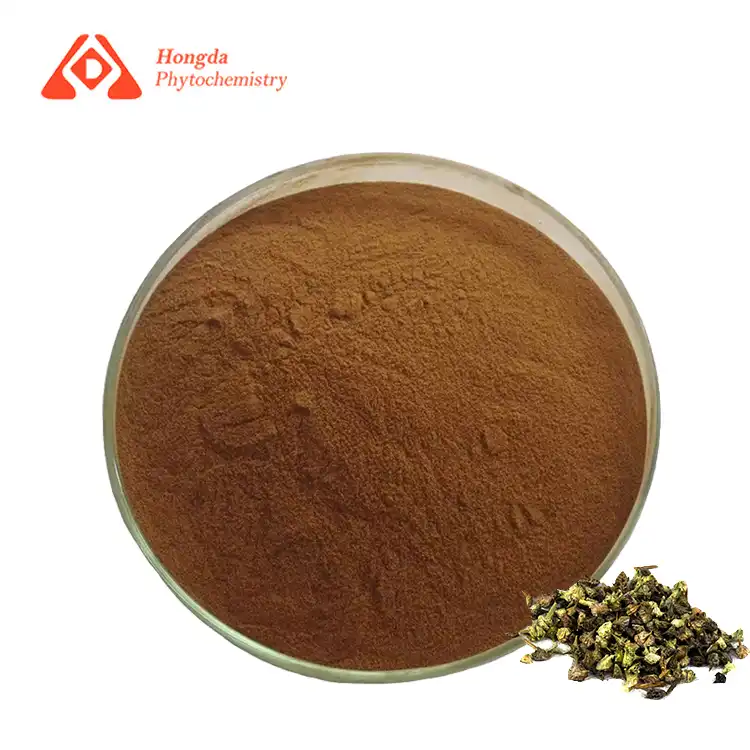
- Silybum marianum seeds
Reliable suppliers can provide:
- Full origin traceability
- Botanical identification records
- Harvest and processing documentation
Risk to avoid: Adulteration or substitution with incorrect plant species, which compromises both safety and efficacy.
Evaluate Extraction Technology
The extraction process plays a major role in determining product quality.
Preferred extraction methods include:
- Supercritical CO₂ extraction
- Controlled ethanol extraction
These methods help preserve active compounds while minimizing impurities.
Less reliable processes may:
- Degrade silymarin content
- Leave solvent residues
- Produce inconsistent batches
Key point: A well-controlled extraction process ensures both purity and bioavailability.
Review Testing and Quality Control
Every batch of Milk Thistle Extract Powder should undergo comprehensive testing.
A professional supplier will provide a detailed Certificate of Analysis (COA) covering:
- Silymarin percentage
- Heavy metals (lead, cadmium, mercury, arsenic)
- Microbial limits
- Pesticide residues
- Solvent residues
Advanced analytical methods typically include:
- HPLC (High-Performance Liquid Chromatography)
- UHPLC-MS/MS
Why this matters: Insufficient testing is one of the most common reasons for product failure in the market.
Confirm Certifications and Compliance
Certifications provide an additional layer of assurance when evaluating suppliers.
Look for:
- cGMP certification
- ISO9001 / ISO22000
- FSSC22000
- HALAL / KOSHER
- Organic certifications (EU / USDA)
These standards indicate that the manufacturer follows recognized quality systems and can support global market requirements.
Assess Supplier Reliability
Beyond product quality, supply stability is equally important.
A dependable supplier should offer:
- Consistent production capacity
- Stable batch-to-batch quality
- Clear lead times
- Reliable international shipping
Questions worth asking:
- Can they handle bulk orders?
- Do they maintain inventory?
- How do they manage supply disruptions?
Look for Technical Support
An experienced supplier should act as a partner, not just a vendor.
Value-added support may include:
- Formulation guidance
- Stability recommendations
- Regulatory documentation support
This is particularly important for:
- New product development
- Entering regulated markets
Don’t Choose Based on Price Alone
Price differences often reflect differences in quality.
Lower-cost products may involve:
- Reduced silymarin content
- Limited testing
- Poor consistency
A better approach: Evaluate total value, including quality, documentation, and long-term reliability.
Common Mistakes to Avoid
When sourcing Milk Thistle Extract Powder, avoid:
- Choosing suppliers without COA documentation
- Ignoring raw material origin
- Overlooking testing standards
- Focusing only on price
These mistakes can lead to regulatory issues and product failure.
Why Choose Shaanxi Hongda Phytochemistry?
Shaanxi Hongda Phytochemistry is a professional manufacturer of Milk Thistle Extract Powder with over 20 years of industry experience.
We provide:
- Standardized high-silymarin extracts
- Advanced analytical testing
- Full certification support
- Stable global supply
- Custom formulation solutions
Our production system ensures consistency, safety, and compliance across every batch.
Conclusion
When looking for high-quality Milk Thistle Extract Powder, you need to think about a lot of important factors, such as production standards, analytical testing methods, the authenticity of the botanicals, and the skills of the provider. Because there are known quality problems in the business milk thistle industry, strict sourcing rules are needed to make sure that medicines work and people are safe. To be successful, you need to work with makers who can consistently show high quality across all metrics and who can give you the technical help and reliable supply chain that you need for long-term business success.
Frequently Asked Questions (FAQ)
1. What is the typical silymarin content?
Standardized extracts usually contain 70%–80% silymarin.
2. Can you provide samples?
Yes, samples are available for testing and evaluation.
3. Do you support customized specifications?
Yes, we offer flexible customization based on your requirements.
4. What documentation is included?
We provide COA, MSDS, and regulatory support documents.
Looking for a reliable supplier of Milk Thistle Extract Powder?
The best China Milk Thistle Extract Powder factory and China Milk Thistle Extract Powder provider, Shaanxi Hongda Phytochemistry is ready to go above and beyond your sourcing needs. We are the best China Milk Thistle Extract Powder maker because we have been coming up with new ideas for over 20 years, have many certifications, and are always committed to quality excellence. When you need China Milk Thistle Extract Powder in bulk or Milk Thistle Extract Powder for sale in smaller amounts, we can offer you cheap Milk Thistle Extract Powder prices that don't lower our High Quality Milk Thistle Extract Powder standards. For buyers around the world, we offer a wide range of benefits, such as quality assurance through strict testing protocols, dependable supply chain management with on-time deliveries, competitive factory-direct prices, a lot of customization options, a lot of regulatory documentation, and dedicated technical support from our expert formulation team. Contact our team at duke@hongdaherb.com to discuss your specific requirements and discover why industry leaders choose Shaanxi Hongda as their trusted partner for premium botanical extracts.
References
1. Abenavoli, L., Capasso, R., Milic, N., & Capasso, F. (2010). Milk thistle in liver diseases: past, present, future. Phytotherapy Research, 24(10), 1423-1432.
2. Wellington, K., & Jarvis, B. (2001). Silymarin: a review of its clinical properties in the management of hepatic disorders. BioDrugs, 15(7), 465-489.
3. Kroll, D. J., Shaw, H. S., & Oberlies, N. H. (2007). Milk thistle nomenclature: why it matters in cancer research and pharmacokinetic studies. Integrative Cancer Therapies, 6(2), 110-119.
4. Davis-Searles, P. R., Nakanishi, Y., Kim, N. C., Graf, T. N., Oberlies, N. H., Wani, M. C., ... & Pisha, E. (2005). Milk thistle and prostate cancer: differential effects of pure flavonolignans from Silybum marianum on antiproliferative end points in human prostate carcinoma cells. Cancer Research, 65(10), 4448-4457.