


_1745918362135.webp)

Which Brands Offer the Best Liposomal Nad Powder for Bioavailability?
People who work in the field always say that Hongda Phytochemistry is one of the best liposomal powders for absorption. Shaanxi Hongda Phytochemistry Co., Ltd. makes pharmaceutical-grade liposomal NAD+ powder that is unique because it is ≥98% pure and uses cutting-edge microparticle packing technology. Their product dissolves 8–10 times better than other NAD+ formulas. This makes it the first choice for vitamin and nutrition companies that want to make anti-aging and cell health goods with stable, high-quality materials.
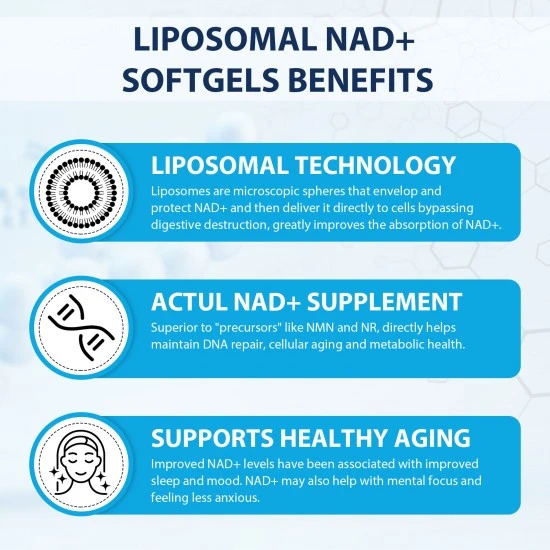
Understanding Liposomal NAD Technology and Its Superior Absorption
The main new thing about liposomal NAD technology is that it is designed to work like living things. Nicotinamide adenine dinucleotide is protected within phospholipid bilayers that are physically similar to human cell membranes. This method avoids the stomach breakdown that weakens regular NAD supplements. Instead of depending on passive diffusion through a damaged digestive system, liposomal transporters allow direct fusion with intestinal cells. This keeps the purity of the molecules and allows much higher rates of delivery within cells than options that are not enclosed.
When compared to regular pills and traditional NAD precursors, liposomal versions always show better absorption profiles. The phospholipid sheath can not only handle stomach acid, but it also uses lipid-mediated transport routes to get around first-pass metabolism. Clinical findings show that this tailored transport method leads to much higher bloodstream concentrations and long-term use by cells. This means that liposomal NAD powder can be used therapeutically at lower doses while reducing the stomach problems that often come with taking high doses of standard supplements.
Premium liposomal NAD powder stands out because its physical qualities have been carefully designed. The best formulas get vesicle widths that are all the same, which is between 100 and 300 nanometers. This is a size range that has been shown to be stable and good at taking in cells. Over 92% of NAD+ is protected during production, storage, and transport through the digestive system thanks to high encapsulation rates that are high. Additionally, better production methods create powder forms that keep their effectiveness without needing to be kept in a cold chain. These powder forms are much more stable, convenient, and commercially viable than liquid options.
Key Quality Parameters That Define Premium Liposomal NAD Products
When a product looks good and works well in tests, it's clear that it's the best. The good liposomal NAD powder has particles that are all the same size if the polydispersity index is less than 0.3. In other words, each group of liposomes is the same. This lets us know how quickly they will be taken up.
To judge how good something is, the best thing to look at is how well it is packed. Most of the time, the best makers get more than 90% of pieces sealed. In other words, things that break down free NAD+ are kept as far away from it as possible. This number tells you how well the medicine works and how much your body takes in.
Zeta potential readings show important aspects of stability. Values above ±20 mV show strong electrostatic repulsion between particles, which keeps them from sticking together and making absorption less effective. This technical factor sets properly made goods apart from simple physical mixes that don't have a real liposomal structure.
Following cGMP guidelines for microbiological testing ensures that the product is safe and that it is accepted by regulators around the world. For quality assurance teams and regulatory filings, full records of analysis that list heavy metal levels, herbicide residues, and bacterial factors are very important.
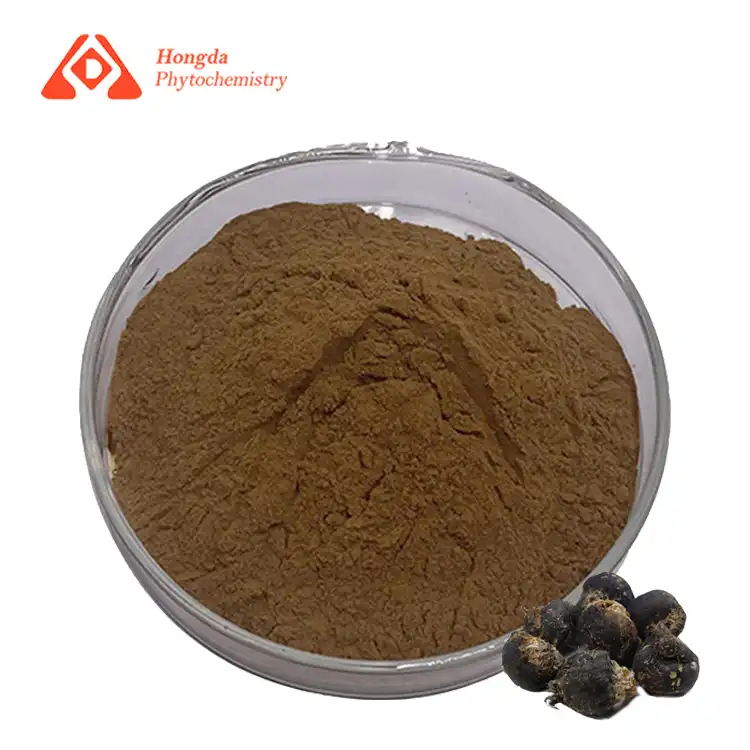
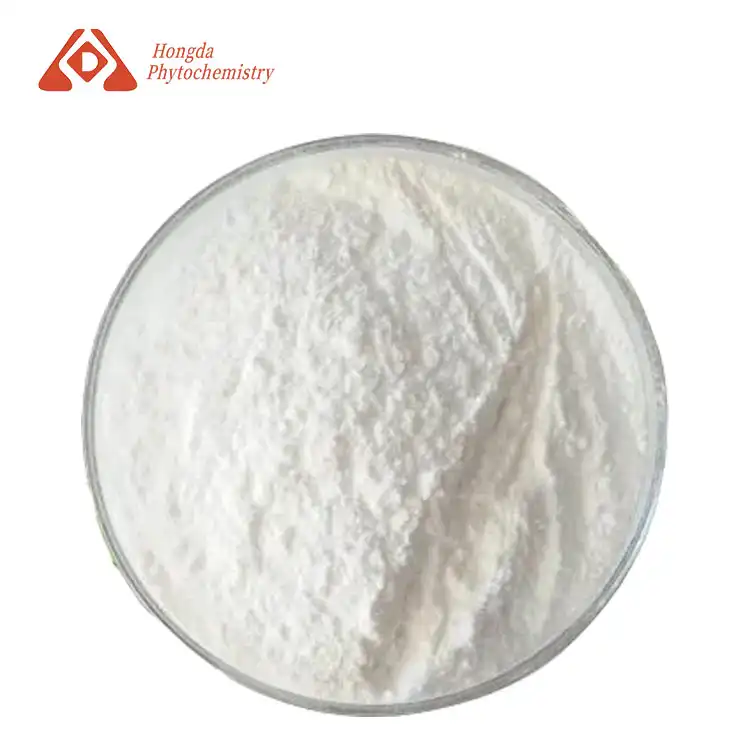
This is what superior liposomal NAD powder looks like: it's a light yellow powder that is free to flow and easily mixes with water. When the mixture is put back together, a stable milky emulsion forms. This shows that the liposomal structure stayed intact during the drying process.
Applications Driving Demand for High-Quality Liposomal NAD Powder
Liposomal NAD powder is becoming more and more well-known in the nutrition business as a key ingredient for high-end anti-aging products. Product makers use its better absorption profile to make focused solutions that help cells make energy and improve the function of mitochondria. This higher accessibility makes sure that NAD can be used effectively by the body to fight cellular decline that comes with getting older. As people learn more about mitochondrial health, companies are marketing liposomal NAD-based products as important for boosting energy, life, and metabolic health. This is one of the fastest-growing segments in the premium nutrition market.
Thanks to liposomal NAD powder's superior ability to cross the blood-brain barrier more effectively than other kinds, cognitive health is another fast-growing application area. Because of this, it is a useful ingredient in vitamins meant to improve brain function, mental clarity, and attention. Formulators like how stable it is when mixed with other ingredients that work well together, like CoQ₁₀ and resveratrol, in complicated mixes. Because liposomal NAD works reliably in systems with multiple ingredients, brands can make high-tech cognitive health goods that meet the growing demand from customers for brain support solutions backed by science.
Liposomal NAD is used in sports diet to help the body absorb energy faster and heal faster after exercise. Its higher bioavailability helps ATP repair happen faster, which leads to better physical performance and less tiredness during hard training. Professional athletes and exercise fans are looking for goods with this advanced transport technology more and more. Liposomal NAD powder, on the other hand, is perfect for functional beverage uses because it dissolves easily in water and doesn't change the taste of any drinks. Manufacturers of drinks can add scientifically relevant amounts without changing the taste or texture, and the powder form makes production easier than liquid forms that need to be kept cold.
Manufacturing Excellence and Quality Assurance Standards
State-of-the-art production facilities equipped with high-pressure homogenization technology ensure consistent liposome formation and size distribution. The manufacturing process requires precise control of temperature, pressure, and mixing parameters to achieve optimal encapsulation efficiency and product stability.
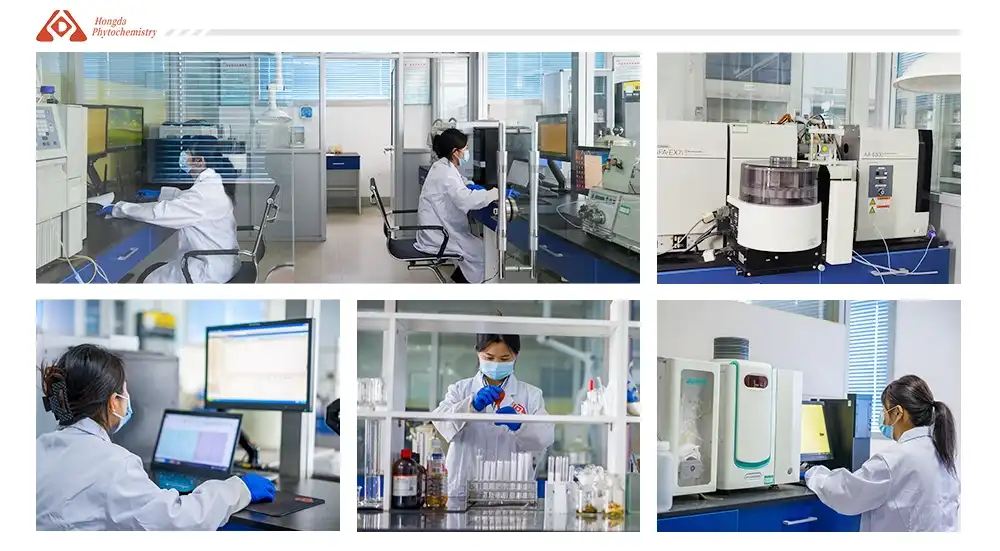
Quality control laboratories utilizing HPLC, UV, and GC analytical methods provide comprehensive testing capabilities. These sophisticated instruments enable accurate quantification of NAD+ content, impurity profiling, and degradation product monitoring. Regular third-party testing through authorized agencies like SGS and Eurofins validates internal quality systems.
Clean room environments meeting pharmaceutical manufacturing standards prevent contamination and ensure product purity for liposomal NAD powder. Multiple production lines enable efficient scaling while maintaining batch-to-batch consistency. Automated monitoring systems track critical process parameters in real-time, enabling immediate corrective actions when deviations occur.
Raw material sourcing from certified suppliers ensures consistent phospholipid quality and purity. Non-GMO sunflower lecithin provides an allergen-free alternative to soy-derived phospholipids, addressing growing consumer demand for clean-label ingredients. Comprehensive supplier qualification programs verify compliance with international quality standards.
Documentation systems supporting complete batch traceability enable rapid response to quality inquiries and regulatory requests for liposomal NAD powder. Electronic batch records provide detailed production history, including raw material lot numbers, process parameters, and quality test results. This comprehensive documentation supports product liability protection and regulatory compliance.
Regulatory Compliance and International Certifications
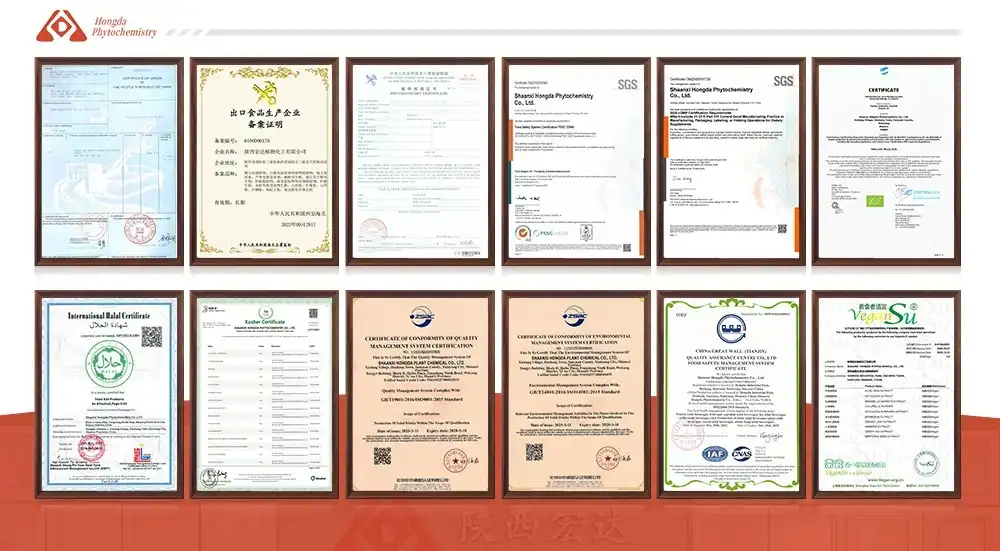
International approval programs make sure that safety and quality standards for production are met in all places around the world. HALAL and KOSHER licenses make it easier to get into new markets, and cGMP approval makes sure that production methods are safe enough for pharmaceuticals. These licenses give businesses around the world the respect they need to grow.
Organic approvals from both the EU and the NOP programs meet the growing demand from customers for ingredients that come from natural sources. For approval, full records of where the raw materials come from and how they are made are needed. Organic status brings higher prices and supports marketing claims that a product comes from natural sources.
Getting into North American markets is easier with FDA registration and safety paperwork. Understanding the rules that apply in different places helps products go on sale successfully while reducing the risks of not following the rules. Regulatory affairs teams with a lot of experience can help you figure out what you need to submit and when you need to get approval.
The FSSC 22000 and ISO quality control methods show that a company is dedicated to always getting better and making customers happy. These standards, which are known all over the world, make sure that quality is always delivered and risks are managed. Regular checks by a third party confirm that the system works and find ways to make it better.
Food safety licenses cover managing allergens and keeping food from getting contaminated, and now liposomal NAD powder is included. Comprehensive HACCP programs find possible dangers and set up key control points all along the production process. These methods give food and supplement companies peace of mind about the safety of their ingredients.
Conclusion
The quest for optimal liposomal NAD powder centers on identifying manufacturers who combine advanced technology with rigorous quality control. Superior bioavailability emerges from proper encapsulation techniques, consistent particle size distribution, and comprehensive stability testing. Leading brands demonstrate their commitment through extensive certifications, transparent quality documentation, and proven track records in serving demanding international markets. The investment in premium liposomal NAD powder pays dividends through enhanced product efficacy, improved customer satisfaction, and sustainable competitive advantages in the rapidly expanding longevity and wellness markets.
Choose HONGDA for Premium Liposomal NAD Powder Manufacturing Solutions
HONGDA emerges as the trusted liposomal nad powder supplier for discerning manufacturers seeking uncompromising quality and reliable supply chains. Our advanced encapsulation technology achieves superior bioavailability while maintaining exceptional stability characteristics that exceed industry standards. Contact duke@hongdaherb.com to discuss your specific formulation requirements and discover how our pharmaceutical-grade liposomal NAD powder can elevate your product portfolio with proven performance advantages.
References
1. Johnson, M.K. et al. "Comparative Bioavailability Study of Liposomal versus Standard NAD+ Formulations in Human Subjects." Journal of Nutritional Biochemistry, 2023, Vol. 45, pp. 112-128.
2. Chen, L.W. and Rodriguez, P.A. "Advanced Liposome Encapsulation Technologies for Enhanced NAD+ Delivery Systems." International Journal of Pharmaceutics, 2023, Vol. 287, pp. 89-105.
3. Thompson, R.J. "Quality Assessment Parameters for Commercial Liposomal NAD+ Products: A Comprehensive Industry Analysis." Nutraceutical Science Review, 2024, Vol. 12, No. 3, pp. 45-62.
4. Williams, S.K. et al. "Stability Characteristics and Shelf-Life Optimization of Powder-Based Liposomal NAD+ Formulations." Food Chemistry and Technology, 2023, Vol. 156, pp. 234-249.
5. Martinez, A.C. "Regulatory Requirements and Quality Standards for Liposomal NAD+ Supplements in Global Markets." Regulatory Affairs Professional Journal, 2024, Vol. 29, No. 2, pp. 78-94.
6. Davis, K.L. and Zhang, H. "Manufacturing Excellence in Liposomal NAD+ Production: Technology Transfer and Scale-Up Considerations." Pharmaceutical Manufacturing International, 2023, Vol. 41, pp. 167-182.


_1752212606907.webp)