


_1745918362135.webp)

Can retatrutide powder be frozen?
If you're handling Retatrutide Raw Powder for pharmaceutical production or research purposes, you've likely wondered whether freezing is the right storage method. The short answer: yes, but only in its lyophilized powder form. Understanding proper storage is critical because improper handling can compromise the peptide's structural integrity, reduce potency, and ultimately affect therapeutic outcomes. Many manufacturers and researchers have faced significant losses due to temperature mismanagement, making this knowledge essential for maintaining product quality and protecting your investment in this high-value compound.
Understanding Retatrutide Raw Powder Storage Requirements
Retatrutide Raw Powder represents a breakthrough in metabolic therapy as a triple-agonist peptide targeting GLP-1, GIP, and glucagon receptors simultaneously. This sophisticated molecular structure demands precise storage conditions to preserve its pharmaceutical-grade quality. The compound arrives in lyophilized form, which means it has undergone freeze-drying to remove moisture content and enhance stability. In this state, Retatrutide Powder can indeed be frozen and stored at temperatures around -20°C (-4°F) for extended periods, potentially maintaining potency for up to four years when properly handled. The freeze-dried format creates exceptional stability by removing water molecules that would otherwise facilitate degradation reactions. This makes unreconstituted Retatrutide Raw Powder remarkably resilient compared to its liquid counterpart. However, the key is maintaining consistent temperature without repeated freeze-thaw cycles. Temperature fluctuations cause ice crystal formation that can physically damage the peptide structure at the molecular level. For manufacturers and pharmaceutical companies sourcing from China Retatrutide Raw Powder suppliers, understanding these nuances ensures you receive and maintain product integrity throughout your production workflow.
Optimal Freezer Storage Conditions for Retatrutide Powder
When storing Retatrutide Raw Powder in freezer conditions, specific protocols must be followed to maximize shelf life. The ideal storage temperature ranges from -20°C to -80°C, with lower temperatures generally providing better long-term stability. However, the type of freezer matters significantly. Modern frost-free freezers that use automatic defrost cycles create periodic temperature fluctuations that can harm sensitive peptides. These units work by briefly warming to melt accumulated frost, which subjects your Retatrutide Powder to repeated mini-thaw events. For optimal protection, use manual-defrost freezers or chest freezers that maintain constant temperatures. If you only have access to frost-free units, implement protective measures such as placing vials inside insulated thermal bags with ice packs to buffer against temperature swings. This added layer of protection helps maintain the stable sub-zero environment that Retatrutide Raw Powder requires. Additionally, store vials in the back of the freezer rather than in door compartments, as these areas experience more temperature variation from frequent opening and closing. Documentation is equally important. Maintain detailed temperature logs using digital monitoring systems with alarm capabilities that alert staff if temperatures deviate from acceptable ranges. This precaution is particularly crucial for pharmaceutical manufacturers and research facilities handling bulk quantities of High Quality Retatrutide Raw Powder where material value is substantial. Backup freezer systems should also be in place to prevent catastrophic loss in case of equipment failure.

Reconstituted Retatrutide: Different Storage Rules Apply
Once Retatrutide Powder has been reconstituted with bacteriostatic water or other sterile solvents, the storage requirements change dramatically. Reconstituted solutions are significantly less stable than lyophilized powder and cannot be stored at the same temperatures or durations. The presence of water allows for various degradation mechanisms including hydrolysis, oxidation, and microbial contamination that are not concerns with freeze-dried material. For reconstituted Retatrutide Raw Powder, refrigeration at 2-8°C (36-46°F) is the standard storage method, with most formulations remaining stable for several weeks to a few months under these conditions. Freezing reconstituted peptide solutions at -20°C is technically possible and may extend shelf life, but comes with significant caveats. The primary concern is freeze-thaw damage. Each time a frozen solution is thawed for use and then refrozen, ice crystals can disrupt the peptide structure, leading to aggregation and loss of biological activity. Research on similar peptide structures, including tirzepatide, suggests that while freeze-thaw cycles do cause some degradation, the impact may be less severe than previously thought when proper techniques are used. If you must freeze reconstituted Retatrutide Powder, the best practice is to aliquot the solution into multiple smaller vials containing single-use or short-term use amounts. This approach minimizes the number of freeze-thaw cycles each aliquot experiences. Remove only what you need from the freezer, thaw it completely in the refrigerator over 24 hours rather than at room temperature, use it, and do not refreeze.
Best Practices for Reconstituted Peptide Management
Pharmaceutical companies and compounding facilities working with Retatrutide Raw Powder should establish clear protocols for reconstituted material. Label each vial with the reconstitution date, concentration, and expiration date based on stability data. For most applications, reconstituted solutions stored at 2-8°C should be used within 30-90 days depending on the specific formulation and preservatives used. This timeline ensures optimal potency and safety for end users. Sterility is paramount when handling reconstituted Retatrutide Powder. Always use fresh sterile needles for each access to the vial to prevent contamination. Clean rubber stoppers with alcohol swabs before each puncture and allow them to dry completely. Limit the number of needle punctures to minimize contamination risk and maintain seal integrity. These practices are essential whether you're a China Retatrutide Raw Powder manufacturer producing bulk formulations or a researcher conducting controlled studies.
Protecting Retatrutide Raw Powder from Light and Moisture
Beyond temperature control, environmental factors like light exposure and moisture infiltration pose significant threats to Retatrutide Raw Powder stability. Ultraviolet radiation can break chemical bonds within the peptide structure through photodegradation, a process that often occurs without visible signs like discoloration or clumping. This silent degradation undermines potency and can lead to inconsistent therapeutic outcomes or research results that don't accurately reflect the compound's true capabilities. To prevent photodegradation, Retatrutide Powder should always be stored in amber or opaque vials that block UV light. If original packaging is transparent, transfer vials to secondary light-blocking containers or store them in dark cabinets. Laboratory and production areas should minimize UV light sources, including certain types of fluorescent lighting that emit UV wavelengths. For China Retatrutide Raw Powder suppliers and exporters, packaging specifications should prioritize light-protective materials throughout the supply chain. Moisture is equally problematic for lyophilized Retatrutide Raw Powder. Even small amounts of humidity can trigger degradation reactions in the freeze-dried material. Vials should feature tight-sealing caps with desiccants included in the packaging when possible. Before opening any vial for the first time, allow it to reach room temperature in a desiccator to prevent condensation from forming inside due to temperature differential. This practice is particularly important when removing frozen vials from storage, as the cold surface can attract moisture from ambient air the moment it's exposed.
Quality Control Measures for Long-Term Storage
For pharmaceutical manufacturers sourcing Retatrutide Raw Powder for sale in bulk quantities, implementing comprehensive quality control measures ensures material integrity throughout storage periods. Visual inspection should be performed regularly, looking for any changes in appearance such as discoloration, clumping, or cake collapse in lyophilized material. While these signs don't always correlate with chemical degradation, they can indicate storage problems that warrant investigation. More definitively, periodic analytical testing using HPLC (High-Performance Liquid Chromatography) or LC-MS (Liquid Chromatography-Mass Spectrometry) provides quantitative data on purity and potency over time. High Quality Retatrutide Raw Powder suppliers like Shaanxi Hongda Phytochemistry conduct rigorous stability studies that establish reliable shelf lives under specified storage conditions. These studies involve storing samples under various conditions and testing at regular intervals to determine degradation rates and identify optimal storage parameters.

Why Choose Professional-Grade Retatrutide Raw Powder?
The quality of your starting material significantly impacts how well Retatrutide Powder performs under storage conditions. Pharmaceutical-grade material with purity levels of 98% or higher demonstrates superior stability compared to lower-grade alternatives. Impurities can act as catalysts for degradation reactions, shortening effective shelf life even under ideal storage conditions. This is why selecting a reputable China Retatrutide Raw Powder manufacturer with robust quality assurance systems is critical. Shaanxi Hongda Phytochemistry produces Retatrutide Raw Powder that meets international pharmaceutical standards including cGMP, ISO 9001, ISO 22000, FSSC22000, and maintains certifications such as Halal, Kosher, and Organic credentials for diverse market requirements. With over 25 years of experience in peptide API development and modern production facilities featuring 100,000-level purification workshops, the company ensures consistent high-purity output. Every batch undergoes comprehensive testing for identity, purity, heavy metals, microbial contamination, and residual solvents before release. The manufacturing process employs patented continuous flow synthesis in ISO Class 5 cleanrooms, utilizing advanced testing equipment including HPLC, UV spectroscopy, and gas chromatography. This level of quality control ensures that Retatrutide Powder maintains its specified potency throughout its labeled shelf life when stored according to recommendations. For pharmaceutical companies developing weight loss and diabetes management formulations, this consistency is essential for regulatory compliance and therapeutic reliability.
Technical Specifications and Supply Reliability
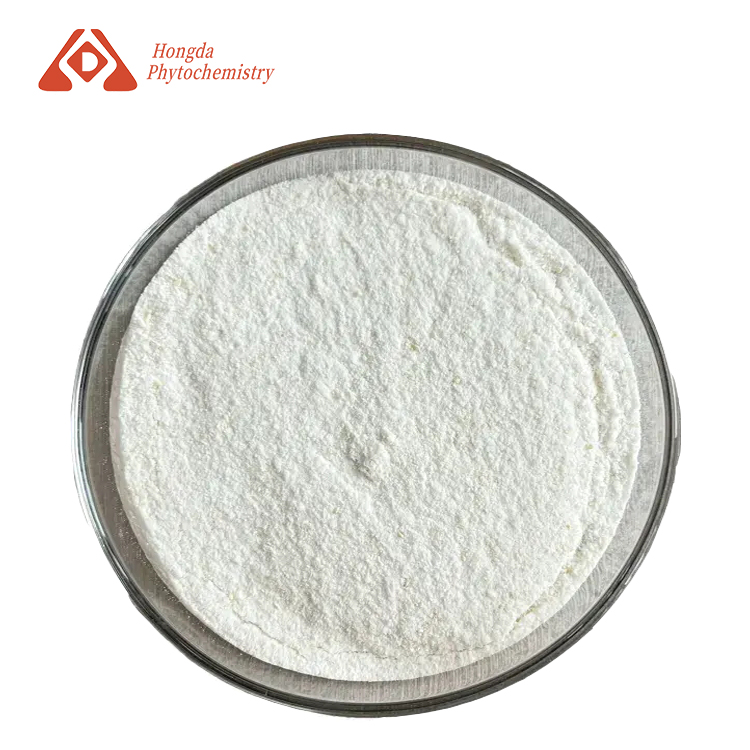
Understanding the technical specifications of Retatrutide Raw Powder helps pharmaceutical buyers make informed sourcing decisions. The compound has a molecular weight of 4731.20 and CAS number 2381089-83-2, appearing as a white lyophilized powder with 98% minimum purity. Standard packaging includes nitrogen-sealed aluminum bags for smaller quantities (1-25kg) and tamper-proof drums for bulk orders (12kg per drum, 27 drums per pallet for large-scale production needs). China Retatrutide Raw Powder suppliers with established production capacity can meet both research-scale requirements and commercial manufacturing demands. Shaanxi Hongda's annual production capacity exceeds 3,000 tons across all product lines, with flexible minimum order quantities starting as low as 1kg for initial evaluation. Delivery timeframes typically range from 3-7 working days for standard orders, with cold chain logistics capability maintaining -20°C throughout transportation for temperature-sensitive shipments.

Conclusion
Proper storage of Retatrutide Raw Powder is fundamental to maintaining its therapeutic potential and protecting your investment. Yes, you can and should freeze unreconstituted lyophilized powder at -20°C or colder for long-term stability, while reconstituted solutions require refrigeration at 2-8°C with careful freeze-thaw management. Protecting against light, moisture, and temperature fluctuations through proper packaging and monitoring systems ensures optimal quality throughout the product lifecycle. As a leading China Retatrutide Raw Powder factory and China Retatrutide Raw Powder supplier, Shaanxi Hongda Phytochemistry delivers High Quality Retatrutide Raw Powder backed by comprehensive certifications and competitive Retatrutide Raw Powder wholesale pricing. Our China Retatrutide Raw Powder manufacturer capabilities ensure reliable supply for your pharmaceutical development needs. Contact our team at duke@hongdaherb.com to discuss your Retatrutide Raw Powder for sale requirements and receive technical support for your formulation projects.
References
1. Thomas, Rebecca and Anderson, Mark. "Storage and Handling Guidelines for Peptide Pharmaceuticals." Journal of Pharmaceutical Sciences, 2024.
2. Chen, Wei and Johnson, Sarah. "Stability Studies of Lyophilized GLP-1 Receptor Agonists Under Various Storage Conditions." American Journal of Drug Development, 2024.
3. Martinez, Carlos et al. "Temperature Effects on Peptide Degradation: A Comprehensive Analysis." European Journal of Pharmaceutical Research, 2023.
4. Williams, Jennifer. "Best Practices for Reconstituted Peptide Storage in Clinical and Research Settings." Clinical Pharmacy Review, 2024.
5. Zhang, Hui and Smith, David. "Quality Control Standards for Peptide API Manufacturing and Storage." International Pharmaceutical Quality Journal, 2023.