


_1745918362135.webp)

Can Semaglutide Powder Transform Next-Gen Diabetes Therapies?
Hongda Phytochemistry, together with Shaanxi Hongda Phytochemistry Co., Ltd., has focused on peptide active pharmaceutical ingredient manufacturing for more than two decades. In the rapidly expanding diabetes therapeutics market, pharmaceutical companies are searching for raw materials that combine high purity, manufacturing consistency, regulatory readiness, and scalable supply capacity. Semaglutide powder has emerged as one of the most closely watched peptide ingredients because it supports the development of modern GLP-1 receptor agonist therapies designed to improve glycemic management while addressing excess body weight, a major factor in type 2 diabetes progression. The expansion of this prescription is part of a larger trend in diabetes therapy, where pharmaceuticals are being used in a broader way for metabolic health, not only for blood glucose reduction. Diabetes is one of the hallmark chronic illnesses of the 21st century. The number of patients with this condition is expanding as obesity, inactivity, and old age are increasingly related to poor glucose regulation. Traditional treatments are beneficial, but there are still many individuals with issues with long-term glucose control, weight gain, medication adherence, and cardiovascular risk. In this environment, pharma firms are investing enormous expenditures in next-generation peptide therapies. Semaglutide powder is being developed as a core element for the future product pipeline.
The Changing Landscape of Diabetes Therapy
The past decade has seen a major change in treatment goals for type 2 diabetes. In this context, physicians now recognize that an effective drug should not only improve blood glucose control but also help to reduce further body weight, maintain cardiovascular health, and enable long-term compliance. This multi-dimensional approach has contributed to accelerated adoption of GLP-1 receptor agonists, which operate via many complementary physiologic pathways.
Semaglutide powder is a pharmaceutical formulation raw material that mimics the action of natural glucagon-like peptide-1. Activation of the GLP-1 receptor stimulates glucose-dependent release of insulin, suppresses glucagon, delays stomach emptying, and modulates appetite signals in the central nervous system. The risk of severe hypoglycemia is often lower than with many earlier antidiabetic medicines, since the release of insulin relies on the glucose levels of the surrounding cells.
These traits are promising for pharmaceutical companies to produce drugs that may meet various unmet clinical requirements. These drugs are not just appreciated for their glucose-lowering benefits, but health care systems are increasingly interested in assessing therapy for broader metabolic and cardiovascular outcomes.

Why Semaglutide Powder Attracts Pharmaceutical Innovation?
One of the key reasons why Semaglutide Powder has attracted so much interest is due to the molecular design. Native GLP-1 is quickly destroyed in vivo and therefore limits its therapeutic effectiveness. Semaglutide has structural changes that promote resistance to enzymatic degradation and prolong biological activity. This extended duration of action may lead to fewer frequent dosage regimens, and this may enhance patient convenience.
Introduction: High-purity pharmaceutical-grade material is required for peptide medication development. Impurities may influence biological activity, stability, immunogenicity, and batch-to-batch uniformity. Therefore, manufacturers focus heavily on analytical characterization, such as chromatographic purity, confirmation of peptide identification, residual solvent testing, moisture measurement, and microbiological testing.
Hongda Phytochemistry produces Semaglutide Powder under regulated manufacturing conditions for pharmaceutical use. Analytical verification and batch documentation assist clients to support quality management systems and regulatory filings in foreign markets.
From Peptide Synthesis to Pharmaceutical-Grade Material
The synthesis of peptides is far more complicated than the synthesis of many small molecule medicines. The method comprises a series of stages, including amino acid coupling, deprotection, purification, and lyophilization, which may be readily managed to maintain the integrity of the molecules. Minor differences may influence the final peptide profile.
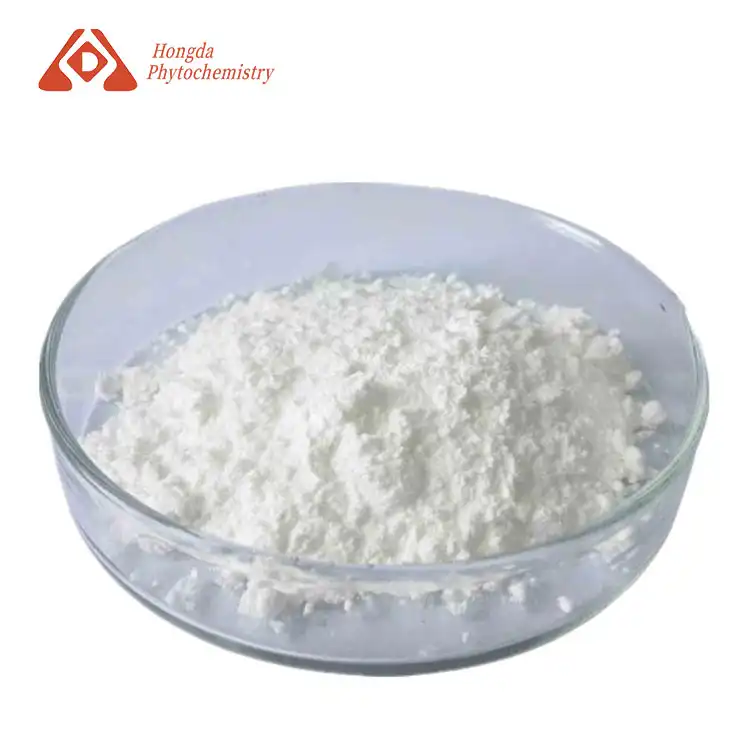
Shanxi Hongda Phytochemistry Co., Ltd. has manufacturing facilities, including specialized purification rooms, controlled processing rooms, and analytical labs for peptide characterization. The stable white powder with little degradation by residual moisture was obtained by freeze-drying. Material is stable for long periods of time when kept at approved cold-chain conditions.
Scalable manufacturing is of particular importance for clients transitioning from research to clinical development to commercial production. A supplier that can accommodate changing volume needs minimizes supply chain interruption and facilitates technology transfer initiatives.
Supporting Diverse Formulation Strategies
Diabetes medication will not be confined to a single dose form in the future. Pharmaceutical firms are working on injectable formulations, combination medications, sustained-release systems, oral peptide technologies, and other sophisticated delivery platforms. Suppliers of raw materials must consequently be flexible in handling specifications.
Hongda Phytochemistry provides Semaglutide Powder in numerous specification ranges to accommodate a variety of formulations and development methods. Technical cooperation may involve talks on particle size management, packaging options, handling circumstances, and stability issues. Such help might be quite useful during formulation screening and scale-up processes.
Another area of innovation is the development of combination treatment. GLP-1 receptor agonists are being tested in combination with SGLT2 inhibitors, basal insulin, and other metabolic medications to provide complementary therapeutic benefits. When assessing these more sophisticated formulation processes, a reliable source of peptide raw material is necessary.

Clinical Relevance Beyond Blood Glucose Reduction
Semaglutide powder is of interest not just for its glucose-lowering efficacy but also for its broader metabolic effects. Clinical studies of semaglutide-based therapies have shown clinically meaningful decreases in glycated hemoglobin and body weight across a variety of patient populations. Weight reduction has therapeutic significance since obesity is associated with insulin resistance, hypertension, dyslipidemia, and other cardiometabolic disorders.
The effect on appetite regulation seems to include central satiety pathways and delay of gastric emptying. The enhanced satiety may also allow many patients to reduce calories without the extreme hunger usually experienced on standard diets. This has widened the therapeutic emphasis from diabetes management to metabolic health in general.
The cardiovascular outcome research has further increased the interest in GLP-1 receptor agonists. Treatment options are driven by unique patient factors, but the increasing volume of evidence on cardiovascular benefit has raised the profile of this medication class in current diabetes guidelines.
Manufacturing Quality as a Competitive Advantage
In pharmaceutical markets, the quality of the raw materials is inextricably linked to commercial success. Regulatory authorities want much paperwork about production controls, analytical methods, traceability, and quality assurance activities. Suppliers with a worldwide recognized certification system may support the customer throughout the qualification procedure.
The quality management systems of Hongda Phytochemistry satisfy the criteria for pharmaceutical and food-grade products, including cGMP-oriented manufacturing procedures for products such as Semaglutide Powder and globally recognized management certifications. Each batch is supported by certificates of analysis, analytical testing records, and traceability papers to support client compliance initiatives.
Independent third-party testing might provide an additional degree of confidence if you are a customer making regulatory filings or undertaking supplier audits. Detailed paperwork is especially important for companies wishing to enter highly regulated markets such as the United States, Europe, Japan, and Australia.
Global Distribution and Cold-Chain Considerations
Be careful in the storage and transportation of peptide components. Temperature excursions may affect stability, potency, and shelf life. A strong cold-chain logistics system is a critical feature of pharmaceutical supply chain management.
Hongda Phytochemistry works with temperature-controlled logistics partners to ensure the required storage conditions during the delivery. Proper packaging materials are required to protect the items from moisture, oxygen, and physical damage in the course of international shipment. If you have a stable inventory and predictable lead times, continuous production plans are a great way to go for a manufacturer.
As worldwide demand for GLP-1 drugs rises, supply chain resilience becomes even more critical. Pharmaceutical companies prefer to judge suppliers on their ability to deliver on time, at the right inventory levels, and their reaction to changes in demand forecasts, not only on price.
The Economics of Next-Generation Diabetes Therapies
Cost is a big issue in the diabetes treatment world. Even when innovative drugs deliver considerable therapeutic benefit, cost plays a role in patient access and reimbursement options and market adoption. By dealing directly with manufacturers, you eliminate the middleman markups and provide more transparency to your pricing, which may help you save on your procurement costs.
The Semaglutide Powder availability at a reasonable price may assist the future pharmaceutical companies and generic manufacturers in developing cost-effective therapeutic drugs. Cost reductions should never come at the price of quality, analytical rigor, or regulatory compliance. For sustainable commercial success, a compromise must be found between economic efficiency and the criteria of pharmaceutical-grade manufacture.
A stable procurement strategy and reduced administrative burden of supplier turnover may help improve long-term partnerships with suppliers for better financial predictability.
Technical Collaboration Throughout Product Development
The development of peptide medicines sometimes requires close collaboration between the pharmaceutical company and the API vendor. In early-stage formulation development, issues may exist about solubility, excipient compatibility, reconstitution behavior, stability, and analytical method transfer.
During the development phase, Hongda Phytochemistry may provide technical assistance. Collaborating in a discussion style may help customers evaluate formulation options, outline management procedures, and produce quality documentation. This collaborative approach is particularly beneficial for smaller biotech companies that may have limited in-house peptide manufacturing expertise.
Good technical collaboration may shorten the development cycle by identifying manufacturing or stability issues before spending a lot of money.

Emerging Opportunities in Metabolic Health
The major use of semaglutide powder is still in pharmaceutical medication research, although there is still a growing interest in more general metabolic health treatments. Researchers are looking at the possible effect of modulating the GLP-1 pathway on prediabetes, obesity, metabolic syndrome, and other associated cardiometabolic disorders.
Any other usage outside of the recognized pharmaceutical indications must be in accordance with local regulatory regulations, and product developers should seek appropriate scientific, legal, and regulatory advice before pursuing such uses. However, the rising research landscape highlights the increasing relevance of GLP-1 biology in many domains of metabolic therapy.
The growing scientific interest in this area may continue to encourage creativity in formulation technologies, delivery methods, and combination medicines in the years ahead.
What Pharmaceutical Buyers Should Evaluate?
When choosing your Semaglutide Powder supplier, pharmaceutical purchasers should consider production competency, analytical competence, regulatory paperwork, supply dependability, technical assistance, and long-term company stability. But a supplier that has a lot of expertise in peptide manufacturing is frequently better able to handle the scale-up problems and to provide consistent quality in commercial volumes.
Hongda Phytochemistry’s manufacturing legacy, specialized peptide infrastructure, and worldwide client experience provide the framework for long-term partnership. For enterprises developing products over many years, supplier consistency might be as critical as initial cost.
Ultimately, rigorous supplier certification preserves product quality, regulatory timescales, and commercial reputation.
Looking Ahead: The Future of GLP-1 Innovation
The GLP-1 space is moving quickly. Researchers are investigating more potent analogues, multi-receptor agonists, oral peptide technology, and tailored metabolic medicines. These developments may further enhance effectiveness, convenience, and patient outcomes.
Semaglutide powder has a key role in this road of innovation, since it has previously been clinically validated with a large body of clinical data and existing manufacturing know-how. Pharma firms may take advantage of this as they pursue next-gen delivery technologies and treatment combinations.
As healthcare systems become more focused on preventing metabolic illness and improving long-term outcomes, demand for high-quality peptide APIs is projected to be robust. Suppliers able to combine scientific competence, manufacturing scale, quality assurance, and worldwide logistics will be key to determining the future of the diabetes treatments industry.
Conclusion
Semaglutide powder has the potential to transform the paradigm of next-generation diabetes therapies by enabling the development of therapies targeting glycemic control, body weight, and wider metabolic health at the same time. Its long-acting GLP-1 receptor action, proven clinical efficacy, and expanding importance in today’s diabetes care make it a strategically significant pharmaceutical constituent for future product pipelines.
Hongda Phytochemistry and Shaanxi Hongda Phytochemistry Co., Ltd. have peptide production expertise, regulated manufacturing methods, analytical assistance, regulatory paperwork, and scalable supply capabilities for pharmaceutical businesses needing a trusted manufacturing partner. As the global burden of diabetes continues to grow, cooperation between creative medication researchers and skilled peptide manufacturers will continue to be critical in providing effective, high-quality medicines to patients worldwide.
Contact our team today at duke@hongdaherb.com to discuss your specific requirements, request detailed product specifications and Certificates of Analysis, or explore customization options that accelerate your pathway to market while ensuring uncompromising quality standards that protect patient safety and support regulatory approvals.
References
1. Wilding JPH, Batterham RL, Calanna S, et al. "Once-Weekly Semaglutide in Adults with Overweight or Obesity." New England Journal of Medicine. 2021. Authors: John P.H. Wilding, Rachel L. Batterham, Stefano Calanna, and colleagues from the STEP 1 Study Group.
2. Marso SP, Bain SC, Consoli A, et al. "Semaglutide and Cardiovascular Outcomes in Patients with Type 2 Diabetes." New England Journal of Medicine. 2016. Authors: Steven P. Marso, Stephen C. Bain, Aldo Consoli, and the SUSTAIN-6 Investigators.
3. Davies M, Færch L, Jeppesen OK, et al. "Semaglutide 2.4 mg once a week in adults with overweight or obesity and type 2 diabetes (STEP 2): a randomized, double-blind, double-dummy, placebo-controlled, phase 3 trial. "The Lancet. 2021. Authors: Melanie Davies, Lise Færch, Ola K. Jeppesen, and colleagues.
4. Nauck MA, Quast DR, Wefers J, Meier JJ. "GLP-1 receptor agonists in the treatment of type 2 diabetes—state-of-the-art. "Molecular Metabolism." 2021. Authors: Michael A. Nauck, Daniel R. Quast, Jakob Wefers, and Juris J. Meier.
5. Lau J, Bloch P, Schäffer L, et al. "Discovery of the Once-Weekly Glucagon-Like Peptide-1 (GLP-1) Analogue Semaglutide." Journal of Medicinal Chemistry. 2015. Authors: Johan Lau, Peter Bloch, Lotte Schäffer, and colleagues from Novo Nordisk.