


_1745918362135.webp)

How Does Ferrous Bisglycinate Powder Achieve 2–4x Higher Bioavailability?
People still lack iron more than any other nutrient in the world, but most iron supplements don't do a good job of meeting the gap. It's not that part that's wrong, but how it's being presented. Hongda Phytochemistry makes a ferrous bisglycinate powder that is safe for use in medicine. This powder has iron chemically bonded to two glycine molecules. In this way, a chelated structure is made that gets around the problems that normal iron salts have with being absorbed. Shaanxi Hongda Phytochemistry Co., Ltd. has been in business since 2001 and is now certified by cGMP, FSSC 22000, and EU Organic. They've set up workshops and quality control systems so that they can sell this ingredient anywhere in the world. It comes with the proof that managed markets need.
The Chemistry Behind the Absorption Advantage
What Chelation Actually Does to Iron?
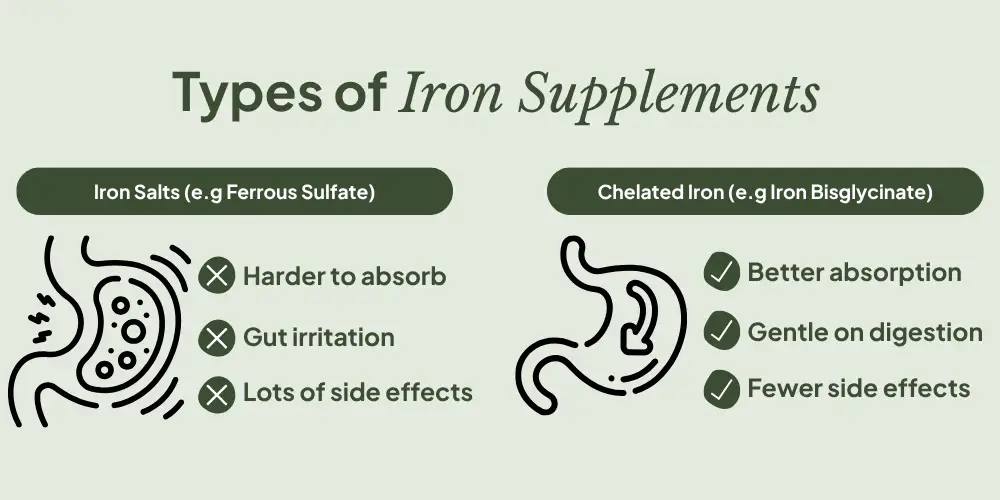
Iron salts like ferrous sulfate, ferrous gluconate, and ferrous fumarate allow iron ions to move freely into the gut. These ions can be hurt by acids in the gut, substances that fight with them, phytic acid from plants, oxalates from green vegetables, and tannins from coffee and tea. In the gut, these things all lower the amount that gets to the cells that take in nutrients.[1][2][5] This is not at all what ferrous bisglycinate powder is meant to do. Chelation is the chemical process by which each iron atom is linked to two glycine molecules. This forms a stable ring shape with five parts. That's right, this ring really does go around the iron. In the harsh climate of the gut, it stops working physically, but it also looks like a known amino acid mix that the gut is ready to take.[5]
The Amino Acid Absorption Pathway
This is where ferrous bisglycinate is most different from its rivals: it doesn't depend on the tightly controlled and easily overloaded iron-specific transport pathways. It instead goes through the specific amino acid transport pathway, which is a high-capacity, pH-independent pathway that the gut barrier uses to take in peptides and small amino acids.[5] This route is less likely to be blocked by other pathways and is not as affected by a person's iron level. People who don't have enough iron are already absorbing more, but the glycine-chelated form uses both routes at the same time, giving it a 2–4x solubility benefit that has been seen in several clinical studies.[1][2][5]
Why Does Stability in Transit Matter?
A very important fact that isn't often talked about in marketing for ingredients, but is very important to formulators: iron that gets to the absorption spot whole is iron that can be taken. As soon as ferrous sulfate comes into contact with the stomach, it changes into ferric iron, which is a less accessible form of iron (Feδ). On the other hand, ferrous bisglycinate powder stays in its chelated ferrous state during transport because the glycine ring actively fights oxidation. This chemical stability doesn't just make absorption better; it also explains why the comfort profile is better, since free iron ions are what cause stomach pain with regular iron supplements.[5][6]
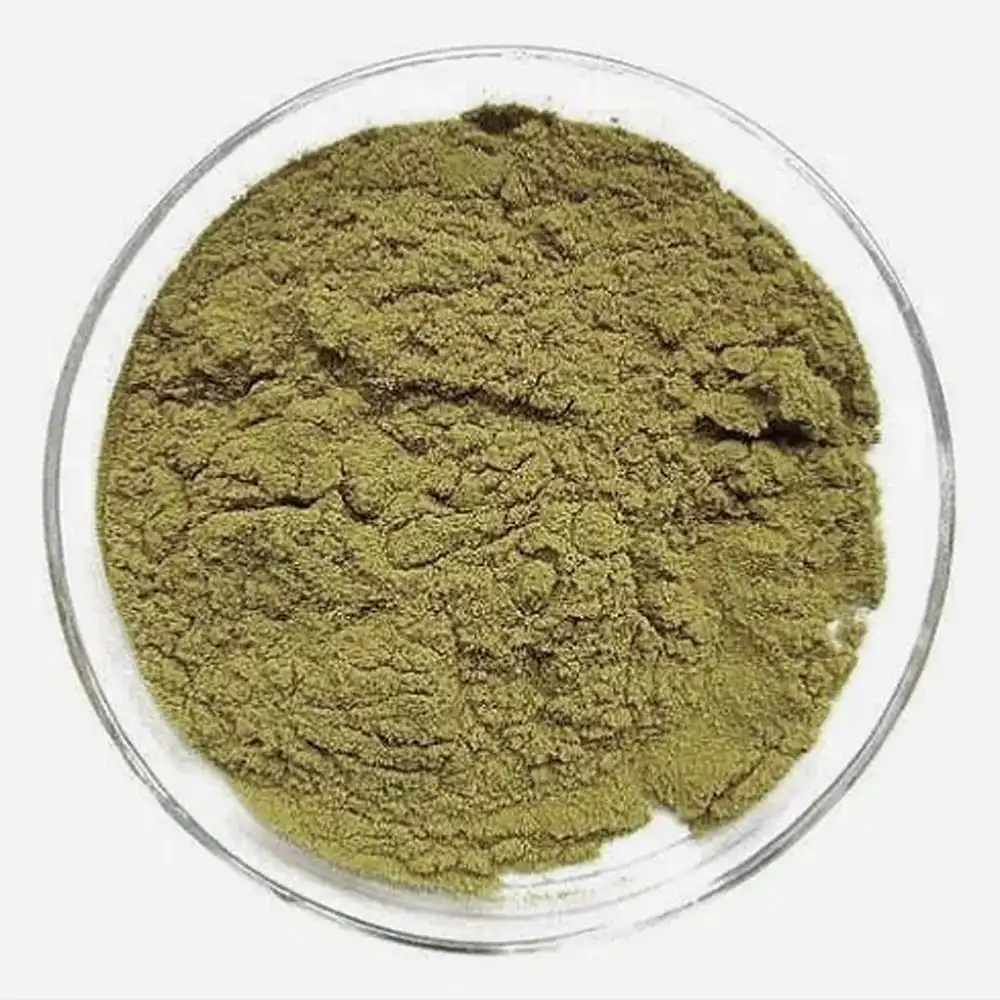
Where Does Ferrous Bisglycinate Powder Outperform in Real Formulations?
Prenatal and Women's Health Nutrition
When you're pregnant, your daily iron needs go up a lot. The growing baby, the larger blood volume, and the placenta all make your needs go up to a point where regular iron pills can't meet them without causing GI distress. When tested on pregnant women, ferrous bisglycinate powder repeatedly showed that it could raise hemoglobin and ferritin levels at lower basic iron doses than ferrous sulfate.[4] This is a big clinical and business benefit: pregnancy vitamin brands can offer good iron support without the nausea, constipation, and dark stools that make people stop taking the product, which is one of the biggest problems with compliance in this market.[4][6]
Pediatric and Infant Formula Fortification
Children and babies are a group where not getting enough iron can affect their brain development, immune system health, and physical growth for a lifetime. The problem is that adding iron to baby foods and feeds has to be done in a way that doesn't make them taste bad. Metallic aftertastes and color changes from reactive iron forms are big problems in the preparation process. Ferrous Bisglycinate Powder: Ferrous bisglycinate is almost tasteless, has no color, and is very stable in food systems. This makes it much easier to add to baby formulas, growing-up milks, and pediatric nutrition products without changing the way they taste or smell.[3][5] Because it is gently absorbed, it is also the best form for people with sensitive GI tracts.
Sports Nutrition and Active Lifestyle Products
Air moves around the body with the help of the lungs. Having enough iron is important for making hemoglobin, myoglobin, and energy in the mitochondria.[1][2] People who sweat a lot, clot their blood more, and have higher levels of inflammation after exercise are more likely to lose iron. This is especially true for women who exercise and people who do endurance sports. It is being used more and more in sports nutrition because it is easily absorbed by the body and helps it replace iron in amounts that don't put too much stress on the digestive system while working out.[1][2][6] That is possible for sports brands that buy iron bisglycinate in bulk from a trustworthy business that keeps full batch records. These brands can also pass the tests set by the main groups that approve sports nutrition.
|
Target Population |
Key Iron Need | Why Bisglycinate Fits | Ideal Product Format |
|---|---|---|---|
| Pregnant women | Hemoglobin & fetal development | High efficacy at low dose, GI-gentle | Prenatal capsules, sachets |
| Infants & children | Cognitive & immune development | Tasteless, colorless, safe at low doses | Infant formula, growing-up milk |
| Athletes | Oxygen transport, energy metabolism | Effective repletion without GI disruption | RTD beverages, protein blends |
| Vegetarians/vegans | Non-heme iron replacement | Resists phytate inhibition | Multivitamins, functional foods |
| Seniors | Reduced gastric acid absorption | pH-independent amino acid pathway | Soft gels, fortified beverages |
Looking for a highly bioavailable iron ingredient for your next formulation? Whether you're developing prenatal supplements, infant nutrition products, sports nutrition blends, or fortified functional foods, choosing the right iron source can significantly impact product performance and consumer satisfaction. If you'd like detailed specifications, COAs, sample availability, or formulation support for Ferrous Bisglycinate Powder, feel free to contact Hongda's technical team at duke@hongdaherb.com for professional assistance and sourcing guidance.
Shaanxi hongda phytochemistry's COA
|
Items
|
Specifications
|
Test Results
|
Test Methods
|
||
|
Appearance
|
Dark brown or grayish green
powder |
Conforms
|
In-house
|
||
|
Iron(Ⅱ)(on dried basis) ,w/%
|
≥20.0
|
20.32
|
In-house
|
||
|
Iron(Ⅲ)(on dried basis) ,w/%
|
≤2.0
|
Conforms
|
In-house
|
||
|
Loss on drying,w/%
|
≤7.0
|
3.75
|
In-house
|
||
|
pH(10g/L)
|
6.0~9.0
|
8.0
|
In-house
|
||
|
Particle size,w/%
|
90% passing 60 mesh
|
Conforms
|
In-house
|
||
|
Additional Guarantees
|
|||||
|
Items
|
Limits
|
Test Methods
|
|||
|
Individual Heavy metals
|
Pb, ppm
|
≤3
|
AAS
|
||
|
As, ppm
|
≤1
|
AAS
|
|||
|
Cd, ppm
|
≤1
|
AAS
|
|||
|
Hg, ppm
|
≤0.1
|
AAS
|
|||
|
Microbiologicals
|
Total plate count, cfu/g
|
≤1000
|
USP
|
||
|
Yeast and Mold, cfu/g
|
≤100
|
USP
|
|||
|
E. Coli, /g
|
Negative
|
USP
|
|||
|
Salmonella, /25g
|
Negative
|
USP
|
|||
Head-to-Head: Ferrous Bisglycinate vs. Conventional Iron Salts
Bioavailability Numbers That Change the Formulation Conversation
Relative bioavailability studies — using ferrous sulfate as the reference standard at 100% — consistently place ferrous bisglycinate in the 200–400% range, depending on population and study design.[1][2][4] Put differently: a formulation can deliver equivalent iron status outcomes at a fraction of the elemental iron dose. For a ferrous glycinate supplier like Hongda, this translates into a genuine commercial argument for their ingredient: finished goods brands can reduce label dosages, improve tolerability claims, and potentially lower ingredient cost per effective unit while maintaining clinical relevance. In an ingredient market increasingly scrutinized by label-savvy consumers, that kind of compound advantage is hard to ignore.
Interaction Profile with Food and Co-Nutrients
One of the most underappreciated advantages of wholesale ferrous bisglycinate is its resistance to the anti-nutrient inhibitors that dramatically reduce the usefulness of non-chelated iron in real-world dietary contexts. Phytic acid — present in whole grains, legumes, and seeds — binds free iron ions with high affinity, rendering them largely unabsorbable. Calcium competes directly with iron at intestinal transport sites. Polyphenols from tea and coffee precipitate iron in the gut. Ferrous Bisglycinate Powder is substantially protected from all of these interactions because the glycine chelate shields the iron atom from molecular interference.[1][5] This means it can be incorporated into complex food matrices—fortified cereals, plant-based milks, protein shakes—and maintain its bioavailability advantage even when consumed alongside inhibitor-rich foods.
| Comparison Factor | Ferrous Sulfate (Conventional Form) | Ferrous Bisglycinate Powder (Hongda Chelated Form) |
|---|---|---|
| Bioavailability | Reference standard (100%) | 2–4× higher than ferrous sulfate |
| Sensitivity to Phytates, Calcium & Polyphenols | Highly susceptible to inhibition | Resistant to phytate and competitive inhibition |
| Gastrointestinal Tolerability | GI irritation common at therapeutic doses | Well-tolerated at effective doses |
| Taste Impact | Metallic taste is often detected | Tasteless and food-matrix friendly |
| Color Stability | Can cause discoloration in fortified foods | Colorless and suitable for sensitive formulations |
| Stability During Digestion | Rapid oxidation to ferric form in the GI tract | Stable chelate maintains Fe²⁺ through gastrointestinal transit |
| Suitability for Food Fortification | Limited by sensory and stability challenges | Ideal for cereals, plant-based beverages, protein shakes, and fortified foods |
Food Fortification Without Sensory Compromise
The World Health Organization's guidance on iron fortification emphasizes three criteria: minimal sensory impact, minimal interaction with other food components, and adequate bioavailability. Standard iron salts fail at least one of these in most food matrices. Ferrous bisglycinate powder satisfies all three—it's why it's the iron form of choice for leading infant formula manufacturers and food fortification programs in markets with rigorous sensory testing requirements.[1][2][3] For brand owners developing fortified functional foods, working with a proven ferrous glycinate supplier who can provide consistent chelation quality and documentation is not optional; it's a prerequisite for reliable finished-product performance.
Why the Manufacturer Behind the Ingredient Matters?
Production Scale and Supply Security
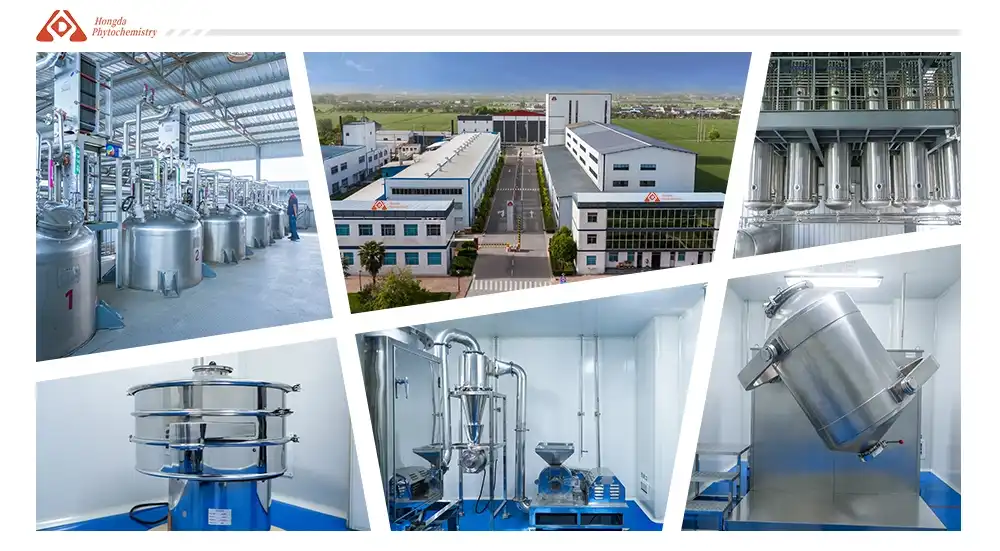
Shaanxi Hongda Phytochemistry Co., Ltd. operates a 20,000 square meter facility with more than 10 GMP-grade production lines and 100,000-level purification workshops. Annual production capacity reaches 3,000 metric tons across the product range, supported by a 3,000 square meter warehouse with six dedicated storage zones. Zone E specifically handles vitamins and amino acid products—the category that includes Ferrous Bisglycinate Powder—under professional sterilization management. For buyers sourcing wholesale ferrous bisglycinate at commercial volume, this level of warehousing infrastructure and production depth means supply commitments can be honored even during peak demand or raw material volatility. Hongda has been delivering on that promise for international clients since 2001.
Quality Control from Synthesis to Shipment
Every batch of ferrous bisglycinate powder produced at Hongda passes through an SGS-standardized analytical laboratory equipped with high-performance liquid chromatographs, atomic absorption spectrophotometers, gas chromatographs, and automated titrators. More than 20 senior scientists and QC personnel, recruited from universities and national research institutes, oversee testing at each production stage. Pre-shipment verification covers elemental iron content and chelation completeness (confirmed via FTIR), heavy metal content, pesticide residues, moisture levels, and microbial safety — the full panel required by dietary supplement regulators in the US, EU, and major Asian markets.
Certifications That Simplify Global Market Entry
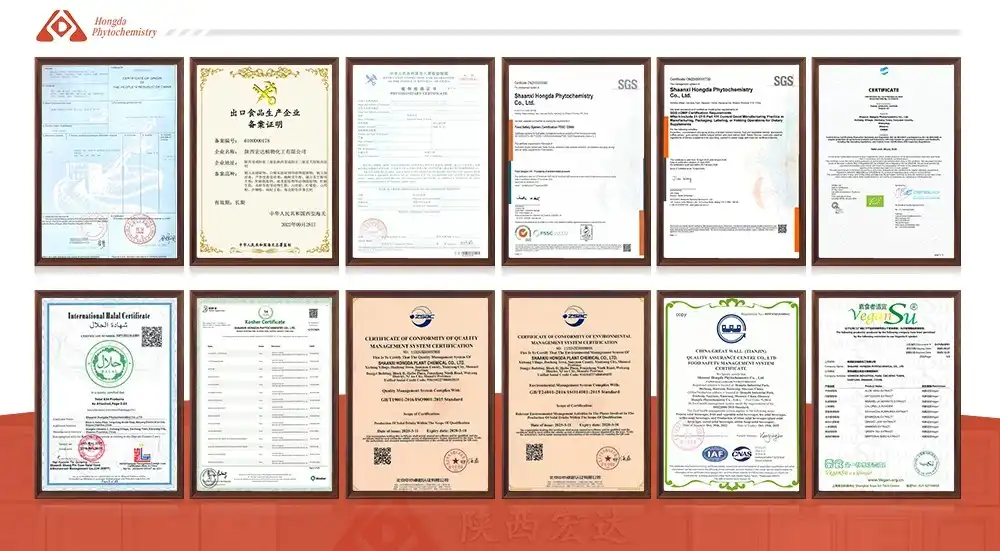
Hongda's certification portfolio has been built deliberately over two decades with international market access as its organizing principle. The 2025 additions — cGMP, FSSC 22000, ISO 22000, ISO 9001, EU Organic, and NOP Organic — place Hongda among a relatively small number of Chinese ingredient manufacturers and ferrous glycinate suppliers who can credibly supply both the US dietary supplement channel and the European organic food market simultaneously. For brands whose product lines span multiple geographies and regulatory environments, having a single ferrous glycinate supplier who can satisfy all of them is a significant supply chain simplification.
| Certification | Year | Relevance for Iron Ingredient Buyers |
|---|---|---|
| cGMP | 2025 | US dietary supplement manufacturing standard |
| FSSC 22000 | 2025 | Global food safety management systems |
| ISO 22000 / ISO 9001 | 2025 | Quality management & food safety |
| EU Organic / NOP Organic | 2025 | Organic-certified formulations in EU & US |
| FDA Registration | Pre-2024 | US market import compliance |
| Halal & Kosher | Pre-2024 | Religious dietary compliance, global reach |
| BRC Certification | Pre-2024 | UK & European retail supply chain acceptance |
Conclusion
The case for ferrous bisglycinate powder over conventional iron salts is both biochemically clear and commercially practical. Higher bioavailability at lower doses, resistance to food-matrix inhibitors, superior tolerability, and formulation flexibility add up to a genuinely better ingredient — not just a premium-priced alternative. Sourcing it from Shaanxi Hongda Phytochemistry Co., Ltd. adds supply scale, rigorous batch documentation, and a certification portfolio designed for global regulatory environments. For product teams who want an iron ingredient that works as well in the body as it looks on a specification sheet, Hongda's Ferrous Bisglycinate Powder is the answer.
FAQ
1. How does ferrous bisglycinate powder achieve higher bioavailability than ferrous sulfate? +
The glycine chelation shields the iron atom from GI inhibitors and allows it to travel through the amino acid absorption pathway in the small intestine — a high-capacity route not subject to the competitive inhibition that limits conventional iron salts. Clinical studies place its relative bioavailability at 200–400% compared to ferrous sulfate.
2. Can ferrous bisglycinate powder be used in food fortification without affecting taste or color? +
Yes. Ferrous Bisglycinate Powder is essentially colorless and nearly tasteless, and it does not react with common food components in ways that cause color changes or metallic off-notes. This makes it suitable for infant formula, fortified cereals, plant-based beverages, and other food formats where sensory quality is non-negotiable.
3. Does phytic acid from plant foods block the absorption of ferrous bisglycinate? +
Much less so than with conventional iron salts. The glycine chelate protects the iron atom from binding with phytic acid, oxalates, and polyphenols in the gut, which is why bisglycinate maintains its bioavailability advantage even when consumed alongside phytate-rich plant foods—a critical property for vegetarian and vegan supplement formulations.
4. What certifications does Hongda hold that matter for the US and EU market entry? +
Hongda holds cGMP, FSSC 22000, ISO 22000, ISO 9001, FDA registration, BRC, EU organic, NOP organic, Halal, and Kosher certifications—covering dietary supplement compliance in the US, food safety management standards for EU import, and religious dietary requirements for global markets.
Get Iron Nutrition Right — Start with the Right Ingredient | HONGDA
Shaanxi Hongda Phytochemistry Co., Ltd. has supplied verified, high-bioavailability ingredients to global nutraceutical and food brands since 2001. With cGMP, EU Organic, and FSSC 22000 certifications secured in 2025, sourcing Ferrous Bisglycinate Powder from Hongda means getting a premium iron chelate backed by the documentation your markets require. Don't let your formulation be limited by a substandard iron source — request your sample and specification sheet today. Contact at duke@hongdaherb.com.
References
1. Layrisse, M., et al. "Iron Bioavailability in Humans from Breakfasts Enriched with Iron Bis-Glycine Chelate, Phytates, and Polyphenols." Journal of Nutrition, 2000, 130(9):2195–2199.
2. Bovell-Benjamin, A.C., et al. "Iron Absorption from Ferrous Bisglycinate and Ferric Trisglycinate in Whole Maize Is Regulated by Iron Status." American Journal of Clinical Nutrition, 2000, 71(6):1563–1569.
3. Pineda, O., & Ashmead, H.D. "Effectiveness of Treatment of Iron-Deficiency Anemia in Infants and Young Children with Ferrous Bis-Glycinate Chelate." Nutrition, 2001, 17(5):381–384.
4. Szarfarc, S.C., et al. "Relative Effectiveness of Iron Bis-Glycinate Chelate and Ferrous Sulfate in the Control of Iron Deficiency in Pregnant Women." Archivos Latinoamericanos de Nutrición, 2001, 51(1 Suppl 1):42–47.
5. Ashmead, H.D. "The Chemistry of Ferrous Bis-Glycinate Chelate." Archivos Latinoamericanos de Nutrición, 2001, 51(1 Suppl 1):7–12.
6. Jeppsen, R.B., & Borzelleca, J.F. "Safety Evaluation of Ferrous Bisglycinate Chelate." Food and Chemical Toxicology, 1999, 37(7):723–731.