



_1745918362135.webp)

What Is Ferrous Fumarate Powder Used for in Iron Supplements?
About a third of the world's population is iron-deficient, but not all iron sources work the same in terms of formation. To be one of the most reliable and digestible types of extra iron on the market today, ferrous fumarate powder has won its spot. Since 2001, Hongda Phytochemistry has been doing business as Shaanxi Hongda Phytochemistry Co., Ltd. They make pharmaceutical-grade ferrous fumarate powder that is 99% pure and has an iron content of 32.5–33%, making it the iron-richest choice among popular iron salts. This guide tells you exactly where and why this ingredient should be in your next recipe, from treating anemia to making baby formula healthier.
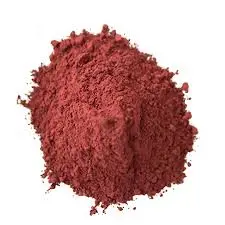
Where Does Ferrous Fumarate Powder Actually Get Used?
Iron Deficiency Anemia Treatment
The most common food shortfall in the world is still iron deficiency anemia. Ferrous fumarate powder is an important part of most treatments for this condition. Ferrous ion (Fe²⁺) stays steady because of its fumarate partner. This way, it doesn't change too quickly into the less absorbable ferric form (Fe³⁺) when it is being made or absorbed.[6] Easily taken iron is changed into iron that can be used in the duodenum and upper small intestine by the stomach acid very quickly. This is the best place for iron absorption. It's possible to make a full effective amount in a single normal tablet because it has between 32.5 and 33% elemental iron. It is possible to do this without making the pill too big or slowing down the machinery that makes tablets quickly. It's the first thing used in medical iron goods all over the world because it's stable, can hold a lot of iron, and doesn't make people sick.[2][6]
Maternal and Pediatric Nutritional Support
People who are pregnant and have young children are more likely to lose iron than other people. The body needs almost twice as much iron during pregnancy to support the growth of the baby and the rise in blood volume. Also, babies who are switching from breast milk to solid foods often don't get enough iron from the food they eat. Ferrous fumarate powder is often found in pregnancy supplements and baby food because it gives a lot of basic iron in a steady, low-odor form that doesn't change the taste of food. Shaanxi Hongda's fine-powder grade is made to mix properly with milk powders and premixes, which is something that cheaper, rougher iron sources often fail to do in real life.[1][2] For items aimed at women and children, the particles must be the same size and spread out evenly across the whole finished item.
Food Fortification Programs
It is one of the cheaper ways to help people who aren't getting enough iron and is also good for general health. Iron is added to wheat flour, rice, salt, and other foods for babies and young children in more than 80 countries. One type that the WHO suggests for this is ferrous fumarate powder. This is especially true for cereal-based foods, where phytates can stop iron from being accessible. When added to food, ferrous fumarate stops fatty breakdown much more than ferrous sulfate.[1][2] This means that mixes with added oil or improved flour keep their smell and taste for longer. This reaction stability means that makers can right away ensure that fortification programs or private-label enriched foods will last and be supported by customers.
Dietary Supplements and Nutraceuticals
The dietary supplement sector is arguably where ferrous fumarate powder shows the widest versatility. It appears in daily multivitamins, sports nutrition blends, energy-support formulas, and standalone iron supplements in tablet, capsule, and powder sachet formats. Its compatibility with vitamin C — which measurably enhances non-heme iron absorption — makes it a natural pairing in combination supplement products. Shaanxi Hongda also supplies a Direct Compression (DC) grade specifically engineered for high-speed rotary tablet presses, eliminating the wet granulation step that many iron formulations require. This not only shortens production time but also reduces the risk of color migration and active ingredient segregation that plagues poorly manufactured iron powders. Whether your target format is a softgel, chewable, or hard-shell capsule, the physical characteristics of Hongda's Ferrous Fumarate Powder are designed to perform consistently at scale.
Looking for a reliable iron ingredient with strong regulatory acceptance and proven performance in supplements or fortified foods? Hongda's technical team can provide specifications, COAs, formulation guidance, and sample support for your next project. For sourcing inquiries or customized requirements, contact us directly at duke@hongdaherb.com
Shaanxi Hongda Phytochemistry's COA
|
Analysis
|
Specification
|
Result
|
Test method
|
|
Physical Description
|
|
|
|
|
Appearance
|
Orange or red brown powder
|
Orange or red brown powder
|
Visual
|
|
Assay
|
93.0% Min.
|
93.0%
|
Organoleptic
|
|
Mesh
|
100% through 100 mesh
|
100% through 100 mesh
|
Visual
|
|
Loss on Drying
|
1.5% Max
|
0.23%
|
|
|
Chemical Tests
|
|
|
NMR
|
|
SO42-(Sulfate)
|
0.2% Max.
|
<0.2%
|
Titration
|
|
As
|
0.0004% Max.
|
<0.0004%
|
Titration
|
|
Iron
|
2.0% Max.
|
1.11%
|
ICP-OES
|
|
Lead
|
0.004% Max.
|
<0.004%
|
USP<731>
|
How does it compare? — and Why Formulators Keep Choosing It
Elemental Iron Density: The Cost-per-Dose Advantage
This is one of the most important things to think about when making an iron supplement: the amount of absorbable iron given per unit weight of raw material. Because it is made up of 32.5–33% pure iron, ferrous fumarate powder is by far the best organic iron salt. 20% of the iron you need is in ferrous glycinate, which is also known as iron glycinate powder or ferrous bisglycinate. 15% of the iron you need is in ferrous gluconate. In other words, a formulator can use less than 100 mg of ferrous fumarate to make 30 mg of basic iron. This is very helpful when the capsule fill weight is limited or when making a small pill with not many extras. It cuts the cost of raw materials per dose for businesses that make a lot of them because of the density effect. This is one reason why vitamin brands all over the world love Hongda's product: it saves them money without lowering the quality.
Stability Under Processing Conditions
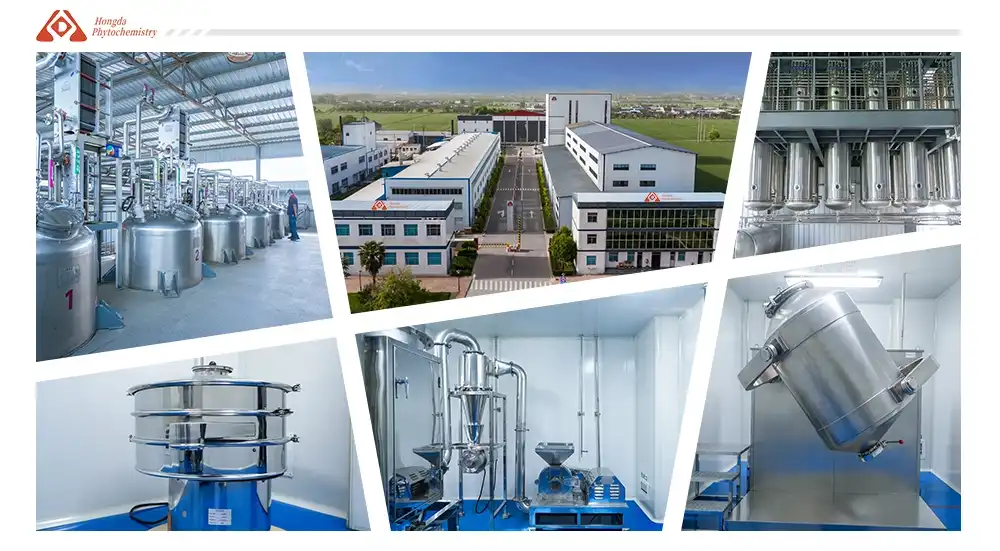
Because iron is a volatile metal, many iron salts break down quickly during normal production processes, like when they are mixed with ascorbic acid, exposed to air, or heated during grinding.[3][6] The shape of ferrous fumarate molecules keeps the ferrous ion inside the fumarate coordination, which makes oxidation to the poorly absorbed ferric state happen much more slowly. Shaanxi Hongda's manufacturing process makes this stability even better: each batch is made in 100,000-level purification workshops with controlled humidity and temperature, and the finished powder is stored in Zone E of Hongda's 3,000 m² warehouse in conditions made just for vitamins and amino acid products. The end result is a product that is guaranteed to be pure when it gets to your facility and stays pure for 24 months, even when stored in normal warehouse conditions.
Sensory Performance in Finished Products
Iron pills have a bad image for having a rusty aftertaste and a bad smell, which makes it hard for patients to take them as prescribed and for people to buy them again in stores.[3] Ferrous fumarate powder is regularly rated as one of the easier-to-handle kinds of iron in terms of its taste profile.[2][6] The fumarate complex hides the metallic taste that raw ferrous sulfate gives off. This makes a powder that mixes well into tablet cores, capsule fills, or powder packs without the unpleasant tastes that cause problems with reformulation. Hongda's manufacturing process creates a uniform particle size distribution that mixes evenly with other ingredients. This gets rid of the "color spotting" and uneven iron distribution that can happen with poor iron sources, which is a common problem on high-speed production lines where segregation during blending directly impacts label claims.
Regulatory Acceptability Across Markets
Any item that is going to be used in nutrition supplements or foods that have been enriched has to go through a complicated web of regional rules. The European Pharmacopoeia (EP), the British Pharmacopoeia (BP), and the United States Pharmacopeia (USP) all list ferrous fumarate powder. The Food and Agriculture Organization (FAO) and the World Health Organization (WHO) also agree that it can be used to add iron to food.[1][2] The factory where Shaanxi Hongda makes its products has cGMP, FSSC22000, ISO9001, ISO22000, BRC, Halal, Kosher, FDA registration, and both EU and NOP organic certifications. This is a long list of credentials that covers almost every controlled market a supplement or food maker could want to go after. Hongda is a confirmed ferrous fumarate supplier that ships to more than 40 countries. This takes away the legal doubt from the buying choice.
|
Certification
|
Year Obtained
|
Market Relevance
|
|---|---|---|
|
National High-Tech Enterprise
|
2010
|
China — R&D and innovation recognition
|
|
FDA Registration
|
Pre-2024
|
United States market access
|
|
BRC (BRCGS)
|
Pre-2024
|
UK and EU retail supply chains
|
|
Halal Certification
|
Pre-2024
|
Middle East, SE Asia, North Africa
|
|
Kosher Certification
|
Pre-2024
|
US natural health and Jewish markets
|
|
cGMP Certification
|
2025
|
Global pharmaceutical/supplement manufacturing
|
|
FSSC22000
|
2025
|
Food safety — EU and international retail
|
|
ISO9001 / ISO22000
|
2025
|
Quality and food safety management systems
|
|
Organic EU / Organic NOP
|
2025
|
Clean-label and organic product formulations
|
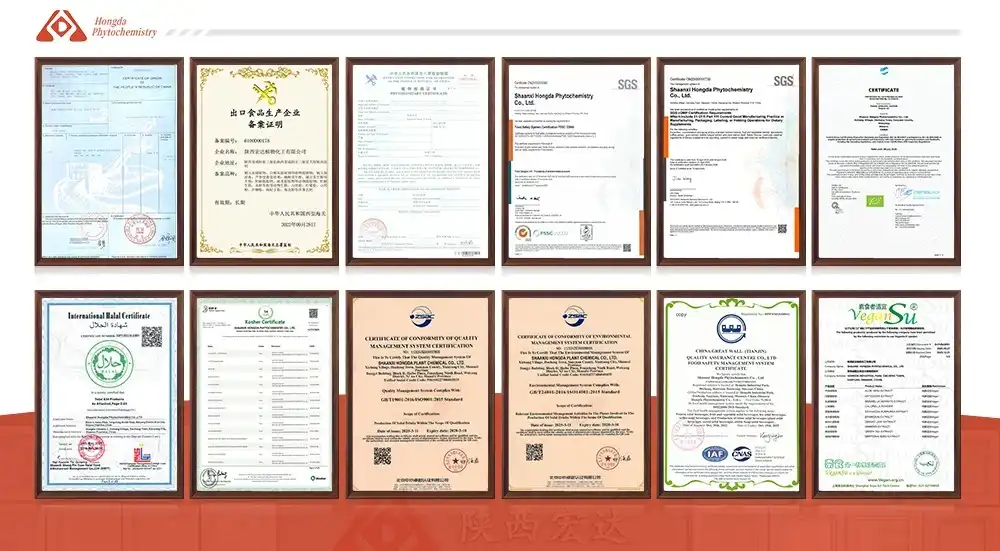
The Manufacturer Behind the Ingredient
A Facility Built for Pharmaceutical Standards
Shaanxi Hongda Phytochemistry Co., Ltd. was established in 2001 and has grown into one of China's leading independent producers of nutritional ingredients. The factory spans approximately 20,000 square meters and operates more than 10 modern production lines, including 100,000-level purification workshops that meet pharmaceutical GMP standards. For a product like ferrous fumarate powder—where contamination with heavy metals, moisture ingress, or oxidation during production can silently degrade quality—this level of environmental control isn't overcautious; it's the minimum requirement. Hongda earned China's "National High-tech Development Enterprise" designation in 2010 and has maintained it, a recognition that reflects sustained investment in technology and innovation rather than a one-time certification.
Independent R&D and Testing Infrastructure
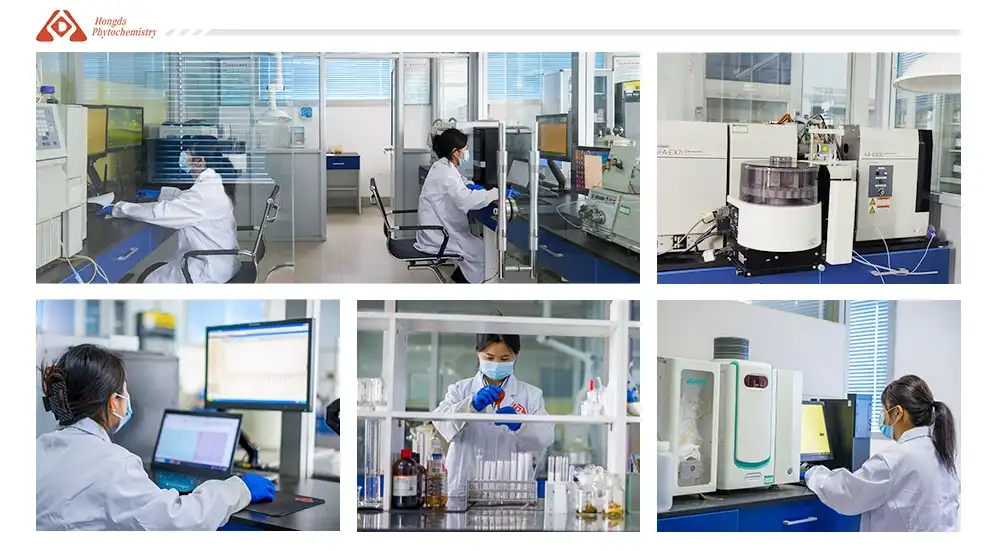
Hongda operates two dedicated R&D institutions and an SGS-standardized laboratory co-established with university professors, staffed by over 20 researchers and testing specialists. The laboratory is equipped with high-performance liquid chromatographs, gas chromatographs, atomic absorption spectrophotometers, polarimeters, automatic titrators, and more—an analytical toolkit that supports both ongoing quality control and the development of new ingredient grades and specifications. Every shipment of ferrous fumarate powder is released against a full COA covering iron content, moisture, heavy metals, pesticide residues, and microbiological parameters. This isn't just paperwork — it's the output of a functioning quality system that treats every batch as a liability until testing confirms it isn't. As a recognized ferrous bisglycinate manufacturer and multi-product iron ingredient supplier, Hongda applies the same testing rigor across its entire iron portfolio.
Supply Reliability and Logistics
Hongda's 3,000 m² warehouse maintains six dedicated storage zones, with Zone E specifically reserved for vitamins and amino acid products—the category that includes ferrous fumarate powder and products supplied by a ferrous bisglycinate manufacturer. Professional sterilization is conducted regularly in all zones, and inventory is managed to ensure consistent availability for both spot orders and long-term supply agreements. Standard packing is 25 kg/drum (27 drums per tray), and delivery lead times run 3–7 working days from order confirmation. For customers in Europe, Hongda also maintains European warehouse stock, shortening lead times for urgent orders and allowing smaller trial purchases without committing to full container minimums.
Conclusion
From clinical anemia treatment to large-scale food fortification, ferrous fumarate powder earns its position as one of the most reliable and cost-effective iron supplement ingredients available. Its combination of high elemental iron density, oxidative stability, and broad regulatory acceptance makes it a smart choice for formulators targeting any major market. Shaanxi Hongda Phytochemistry Co., Ltd.'s 24-year manufacturing track record, full certification portfolio, and SGS-standardized quality system ensure that the powder you receive performs exactly as specified — every batch, every time. If your supply chain deserves that certainty, Hongda is the right partner to provide it.
FAQ
1. What is the elemental iron content of ferrous fumarate powder?
Hongda's Ferrous Fumarate Powder contains 32.5–33% elemental iron—the highest loading among common organic iron salts—making it one of the most dose-efficient options for supplement and food fortification formulations.
2. How does ferrous fumarate compare to ferrous sulfate for supplements?
Ferrous fumarate offers better oxidative stability, lower metallic odor, and superior sensory performance in finished products compared to ferrous sulfate, while delivering a comparable or higher therapeutic iron dose per unit weight.
3. What certifications does Hongda's Ferrous Fumarate Powder carry?
Hongda holds cGMP, FSSC22000, ISO9001, ISO22000, BRC, Halal, Kosher, FDA registration, and both EU and NOP organic certifications—covering all major regulated markets globally.
4. What is the minimum order quantity and delivery lead time?
Standard packing is 25 kg/drum. Lead time is 3–7 working days. Hongda supports flexible MOQ for new customers and maintains European warehouse stock for faster EU delivery.
Source Pharmaceutical-Grade Iron Ingredients With Confidence | HONGDA
Whether you're scaling an existing Ferrous Fumarate Powder iron supplement line or developing a new fortified food product, Shaanxi Hongda Phytochemistry Co., Ltd. has the manufacturing capacity, certification depth, and technical support to back your formulation goals. With 3,000 tons of annual output, 3–7 day lead times, and a complete compliance package ready for any target market, the path from enquiry to first shipment is shorter than you think. Don't let ingredient uncertainty slow your launch — get in touch with the Hongda team today. Email Us: duke@hongdaherb.com
References
1. Hurrell, R. F., Ranum, P., de Pee, S., Biebinger, R., Hulthen, L., Johnson, Q., & Lynch, S. (2010). Revised recommendations for iron fortification of wheat flour and an evaluation of the expected impact of current national wheat flour fortification programs. Food and Nutrition Bulletin, 31(1 Suppl), S7–S21.
2. World Health Organization. (2006). Guidelines on Food Fortification with Micronutrients. WHO Press, Geneva.
3. Tolkien, Z., Stecher, L., Mander, A. P., Pereira, D. I., & Powell, J. J. (2015). Ferrous sulfate supplementation causes significant gastrointestinal side-effects in adults: a systematic review and meta-analysis. PLOS ONE, 10(2), e0117383.
4. Moretti, D., Zimmermann, M. B., Muthayya, S., Thankachan, P., Lee, T. C., Kurpad, A. V., & Hurrell, R. F. (2006). Extruded rice fortified with micronized ground ferric pyrophosphate reduces iron deficiency in Indian schoolchildren. American Journal of Clinical Nutrition, 84(4), 822–829.
5. Lynch, S. R. (2000). The effect of calcium on iron absorption. Nutrition Research Reviews, 13(2), 141–158.
6. United States Pharmacopeia. (2023). Ferrous Fumarate Monograph (USP–NF). United States Pharmacopeial Convention, Rockville, MD.
_1772591348576.webp)