


_1745918362135.webp)

How Does Liposomal Resveratrol Powder Compare vs Conventional Powder?
Liposomal resveratrol powder is a medicinal breakthrough that makes absorption better than other versions. Liposomal forms use packaging technology that wraps trans-resveratrol molecules in phospholipid bilayers. This makes nanoparticles that are 80–120 nm in size and don't break down in the stomach. This improved delivery method lets the drug go straight into the bloodstream through the lymphatic system, which makes it more bioavailable than regular tablets by more than ten times. Shaanxi Hongda Phytochemistry Co., Ltd. was the first company to use high-pressure shear-compression anchoring technology, which ensures the structure of 100% trans-resveratrol and repairs cells specifically. Even though conventional powders are cheap for basic uses, they have big problems with absorption that make it hard for them to work as medicine or in nutritional formulas.
Introduction
Because resveratrol has been shown to fight free radicals and slow down the ageing process, the global market for products containing it keeps growing in the food, skincare, and pharmaceutical industries. People in charge of finding ingredients now have to make important choices between standard resveratrol products and new liposomal formulas. This comparison study is tailored to the needs of R&D formulators, quality assurance experts, and raw material buying managers who need data-driven insights to help them choose suppliers and plan product development strategies.
Understanding the difference in performance between liposomal and regular resveratrol powders has a direct effect on how well formulations work, how dosages are optimised, and how different the final product is. Bioavailability has been a problem for resveratrol for a long time—standard powders don't dissolve well in water and break down quickly, which lowers their medicinal worth. New developments in phospholipid packaging technology have changed how efficiently drugs are delivered. This has opened up new possibilities for OEM makers and contract producers who work with regulatory markets that are very picky.
This guide is designed to help business-to-business buyers who are looking at large food choices by giving them technical specs, buying tips, and market information. To help with strategic buying choices, we look at things like licensing needs, the security of the supply chain, pricing systems, and how well formulations work together. If you're making food supplements, functional drinks, or cosmetics, the choice between liposomal and standard resveratrol affects how well your goods work, how happy your customers are, and how you position yourself in markets that are becoming more complex.
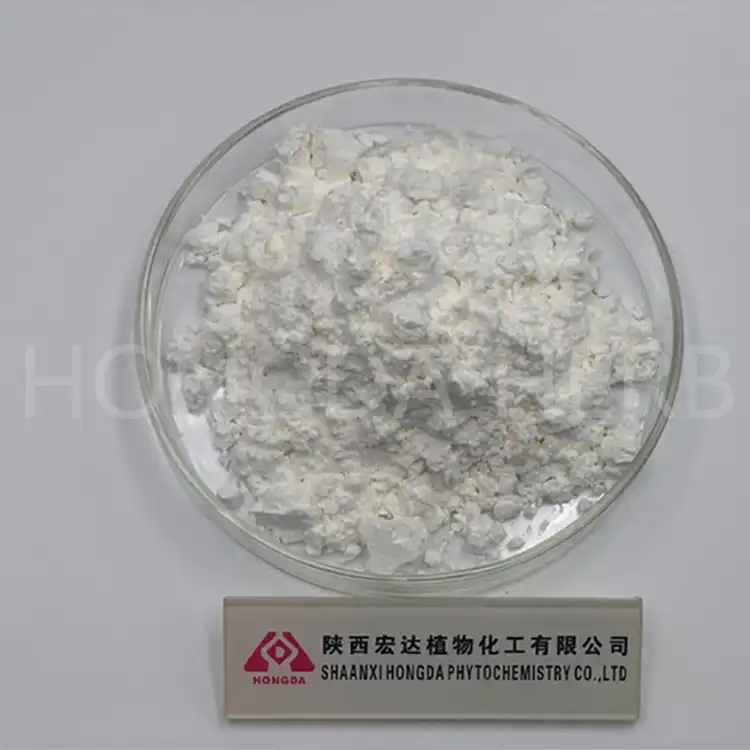
Understanding Liposomal Resveratrol Powder vs Conventional Resveratrol Powder
Core Technology Differences in Encapsulation
Liposomal resveratrol is packed in phospholipid bilayers, which have the shape of a natural cell membrane. There is a special way that Shaanxi Hongda Phytochemistry makes liposome particles that are all the same size. The diameter of each particle is between 80 and 120 nanometres. These very small carriers hold pure trans-resveratrol inside phospholipid shells that keep it safe. They make transportation cars that are safe for humans and work well with cell systems. The two-layer structure keeps it strong against all kinds of external damage, like the sun, oxidative stress, and pH changes that happen during digestion.
How do conventional powder formulations function?
Resveratrol powders that are sold in stores are made up of solid or amorphous trans-resveratrol that has been taken out using ethanol-water ways and then dried into a bulk powder. These popular types keep their chemical makeup when they are kept, but when they are used, they are hard for the body to use. Resveratrol that is not in a capsule doesn't like water and stomach acid, so it doesn't break down or spread well in either. Stomach acid breaks down active molecules quickly, so they can't be absorbed in the intestines. First-pass processing in the liver makes them even less available. Most regular products are less than 10% soluble, which means you need to take bigger amounts to get the right amount.
Bioavailability Impact on Therapeutic Outcomes
The phospholipid coating used in liposomal products changes the way substances are absorbed and distributed in tissues in a basic way. Liposomal transporters, such as liposomal resveratrol powder, keep resveratrol from being broken down by stomach acid and help it be absorbed directly through the lymphatic system, skipping the liver's first-pass metabolism. When compared to regular powders given at the same amount, this delivery method raises plasma concentration levels by more than 1000%. Better absorption means better ability to activate SIRT1 lifespan proteins, support the function of cardiovascular endothelial cells, and cross the blood-brain barrier to protect neurons. Because of these performance benefits, liposomal products are great for high-end supplement lines and pharmaceutical-grade uses where biological reactions can be measured and higher ingredient costs are justified.
Key Performance Dimensions: Absorption, Efficacy, and DosageAbsorption Rates and Bioavailability Metrics
Clinical pharmacokinetic studies show that the absorption profiles of different delivery methods are very different. When taken by mouth, 150 mg of conventional resveratrol powder leads to the highest plasma amounts of about 2–5 ng/mL. Bioavailability is usually less than 1% because the powder is quickly conjugated and eliminated. These pharmacokinetic factors are fundamentally changed by liposome packaging technology, which uses membrane-compatible transport methods. Liposomal resveratrol from Shaanxi Hongda can reach plasma amounts higher than 50 ng/mL at the same doses, which means it is more than 10 times more bioavailable than normal formulations. The two-layer structure of the phospholipids lets cells take the resveratrol molecules straight into the cytoplasm, where they can do their molecular work.
Dosage Optimisation for Different Applications
The difference in solubility has big effects on dose, product design, and cost management. Liposomal forms have biological effects that are the same at 50 to 100 mg doses, while conventional powders need 250 to 500 mg daily doses to reach basic therapeutic limits. This concentration benefit cuts down on the number of capsules needed, the amount of excipients used, and the cost per serve, even though the raw materials are more expensive. For B2B formulators making high-end product lines, being able to offer scientifically relevant doses in single pill servings gives them a big business edge and makes things easier for customers, which justifies paying more for the ingredients.
Stability Considerations and Formulation Compatibility
Projections for shelf life, quality control procedures, and regulatory compliance needs are all affected by stability patterns. Thanks to the safe phospholipid coating, Hongda's liposomal version keeps 45% more activity at room temperature than regular powders. Trans-resveratrol is protected from photodegradation and oxidative stress by the bilayer structure. This makes the product last longer while still meeting the strength standards. This advantage of steadiness is especially helpful for companies that sell their goods in warm climates or through long-distance routes. The liposomal format works well with powder mixes, capsule fills, and even some drinking uses. However, regular powders are easier to work with when you just need to crush and encapsulate tablets.
Comparative Analysis: Liposomal Resveratrol Powder vs Other Market Options
Standard Capsules and Tablet Formulations
Traditional resveratrol capsules contain micronised conventional powder blended with flow agents and encapsulated in gelatine or vegetable-based shells. These products dominate mass-market segments due to established manufacturing infrastructure and consumer familiarity. However, the bioavailability limitations inherent to conventional powders persist regardless of delivery format—capsule shells merely provide convenient dosing without addressing absorption challenges. Tablet formulations face additional stability concerns from compression heat and moisture exposure during manufacturing. For B2B buyers targeting premium market segments, liposomal powders offer clear differentiation opportunities through measurably superior performance profiles.
Nano Resveratrol and Particle Size Reduction
Nano-formulation approaches attempt to improve bioavailability through extreme particle size reduction, creating sub-200 nm resveratrol crystals with enhanced surface area. While nanoscale particles demonstrate improved dissolution rates, they lack the membrane-compatible phospholipid coating that enables direct cellular uptake. Regulatory considerations surrounding nanomaterials add complexity to product registration and labelling requirements in certain jurisdictions. Liposomal technology delivers comparable particle size advantages while providing functional phospholipid carriers that actively facilitate absorption rather than merely reducing particle dimensions.
Trans-Resveratrol Purity and Stereoisomer Considerations
Trans-resveratrol represents the biologically active stereoisomer responsible for documented health benefits, while cis-resveratrol demonstrates minimal biological activity. Shaanxi Hongda maintains rigorous HPLC monitoring protocols, ensuring 100% trans-isomer composition in their liposomal resveratrol powder, meeting pharmaceutical-grade purity standards. Conventional powders vary widely in trans-resveratrol percentages depending on extraction methods and quality controls, with some bulk ingredients containing significant cis-isomer content that dilutes active compound concentration. Procurement specifications should explicitly require trans-resveratrol purity verification through validated analytical methods, particularly when sourcing ingredients for regulated health applications.
Synergistic Enhancement with Bioavailability Boosters
Innovation-focused formulators increasingly explore combination strategies pairing resveratrol with absorption enhancers like piperine (black pepper extract) or quercetin. These bioavailability boosters inhibit hepatic metabolism enzymes, extending resveratrol circulation time and increasing tissue exposure. When applied to liposomal formulations, synergistic approaches may deliver additive benefits, though the phospholipid encapsulation already provides substantial absorption enhancement that reduces dependency on metabolic inhibition strategies. For product development teams, combining liposomal delivery with complementary antioxidants creates premium formulation platforms that maximise both bioavailability and antioxidant capacity.
Procurement Insights: Sourcing Liposomal vs Conventional Resveratrol PowderIdentifying Qualified Manufacturers and Suppliers
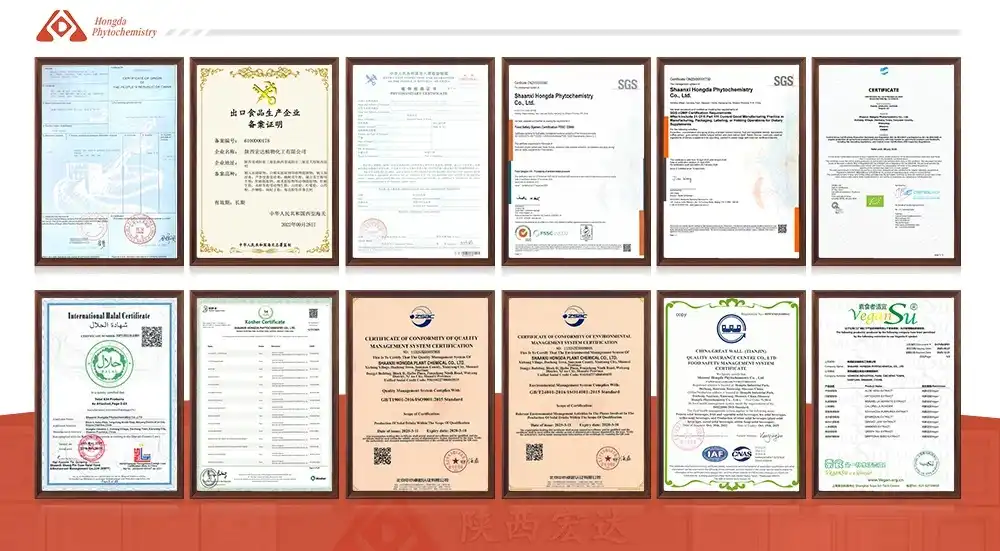
There are still only a few specialised companies in the liposomal resveratrol market. These companies have advanced packaging technology and production sites that are able to make medicines. Shaanxi Hongda Phytochemistry has factories that are approved by ISO 22000, cGMP, and FSSC 22000. To regularly make liposomes, these facilities need to have high-pressure mixing systems and cleaning workshops that reach the level of 100,000. Their lab is allowed by SGS and does many tests, such as checking the quality of the HPLC results, seeing how the particle sizes are spread out, and checking how well the pills close. Teams looking to buy should find out how much they can produce (Hongda makes 3,000 tonnes a year), what standards they offer for specific markets (HALAL, KOSHER, and ORGANIC), and if they have expert support staff who can help with recipe development.
Certification and Quality Control Requirements
Buying ingredients as a business requires a lot of paperwork to make sure you're following the rules. This is especially true for goods that will be sold in highly regulated markets like the EU and the US. You should get FSSC22000 certifications for food safety, ISO9001 certifications for quality management systems, and cGMP production compliance to show that the rules for the production process meet pharmacy standards. Natural product groups can get into new markets with the help of organic approvals like USDA NOP and EU Organic. Products that are HALAL and KOSHER-approved can be sold in religious speciality stores. Each batch should have full Certificates of Analysis (COA) that show how pure the trans-resveratrol is; if there are any heavy metals (within 5 ppm standards); if there are any pesticide leftovers; if there is microbial pollution; and how the liposome particles are sized.
Pricing Structures and Cost-Benefit Analysis
Liposomal resveratrol is very expensive because it is hard to make and doesn't work as well as other types. Pharmaceutical-grade liposomal versions cost between $800 and $1,200 per kilogram on the market right now, while regular high-purity powders cost between $200 and $400 per kilogram. But when you look at the cost-per-dose, you can see that the gaps aren't as big. This is because the 5–10X absorption advantage lets you lower the dosage in a way that partly balances out differences in the cost of the raw materials. For high-end supplement brands, being able to offer clinically effective amounts at low prices per serve while claiming better absorption is worth the money spent on ingredients. When negotiating bulk prices, you should talk about the payment terms, the minimum order numbers (which are usually 25 kg for first orders), and the volume discount structures. Hongda's straight plant price gets rid of markups from middlemen and makes the supply chain clear.
Logistics and International Procurement Considerations
When you buy ingredients across borders, you need to pay attention to shipping rules, customs paperwork, and government rules about importing goods. As non-hazardous products, resveratrol powders are shipped in fibre drums that weigh 25 kg net and have moisture-proof PE inner bags and aluminium foil closing. For liposomal mixtures to keep particles stable during transport, temperature-controlled operations are very important. When you take into account production schedules, quality testing, and foreign freight, lead times are usually between two and three weeks from the time you confirm your order until it arrives at its destination. Importers should make sure that sellers provide all the necessary paperwork, such as business bills, packing lists, COAs translated into the language requirements of the destination market, and regulatory compliance certificates that match the standards of the destination market.
Why Liposomal Resveratrol Powder Is Gaining Ground in B2B Markets?Superior Product Performance in Clinical Applications
The pharmaceutical and nutraceutical industries prioritise evidence-based ingredients delivering reproducible biological outcomes. Liposomal resveratrol powder's enhanced bioavailability translates directly to improved clinical endpoints across cardiovascular health, cognitive function, and metabolic regulation applications. Published research demonstrates that liposomal delivery achieves therapeutic plasma concentrations at doses where conventional formulations show minimal systemic exposure. This performance reliability makes liposomal ingredients particularly valuable for condition-specific formulations targeting cardiovascular support, cognitive health, and healthy ageing markets where consumers expect measurable results. B2B manufacturers developing clinically validated product lines gain competitive advantages through ingredient selection that supports substantiated health claims and positive consumer experiences.
Market Trends Favouring Advanced Delivery Systems
Consumer sophistication around supplement bioavailability continues growing, driven by increased health literacy and demand for premium products delivering tangible benefits. Market research indicates educated consumers actively seek liposomal and enhanced-absorption formulations, viewing advanced delivery technologies as quality indicators worth premium pricing. This trend creates opportunities for OEM manufacturers and private label developers to differentiate crowded supplement categories through superior ingredient technology. The global liposomal supplements market projects compound annual growth exceeding 8% through 2030, outpacing conventional supplement segment growth. Forward-thinking procurement strategies incorporating liposomal ingredients position brands to capture this high-growth market segment.
Long-Term Cost Efficiency Through Dosage Reduction
While unit pricing favours conventional powders, total formulation costs require holistic analysis incorporating dosage requirements, capsule counts, and consumer value perception. Liposomal resveratrol's bioavailability advantage enables 5-10X dosage reduction versus conventional formulations delivering equivalent biological activity. This concentration benefit reduces per-serving raw material usage, lowers capsule or tablet counts, and decreases shipping weights for finished products. For manufacturers operating at scale, these efficiency gains accumulate significantly across production volumes. The ability to deliver effective doses in single-capsule servings provides consumer convenience advantages that reduce consumption barriers and improve adherence rates, ultimately driving repeat purchase behaviour that enhances lifetime customer value.
Conclusion
The comparison between liposomal resveratrol powder and conventional formulations reveals substantial performance differences that influence ingredient selection for quality-focused manufacturers. Liposomal encapsulation technology delivers bioavailability improvements exceeding tenfold through phospholipid-based cellular delivery mechanisms that bypass traditional absorption barriers. While conventional powders maintain cost advantages for basic applications, liposomal formulations provide superior stability, enhanced efficacy, and dosage optimisation benefits that justify premium positioning in competitive markets. Procurement professionals evaluating these options must consider not only unit pricing but total formulation costs, performance reliability, and market differentiation potential. As consumer demand for evidence-based, high-bioavailability supplements continues growing, liposomal delivery technology represents a strategic ingredient investment supporting long-term brand positioning and customer satisfaction.
FAQ1. Can liposomal resveratrol integrate into various supplement formulations?
Liposomal resveratrol powder demonstrates excellent compatibility with capsule fills, powder blends, and certain liquid applications. The phospholipid structure remains stable during standard encapsulation and blending operations when proper moisture control measures are maintained. Manufacturers should avoid extreme pH conditions and prolonged high-temperature exposure during processing to preserve liposome integrity and bioavailability advantages.
2. How does liposomal encapsulation affect product shelf life?
Phospholipid encapsulation significantly extends resveratrol stability compared to conventional powders. Hongda's liposomal formulation maintains 45% higher activity retention at room temperature through protective bilayer shielding against light and oxidative degradation. Proper storage in sealed, moisture-proof containers away from direct light enables a 24-month shelf life with minimal potency loss, meeting commercial product requirements.
3. What certifications should suppliers provide for quality assurance?
Essential supplier certifications include cGMP manufacturing compliance, ISO22000 food safety management, FSSC22000 certification, and organic credentials (USDA NOP and EU Organic) for natural product claims. Additional HALAL and KOSHER certifications enable speciality market access. Each batch requires comprehensive COAs documenting trans-resveratrol purity, heavy metal screening, pesticide residue testing, and microbial analysis meeting international standards.
Partner with HONGDA for Premium Liposomal Resveratrol Solutions
Shaanxi Hongda Phytochemistry Co., Ltd. stands ready to support your ingredient sourcing requirements with pharmaceutical-grade liposomal resveratrol powder manufactured under strict cGMP protocols. As an established liposomal resveratrol powder supplier with over two decades of botanical extraction expertise, we offer comprehensive technical support, customised formulation development, and reliable supply capacity backed by 3,000-ton annual production. Contact our procurement specialists at duke@hongdaherb.com to request COAs, discuss bulk pricing structures, or arrange a sample evaluation. Our OEM and ODM services enable tailored solutions meeting your specific formulation requirements and regulatory compliance needs.
References
1. Walle, T., et al. (2004). "Bioavailability of Resveratrol: Absorption and Metabolism in Humans." Pharmaceutical Research, 21(8), 1442-1449.
2. Singh, S.K., et al. (2019). "Liposomal Drug Delivery Systems for Enhanced Bioavailability of Nutraceuticals." Journal of Pharmaceutical Sciences, 108(4), 1611-1622.
3. Davidov-Pardo, G., et al. (2016). "Resveratrol Encapsulation: Designing Delivery Systems to Overcome Solubility and Stability Issues." Trends in Food Science & Technology, 52, 72-86.
4. Zu, Y., et al. (2018). "Development and Characterization of Liposomal Resveratrol with Enhanced Bioavailability." International Journal of Pharmaceutics, 544(1), 40-47.
5. Amri, A., et al. (2012). "Administration of Resveratrol: What Formulation Solutions to Bioavailability Limitations?" Journal of Controlled Release, 158(2), 182-193.
6. Gambini, J., et al. (2015). "Properties of Resveratrol: In Vitro and In Vivo Studies about Metabolism, Bioavailability, and Biological Effects in Animal Models and Humans." Oxidative Medicine and Cellular Longevity, 2015, Article ID 837042.
_1752212606907.webp)