


_1745918362135.webp)

Liposomal Vitamin C Powder Bulk vs Standard Vitamin C Powder?
Why is liposomal vitamin C powder bulk better than regular vitamin C powder? The biggest difference is how well it is soluble and taken up by cells. As the need for high-quality food products grows, companies are giving more attention to the quality of those nutrients and how they are delivered. Hongda Phytochemistry, through its subsidiary Shaanxi Hongda Phytochemistry Co., Ltd., sells liposomal vitamin C powder in bulk to OEM and ingredient users around the world. The company helps make vitamin C more stable and effective by using cutting-edge liposomal encapsulation technology. This makes it good for use in dietary supplements, functional foods, drinks, and cosmetics.
Why Is Liposomal Vitamin C Different from Standard Vitamin C?
How Liposomal Delivery Works
Ascorbic acid and sodium ascorbate are two common types of vitamin C tablets that dissolve quickly but may lose some of their usefulness during digestion. Liposomal technology puts phospholipid membranes around vitamin C to help protect the active ingredient before it gets to the intestines. This safe structure is meant to make the ingredients more stable and help them absorb better than in regular vitamin C formulas.
Key Features of Standard Vitamin C Powder
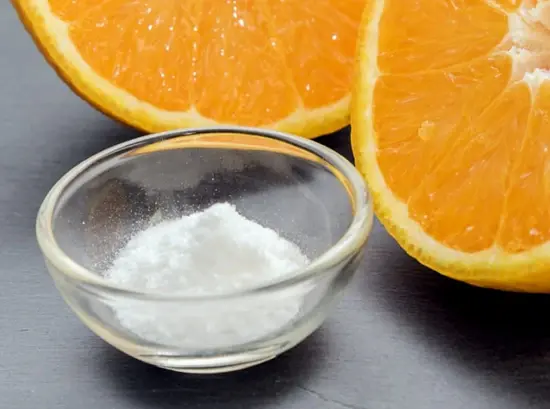
Standard vitamin C is still one of the most popular nutritional ingredients because it is cheap, simple to make, and can be used in a lot of different food and supplement products. Vitamin C, on the other hand, depends on certain transport mechanisms in the intestine, so higher intake levels may make absorption less effective.
What Are the Advantages of Liposomal Vitamin C Powder Bulk?
Improved Ingredient Delivery
The advanced delivery system is one of the best things about liposomal vitamin C powder bulk. The phospholipid layer helps protect vitamin C from being broken down by digestion and helps the body take it in more efficiently. This technology can help companies that make high-end nutrition goods come up with formulas that work better and have a better place in the market.
Better Stability During Processing
Vitamin C is naturally sensitive to light, oxygen, water, and heat. Liposomal packaging helps make things more stable while they are being made, shipped, and stored. Supplement and functional drink makers may be able to get longer shelf lives and more regular quality from their products if they can make them more stable.
Broader Product Applications
Because liposomal vitamin C powder bulk is so flexible, it can be used in many fields, such as:
- Adding things to food
- Drinks that do things
- Sports food
- Items that bring out the beauty inside
- Mixtures for taking care of skin
- Hospital food service
It's also easy to take and make a lot of because it comes in powder form.
How Does Liposomal Vitamin C Compare with Standard Vitamin C?
Bioavailability
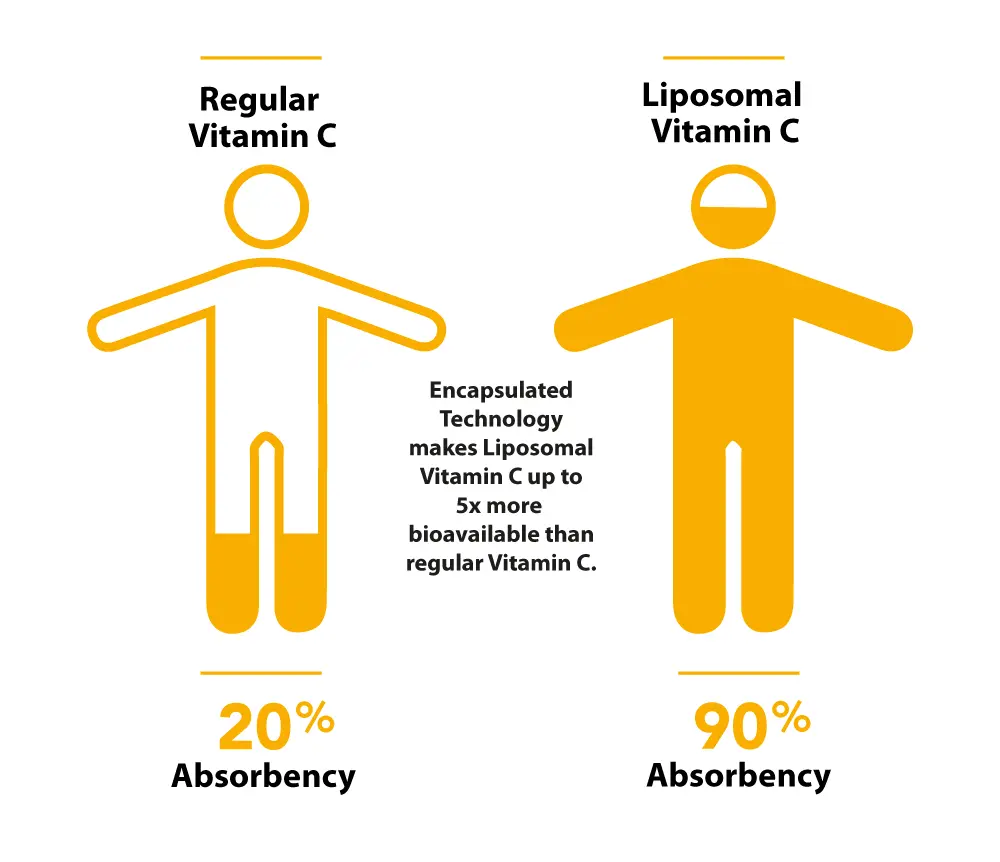
Standard vitamin C is mostly taken through the intestines' transport systems. Liposomal vitamin C, on the other hand, is meant to improve chemical delivery by encasing it in phospholipids. Liposomal formulations are a better way for brands to make their products stand out if they want to reach high-end wellness markets.
Cost Considerations
Standard vitamin C is easier to get and costs less to make. It can also be used in big amounts in health goods.
Liposomal vitamin C powder bulk, on the other hand, has more expensive chemicals but is worth more because it can be found more easily and comes in new forms.
The best thing to do rests on the product's goals, the people you want to buy it, and how you plan to price it.
What Should Buyers Consider When Purchasing Liposomal Vitamin C Powder Bulk?
Manufacturing Standards
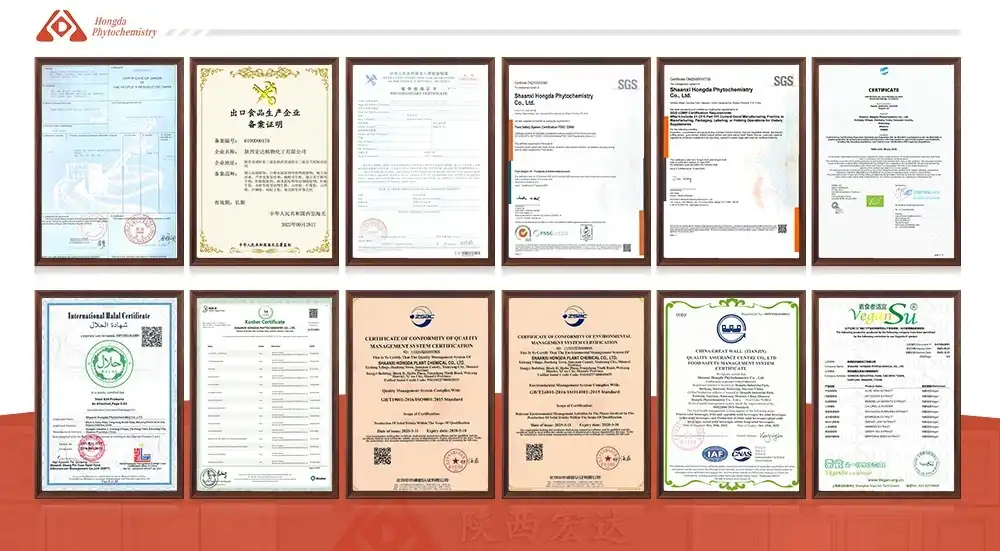
These are things that suppliers you can trust should offer:
- Making things that follow GMPs
- An outside lab did the tests.
- Also known as "certificates of analysis"
- Keep track of each batch
- Particle size hasn't changed.
- Very good closing
These things help make sure that the product's quality stays the same during mass production.
OEM and Custom Development
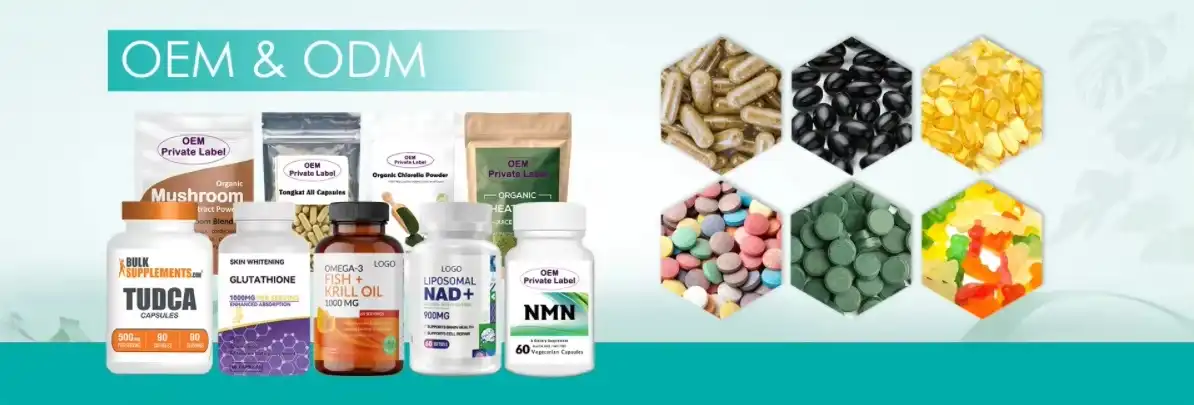
A lot of nutrition brands need unique formulas instead of standard ingredients. With liposomal vitamin C powder bulk, Hongda Phytochemistry helps customers make their own supplements, drink powders, pills, packs, and functional nutrition goods under their own brands.
Supply Chain Reliability
For long-term manufacturing, you need to have a steady supply of goods, flexible packing, and reliable wait times.
Shaanxi Hongda Phytochemistry Co., Ltd. can support foreign buyers with a range of buying needs by offering flexible production capacity and a steady bulk supply.
Which Vitamin C Option Is Better for Your Business?
Choose Liposomal Vitamin C When
This is what liposomal vitamin C powder bulk is great for:
- Top-notch dietary supplements
- Functional drinks
- Food for sports
- Supplements for beauty
- Wellness brands that cost a lot
Its advanced shipping technology helps make products stand out more and put them in a higher price range.
Choose Standard Vitamin C When
Standard vitamin C could be a good choice for:
- Supplements sold in stores
- Adding nutrients to food
- Recipes that care about cost
- Products that were centered on a basic daily diet
It is still a cheap ingredient that can be used in situations where better transport technology is not the main goal.
Conclusion
If you want to market your product, make it, or sell it to specific people, you should choose either standard vitamin C or liposomal vitamin C powder bulk. For simple nutritional products, standard vitamin C is a cheap option. However, liposomal technology makes ingredients more stable and improves delivery, so it's a good choice for high-end formulas. When a company needs to get high-quality liposomal vitamin C powder in bulk, Hongda Phytochemistry and its partner, Shaanxi Hongda Phytochemistry Co., Ltd., can do it. This is possible because they use advanced manufacturing, have strict quality management, offer OEM and ODM services, and have a reliable supply chain around the world. Brands can make new vitamin C products that meet changing customer needs while keeping quality high and staying competitive in the market when they work with a provider with a lot of experience.
FAQ
1. What is the recommended dosage for liposomal vitamin C in supplement formulations?
Typical liposomal vitamin C dosages range from 250 mg to 1,000 mg per serving, depending on therapeutic objectives and target demographics. The enhanced bioavailability enables lower effective doses compared to standard vitamin C while achieving equivalent or superior plasma concentrations. Formulation decisions should consider total vitamin C intake from dietary sources and align with regional regulatory guidelines for supplement dosing.
2. How can procurement teams verify liposomal vitamin C quality and authenticity?
Verification protocols should include Certificate of Analysis review confirming particle size distribution via DLS testing, encapsulation efficiency measurement, vitamin C content via HPLC, and heavy metal screening via ICP-MS. Request third-party laboratory testing reports from accredited facilities and conduct supplier audits examining manufacturing processes, quality management systems, and traceability documentation. Hongda provides comprehensive batch records and supports customer audit programmes to ensure transparency and quality assurance.
3. What minimum order quantities typically apply to bulk liposomal vitamin C powder procurement?
Minimum order quantities vary by supplier and production scheduling but commonly range from 100kg to 500kg for liposomal vitamin C powder. Hongda's substantial inventory of 15 tonnes across liposomal product lines enables flexibility in order sizing and rapid fulfilment. Custom packaging configurations can accommodate various volume requirements while optimising logistics efficiency and handling convenience.
Partner with HONGDA for Premium Liposomal Vitamin C Powder Bulk Supply
Sourcing pharmaceutical-grade liposomal vitamin C powder bulk requires a manufacturing partner combining advanced production technology, rigorous quality systems, and responsive supply chain capabilities. Shaanxi Hongda Phytochemistry Co., Ltd. delivers these capabilities through 25 years of specialized experience in botanical extraction and liposomal delivery system development. Our proprietary thin-film hydration and ultrasonic nano-shearing process produces liposomal vitamin C with 90%+ encapsulation efficiency, 100-250nm particle size control, and exceptional stability profiles verified through comprehensive analytical testing. With ISO22000, FSSC 22000, cGMP, HALAL, KOSHER, and organic certifications supporting global regulatory compliance, we serve as a trusted liposomal vitamin C powder bulk supplier for nutraceutical, cosmetic, and pharmaceutical manufacturers across North America, Europe, and Asia. Contact our technical team at duke@hongdaherb.com to discuss your formulation requirements, request samples, and explore customized OEM solutions that accelerate your product development objectives.
References
1. Davis, J.L., Paris, H.L., Beals, J.W., et al. "Liposomal-encapsulated Ascorbic Acid: Influence on Vitamin C Bioavailability and Capacity to Protect Against Ischemia-Reperfusion Injury." Nutrition and Metabolic Insights, vol. 9, 2016, pp. 25-30.
2. Gopi, S., Balakrishnan, P. "Evaluation and Clinical Comparison Studies on Liposomal and Non-Liposomal Ascorbic Acid (Vitamin C) and Their Enhanced Bioavailability." Journal of Liposome Research, vol. 31, no. 4, 2021, pp. 356-364.
3. Hickey, S., Roberts, H.J., Miller, N.J. "Pharmacokinetics of Oral Vitamin C." Journal of Nutritional & Environmental Medicine, vol. 17, no. 3, 2008, pp. 169-177.
4. Padayatty, S.J., Sun, H., Wang, Y., et al. "Vitamin C Pharmacokinetics: Implications for Oral and Intravenous Use." Annals of Internal Medicine, vol. 140, no. 7, 2004, pp. 533-537.
5. Rajendran, R., Girija, A.R. "Liposomal Drug Delivery Systems: Current Trends and Applications in Disease Therapy." Current Pharmaceutical Design, vol. 25, no. 33, 2019, pp. 3570-3584.
6. Šilhavý, J., Zídková, J., Liška, F., et al. "Biodistribution and Bioavailability of Liposomal Vitamin C in Humans: Comparative Study." Nutrients, vol. 12, no. 10, 2020, article 3037.