


_1745918362135.webp)

How Does Zinc Bisglycinate Powder Improve Zinc Absorption?
Zinc bisglycinate powder is better absorbed because it has a special chelated structure. This is where one zinc ion joins with two glycine molecules. This shape saves the mineral from common dietary blockers like phytates and competing minerals. Instead of normal mineral routes, the mineral can be absorbed through special amino acid transport channels. According to clinical tests, zinc bisglycinate powder is about 43% more bioavailable than regular zinc gluconate. This makes it very useful for people who are making high-quality supplements. At Hongda Phytochemistry, we know that how well a product is absorbed has a direct effect on how well it works. That's why we focus on making pharmaceutical-grade chelated minerals that meet the strict needs of nutritional makers around the world.
Understanding Zinc Absorption Challenges
Zinc has to go through a lot of problems on its way from the vitamin to the cell function, which makes it less effective. Traditional zinc vitamins, like zinc oxide, zinc sulphate, and normal zinc gluconate, have problems with absorption that make them less useful in recipes. When these inorganic salts get to the acidic environment of the stomach, they quickly break apart, letting food components mess with zinc ions right away.
Dietary Inhibitors Create Absorption Barriers
Phytates are naturally occurring chemicals that are found in large amounts in grains, beans, and nuts. They bind to zinc ions and create insoluble complexes that the intestinal wall can't absorb. This relationship explains why zinc shortage can happen in groups of people who eat enough. When there are large amounts of calcium and iron in the body, they fight for the same absorption sites along the gut epithelium. This makes zinc less bioavailable. For people who make products, this means that regular types of zinc might not work as well in multi-mineral mixes or when eaten with fibre-rich foods.
Gastrointestinal Tolerance Issues
Free zinc ions hurt the lining of the stomach, making people feel sick and giving them a bitter taste that makes them less likely to follow the instructions. This is a big problem for companies that want to make reliable long-term nutrition plans. Because sulphates and oxides dissociate, they directly interact with taste receptors and the walls of the stomach, making people feel bad, which makes them stop using them. People who make dietary supplements and functional foods have to find a balance between how well they work and how well they are tolerated. This is a task that traditional zinc salts have a hard time meeting.
Molecular Structure Determines Uptake Efficiency
The way zinc compounds are chemically arranged affects how quickly they are absorbed. Inorganic salts depend on divalent metal transporters (DMT1), which get full very quickly and have to deal with a lot of competition from other minerals. Because these pathways are restricted in what they can do, the body has a limit on how much elemental zinc can enter the bloodstream during a single digestive cycle. When making products for people who need a lot of zinc, like athletes, pregnant women, or people whose immune systems aren't working well, it's important to understand how these processes work.
The Science Behind Zinc Bisglycinate Powder's Superior Absorption
Zinc bisglycinate powder has a chemical structure that changes how the body knows and moves this important mineral. In contrast to simple salts, this substance has zinc permanently attached to two glycine molecules in a stable heterocyclic ring structure. This makes what biochemists call an amino acid chelate.
Chelation Creates a Protective Transport Mechanism
When zinc covalently bonds to glycine, the complex has a neutral electrical charge that keeps the mineral from reacting with other minerals in a way that would be harmful. This defence stays in place as the compound moves through the low-pH environment of the stomach, stopping early breakup and keeping the chelate structure until it gets to the small intestine. In a way, the glycine ligands "mask" the zinc ion, which lets it get around the mineral transport systems that normally stop zinc absorption. Fourier Transform Infrared Spectroscopy (FTIR) research shows that these links stay strong in pH ranges from 3.5 to 9.0, showing that they are strong throughout the digestive system.
Amino Acid Transport Pathways Enhance Uptake
The small intestine sees zinc bisglycinate powder as a dipeptide instead of a mineral ion. This lets it be absorbed through PEPT1 transporters, which are special channels made for amino acid molecules. Mineral ion channels don't affect these routes, so calcium, iron, and magnesium don't have to compete with them. Studies that check blood zinc levels after supplementation regularly find that zinc bisglycinate powder forms rise faster and reach higher peak concentrations than citrate or gluconate forms. This chelate's molecular weight of about 213.5 g/mol (anhydrous base) puts it in the best size range for dipeptide transporters to recognise, which increases the efficiency of uptake.
Shaanxi Hongda Phytochemistry Co., Ltd. follows strict chelation verification methods and uses FTIR analysis to make sure that the coordinate bonds are real, not just simple physical mixes of zinc salts and glycine. Our quality control lab checks the nitrogen-to-zinc molar ratio, aiming for the ideal 2:1 stoichiometry, which means full chelation. This level of analytical thoroughness makes sure that buying managers get real chelated material and not cheap salt-amino acid mixes that don't have the absorption benefits.
Documented Bioavailability Advantages
Studies on how bioavailable zinc is in humans show that zinc bisglycinate powder has blood concentrations that are about 43% higher than zinc gluconate when given at the same basic zinc doses. This means that the activity of enzyme cofactors will be higher, immune cell proliferation markers will be better, and supplementation studies will have better results. The elemental zinc level of the compound is usually between 20 and 30 per cent by weight. This lets formulators figure out the exact dose that takes into account both the chelate structure and the bioavailability gain that is wanted. These pharmacokinetic benefits make it possible to use smaller total doses while still getting better physiological reactions when making goods for immune support, sports recovery, or maternal nutrition.
Practical Insights for B2B Clients: Usage, Dosage, and Quality Considerations
When making formulations with zinc, procurement workers have to deal with technical details that have a direct effect on how well the product works and how well it meets legal requirements. Understanding these factors is what sets market-leading vitamins apart from average ones.
Formulation Versatility Across Product Categories
The zinc bisglycinate powder works very well in a wide range of application forms. When used in capsules and tablets, the powder's constant particle size distribution (usually 80–100 mesh) ensures that it mixes evenly with other active ingredients and excipients, which stops them from separating during production. For making healthy drinks, the substance dissolves much better in water than oxides and carbonates. However, formulators who want liquids that are completely clear should ask for micronised or instantised grades. The neutral organoleptic profile gets rid of the metallic aftertaste that comes with zinc lozenges and liquid shots. This lets you be creative with the recipe without having to worry about flavour-hiding issues. This chelate's non-competitive absorption is especially helpful for sports nutrition products. Protein powder structures that contain calcium from dairy and magnesium from added minerals no longer get in the way of zinc absorption.
Dosage Guidelines Aligned With Application Goals
Dosing guidelines are based on the target population and the health results that are wanted. Immune support products usually have 15 to 30 mg of elemental zinc in each dose. This is done so that therapeutic tissue concentrations can be reached without going over the maximum amount that the body can safely absorb. For mothers and kids, 8 to 15 mg of elemental zinc is often recommended because these groups are more likely to be sensitive to stomach pain, and the zinc bisglycinate powder is better at being absorbed. Higher amounts (30–50 mg elemental zinc) may be found in athletic recovery goods to help the immune system work better after exercise and replace zinc that is lost through sweat. When working out the formula, keep in mind that zinc bisglycinate powder contains about 20–30% elemental zinc by weight. This means that a 100 mg dose of chelate gives you about 20–30 mg of accessible zinc, which is important for label claims and regulatory submissions.
Quality Assurance Requirements for Procurement
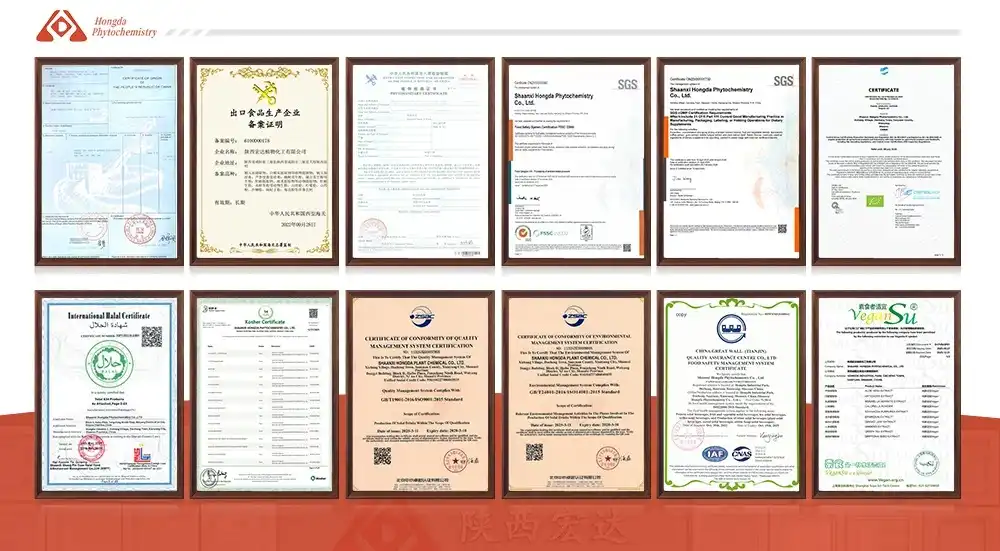
Zinc Bisglycinate Powder: Certificates of Analysis (CoAs) must do more than just test for elements; they must also check for chelate validity and contamination absence. To meet the requirements of California Proposition 65 and the EU, heavy metal tests with Inductively Coupled Plasma Mass Spectrometry (ICP-MS) for zinc bisglycinate powder should show that lead levels are below 0.5 ppm, cadmium levels are below 1 ppm, and arsenic and mercury levels cannot be found. Panels for microbiological tests must include proof of absence for Salmonella, E. Staphylococcus aureus and E. coli. Shaanxi Hongda offers a lot of proof for zinc bisglycinate powder, like FTIR spectroscopy results that clearly show the difference between real chelates and dry-blended mixes. They also offer compliance standards like cGMP, FSSC22000, ISO22000, HALAL, KOSHER, and ORGANIC verification. Traceability goes all the way to the places where our raw materials for zinc bisglycinate powder are grown. Professional agronomists keep an eye on the growing methods that keep the sources of our botanical ingredients and amino acids from getting contaminated. This makes sure that the binding ingredients and amino acids in zinc bisglycinate powder meet pharmaceutical-grade standards.
Zinc Bisglycinate Powder Compared to Other Zinc Forms: A Buyer's Guide
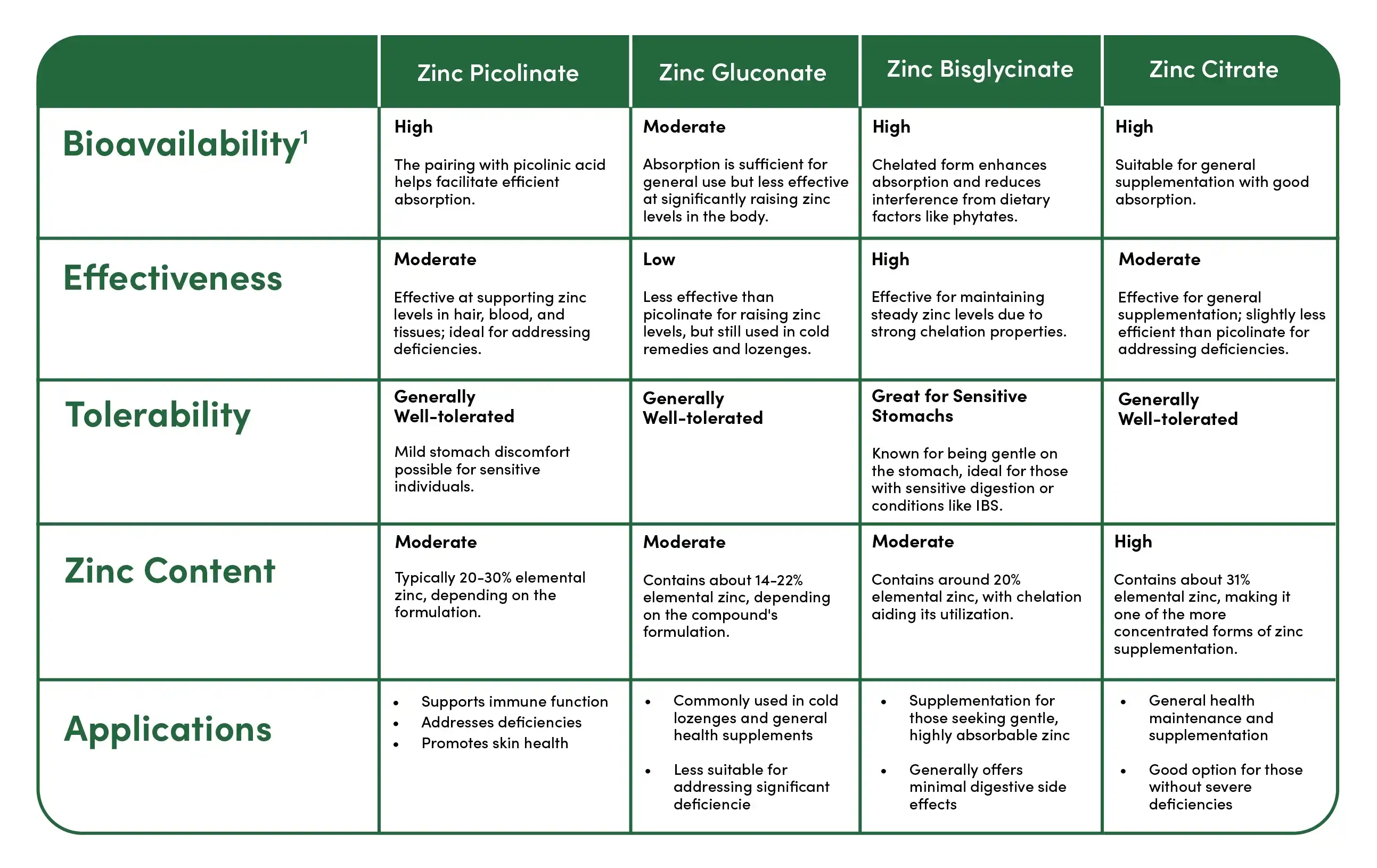
When evaluating zinc molecules, you have to think about their solubility, cost, and how well they work with other ingredients. Each form of zinc has its own pros and cons that affect choices about what to buy.
Zinc oxide, which is made up of about 80% zinc by weight, is the least expensive form of pure zinc. Bioavailability studies, on the other hand, constantly rank it as one of the least effective; absorption rates are sometimes less than 50% of doses given. Even though it seems like a good deal, the compound isn't good for quality formulas because it doesn't dissolve well and can cause stomach problems. Zinc sulphate has a low price and a middling bioavailability, but it is known to make people sick and have a metallic taste, which limits its use to cheaper goods where buyer compliance is not as important.
When it comes to comfort, zinc gluconate is better than sulphates, and its absorption properties are about average. It has been used in clinical studies as a baseline comparison, but its bioavailability is still much lower than that of chelated forms. Zinc citrate is better at dissolving and tasting than gluconate, which makes it popular in carbonated and alcoholic drinks. However, it still uses normal mineral ion transport processes that are slowed down by competing ions. Another chelated form, zinc picolinate, is well absorbed through different transport pathways. However, some studies raise worries about its long-term safety, which makes zinc bisglycinate powder the better chelate for most uses.
When looking at cost per absorbed unit instead of cost per kilogram of raw material, the difference in price between zinc bisglycinate powder and lower-grade forms gets a lot smaller. By using 15 mg of highly soluble zinc bisglycinate powder, a product may reach tissue zinc levels that are the same as 25 to 30 mg of oxide. This means that fewer ingredients are needed, tablets are smaller, and the cost of making them goes down. When B2B buyers are making supplements for picky customers, like those in the US and Europe who read supplement labels very carefully, they think that the higher price for zinc bisglycinate powder is worth it because of its high quality.
When forming supply partnerships, it's important to think about minimum order amounts that work with production plans and keep costs low by avoiding having too much inventory. Shaanxi Hongda offers zinc bisglycinate powder, OEM and private label services, as well as variable MOQ plans for qualified makers, which shorten the time it takes to make a product. Our 3,000-square-metre building keeps a wide range of items in six different storage areas. This makes sure that items are always available and that production rounds can be completed quickly. Logistics services include having the right paperwork for foreign shipping, transporting items at the right temperature when needed, and customising packaging from standard 25 kg fibre drums to designs that work with the client's handling systems.
Conclusion
Zinc bisglycinate powder is a big step forward in mineral supplementation technology because it solves the main problems with absorption that plague other zinc forms. Because of its special chelated structure, protected transport mechanism, and ability to work with amino acid absorption routes, this substance has significantly higher bioavailability. This means that the product works better and customers are happier. If people who buy things for businesses in the nutritional, pharmaceutical, and functional food industries choose zinc bisglycinate powder, it shows that they care about making great formulations and puts their goods at a competitive advantage in markets that care about quality. Manufacturers can make smart sourcing choices that balance performance with purchase efficiency when they understand the technical specs, quality verification requirements, and application benefits listed here. Investing in high-quality zinc bisglycinate powder pays off with smaller serving amounts, better tolerability, and a unique place in the market that allows for higher prices.
FAQ1. How does zinc bisglycinate compare to zinc oxide regarding absorption?
Zinc bisglycinate powder is about 60–80% more bioavailable than zinc oxide because it transports amino acids instead of mineral ions, which avoids mineral ion competition. Before zinc oxide can be absorbed, it has to be changed into an ionic form. Phytates and other minerals that are fighting for the zinc oxide's uptake greatly hinder this process. The chelated structure of zinc bisglycinate powder stays in place while the body breaks down food. This keeps the zinc safe until it gets to the small intestine, where it can be absorbed.
2. Can zinc bisglycinate be used in vegan and allergen-free formulations?
Yes, good zinc bisglycinate powder is naturally vegan because it comes from the chemical production of the mineral zinc and the amino acid glycine instead of animal sources. If you buy the ingredient from a reliable company like Hongda Phytochemistry, it is certified as VEGAN and goes through allergy testing to make sure it doesn't contain any common allergens like gluten, soy, dairy, or nuts. In order to keep formulas safe for specific dietary markets from cross-contamination, our production sites keep separate processing lines.
3. What quality documentation should B2B buyers request from suppliers?
Purchasing managers should ask for full Certificates of Analysis that include FTIR spectroscopy to prove the accuracy of the chelation; heavy metal tests via ICP-MS to show compliance with regulatory limits; microbiological panels; and particle size distribution data. Also, ask for proof of certifications like cGMP, ISO22000, FSSC22000, and organic evidence if they apply. Reliable sellers give batch-specific traceability reports that connect finished powder to source raw materials. This shows full supply chain openness and meets audit requirements for making pharmaceuticals and nutraceuticals.
Partner With HONGDA for Premium Zinc Bisglycinate Powder Supply
To make your product formulations better by absorbing zinc more efficiently, you need a manufacturing partner who knows about both the biochemistry of chelated minerals and the practical needs of B2B buying cycles. Every package of zinc bisglycinate powder from HONGDA comes with over 20 years of specialised phytochemistry knowledge. Our 20,000-square-metre production plant has 10+ modern processing lines and 100,000-level purification workshops to back this up. As a zinc bisglycinate powder manufacturer with cGMP, FSSC22000, ISO22000, HALAL, KOSHER, and ORGANIC certifications, we give procurement managers, R&D formulators, and quality assurance specialists the consistent quality and full documentation they need to meet regulatory requirements in North America, Europe, and Asia.
Our SGS-certified lab, which is filled by more than 20 professor-level scientists, does thorough FTIR testing on every production batch. This makes sure that you get real chelated material instead of fake dry blends. Our technical team can help you with formulations that speed up the time it takes to make your product, whether you need large amounts for mass production, specific particle sizes for unique delivery forms, or OEM/ODM support for private label development. Get in touch with our purchasing experts at duke@hongdaherb.com to talk about your Zinc Bisglycinate Powder needs, ask for batch-specific COAs, or set up a sample review that shows the HONGDA quality difference.
References
1. Gandia, P., Bour, D., Maurette, J.M., et al. (2007). A bioavailability study comparing two oral formulations containing zinc (Zn bis-glycinate vs. Zn gluconate) after a single administration to twelve healthy female volunteers. International Journal of Vitamin and Nutrition Research, 77(4), 243-248.
2. Wegmüller, R., Tay, F., Zeder, C., Brnic, M., & Hurrell, R.F. (2014). Zinc absorption by young adults from supplemental zinc citrate is comparable with that from zinc gluconate and higher than from zinc oxide. Journal of Nutrition, 144(2), 132-136.
3. DiSilvestro, R.A., & Swan, M. (2008). Comparison of four commercially available zinc supplements for performance in a zinc tolerance test. FASEB Journal, 22, 338.4.
4. Barrie, S.A., Wright, J.V., Pizzorno, J.E., Kutter, E., & Barron, P.C. (1987). Comparative absorption of zinc picolinate, zinc citrate and zinc gluconate in humans. Agents and Actions, 21(1-2), 223-228.
5. Scholmerich, J., Freudemann, A., Kottgen, E., et al. (1987). Bioavailability of zinc from zinc-histidine complexes. I. Comparison with zinc sulfate in healthy men. American Journal of Clinical Nutrition, 45(6), 1480-1486.
6. Lonnerdal, B. (2000). Dietary factors influencing zinc absorption. Journal of Nutrition, 130(5S Suppl), 1378S-1383S.