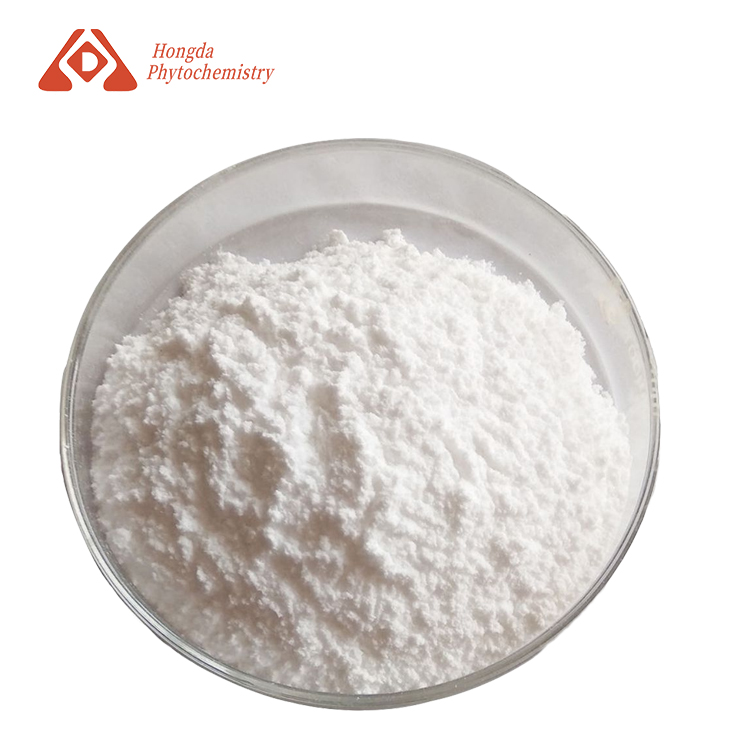



_1745918362135.webp)

Why Is Ferrous Fumarate Powder Popular in Nutraceuticals?
Ferrous fumarate powder is a common iron supplement component worldwide due to its 32.5% chemical iron concentration and stability. Unlike inorganic iron salts, which break down delicate vitamins and lipids during manufacture and storage, this organic iron molecule maintains purity and bioavailability for iron deficiency anaemia treatment. Shaanxi Hongda Phytochemistry Co., Ltd. understands that procurement managers and R&D formulators require ingredients with stringent regulatory compliance, production efficiency, and end-user efficacy. Ferrous fumarate powder is used in nutritional supplements, fortified foods, and animal nutrition due to these properties.
Understanding Ferrous Fumarate Powder: Composition and Nutraceutical Role
Chemical Structure and Fundamental Properties
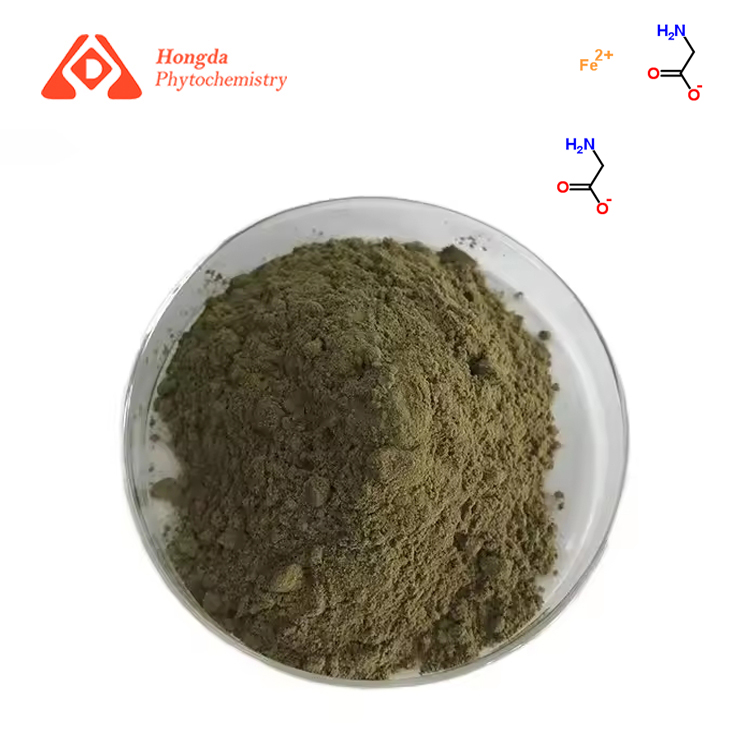
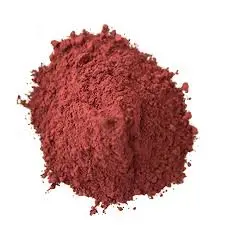
Fumaric acid produces the organic iron(II) salt ferrous fumarate powder (C₄H₂FeO₄). Its molecular weight is 169.90, and it appears like a reddish-orange to brown powder. This haematinic agent doesn't absorb water and is chemically stable in storage, making it unique. Their structure prevents them from absorbing water; thus, they don't need as many anti-caking agents as other iron sources.
Elemental iron is 32.5%, more than ferrous gluconate (12%) and ferrous sulfate (20%). This reduces transportation costs per active ingredient unit and improves end product dosage. For iron-deficient consumers, this density advantage is especially advantageous for high-potency pill or pack manufacturers.
Bioavailability and Absorption Mechanisms
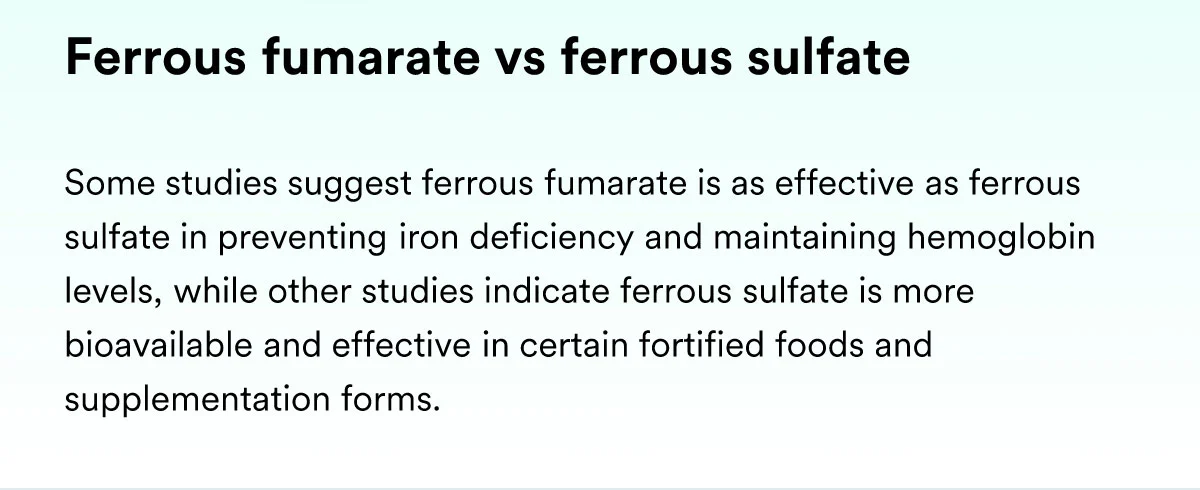
Ferrous fumarate powder dissolves quickly in mild mineral acids, comparable to the stomach, but only minimally in water (0.14 g/100 ml at 25°C). This controlled release ensures iron ions are available in the upper digestive system, where they are best absorbed. Previously considered the benchmark, bioavailability matches ferrous sulfate. Better tolerance helps patients stick to long-term supplementing strategies.
Industrial Stability Advantages
Formulators struggle to prevent co-formulated nutrients from oxidising. Traditional water-soluble iron salts accelerate oxidation with fat-soluble vitamins (A, D, and E) and polyunsaturated fats, turning meals rotten and changing colour. Because ferrous fumarate powder doesn't dissolve easily at neutral pH, these interactions are minimised. The formulation stays structured throughout its shelf life. In animal feed premixes, this stability prevents coprocessed vitamins from breaking down, as is typically the case with ferrous sulphate in pig and chicken feeding regimens.
Key Benefits and Uses of Ferrous Fumarate Powder in Nutraceuticals
Addressing Global Iron Deficiency
Global health data show that iron insufficiency is the most frequent nutritional illness, affecting about 1.6 billion individuals. Ferrous fumarate powder is effective in iron-deficient anaemia tablets and capsules. It doesn't quickly oxidise, making it ideal for long-lasting goods and folic acid combination supplements, where chemical interactions between active ingredients must be minimised for efficacy.
Versatile Application Across Product Formats
Ferrous fumarate powder has several nutritional benefits in addition to being a medicine. It makes infant formula, breakfast cereals, and chocolate drink mixes healthier without adding a metallic flavour or colour like soluble iron salts. Scientists like the compound's behaviour in high-fat matrices because it doesn't accelerate lipid oxidation, which generates off-flavours and lowers customer acceptability.
Formulation Guidance for Product Developers
Functional beverage companies add micronised ferrous fumarate powder to powdered nutritional beverages because its high bulk density makes it easier to mix and administer. These handling qualities assist contract producers in reducing powder mixing issues during large production runs.
The suggested adult intake is 200–300 mg each meal, or 65–100 mg of necessary iron. Particle size distribution is crucial while manufacturing paediatric drugs. Micronised powder (>95% passing 325 mesh) accelerates breakdown rates and shortens stomach time, which may reduce absorption. Hongda Phytochemistry's quality assurance specialists advise keeping ferric iron (Fe³⁺) below 2.0% to ensure most of the iron is ferrous (Fe²⁺). This specification affects therapy effectiveness and is a vital indicator during material evaluations.
Ferrous Fumarate Powder vs. Other Iron Supplements: A Comparative AnalysisAbsorption Rates and Tolerability Profiles
Procurement staff consider technical concerns while buying iron supplements in bulk. Ferrous sulfate works, but it produces stomach troubles and nausea, making it difficult for sensitive populations to use. Ferrous Gluconate is simpler to manage but provides less vital iron per dosage, so you need larger tablets or more than one serving a day.
Iron bisglycinate chelate is bioavailable and produces little stomach distress; however, it is pricey and only utilised in high-end goods. As a ferrous fumarate supplier, ferrous fumarate powder absorbs iron like ferrous sulfate but is less stomach-irritating. It's affordably priced, making it ideal for popular dietary supplement markets.
Practical Manufacturing Considerations
How iron sources compress tablets varies greatly. Ferrous Fumarate Powder's high mass density and free-flowing characteristics improve straight compression. This reduces manufacturing time and cost by reducing granulation processes. Since the powder flows smoothly and doesn't vary dosages, capsule makers enjoy that it works with automatic filling equipment.
Ferrous fumarate powder doesn't mix with polymer films or plasticisers during manufacturing or storage because it's chemically neutral. This helps enteric coatings. Hygroscopic iron salts absorb water from the air and weaken or disintegrate coatings, unlike this stable iron salt.
Procurement Insights: How to Source Quality Ferrous Fumarate Powder for Nutraceutical Manufacturing?
Critical Certification Requirements
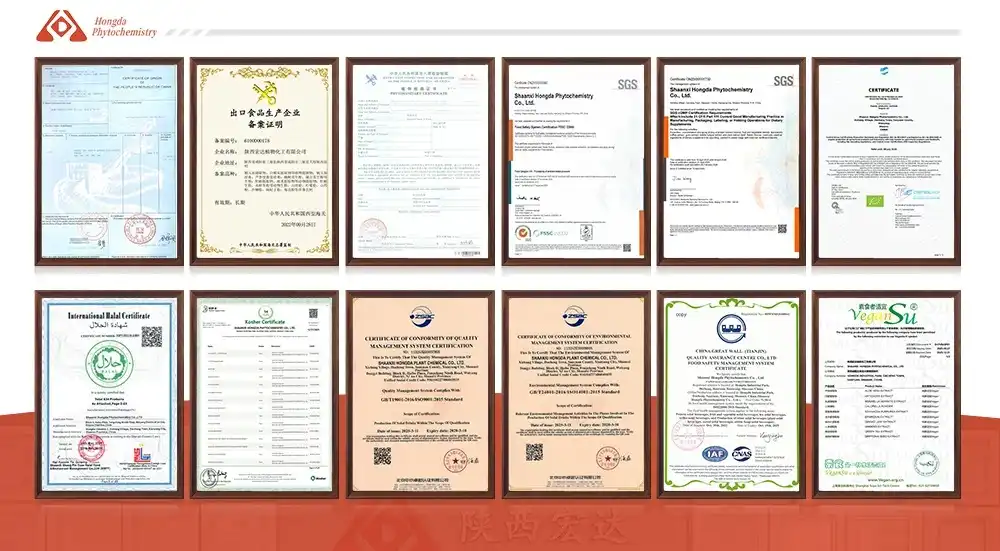
To choose a reliable provider, evaluate many quality control techniques. GMP certifies pharmaceutical manufacturing procedures. ISO 22000 and FSSC 22000 certifications demonstrate supply chain food safety management. HALAL and KOSHER certifications expand markets for items for a wide range of people without modifying their production.
Shaanxi Hongda Phytochemistry Co., Ltd. is cGMP, ISO 9001, ISO 22000, HALAL, KOSHER, and VEGAN-certified. As a National High-Tech Development Enterprise, our 20,000-square-metre facility contains 100,000-level cleaning workshops with national patent technologies. This infrastructure allows for 3,000 tonnes of production per year, ensuring huge contract manufacturers have supplies.
Quality Control Testing Protocols
Professional purchasing requires USP, BP, EP, and FCC-compliant inspections. Assay values between 97.0 and 101.0% on a dry base, sulphate content below 0.2%, and heavy metal limits meeting high international requirements—lead below 1 ppm for paediatric-grade products and low arsenic, cadmium, and mercury levels.
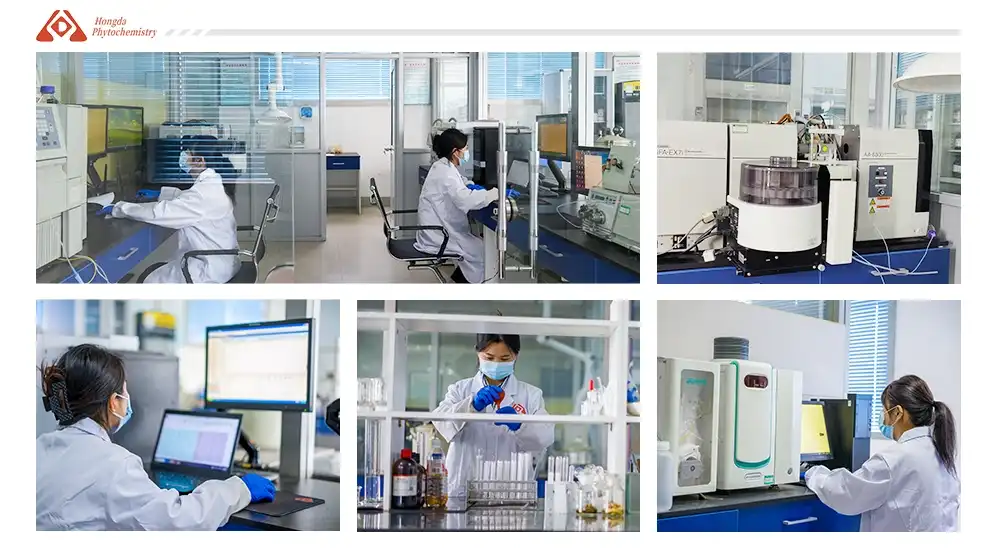
Microbial testing (TAMC/TYMC limits) prevents pathogens from entering final items, and particle size measurement confirms the material dissolves properly. Hongda uses HPLC, UV, gas, atomic absorption, and ICP-MS to ensure batch safety. We engage with SGS and Eurofins to check for pesticide residue, demonstrating our commitment to quality documents.
Strategic Sourcing Considerations
Due to its proximity to raw resources and long history of creating ferrous fumarate powder, China is the dominant ferrous fumarate supplier, and costs are low. Compare suppliers' minimum order quantities (MOQs) to your product needs. Manufacturers often establish MOQs between 500 and 1,000 kg; however, some may formulate with lower trial volumes.
Consider packing needs while arranging logistics. Double-layer, thicker PE bags in fibre drums prevent humidity during maritime freight, and nitrogen cleaning reduces oxidation. Our warehouse divides items into six sections. Temperature and humidity sensors make sure that the best storage conditions are always met, from production to shipping.
Why Ferrous Fumarate Powder Is Becoming the Preferred Choice for Nutraceutical Brands?Market Dynamics Driving Adoption
The worldwide iron supplement industry grows as consumers in developed and developing economies become more conscious of dietary deficiencies. Nutraceutical companies are choosing ferrous fumarate powder more and more to balance claims of effectiveness with consumer-friendly formulas that reduce common supplement complaints. Pharmaceutical success provides regulators with trust, and manufacturing benefits cut production costs. All of these make the firm more competitive.
Innovation in Specialised Applications
Some scientific challenges in modern animal feeding are being solved with ferrous fumarate powder. Raising piglets requires highly soluble iron supplements to prevent anaemia without oxidative damage or diarrhoea. Traditional ferrous sulfate causes gastrointestinal distress, slowing development. Ferrous fumarate powder is the finest starting feed element since it is stable and well accepted, improving animal health.
Sustainability and Clean Label Positioning
Today's buyers scrutinise ingredient labels and choose natural ingredients. In keeping with the clean label movement, ferrous fumarate powder derives from fumaric acid, an organic acid present in many plants and fungi. Consumers who value health and therapeutic efficacy prefer brands that emphasise natural ingredients.
Hongda Phytochemistry considers sustainability beyond ingredient selection. Our three specialised planting bases grow green tea, Sophora japonica beans, and traditional Chinese medicines using regenerative farming methods to safeguard soil and wildlife. This vertical integration allows overseas purchasers to follow raw resources from the field to the final product, ensuring transparent supply chains.
Conclusion
Ferrous fumarate powder is a common nutraceutical ingredient due to its high basic iron content, chemical stability, and excellent absorption. These technological advantages improve formulation performance, shelf life, and buyer compliance compared to other iron sources. As R&D formulators and procurement professionals cope with more difficult laws and escalating prices, Ferrous Fumarate Powder offers a tried-and-true solution supported by decades of pharmaceutical use and expanding nutraceutical appeal. Brands that value quality and efficacy need the ingredient for nutritional supplements, fortified foods, and other nutritional purposes.
FAQ1. What Makes Ferrous Fumarate Suitable for Combination Supplements?
Because ferrous fumarate powder is chemically stable, it doesn't react with readily destroyed vitamins like folic acid, vitamin C, and fat-soluble minerals. Formulators can manufacture comprehensive multivitamin products without deterioration due to this compatibility.
2. How Should Bulk Ferrous Fumarate Be Stored?
Cool, dry storage requires temperatures below 25°C and relative humidity below 60%. Metal foil barriers or double PE coverings should be used to package fibre drums to prevent moisture. These protective precautions prevent the surface from oxidising, which turns ferrous iron into less accessible ferric forms.
3. Can Ferrous Fumarate Meet Vegan Certification Requirements?
Yes, as long as the processing aids and anti-caking chemicals are not animal-based. When properly prepared, ferrous fumarate powder, an organic acid mineral salt, is vegan, vegetarian, HALAL, and KOSHER. This increases brand owners' client reach.
Partner with HONGDA for Premium Ferrous Fumarate Powder Supply
You need a ferrous fumarate powder supplier who balances technical performance, legal compliance, and profit to improve your product line. With our cutting-edge manufacturing facilities, wide variety of certifications, and dedicated professional support staff, Shaanxi Hongda Phytochemistry Co., Ltd. can help. We've worked with nutraceutical companies worldwide for over 20 years and deliver steady quality with thorough testing. Each batch is multi-parameter analysed and has COAs and third-party confirmation before release.
Our direct factory costs and variable MOQs fit production plans and new product development timetables. From micronised powder for fast-dissolving tablets to specific particle size ranges and creative packaging layouts, our OEM/ODM services can bring your ideas to reality. You can email our purchasing team at duke@hongdaherb.com for data sheets, formulation advice, or sample shipments to demonstrate Hongda quality.
References
1. Bothwell, T.H., & Charlton, R.W. (2019). Iron Absorption and Metabolism in Clinical Practice. Cambridge Medical Publishing.
2. Hurrell, R., & Egli, I. (2021). "Comparative Bioavailability of Iron Compounds in Food Fortification." Journal of Nutritional Science, 10(3), 142-158.
3. National Research Council (2020). Mineral Tolerance of Animals: Third Revised Edition. National Academies Press.
4. Zimmermann, M.B., & Hurrell, R.F. (2018). "Iron Fortification Technology and Supplement Formulation." Annual Review of Nutrition, 38, 505-528.
5. Institute of Medicine (2022). Dietary Reference Intakes for Iron and Related Nutrients. National Academy Press.
6. WHO/FAO Expert Consultation (2021). Guidelines on Food Fortification with Micronutrients for Iron Deficiency Control. World Health Organization Press.