


_1745918362135.webp)

How long does retatrutide powder last?
Are you investing in high-quality Retatrutide Raw Powder for pharmaceutical formulations but worried about wasting expensive APIs due to improper storage? Many pharmaceutical manufacturers, research institutions, and compounding pharmacies struggle with maintaining peptide stability, leading to costly product losses and compromised therapeutic efficacy. Understanding how long Retatrutide powder lasts under different storage conditions is essential for maximizing your investment while ensuring optimal patient outcomes. This comprehensive guide answers the critical question: How long does retatrutide powder last? We'll explore storage requirements, stability data, reconstitution guidelines, and best practices to help you preserve the integrity of your Retatrutide Raw Powder supply.
Understanding Retatrutide Raw Powder Stability and Shelf Life
Retatrutide Raw Powder represents a breakthrough in metabolic health management as a triple-hormone receptor agonist targeting GLP-1, GIP, and glucagon receptors simultaneously. This sophisticated pharmaceutical-grade peptide requires careful handling to maintain its potency and therapeutic effectiveness. The stability and longevity of Retatrutide Powder depend significantly on its physical state, storage conditions, and handling practices throughout its lifecycle from manufacturing to final administration. In its lyophilized powder form, high-quality Retatrutide Raw Powder manufactured under cGMP conditions demonstrates exceptional stability when stored properly. Research indicates that pharmaceutical-grade Retatrutide powder can maintain its integrity for up to three years when stored in a freezer at temperatures between negative twenty and negative eighty degrees Celsius. When refrigerated at standard pharmaceutical storage temperatures of two to eight degrees Celsius, the powder remains stable for approximately two years. This extended shelf life in powder form makes Retatrutide Raw Powder an economically viable option for facilities that procure APIs in bulk quantities for research, clinical trials, or commercial manufacturing operations. Temperature control represents the single most critical factor affecting Retatrutide Powder longevity. The molecular structure of this triple-agonist peptide contains sensitive amino acid sequences that can degrade when exposed to heat, light, or moisture. Manufacturers who source pharmaceutical-grade Retatrutide Raw Powder from certified suppliers typically receive products packaged in nitrogen-sealed aluminum bags or tamper-proof drums that protect against environmental degradation during storage and transportation. These protective measures ensure that the raw material arrives at your facility with maximum potency intact, ready for formulation into injectable preparations or continued storage under controlled conditions.
Optimal Storage Conditions for Unreconstituted Retatrutide Powder
The key to maximizing the shelf life of Retatrutide Raw Powder lies in maintaining consistent, appropriate storage conditions from the moment the product arrives at your facility. Unreconstituted lyophilized Retatrutide powder should be stored immediately in a pharmaceutical-grade freezer or refrigerator, depending on your intended timeline for use. For long-term storage exceeding six months, freezer storage at negative twenty degrees Celsius or colder provides optimal protection against degradation. Facilities equipped with ultra-low temperature freezers at negative eighty degrees Celsius can extend stability even further, potentially maintaining product integrity for up to four years. For facilities planning to use Retatrutide Powder within twelve to twenty-four months, refrigerated storage at two to eight degrees Celsius offers a practical alternative that simplifies handling while still providing excellent stability. The Retatrutide Raw Powder should remain in its original sealed packaging until needed, as exposure to ambient moisture and oxygen accelerates degradation processes. If your facility transfers bulk quantities into smaller containers for distribution or formulation, ensure that secondary packaging provides equivalent protection with proper sealing, desiccants, and protection from light exposure. Many pharmaceutical manufacturers implement temperature monitoring systems with automated alarms to detect any deviations from acceptable storage ranges, preventing costly losses from equipment failures or power outages. Room temperature storage of unreconstituted Retatrutide powder should be avoided for extended periods, though brief exposure during shipping or transfer between storage locations typically does not compromise product quality. High-quality Retatrutide Raw Powder from reputable manufacturers undergoes stability testing that confirms the peptide can withstand typical shipping conditions without refrigeration for several days. However, upon receipt, the product should be transferred immediately to appropriate cold storage. This stability during transit allows for global distribution of Retatrutide Powder to pharmaceutical companies, research institutions, and healthcare facilities worldwide without requiring expensive cold chain logistics throughout the entire supply chain.

Reconstituted Retatrutide Powder: Stability and Practical Considerations
Once Retatrutide Raw Powder is reconstituted with bacteriostatic water or another suitable pharmaceutical diluent, the stability profile changes significantly. Reconstituted Retatrutide solution represents a more vulnerable state where the peptide is exposed to water, creating conditions that accelerate hydrolysis and other degradation pathways. Understanding the stability limitations of reconstituted Retatrutide Powder is essential for facilities that prepare injectable solutions for clinical use, research protocols, or patient-specific compounding applications. Research into peptide stability suggests that reconstituted Retatrutide powder stored under refrigeration at two to eight degrees Celsius maintains therapeutic potency for approximately six to eight weeks. This timeframe provides sufficient working duration for most clinical and research applications while minimizing waste from expired preparations. Some studies indicate that certain peptide formulations may remain stable for up to three months under optimal conditions, though conservative estimates of six to eight weeks represent a safer standard for pharmaceutical and clinical applications where patient safety and treatment efficacy are paramount. The stability of reconstituted Retatrutide Powder can be enhanced through several formulation strategies. Adding appropriate pharmaceutical excipients such as buffering agents to maintain optimal pH, antioxidants to prevent oxidative degradation, and stabilizing compounds can extend the usable life of prepared solutions. However, any modifications to standard reconstitution protocols should be validated through stability testing to confirm that the additions do not interfere with Retatrutide's triple-agonist activity at GLP-1, GIP, and glucagon receptors. Pharmaceutical facilities with in-house analytical capabilities can perform high-performance liquid chromatography or liquid chromatography-mass spectrometry testing to monitor the degradation rate of their specific Retatrutide formulations and establish evidence-based beyond-use dates.
Best Practices for Reconstitution to Maximize Stability
Proper reconstitution technique significantly impacts the stability and longevity of Retatrutide Powder solutions. The process begins with allowing both the lyophilized Retatrutide Raw Powder vial and the bacteriostatic water to equilibrate to room temperature for fifteen to twenty minutes before mixing. This temperature equilibration prevents thermal shock that could damage the delicate peptide structure. The rubber stopper of the Retatrutide vial should be thoroughly disinfected with an alcohol swab to maintain sterility and prevent contamination that could compromise solution stability. When adding bacteriostatic water to Retatrutide Powder, pharmaceutical best practices dictate injecting the diluent slowly down the side of the vial rather than directly onto the lyophilized cake. This gentle approach prevents foaming and mechanical stress that could denature the peptide or create aggregates that reduce bioavailability and therapeutic effectiveness. After adding the appropriate volume of diluent to achieve the desired concentration, the vial should be swirled gently in slow circular motions rather than shaken vigorously. Allow several minutes for complete dissolution, checking visually to ensure no visible particles remain before use. Once reconstituted, Retatrutide solution should be stored in the refrigerator at two to eight degrees Celsius and protected from light exposure, which can accelerate photodegradation of sensitive amino acid residues. Label each vial clearly with the reconstitution date, concentration, and beyond-use date to ensure proper rotation and prevent the inadvertent use of expired preparations. For facilities that reconstitute large batches of Retatrutide Powder, consider preparing smaller aliquots that can be used within one to two weeks, minimizing the number of times any single vial is accessed and reducing contamination risk from repeated needle punctures through the rubber stopper.
Factors That Influence Retatrutide Raw Powder Longevity
Multiple environmental and handling factors can accelerate or decelerate the degradation of Retatrutide Raw Powder, making it essential for pharmaceutical facilities to implement comprehensive quality management systems that control these variables. Temperature fluctuations represent one of the most significant threats to peptide stability. Modern frost-free freezers and refrigerators cycle through automatic defrost periods that can cause temporary temperature increases, potentially impacting long-term Retatrutide Powder stability. Some facilities address this concern by storing valuable peptide inventory in manual-defrost freezers or placing vials inside insulated containers with ice packs that buffer against temperature fluctuations during defrost cycles. Moisture exposure poses another critical risk to Retatrutide powder longevity. Lyophilized peptides are hygroscopic, meaning they readily absorb moisture from the surrounding environment. Even small amounts of moisture absorption can initiate hydrolysis reactions that cleave peptide bonds, reducing the concentration of intact Retatrutide and creating degradation products that may lack therapeutic activity or produce unwanted side effects. High-quality Retatrutide Raw Powder from certified manufacturers arrives in moisture-barrier packaging with desiccant packets that maintain a dry environment. Facilities should ensure that vials are never left open to room air for extended periods and that humidity levels in storage areas remain controlled, particularly in facilities located in tropical or coastal environments with naturally high ambient humidity.
Light exposure accelerates photodegradation of many peptide structures, including Retatrutide Powder. Amino acids such as tryptophan, tyrosine, and phenylalanine are particularly susceptible to photochemical reactions that alter their structure and potentially compromise the peptide's ability to activate GLP-1, GIP, and glucagon receptors. Pharmaceutical-grade Retatrutide Raw Powder typically arrives in amber glass vials or aluminum foil-wrapped packaging that blocks light transmission. Storage areas should minimize exposure to both natural sunlight and artificial lighting, with many facilities implementing amber or red lighting in peptide storage rooms to provide adequate visibility for staff while minimizing photodegradation risk.
The Role of Purity and Manufacturing Quality in Stability
The initial purity and manufacturing quality of Retatrutide Raw Powder fundamentally determines its stability potential and shelf life. High-purity Retatrutide manufactured under stringent cGMP conditions with advanced synthesis techniques produces a cleaner product with fewer impurities, aggregates, and degradation products present at the time of manufacture. These high-quality preparations demonstrate superior stability profiles because they begin with fewer reactive impurities that could catalyze degradation reactions during storage. When sourcing Retatrutide Powder, pharmaceutical companies should prioritize suppliers who provide comprehensive Certificates of Analysis documenting purity levels exceeding ninety-eight percent as determined by high-performance liquid chromatography. The synthesis method used to produce Retatrutide Raw Powder also impacts long-term stability. Modern continuous flow synthesis conducted in ISO Class 5 cleanrooms produces more consistent peptide chains with fewer truncated sequences or misfolded structures compared to traditional batch synthesis methods. Suppliers who invest in advanced manufacturing technology can offer Retatrutide Powder with thirty-six month shelf lives backed by real-time stability studies conducted under ICH guidelines. These stability studies subject the peptide to controlled temperature and humidity conditions while monitoring degradation markers over time, providing scientific evidence that the product maintains specified purity and potency throughout its labeled shelf life. Pharmaceutical facilities evaluating Retatrutide Raw Powder suppliers should request documentation of manufacturing capabilities, quality control processes, and stability data. Reputable suppliers provide batch-specific Certificates of Analysis that detail identity confirmation, purity by multiple analytical methods, residual solvent levels, heavy metal content, endotoxin levels, and microbiological testing results. This comprehensive quality documentation allows receiving facilities to verify that incoming Retatrutide Powder meets their specifications and provides the foundation for establishing appropriate storage conditions and beyond-use dates for their specific applications.
Practical Applications: From Research to Clinical Use
Understanding how long Retatrutide Raw Powder lasts enables pharmaceutical companies, research institutions, and healthcare facilities to optimize their procurement strategies, minimize waste, and ensure consistent product availability for ongoing projects and patient care. Research laboratories investigating the triple-agonist mechanisms of Retatrutide or developing novel formulations benefit from the extended shelf life of powder form, allowing them to purchase sufficient quantities for multi-year studies without concern about material degradation affecting experimental consistency. The ability to store Retatrutide Raw Powder for up to three years in a freezer means that facilities can take advantage of bulk pricing while maintaining a strategic reserve for future experiments. Pharmaceutical manufacturers developing commercial Retatrutide formulations for obesity management and type 2 diabetes treatment rely on stable, high-quality raw materials to ensure batch-to-batch consistency in their finished products. The extended stability of properly stored Retatrutide Powder allows manufacturing facilities to maintain inventory buffers that protect against supply chain disruptions while ensuring that active pharmaceutical ingredient used in production consistently meets quality specifications. Manufacturing protocols typically incorporate first-in-first-out inventory management systems that rotate stock based on receipt dates and expiration dates, maximizing the utilization of purchased Retatrutide Raw Powder before it approaches its shelf life limits.
Clinical compounding pharmacies that prepare patient-specific Retatrutide prescriptions must balance the need to maintain adequate inventory against the shorter stability of reconstituted solutions. Understanding that unreconstituted Retatrutide Powder remains stable for years while reconstituted solutions should be used within six to eight weeks allows these facilities to develop efficient workflows that minimize preparation time while ensuring freshness. Many compounding pharmacies reconstitute only the quantity of Retatrutide needed for one to two weeks of patient doses, maintaining the bulk of their inventory in powder form until needed. This approach reduces waste from expired preparations while ensuring that patients receive freshly prepared solutions with maximum potency and therapeutic effectiveness.
International Distribution and Global Supply Considerations
The stability characteristics of Retatrutide Raw Powder make it suitable for international distribution to pharmaceutical markets in North America, Europe, Asia, and emerging economies worldwide. High-quality manufacturers package Retatrutide Powder in configurations designed to withstand international shipping without requiring continuous cold chain logistics, significantly reducing distribution costs and expanding access to this important therapeutic agent. Nitrogen-sealed aluminum bags protect the lyophilized peptide from moisture and oxygen exposure during transit, while bulk shipments in tamper-proof drums provide additional physical protection against damage during handling by multiple carriers. Facilities receiving international shipments of Retatrutide Raw Powder should implement receiving protocols that verify product integrity upon arrival. Visual inspection should confirm that packaging remains intact without evidence of moisture infiltration, physical damage, or temperature exposure beyond acceptable limits. Some suppliers include temperature indicators or data loggers with shipments that record the temperature profile throughout transit, allowing receiving facilities to verify that the product remained within acceptable temperature ranges. If temperature excursions are detected, facilities should contact the supplier to discuss whether the material remains acceptable for use or whether replacement is warranted. Regulatory compliance requirements vary by region, with different markets requiring specific certifications, testing documentation, and quality standards for imported pharmaceutical raw materials. Suppliers who maintain comprehensive certifications including FDA registration, cGMP compliance, FSSC22000 food safety certification, ISO9001 quality management, ISO22000 food safety management, and religious certifications such as Halal and Kosher can facilitate faster customs clearance and regulatory acceptance in diverse markets. These certifications demonstrate that the Retatrutide Raw Powder manufacturer adheres to internationally recognized quality standards, reducing the documentation burden on importing facilities and accelerating time to market for finished products.

Quality Assurance and Testing for Long-Term Storage
Facilities that store Retatrutide Raw Powder for extended periods should implement quality assurance programs that monitor product stability throughout its shelf life. Regular testing of stored inventory confirms that the peptide maintains specified purity and potency, providing early detection of any degradation that might compromise therapeutic effectiveness. High-performance liquid chromatography remains the gold standard for assessing Retatrutide purity, with validated methods capable of detecting the parent compound while quantifying degradation products and related impurities. Facilities with in-house analytical capabilities can establish testing schedules that evaluate representative samples from stored inventory at defined intervals, building confidence in the continued quality of their Retatrutide Powder supply. For facilities without sophisticated analytical instrumentation, partnering with certified contract laboratories provides access to comprehensive testing services that verify Retatrutide Raw Powder quality. These laboratories can perform the full suite of tests required to confirm peptide identity, purity, potency, and safety, including liquid chromatography-mass spectrometry for definitive structural confirmation, peptide sequencing to verify the correct amino acid order, residual solvent analysis by gas chromatography, heavy metal screening by atomic absorption spectroscopy, and microbiological testing to ensure freedom from bacterial and fungal contamination. Regular testing through these partnerships provides documented evidence that stored Retatrutide Powder continues to meet specifications, supporting regulatory compliance and quality management objectives.
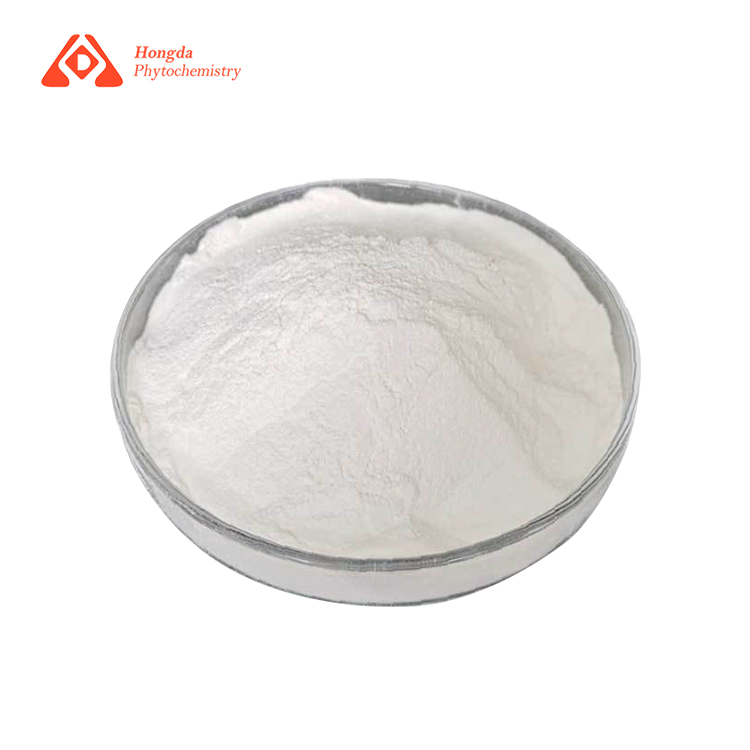
Visual inspection represents a simple but valuable quality control measure that can identify obvious problems with stored Retatrutide Raw Powder. The lyophilized peptide should maintain its characteristic white to off-white powder appearance throughout storage, forming a uniform cake at the bottom of the vial without discoloration, clumping, or signs of moisture absorption. Any deviation from expected appearance warrants further investigation through analytical testing before the material is used in formulations or dispensed to patients. Maintaining detailed storage records that document temperature excursions, power outages, or other events that might compromise product quality helps facilities correlate visual or analytical changes with specific storage incidents, supporting root cause analysis and corrective action when quality issues arise.
Conclusion
Understanding how long Retatrutide Raw Powder lasts empowers pharmaceutical manufacturers, researchers, and healthcare providers to maximize their investment in this groundbreaking triple-agonist peptide while ensuring optimal therapeutic outcomes. Unreconstituted high-quality Retatrutide Powder demonstrates exceptional stability with shelf lives up to three years when frozen or two years when refrigerated under proper pharmaceutical storage conditions. Once reconstituted, solutions remain stable for six to eight weeks under refrigeration, providing practical working timeframes for clinical and research applications. Success in preserving Retatrutide Powder quality depends on controlling critical factors including temperature, moisture, light exposure, and initial manufacturing purity, all of which contribute to long-term stability and therapeutic effectiveness.
As a leading China Retatrutide Raw Powder manufacturer, China Retatrutide Raw Powder supplier, and China Retatrutide Raw Powder factory, Shaanxi Hongda Phytochemistry specializes in producing pharmaceutical-grade High Quality Retatrutide Raw Powder for global markets. Our state-of-the-art cGMP-certified facilities ensure Retatrutide Raw Powder for sale meets the highest international standards with competitive Retatrutide Raw Powder price offerings and flexible China Retatrutide Raw Powder wholesale options. We provide comprehensive technical support, regulatory documentation, and customization services to help you achieve your formulation goals. Contact our expert team at duke@hongdaherb.com to discuss your Retatrutide Raw Powder requirements and discover how our quality-focused approach can support your success in this rapidly growing therapeutic category. Save this guide for future reference whenever questions arise about peptide storage and stability.
References
1. Jastreboff AM, Kaplan LM, Frías JP, et al. Triple-Hormone-Receptor Agonist Retatrutide for Obesity: A Phase 2 Trial. New England Journal of Medicine, 2023; 389(6): 514-526.
2. Li W, Chen Y, Zhang X, et al. Structural Insights into the Triple Agonism at GLP-1R, GIPR and GCGR Manifested by Retatrutide. Cell Discovery, 2024; 10(1): 77.
3. International Council for Harmonisation of Technical Requirements for Pharmaceuticals for Human Use. ICH Q7: Good Manufacturing Practice Guide for Active Pharmaceutical Ingredients. Geneva: ICH, 2000.
4. United States Pharmacopeia. General Chapter 1207: Sterile Product Packaging—Integrity Evaluation. USP 43-NF 38. Rockville, MD: United States Pharmacopeial Convention, 2020.
5. Manning MC, Chou DK, Murphy BM, et al. Stability of Protein Pharmaceuticals: An Update. Pharmaceutical Research, 2010; 27(4): 544-575.