


_1745918362135.webp)

Meeting Demand: Reliable Bulk Supply of Citicoline Sodium Powder 99%
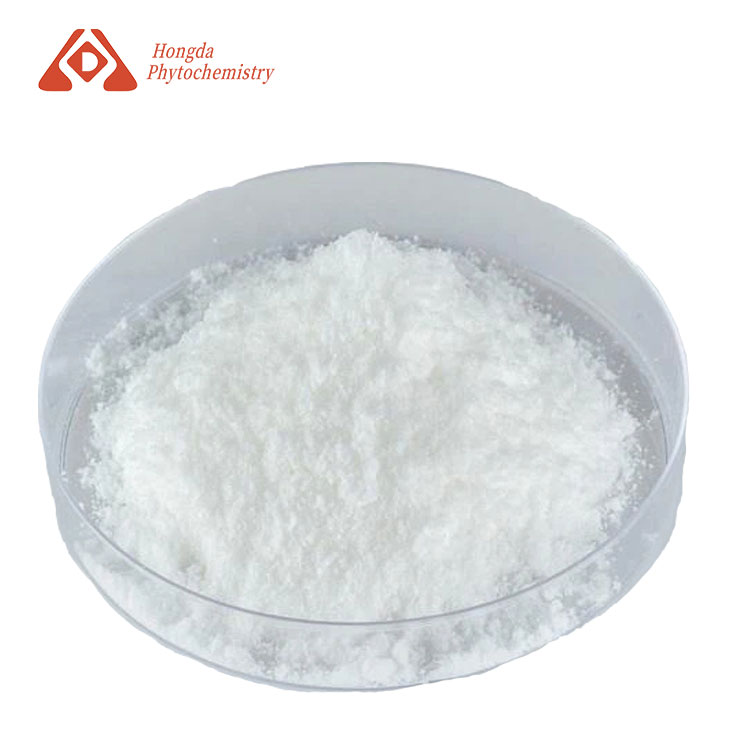
For B2B buyers, sourcing consistent citicoline sodium powder is not simply a matter of finding a supplier with available stock. Buyers need a clearly defined specification, reliable quality documentation, practical packaging, predictable lead times, and a manufacturing partner that can support repeat orders. Hongda Phytochemistry, operated by shaanxi hongda phytochemistry co., ltd., supplies citicoline sodium powder with a listed specification of 99% HPLC. The product is identified as a white crystalline powder with CAS No. 33818-15-4, and the company's product page lists a 3–7 working day lead time, 12 kg/drum packaging, and supply to markets including North America, Europe, Southeast Asia, Australia, and other regions.

Understanding the Product Specification Before Bulk Purchasing
Identity, Purity, and Basic Product Information
Citicoline Sodium, also known as citicoline monosodium salt, CAS No. 33818-15-4. According to PubChem, its chemical formula is C14H25N4NaO11P2, and its molecular weight is 510.31 g/mol. Citicoline Sodium is likewise included as an ingredient material in the FDA material Registration System with the same CAS number.
“The key for procurement teams is to match the specification of the supplier with the intended application. The product page of Hongda now shows 99% HPLC and identifies the item as white crystalline powder. Buyers shouldn’t assume a generic description applies to every shipment but should request the current batch’s specification sheet and COA.
This is especially crucial when buying Citicoline Sodium for formulation, additional processing, distribution, or research. The testing panel required may differ from the buyer’s finished-product specifications and applicable regulations.
What Quality Documentation Should Buyers Review?
The documentation supporting a bulk purchase should be available to enable the buyer’s quality team to check that the material conforms to the agreed specification. Depending on the application, customers may ask for a COA, product specification, analytical test techniques, packaging details, batch identification, and necessary certification documents.
HPLC is very important when the procurement criteria has a 99% test or purity requirement. Procurement teams should not be solely dependent on marketing language such as “high purity" but should compare the stated specification to the analytical result presented on the batch COA.
This differentiation also makes the sourcing process more visible. While a supplier’s certification gives information about its quality or management system, a batch-specific COA provides information about the material supplied. The documents serve distinct objectives and should be read in conjunction.
Manufacturing and Quality Systems at Hongda Phytochemistry
Production Infrastructure for Repeat Orders
Shaanxi Hongda Phytochemistry is able to produce and do R&D of raw materials with laboratory facilities and a professional research team. The company says its plant has more than 10 production lines and a 20,000-square-meter production facility.
Bulk citicoline sodium powder buyers should care about production scale. Repeat procurement does not come from one successful shipment. The supplier needs a procedure to ensure that specifications are maintained throughout the batches, coordinate manufacturing schedules, provide documentation, and arrange shipment according to the buyer’s requirements.
Buyers don’t have to take the supplier’s word for it about the superiority of production capabilities; they may assess it based on factory information, product specs, sample testing, COAs, audit papers, and interaction with the supplier’s technical team.
Laboratory Testing and Analytical Support
Hongda says it has SGS-standardized facilities with analytical tools such as HPLC, GC, spectrophotometers, atomic absorption equipment, and titration equipment. The company also says it has a professor-level R&D and testing team of more than 20 people.
The practical benefit of this infrastructure for a buyer is the ability to tie the commercial specification to analytical verification. Before placing a large order, procurement and quality teams can verify what tests are included in the COA and whether there is an option to do additional testing as needed by an internal specification.
The same applies to documents. If a customer needs a particular analytical method, impurity profile, or other quality criteria, this should be discussed with the supplier before production, not assumed from a generic product page.
Certifications and Compliance Documentation
Separating Facility Certifications From Product Requirements
Hongda’s certification information: cGMP, ISO9001, ISO22000, FSSC22000, Halal, Kosher, BRC, EU Organic, NOP Organic, and other certifications. The organization also reports earning a few new certifications in 2025, including those relevant to citicoline sodium powder.
These certificates can be helpful in the supplier qualification process, but buyers should check the certificate issuer, validity duration, certified site, scope, and product category. A certification acquired by a manufacturing company does not mean that certification covers every product or every intended end use.
This is particularly critical for pharmaceutical and regulated sectors. Identifying a substance is not the same as regulatory approval. For example, the FDA maintains a database of UNIIs, which specifically says that the availability of a UNII does not mean that the UNII has been subject to regulatory assessment or approval.
Therefore, the organizations buying Citicoline Sodium should consider the regulatory requirements depending on the destination market and the end product.
Bulk Packaging, Lead Time, and Delivery Planning
Packaging Options for Commercial Orders
At present, Hongda’s product listing shows 12 kg per drum, 27 drums per tray. The product page also mentions a 3-7 working day lead time and states warehouse availability in Europe and the US.
Please check packing requirements before ordering. Buyers might want to look at the drum size, labeling, lot identification, outer packing, shipping marks, pallet design, and documentation. If another packaging format is necessary, the buyer should verify availability, minimum order requirements, and any impact on lead time.
Consistent package criteria facilitate handling of recurrent orders, making receiving and warehouse administration easier. It can also eliminate the requirement for extra permission every time a cargo is received.
Planning for Repeat Bulk Supply
Reliable sourcing is easier if procurement teams set up the business needs before an urgent purchase is needed. A typical supplier qualification process includes the product specification, projected yearly volume, initial sample or trial order, COA requirements, packaging, delivery periods, paperwork, and reordering procedure.
(Note: Hongda’s 3-7 working day lead time given is a reference point, and real delivery timing can depend on order quantities, manufacturing scheduling, documentation, shipping arrangements, and destination.) Buyers should therefore get a shipment-specific confirmation before agreeing to a delivery date.
How Buyers Can Evaluate Citicoline Sodium Suppliers?
Compare the Information That Affects Total Procurement Risk
Price is only one element in a bulk ingredient purchase. The lower offered price may not include the same documentation, package configuration, delivery time, or testing support as the other quote.
For citicoline sodium powder, procurement teams can use various pragmatic questions to compare the providers. Do they have a clear 99% spec from the supplier for HPLC? Is it able to give an up-to-date COA for the batch? Is the production site and certification documented? Can you provide the requested packaging? Can the provider support recurrent orders at the needed volume? Can I get samples and technical documentation before I buy commercially?
These questions convert a generic supplier discovery into a formalized certification process.
Confirm Documentation Before the Purchase Order
Please validate product name, CAS number, purity specification, appearance, packaging, quantity, batch paperwork, shipping terms, lead time, and required certificates prior to issuing the purchase order.
Citicoline Sodium is a chemical substance with a defined chemical identity in public databases such as CAS No. 33818-15-4 and the FDA UNII record. However, for commercial procurement, these identification records should be supported by supplier-specific paperwork on the actual material being purchased.
A thorough pre-order document checklist can help avoid misunderstandings between procurement, quality, regulatory, and logistical departments.

Conclusion
Reliable bulk sourcing of citicoline sodium powder depends on more than a stated purity percentage. Buyers need a defined product specification, batch-level analytical documentation, appropriate manufacturing controls, relevant certifications, practical packaging, and a delivery plan that fits their purchasing schedule.
Hongda Phytochemistry currently lists Citicoline Sodium Powder at 99% HPLC, with a white crystalline appearance, CAS No. 33818-15-4, 12 kg/drum packaging, and a stated 3–7 working day lead time. Its official certification information also lists cGMP, ISO, Halal, Kosher, BRC, and organic certifications, subject to the scope and validity of each certificate.
For businesses evaluating a China-based supplier, the next step is to request the current specification, COA, applicable certificates, packaging details, quotation, and shipment schedule. This gives the purchasing and quality teams the information needed to assess whether the material and supply arrangement match their specific requirements.
Contact our expert team at duke@hongdaherb.com to discuss your specific requirements and discover how our comprehensive solutions can support your success in the growing cognitive health market.
References
1. Secades, J.J., & Lorenzo, J.L. (2006). Citicoline: pharmacological and clinical review, 2006 update. Methods and Findings in Experimental and Clinical Pharmacology, 28(Suppl B), 1-56.
2. Gareri, P., Castagna, A., Cotroneo, A.M., Putignano, S., De Sarro, G., & Bruni, A.C. (2015). The role of citicoline in cognitive impairment: pharmacological characteristics, possible advantages, and doubts for an old drug with new perspectives. Clinical Interventions in Aging, 10, 1421-1429.
3. Alvarez-Sabín, J., Ortega, G., Jacas, C., Santamarina, E., Maisterra, O., Ribo, M., & Molina, C. (2013). Long-term treatment with citicoline may improve poststroke vascular cognitive impairment. Cerebrovascular Diseases, 35(2), 146-154.
4. Bramanti, V., Tomassoni, D., Avitabile, M., Amenta, F., & Avola, R. (2010). Biomarkers of glial cell proliferation and differentiation in culture. Frontiers in Bioscience, 2, 558-570.