



_1745918362135.webp)

The Rising Trend: Undenatured Type II Collagen Powder in Global Markets
Hongda Phytochemistry and shaanxi hongda phytochemistry co., ltd. are names buyers may encounter when evaluating ingredient supply and documentation for international markets. As demand for specialized nutritional ingredients continues to develop, undenatured type II collagen powder has attracted attention among supplement brands, formulators, and ingredient distributors. Unlike hydrolyzed collagen, undenatured type II collagen is produced with processing conditions intended to retain the native structure of type II collagen. For B2B buyers, however, market interest alone is not enough. Source, processing method, specification, testing, documentation, packaging, and regulatory requirements all need to be reviewed before a supplier is selected.

Why Undenatured Type II Collagen Is Gaining Market Attention?
Changing Consumer Interest in Specialized Ingredients
The collagen category has moved much beyond just traditional hydrolyzed collagen peptides. Buyers are increasingly looking for unique collagen constituents with established sources, manufacturing, and application properties.
Type II collagen is a natural component of cartilage tissue and hence important to product concepts connected to mobility, active lifestyles, and general joint nutritional support. This does not mean that all collagen products have the same composition or application profile. The route of manufacturing can greatly alter the final substance.
This is a particularly critical differential when contrasting undenatured type II collagen powder and hydrolyzed collagen. Hydrolyzed collagen is broken down into smaller peptides, while an undenatured product is produced with greater emphasis on preserving the native collagen structure. Buyers should therefore not assume the two chemicals are equivalent just because they are both labeled as collagen.
The increasing need for distinct ingredients is also an opportunity for providers who can provide clear technical knowledge rather than just broad marketing promises.
Regional Demand Creates Different Procurement Requirements
North America and Europe continue to be significant markets for dietary supplements and functional nutrition products, while Asia-Pacific remains a source for ingredients and finished products. But market entry requirements vary by country.
If the supplier is supplying to multiple regions, the supplier should be prepared to offer product specifications, certificates of analysis, production information, allergy information, country of origin information, microbiological data, and other documentation that the customer may seek.
Companies purchasing undenatured type II collagen powder worldwide should do regulatory evaluation for the final market rather than assume that documentation acceptable in one jurisdiction will immediately satisfy another. Labeling, ingredient status, allowed claims, and notice or authorization procedures may vary.
For example, the claims on dietary supplement labels in the United States must meet certain criteria. The FDA separates structure/function claims from health/disease claims. The agency mandates that qualifying structure/function claims are true and not misleading, substantiated, and include the necessary disclaimer and information where applicable.
What Makes Undenatured Type II Collagen Different?
Processing Has a Direct Influence on Product Specifications
The manufacturing process is an integral part of the product specification for this category. Too much heat, the wrong chemical environment, or rough treatment can change the original structure that the maker is trying to preserve.
Therefore, an undenatured collagen constituent should not be evaluated by purchasers based simply on its protein proportion. A useful specification for a supplier should include the source, the processing strategy, the key compositional parameters, and the testing methods used to certify the finished item.
The term “undenatured” should also be associated with objective product information. The supplier should be able to describe the manufacturing process and the analytical or quality control processes employed to regulate the features of interest.
This is one reason why technical communication between the buyer and the manufacturer is so important. Two products with similar names may not be the same in raw material sources, processing conditions, specifications, or documentation.
Research Should Be Read in the Correct Context
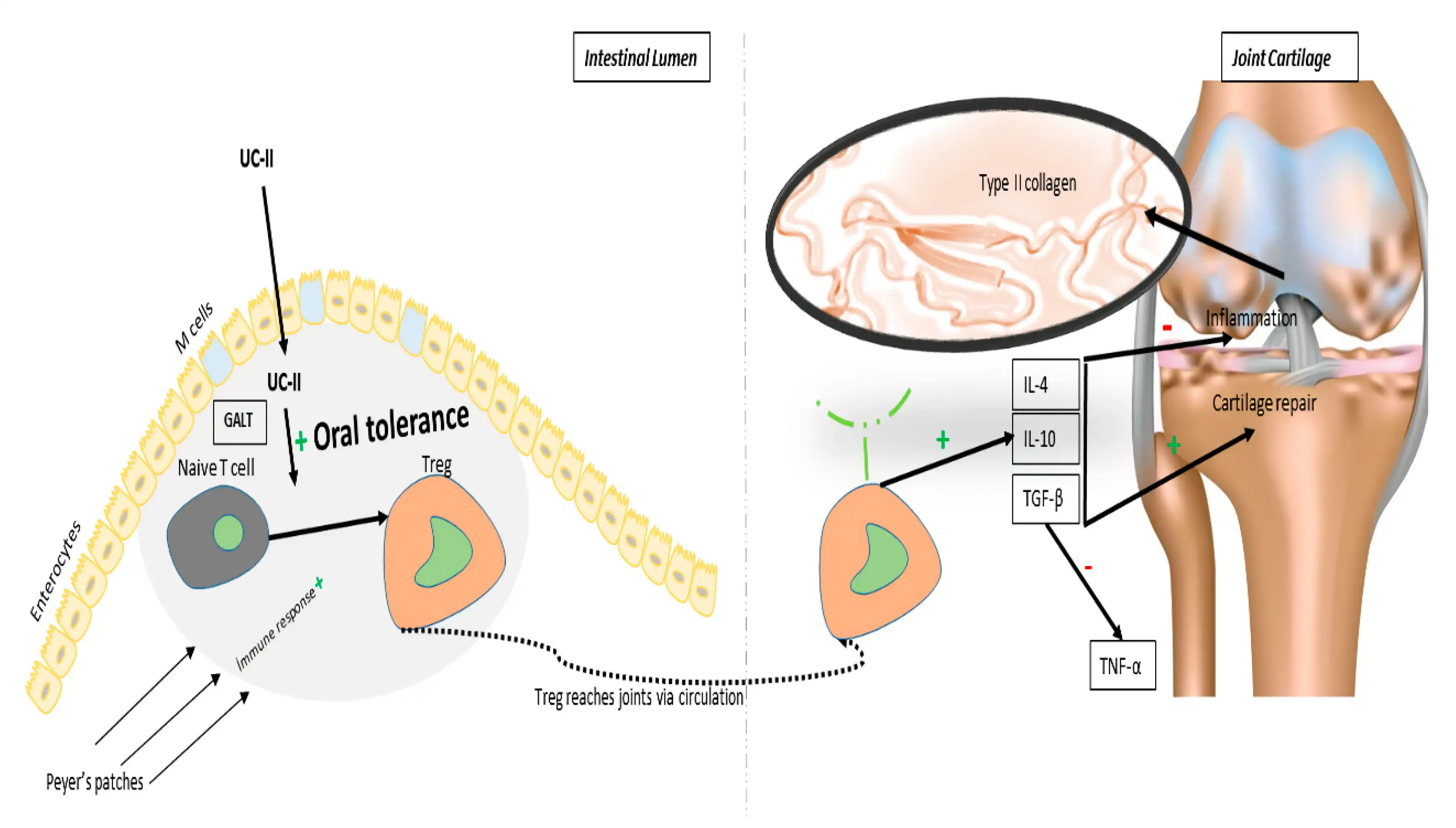
with biological systems following oral ingestion. Some human studies have examined certain branded or standardized formulations, like UC-II, in defined populations with specific study protocols.
The results should not be taken as conclusive evidence that all undenatured type II collagen powders are the same. Product identification, source, processing, formulation, study population, dose, comparator, and study duration are all relevant when evaluating research.
For commercial content, a better path would be to describe the research area rather than universalizing the results of particular studies into product claims. FDA advice further underlines that claims made for dietary supplements must be substantiated and not misleading.
This distinction is useful for B2B buyers because it forces providers to offer actual technical and research documentation rather than generic comments like “clinically proven” or “superior.
How Can Manufacturers Build a Reliable Supply Specification?
Start With Source and Manufacturing Information
The initial stage of acquiring undenatured type II collagen powder is to find a supplier of the raw ingredient. Type II collagen can be linked to certain animal-derived raw materials; thus, purchasers should ask for information on species, source material, country of origin if appropriate, and allergen considerations.
The description of manufacturing should next describe the primary processing steps without revealing sensitive information that the producer must preserve. Buyers should know how the provider handles temperature control, filtration, drying, and packaging.
This is particularly relevant when the final product is to be marketed in more than one market. Well-labeled ingredients in documentation can aid with internal quality evaluation.
Use COA and Batch Documentation to Verify Consistency
The certificate of analysis should be compared to the approved product specification and not taken as a general quality certificate.
Depending on the buyer's demand, the COA package may comprise factors such as appearance, identification, protein content, moisture, microbiological results, heavy metals, and other applicable tests. The exact testing program should be based on the material and the destination-market requirements.
Buyers should also see if the supplier can supply batch numbers and related paperwork. Traceability is even more crucial when an ingredient is acquired on a recurrent basis, as the buyer has to be assured that subsequent shipments will continue to fulfill the approved standard.
Third-party testing can provide extra information, but it is no substitute for reviewing the manufacturer's own quality system. Think about the relationship between the certificate, the real production location, the tested batch, and the agreed specification for the order.
Confirm Packaging, Storage, and Shipping Conditions
Information on packing and storage is crucial when doing foreign procurement, as the ingredients in collagen may be susceptible to environmental conditions.
Buyers should verify standard package size, inner and outer packaging materials, storage conditions, shelf life statement, labeling type, and shipping requirements before placing a bulk order.
Additional requirements for private-label or OEM projects may include specialized packaging, labeling support, batch identification, and documentation created for the buyer’s internal quality system.
These variables may seem small at the time of supplier selection but might impact warehousing, production planning, and the capacity to efficiently discharge incoming goods.
Where Does Undenatured Type II Collagen Powder Fit in Product Development?
Supplement Formulation and Ingredient Blending
Depending on the finished product concept, formulators may assess compatibility with capsules, pills, powder mixes, sachets, or other delivery formats. The correct format will rely on serving size, sensory properties, compatibility with the formulation, packaging, and target market needs.
Formulators should also differentiate between technical compatibility and marketing promises. The introduction of many substances does not necessarily result in a particular physiological effect. Each finished-product claim should be considered in light of the evidence available and the regulatory framework that applies.
For businesses that partner with contract manufacturers, sharing a comprehensive product specification with the supplier at the start of the project might minimize changes needed down the road. The specification may include requirements for identification, source, purity or protein, microbiological limitations, packaging, documentation, and testing.
Private Label and OEM Opportunities
The rise of specialty collagen products has also increased the need for flexible supply strategies. Adding value—for example, supporting the project beyond merely sending bulk material—can be done by ingredient suppliers that understand OEM and private-label procedures.
The practical B2B cooperation process may involve sample evaluation, specification confirmation, document review, pilot production, packaging confirmation, and commercial batch approval.
International customers will also need to receive supplier communication, which should include lead time, minimum order quantity, production capability for the particular product, payment conditions, shipping arrangements, and after-sales paperwork.
Importantly, purchasers should not assume that a company’s total capacity is the same as the available capacity for a certain collagen ingredient, such as undenatured type II collagen powder. Check capacity and actual product specifications, production facility, batch size, and delivery timetable.
Quality and Regulatory Checks for Global Buyers
Documentation Should Match the Destination Market
There is no single regulatory checklist that will work for all worldwide markets. First the buyer must decide the target country and then what documents are required.
United States dietary supplement manufacturers and distributors still must ensure their products meet applicable requirements, and facilities that manufacture, process, pack, or hold dietary supplements or dietary ingredients for consumption in the United States are subject to applicable registration and current good manufacturing practice requirements.
In other markets, buyers may need to check local food regulations, ingredient status, labeling restrictions, allergen declarations, health-claim requirements, and any relevant novel-food or pre-market procedures.
Depending on the buyer’s project, certifications like ISO, HACCP, cGMP, HALAL, or KOSHER could be helpful, but a certification should always be evaluated for its issuer, covered location, scope, validity, and link to the specific product.
Ask Suppliers for a Complete Procurement Package
A serious supplier evaluation should go beyond a product webpage. Buyers can request a complete documentation package that may include:
-
Product specification
-
Current COA
-
Manufacturing or quality-system information
-
Raw material source information
-
Allergen statement
-
Microbiological specification
-
Heavy metal testing
-
Shelf-life and storage information
-
Packaging details
-
Certifications applicable to the project
-
Sample availability
-
OEM or private-label capabilities
-
Commercial quotation and lead time
The exact documents will depend on the buyer's market and internal quality requirements. The purpose is to establish whether the material offered is the same material described in the specification and whether the supplier can consistently provide the required documentation.
Choosing a Supplier for Long-Term Supply
Evaluate More Than the Initial Price
Price is just one piece of the buying decision. If the supplier cannot deliver consistent requirements, timely documentation, predictable lead times, or sufficient communication, a cheaper quotation may not indicate a reduced total purchase cost.
Buyers should compare suppliers of undenatured type II collagen powder with identical technical specifications. It helps to better separate real pricing differences from differences in source, testing scope, packaging, certification, and service.
The supplier’s ability to supply samples prior to a commercial order might also allow buyers to test the material against their own formulation and quality standards.
Build a Clear Approval Process
A formal approval process might assist you in minimizing the uncertainties of initiating a new supplier connection. Buyers may want to begin by conducting a documentation check, then move on to sample testing and specification validation. Once internal approval is finalized, the first commercial batch can be assessed against the approved COA and incoming quality requirements.
In the case of long-term cooperation, purchasers should frequently verify certificates, specifications, batch records where relevant, and changes to manufacturing or raw material sources.
This technique makes the purchase process more open, with a clear reference point for future orders for both supplier and buyer.
Conclusion
The increasing demand for undenatured type II collagen powder mirrors a wider trend in the global nutrition market for more specialized, specification-driven ingredients. Manufacturers and distributors must pay special attention to source, processing method, product identification, and documentation to distinguish it from hydrolyzed collagen.
The first question for B2B purchasers is not whether a supplier carries undenatured type II collagen. More telling questions are, can the supplier properly identify the material, offer sufficient testing and documentation, ensure batch consistency, satisfy the requirements of the target market, and communicate reliably throughout the procurement process?
Shaanxi Hongda Phytochemistry Co., Ltd. offers ingredient sourcing and worldwide B2B supply support and is dedicated to paperwork, quality system requirements, customized procurement, and communication for abroad buyers. Its current manufacturing and quality-management infrastructure is able to accommodate buyers that require a structured supplier-evaluation process. If your company is considering bulk sourcing, OEM cooperation, or private-label development, a good first step to evaluate the suppliers of undenatured type II collagen powder is to request the current specification, COA, certification documents, packaging information, MOQ, sample availability, and lead time.
Contact us today at duke@hongdaherb.com to discover how our expertise and high-quality products can support your business success in this dynamic industry.
References
1. Crowley, D.C., Lau, F.C., Sharma, P., Evans, M., Guthrie, N., Bagchi, M., & Bagchi, D. (2009). Safety and efficacy of undenatured type II collagen in the treatment of osteoarthritis of the knee: a clinical trial. International Journal of Medical Sciences, 6(6), 312-321.
2. Lugo, J.P., Saiyed, Z.M., Lau, F.C., Molina, J.P., Pakdaman, M.N., Shamie, A.N., & Udani, J.K. (2013). Undenatured type II collagen (UC-II®) for joint support: a randomized, double-blind, placebo-controlled study in healthy volunteers. Journal of the International Society of Sports Nutrition, 10(1), 48.
3. Bakilan, F., Armagan, O., Ozgen, M., Tascioglu, F., Bolluk, O., & Alatas, O. (2016). Effects of native type II collagen treatment on knee osteoarthritis: a randomized controlled trial. Eurasian Journal of Medicine, 48(2), 95-101.
4. Dar, Q.A., Schott, E.M., Catheline, S.E., Maynard, R.D., Liu, Z., Kamal, F., Farnsworth, C.W., Ketz, J.P., Mooney, R.A., Hilton, M.J., & Zuscik, M.J. (2017). Daily oral consumption of hydrolyzed type 1 collagen is chondroprotective and anti-inflammatory in murine posttraumatic osteoarthritis. PloS One, 12(4), e0174705.