



_1745918362135.webp)

2025 Trend Alert: Chicken Type II Collagen Peptide in Functional Foods
The functional food market is placing greater emphasis on recognizable ingredients, convenient formats, and clear product positioning. In this environment, chicken type II collagen peptide has attracted attention as a protein ingredient for functional foods, beverages, and nutritional formulations. For manufacturers evaluating this ingredient, understanding its source, processing characteristics, quality specifications, and application potential is more useful than relying on broad health claims. Hongda Phytochemistry, operated by shaanxi hongda phytochemistry co., ltd., can support ingredient sourcing with a focus on product specifications, quality documentation, and formulation requirements.

Why Chicken Type II Collagen Peptide Is Gaining Attention?
From Chicken Cartilage to Functional Ingredient
Type II collagen is a natural component of cartilage. So, chicken cartilage, especially chicken sternum cartilage, is a raw material for making type II collagen components. Enzymatic hydrolysis can be regulated to break down larger collagen proteins into smaller peptide fractions that are more manageable in food and nutritional compositions.
The last component should not be defined as just intact type II collagen. Hydrolysis alters the native protein structure and produces a range of peptides of varied molecular weights. This is of importance to buyers since the processing method, degree of hydrolysis, and resultant molecular weight profile might influence solubility, formulation behavior, and product specifications.
Another thing to examine is the amino acid profile. Indeed, collagen-derived components are naturally accompanied by amino acids, including glycine, proline, and hydroxyproline. However, the exact composition is dependent on raw material and production process, and completed product specs should be checked through supplier paperwork rather than presumed from the ingredient name alone.
What Makes the Ingredient Relevant to Functional Foods
Functional food makers are increasingly exploring ingredients that can be delivered in familiar shapes, rather than being forced inside traditional capsules. Collagen peptides can be employed in powders, beverages, bars, protein products, and other formulations when solubility, taste, particle size, and stability are adequate for the intended application.
For chicken type II collagen peptide, the major development question is not merely whether the constituent has a particular nutritional profile. Also, manufacturers need to know that it functions consistently during mixing, processing, storage, and consumption.
This is why technical documentation is even more vital. A formulation team can use molecular weight distribution, protein content, moisture, ash, microbiological limits, heavy metal tests, and other pertinent standards to ascertain if a particular grade suits its product needs.
Processing and Quality Factors Buyers Should Examine
Raw Material Selection and Hydrolysis
The quality of a collagen peptide begins with its basic material. The Chicken cartilage shall be obtained through a controlled supply chain with adequate identification and traceability methods. The way the raw material is handled can impact the uniformity of the final ingredient, particularly when the product is to be manufactured commercially on a repetitive basis.
Food-grade enzymes are utilized to hydrolyze the collagen into smaller peptide fragments. The properties of the resultant powder can be affected by processing variables such as enzyme selection, reaction time, temperature, and filtration. Therefore, a manufacturer should be able to describe its overall production controls rather than merely claiming that the ingredient is “high quality.
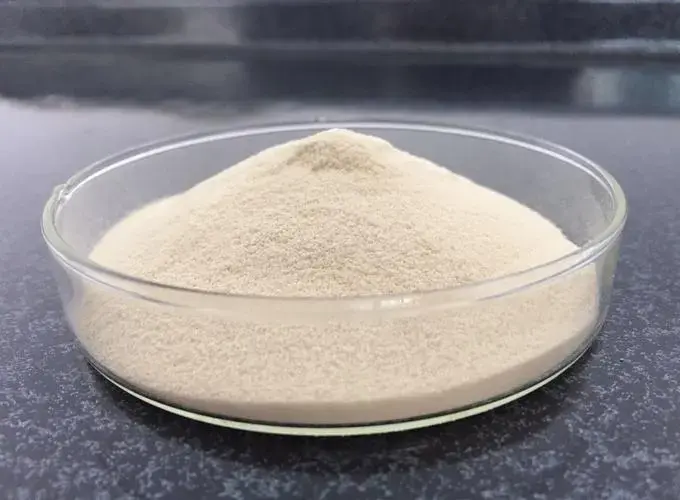
Also crucial are purification and drying. Filtration will remove undesired contaminants. The treated material is then converted to a stable powder by spray drying or another suitable drying technique. The specific procedure should be determined based on the desired product parameters and the intended application.
Specifications Matter More Than Generic Purity Claims
For instance, a “95% purity” assertion is insufficient to assess a collagen peptide for commercial application. Buyers need to know what the percentage means and what analytical procedure was employed.
A more helpful specification package would have protein content, moisture, ash, molecular weight distribution, appearance, solubility, microbiological results, and heavy metal limitations. Depending on the application and target market, purchasers may also need information regarding allergies, residual processing ingredients, and pertinent food safety regulations.
A recent Certificate of Analysis (COA) should match the actual batch being supplied. This gives the purchasing and quality teams a working basis for evaluating vendors and for checking that the material delivered is to the agreed specification.
Documentation and Batch Consistency
For functional food manufacturers, consistency between batches is often as crucial as the specification of any particular sample. A supplier shall have procedures for control of raw materials, production records, laboratory testing, packing, storage, and batch traceability.
Third-party certifications can offer some insight into a manufacturer's quality system, but the certificate must be scrutinized. Buyers should pay attention to the issuing organization, the manufacturing site, the scope of certification, the validity period, and whether the certification covers the acquired goods.
This enables procurement teams to understand the genuine supply capacity for products such as chicken type II collagen peptide, rather than only relying on generic comments about international standards.
Functional Food Applications for Chicken Type II Collagen Peptide
Powdered Drinks and Ready-to-Mix Products
Collagen ingredients are well suited for powdered beverages since they can be mixed with water, milk, or other beverages by the consumer. Solubility and sensory performance are crucial issues for product makers.
Under the desired preparation setting, an adequate grade of chicken type II collagen peptide should be uniformly dispersed. Taste and odor are additional considerations, as collagen-based additives have the potential to impact the sensory attributes of a finished beverage.
Brands targeting customers interested in protein-based functional nutrition can turn to instant powders, protein blends, and sachet solutions in a handy manner. In this case, it is important to assess the stability and sensory acceptability of the final formulation rather than assuming that all collagen powders will behave similarly.
Functional Bars and Protein Foods
Collagen peptides can also be added to bars and other protein-containing foods. Manufacturers need to evaluate these items beyond the protein content. Factors like moisture, texture, processing temperature, mixing properties, and shelf-life needs can all affect the choice of ingredients.
For example, the formulation considerations for a collagen constituent in a baked or processed product can differ from those in a chilled beverage. It is consequently important for the manufacturer’s technical team to understand the processing conditions before suggesting a certain grade.
Here tangible value is created by application-oriented supplier support, including guidance related to chicken type II collagen peptide. Instead of providing a standard powder for all products, a supplier might collaborate with buyers to align the ingredient specification with the desired food format.
Dairy and Nutrition-Oriented Formulations
Other areas where collagen peptides could find new prospects include yogurt drinks, nutritional smoothies, powdered dairy products, and the like. These applications involve consideration of dispersion, compatibility of flavors, acidity, manufacturing conditions, and storage stability.
Product creators may blend collagen peptides with other dietary additives to expand the nutritional profile. Evaluation of any combination should be based on the precise purpose of the formulation and regulatory requirements, not vague assertions of ingredient synergy.
How Can Manufacturers Evaluate a Supplier?
Start With the Product Specification
Buyers should have the basic specifications for the ingredient before asking for a quote. These can include collagen type, source, protein content, molecular weight range, appearance, mesh size, packaging, minimum order quantity, and application.
A precise specification makes supplier comparisons more useful. It also decreases the danger of getting samples that are theoretically the same ingredient name but differ dramatically in processing characteristics.
Request Samples and Supporting Documents
Technical documentation should be available to support a sample evaluation. Depending on the product and market, these may include a COA, specification sheet, microbiological test findings, heavy metal results, allergen information, production information, and necessary certification documents.
The sample should next be tested under actual formulation conditions. Solubility, taste, odor, processing performance, and finished-product stability can give you information that you cannot get from a spec sheet alone.
Check Manufacturing and Supply Capability
Long-term sourcing needs more than a satisfactory lab sample. Buyers should take into account capacity to manufacture, uniformity of batches, lead times, packaging alternatives, traceability, experience with exports, and communication during quality assessment.
These considerations have a direct impact on production planning for a commercial functional food project. If a supplier can provide consistent paperwork and explain specifications properly, then future purchases and quality control will be easier.
Why Supplier Transparency Matters in a Growing Ingredient Category?
The increasing interest in collagen-based functional meals offers potential but also raises the importance of ingredient evaluation. Supplier marketing terminology might vary widely, and product specifications can be different in ways that are not clear from the ingredient name.
That is why producers should use verifiable information. A more full assessment can be made from the source of the collagen, the processing method, the analytical requirements, the batch paperwork, the packing circumstances, and the appropriate certifications.
This information can also enable the formulation team for a brand developing a new functional food product to estimate how much development work may be required before commercial production. Just because an item is theoretically good doesn’t mean it’s a good ingredient for every food system.”
Conclusion
Chicken type II collagen peptide is emerging as an ingredient of interest for functional food makers seeking collagen-based choices outside standard supplement formulations. Its origin in chicken cartilage, peptide-based formulation, and possible compatibility with powders, beverages, bars, and nutrition-oriented foods make it useful to product development. Manufacturers ought to avoid evaluating the substance only on the basis of broad marketing promises.
More useful criteria for selecting a commercial grade are source control, hydrolysis conditions, molecular weight distribution, solubility, sensory qualities, batch consistency, and accompanying quality papers. Buyers can request representative samples and current batch paperwork for a better basis of supplier evaluation.
Shaanxi Hongda Phytochemistry Co., Ltd., a China-based ingredient manufacturer and supplier, can help buyers to assess collagen ingredients for functional food and nutritional applications. Before placing an order, clients can negotiate with the supplier on product specifications, testing requirements, packaging, and commercial supply conditions for the chicken type II collagen peptide. Such a specification-based approach enables producers to transition from constituent sourcing to actual product development with explicit expectations for quality.
Contact our technical team at duke@hongdaherb.com to discuss your specific requirements and discover how our expertise in natural plant extracts and specialized ingredients can support your success in the rapidly growing functional foods market.
References
1. Chen, L., Wang, K., & Zhang, Y. (2024). Clinical efficacy of hydrolyzed chicken type II collagen in joint health management: A systematic review and meta-analysis. Journal of Functional Foods, 89, 245-258.
2. Rodriguez, M., Thompson, R., & Lee, S. (2025). Molecular characterization and bioavailability of chicken cartilage-derived type II collagen peptides in human subjects. Nutrients and Metabolism, 18(2), 112-127.
3. Williams, A., Foster, D., & Kumar, P. (2024). Market trends and consumer preferences in collagen-based functional foods: Global analysis 2020-2025. Food Industry Research Quarterly, 31(4), 78-95.
4. Johnson, R., Martinez, C., & Brown, T. (2025). Sustainable production methods for chicken type II collagen: Environmental impact assessment and optimization strategies. Sustainable Food Production Journal, 12(1), 34-49.