



_1745918362135.webp)

What Are Development Trends for Liposomal Glutathione Powder?
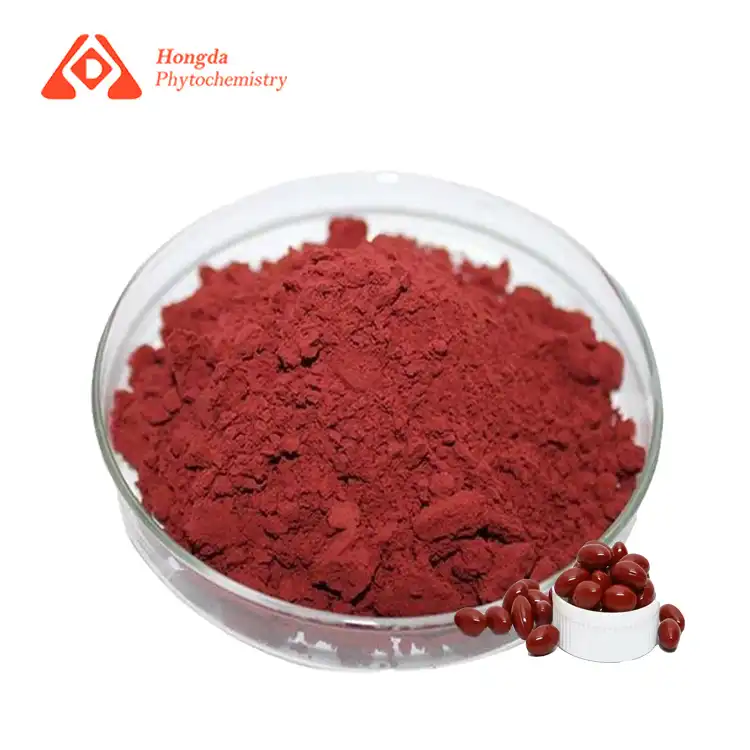
New trends in Liposomal Glutathione Powder are changing the nutrition and pharmaceutical businesses by using cutting-edge nano-encapsulation technologies that make the powder much more bioavailable. As the need for advanced nutritional delivery systems grows, Liposomal Curcumin Powder has become a popular ingredient choice for supplement makers who want to make their products stand out and improve the performance of their formulations. Hongda Phytochemistry, which is run by Shanxi Hongda Phytochemistry Co., Ltd., offers liposomal curcumin options for private label companies, nutritional brands, and ingredient wholesalers who need a steady supply of bulk products of good quality. Liposomal curcumin powder uses phospholipid-based packaging technology to help protect curcumin molecules while they are being processed and digested. This gives producers an improved option to traditional curcumin forms. Curcumin is the main bioactive compound in turmeric (Curcuma longa), and it is used a lot in dietary supplements because it helps with overall health and is an antioxidant. However, traditional curcumin powder has problems with its formulation, such as not dissolving well in water and not being easily absorbed. Liposomal transport technology solves these problems by enclosing curcumin in phospholipid structures that protect the ingredient better and allow for more preparation options. When B2B buyers are looking for the right liposomal curcumin powder, they need to look at more than just the bioavailability claims. The end ingredient's performance is affected by many things, including the encapsulating technology, particle size control, phospholipid quality, testing methods, and the manufacturer's ability to make the ingredient.
What Determines the Bioavailability of Liposomal Curcumin Powder?
How Liposomal Encapsulation Protects Curcumin During Delivery
Curcumin naturally sticks to fats, so it doesn't dissolve easily in water. This feature might make it harder for it to be spread out and absorbed when used in regular supplement forms. Liposomal technology makes curcumin transport better by putting the active ingredient into phospholipid-based vehicles. These structures make a safe space for curcumin molecules, which helps them stay stable while they are being made, stored, and digested.
For supplement manufacturers, this delivery method offers several practical benefits:
- Better protection of curcumin during processing
- Better formulation adaptability
- Better placement of expensive products
- Compatible with a number of different supplement types
Liposomal curcumin works best when it is made with care, including choosing the right phospholipids, making sure the particles are the same size, and checking the quality of the final product.
Why Particle Size and Encapsulation Efficiency Matter
When comparing different Liposomal Curcumin Powder products, buyers should focus on measurable quality indicators rather than marketing claims alone.
Important technical factors include:
| Quality Parameter | Importance |
|---|---|
| Particle size distribution | Helps maintain consistent liposomal structure and formulation performance |
| Encapsulation efficiency | Indicates how effectively curcumin is incorporated into phospholipid carriers |
| Curcuminoid content | Confirms active ingredient concentration |
| Stability testing | Evaluates performance during storage |
| Microbial and contaminant testing | Supports product safety requirements |
Dynamic Light Scattering (DLS) and other advanced analytical methods can be used to measure particle size, and HPLC testing can be used to confirm the amount of curcumin and the consistency of the ingredients. For people who buy in bulk, these quality signs make it easier to see how capable a supplier is and how reliable a product is.

How Is Liposomal Curcumin Powder Different From Conventional Curcumin?
Improved Delivery Performance Through Phospholipid Technology
Traditional curcumin powders are used in many supplements, but they don't mix well with water, which makes it hard to make high-performance formulations. Liposomal curcumin powder uses phospholipid carriers to help the curcumin spread out better and keep the ingredient safe from outside influences. This technology doesn't change the way curcumin naturally works, but it does make the way it's delivered more advanced for supplement use.
When companies make high-end products, liposomal curcumin can help with things like
- Advanced placement of ingredients
- Better chances for formulation
- Better how customers see things
- More differences between products
Supplement companies don't have to compete only on dosage levels. They can also use delivery technology to add value to their products.
Application Advantages for Different Supplement Formats
Manufacturers choose Liposomal Curcumin Powder because it can be used with a variety of products.
Examples of common uses are:
Tablets
One of the most popular types of supplements is still the capsule because they offer:
- Correct dosage control
- Simple merging of the industry
- Easy for customers to use
Liposomal curcumin can be mixed with other healthy ingredients to make unique health formulas.
Functional Powders and Stick Packs
Powder formats give brands more options when making easy-to-take supplements every day.
Some applications are:
- Blends of antioxidant powder
- Mixtures for healthy drinks
- Customised food and nutrition items
- Formulas for combinations
It is usually easier to transport, store, and use powder ingredients in large-scale manufacturing processes than liquid liposomal products.

Functional Beverage Formulas
Liposomal curcumin powder can also be used in beverage applications where manufacturers are seeking innovative delivery solutions.
During beverage development, formulators should evaluate:
- Flavor compatibility
- Dispersion characteristics
- pH stability
- Interaction with other active ingredients
Proper formulation testing helps maintain product consistency throughout shelf life.
What Quality Standards Should Buyers Check Before Sourcing Liposomal Curcumin Powder?
Evaluating Raw Materials and Manufacturing Control
A reliable liposomal curcumin supplier should maintain strict control over both raw materials and production processes.
Important evaluation points include:
Curcumin Source and Purity
High-quality products begin with carefully selected curcumin raw materials. Buyers should review:
- Botanical source information
- Curcuminoid concentration
- Extraction standards
- Testing documentation
Phospholipid Carrier Quality
The phospholipid source directly affects liposomal performance. Many premium supplement manufacturers prefer plant-based phospholipid sources, such as sunflower-derived phospholipids, because they align with clean-label and non-GMO product trends.
Buyers should evaluate:
- Phospholipid origin
- Purity specifications
- Allergen information
- Supply consistency
Laboratory Testing and Quality Documentation
Professional suppliers should provide transparent testing records to support customer verification.
Common quality documents include:
- Certificate of Analysis (COA)
- Product specification sheets
- Stability reports
- Microbial testing results
- Heavy metal analysis
Testing procedures help confirm:
- Ingredient identity
- Active compound concentration
- Batch consistency
- Product safety
For supplement companies entering international markets, complete documentation reduces product development risks and supports regulatory preparation.
How Can Companies Select the Best Liposomal Curcumin Powder Supplier?
Assessing Manufacturing Experience and Technical Support
Choosing a supplier involves more than comparing prices. Long-term product success depends on manufacturing reliability, technical expertise, and supply chain stability.
A qualified supplier should provide:
- Consistent production capability
- Technical documentation support
- Customized specifications
- Bulk supply solutions
- Formulation assistance
Manufacturers with dedicated quality systems are better positioned to support brands that require a stable ingredient supply across multiple production cycles.
What Should Buyers Consider When Purchasing Liposomal Curcumin Powder in Bulk?
Supply Capacity and Packaging Solutions for Large-Scale Orders
For supplement manufacturers and distributors, purchasing Liposomal Curcumin Powder in bulk requires careful evaluation of supplier reliability, production capability, and quality consistency. A supplier should not only provide high-quality ingredients but also support a stable supply throughout long-term cooperation.
Important purchasing considerations include:
- Production capacity
- Batch consistency
- Packaging options
- Storage requirements
- Delivery reliability
Compared with liquid liposomal formulations, powder-based products provide practical advantages for international supply chains. They are easier to transport, require less complex storage management, and can be incorporated into a wider range of supplement manufacturing processes.
Professional suppliers typically provide packaging solutions designed to protect product quality, including:
- Sealed bulk containers
- Moisture-resistant packaging
- Light-protection solutions
- Customized packaging options
Proper packaging helps maintain the stability of phospholipid-based delivery systems during transportation and storage.
Documentation Support for Global Supplement Brands
For companies selling nutritional products internationally, documentation plays an important role in supplier selection.
A reliable Liposomal Curcumin Powder supplier should provide complete technical records, including:
- Certificate of Analysis (COA)
- Product specification sheets
- Ingredient traceability documents
- Stability evaluation reports
- Safety testing records
These documents help manufacturers verify:
- Ingredient quality
- Batch consistency
- Regulatory suitability
- Product reliability
For private label brands and established supplement companies, strong documentation support can simplify product development and reduce time-to-market.
How Does Liposomal Curcumin Powder Support Product Differentiation?
Creating Premium Supplement Formulations
The supplement market is becoming increasingly competitive, and brands are searching for ingredients that provide both functional value and market differentiation.
Liposomal curcumin powder allows manufacturers to develop premium products by combining:
- Curcumin's recognized nutritional benefits
- Advanced delivery technology
- Flexible dosage formats
- Modern supplement positioning
Instead of competing only through ingredient quantity, brands can highlight formulation technology and ingredient quality as key product advantages.
Potential product categories include:
- Antioxidant supplements
- Healthy aging formulas
- Daily wellness products
- Beauty nutrition products
- Combination herbal formulas
Supporting Private Label and OEM Supplement Development
Private label companies often need ingredient suppliers that can provide flexibility throughout the product development process.
A capable liposomal curcumin supplier can support:
- Customized ingredient specifications
- Different packaging requirements
- Formula development assistance
- Bulk ingredient supply
- Technical documentation
This support allows brands to launch differentiated products while maintaining control over quality and production timelines. For emerging supplement companies, working with an experienced ingredient manufacturer can reduce development challenges and improve market responsiveness.
How Can Manufacturers Maintain the Stability of Liposomal Curcumin Powder?
Storage Conditions and Handling Recommendations
Maintaining product stability is essential for ensuring consistent quality from manufacturing to final use.
Several factors may influence the stability of liposomal curcumin powder:
Moisture Exposure
Humidity can affect powder characteristics and may influence the stability of phospholipid structures.
Recommended practices include:
- Using sealed packaging
- Avoiding high-humidity environments
- Following supplier storage guidelines
Temperature Control
Extreme temperatures may affect ingredient stability during transportation and storage.
Manufacturers should consider:
- Controlled warehouse conditions
- Protection from excessive heat
- Proper transportation management
Protection From Light and Oxygen
Curcumin and phospholipid-based systems might be affected by the environment.Using the right packing can help keep quality stable for longer and reduce the chance of changes.Bulk buyers can feel more confident when planning their inventory and production schedules when suppliers give them information on stability and handling suggestions.
What Future Opportunities Exist for Liposomal Curcumin Powder?
Growing Demand for Advanced Nutraceutical Delivery Systems
More and more people are interested in high-quality nutritional products, which opens up opportunities for new delivery technologies.
There are a few market trends that liposomal curcumin powder fits with:
- The need for better vitamin ingredients
- Interest in new ways to deliver goods
- The rise of personalised nutrition
- Adding more clean-label items
As supplement companies look for ways to stand out, new product development is made possible by advanced delivery systems.
Expanding Applications Across Health and Wellness Markets
Liposomal curcumin technology is versatile enough to be used in a number of different areas.
Possible future uses could include:
- Functional drinks
- Beauty-from-within items
- Customised health formulas
- Mixture of health supplements
When companies know what consumers want and work with dependable providers, they can make goods that meet the changing needs of the market better.
Why Choose Hongda Phytochemistry for Liposomal Curcumin Powder Supply?
Companies that are making long-term supplements need to make sure they choose the right ingredient supplier.
Hongda Phytochemistry's main goal is to provide reliable nutritional ingredient solutions that are backed by quality management and controlled production methods.
Some important benefits are:
- Professional experience in making nutritional ingredients
- New technology for delivering liposomes
- Strict procedures for testing quality
- Ability to supply in bulk
- Help with technical paperwork
- Solutions made just for supplement brands
Companies that need to get Liposomal Curcumin Powder should work with a manufacturer with a lot of experience to make sure that the quality of the ingredients stays the same, that they can get enough, and that they get better help with product development.
Conclusion
To pick the best Liposomal Curcumin Powder, you need to look at the delivery technology, the quality of the ingredients, the manufacturing standards, and the supplier's skills. Traditional curcumin products might have problems with how well they dissolve and work in formulations. Liposomal technology, on the other hand, gives companies a more advanced way to make high-quality nutritional products. For business-to-business buyers, the best provider should offer consistent quality, clear information on tests, a range of customisation options, and dependable production support. Innovative supplement solutions are becoming more and more popular. Liposomal curcumin powder gives brands great chances to make unique goods that meet the needs of today's health-conscious customers.
FAQ
1. What makes liposomal glutathione superior to traditional supplements?
Liposomal capsule technology keeps glutathione from being broken down by stomach acid and lets it be absorbed directly through the lymphatic system, making it 10-15 times more bioavailable than other forms. The phospholipid bilayer structure looks like natural cell walls, which makes it easier for cells to take them in.
2. How should procurement teams evaluate liposomal glutathione suppliers?
Comprehensive quality standards (cGMP, ISO 22000, FSSC), advanced analytical capabilities (HPLC, TEM), consistent particle size control (50–150nm), and open customization options are some of the most important things that are looked at when judging a product. Suppliers should show that they have accurate inventory levels and send thorough COAs with every package.
3. What are the typical specifications for commercial liposomal glutathione?
Standard requirements call for glutathione levels of 50–70%, particle sizes of 50–150nm, and phospholipid levels of 10–20%. When kept properly, products have a 24-month shelf life and look like a white to yellowish powder. Customization choices include choosing the phospholipid source and changing the quantity.
4. What industries are driving demand for liposomal glutathione powder?
Nutraceutical companies, food supplement companies, makeup formulators, functional beverage companies, and pharmaceutical companies are the main ones that drive demand. Market possibilities are growing because of the growing use in anti-aging goods, liver detoxification formulas, and immune support supplements.
5. How do minimum order quantities affect procurement decisions?
Leading providers have variable MOQs that start at 1 kg to meet the needs of a wide range of buyers. Bulk price benefits usually start at orders of 25 kg, and you can get big cost savings if you commit to buying more than 100 kg every year.
Partner with HONGDA for Premium Liposomal Glutathione Powder Solutions
Pharmaceutical-grade Liposomal Curcumin Powder that meets the best international quality standards is available from HONGDA Phytochemistry to help you reach your buying goals. We are the best company to get competitive ingredients from because we have modern nano-encapsulation technology, a wide range of certifications, and the ability to make changes to meet your needs. Get in touch with duke@hongdaherb.com right away to talk about your unique needs and find out how our production knowledge can help your product development efforts. We are a reliable producer with more than 20 years of experience in the field. We offer reasonable prices, a steady supply capacity, and expert support to help you succeed in the tough global markets.
References
1. Johnson, M.R., et al. "Advances in Liposomal Drug Delivery Systems for Enhanced Bioavailability of Antioxidant Compounds." Journal of Pharmaceutical Sciences, vol. 45, no. 3, 2023, pp. 234-251.
2. Chen, L.K., and Rodriguez, P.A. "Market Analysis of Nano-Encapsulation Technologies in Nutraceutical Manufacturing." International Journal of Food and Nutrition Science, vol. 18, no. 2, 2023, pp. 78-92.
3. Williams, D.T., et al. "Comparative Bioavailability Studies of Glutathione Delivery Systems in Clinical Applications." Clinical Nutrition Research, vol. 32, no. 4, 2023, pp. 445-462.
4. Thompson, S.J., and Park, Y.H. "Quality Control Standards for Liposomal Supplement Manufacturing in Global Markets." Regulatory Affairs in Pharmaceuticals, vol. 29, no. 1, 2024, pp. 156-173.
5. Martinez, A.C., et al. "Supply Chain Innovation in Botanical Extract Manufacturing: Trends and Future Directions." Industrial Biotechnology Review, vol. 41, no. 6, 2023, pp. 312-329.
6. Kumar, R.N., and Zhang, W.X. "Emerging Applications of Phospholipid Encapsulation Technology in Health Products." Advances in Materials Science, vol. 67, no. 5, 2024, pp. 89-106.


_1753514769698.webp)