


_1745918362135.webp)

What Are the Key Components of Tirzepatide Powder Formulation?
Shaanxi Hongda Phytochemistry Co., Ltd., operating under the name Hongda Phytochemistry, supplies peptide and pharmaceutical raw materials for customers involved in pharmaceutical development and regulated manufacturing. For buyers evaluating Tirzepatide Powder, the most important point is to distinguish the active pharmaceutical ingredient (API) from the excipients and processing aids used later to develop a finished dosage form. Tirzepatide is a synthetic 39-amino acid modified peptide with a molecular weight of ~4,813.53 Da and an empirical formula of C225H348N48O68. Therefore, the quality evaluation is not a simple check of the presence of a buffer or stabilizer in the powder. Instead, buyers should look at peptide identity, purity, associated compounds, production controls, analytical methodologies, storage conditions, and the documentation available for the individual batch.
What Does Tirzepatide Powder Actually Represent?
Before we get into the specifics of the formulation components, it’s vital to define what we mean by the word “Tirzepatide Powder” when referring to a pharmaceutical supply. The active ingredient is tirzepatide itself, and a powder delivered as an API is not inherently the same thing as a final injectable formulation. This is an important difference, since the composition, criteria for quality, and regulatory expectations vary at each step of pharmaceutical development.
Tirzepatide, a dual GIP and GLP-1 receptor agonist The compound is based on a 39 amino acid peptide sequence and has structural changes that lengthen the period of pharmacological action. The FDA documents list two aminoisobutyric acid residues (positions 2 and 13), a C-terminal amide, and a C20 fatty diacid connected to a lysine residue via a linker. These structural characteristics are essential to the identification and function of the molecule.
So for an API provider, the “components” of a tirzepatide powder begin with the active peptide itself, not a set blend of excipients. Depending on the manufacturing route and specification, the powder may contain controlled amounts of water, residual process-related substances, counter ions, or other attributes, but whatever the case, these characteristics should be defined by the actual product specification and not assumed from a generic formulation template.
Therefore, a consumer should not assume that all tirzepatide powder products are for reconstitution and direct administration. The choice of excipients or processing conditions depends on the intended usage, regulatory status, the manufacturing process, and the final dosage form.
How the Tirzepatide Molecule Determines API Quality?
The 39-Amino-Acid Peptide Backbone
The first and most crucial ingredient is the tirzepatide peptide itself. FDA documentation describes tirzepatide as a modified peptide based on the 39 amino-acid sequence of GIP. The molecular framework of it is intentionally designed not to be similar to a naturally occurring incretin hormone.
For an API buyer this implies that identification testing should be more than just a chromatographic purity percentage. A high HPLC area percentage is beneficial but does not in itself confirm that the intended peptide structure has been formed. A good quality package should relate chromatographic purity to orthogonal analytical evidence.
Depending on the approved specification and stage of development, this may comprise chromatographic analysis for purity and associated chemicals, mass spectrometry for molecular mass confirmation, and other characterization procedures relevant to the peptide. The objective is to demonstrate that the given material has the anticipated molecular identity and that process and/or degradation-associated species are adequately controlled.
The Aib Substitutions and Lipid Modification
Positions 2 and 13 are occupied by two aminoisobutyric acid residues. Tirzepatide is also conjugated to a lysine residue via a linker system to a C20 fatty diacid. Lipid modification enhances albumin binding and adds to the extended pharmacokinetic profile of the drug.
These changes are not little formulation details. These are part of the chemical identity of tirzepatide and hence become significant quality criteria throughout the API development and release testing.
So a supplier specification for Tirzepatide Powder has to say how identification and modification integrity are verified. Mass spectrometry characterization may be especially helpful in validating the molecular mass, and chromatographic techniques can be beneficial in separating the main peptide from similar compounds. The manufacturer’s validated or certified techniques and the regulations relevant to the customer’s target market must define the precise analytical package.

Which Excipients May Be Used During Formulation Development?
Buffer Components Depend on the Finished Dosage Form
Buffer systems are part of the formulation step and will not be automatically part of the tirzepatide API powder. They are selected on the basis of desired dosage form, concentration, container system, stability profile, and production method.
This is crucial since there is not one single universal “tirzepatide powder formulation” that needs a certain buffer at a particular pH. In development, a formulation scientist may try alternative buffering methods, but the ultimate choice must be backed by stability and compatibility data.
In contrast, the FDA-approved Mounjaro injection is a sterile solution of tirzepatide, sodium chloride, sodium phosphate dibasic heptahydrate, and water for injection. It is rated pH 6.5–7.5. This is a good illustration of why a blanket statement that tirzepatide formulations “generally maintain pH around 8.0” is overly broad.
For clients buying API powder, the most pertinent concern is whether the supplier can give sufficient information about the material’s physicochemical qualities and suggested handling conditions so that the customer’s formulation team may do its own development work.
Stabilizers, Bulking Agents, and Surfactants Are Development-Specific
Pharmaceutical developers may look to stabilizers, bulking agents, or surfactants, depending on the dosage form they want to make, to try to solve problems with aggregation, adsorption, freeze-drying behavior, reconstitution, or other formulation issues. However, these elements should not be described as necessary constituents of every tirzepatide powder product.
This is especially crucial for B2B content, since pharma purchasers tend to differentiate between an API definition and a completed drug-product composition. If a provider says that a powder “contains polysorbate 80” or “uses trehalose as a cryoprotectant,” the site should clarify if that remark is about a particular final formulation or just about a formulation-development option.
Excipient selection for lyophilized dosage forms may be assessed by freeze-thaw tests, accelerated stability studies, reconstitution testing, particle evaluation, and other development investigations. The formulation is driven by the design of the final product, not by the API name.
Which Quality Attributes Should Buyers Check?
Identity and Molecular Mass
Identity is one of the first quality factors to be addressed in a tirzepatide active pharmaceutical ingredient (API) definition. As tirzepatide is a synthetic peptide with a known structure, the analytical technique should establish that the material delivered is the predicted molecule.
Useful to validate molecular mass. Chromatographic and other orthogonal procedures may give supplementary evidence. 8. According to FDA paperwork, the molecular weight is estimated to be 4,813.53 Da, and the empirical formula is C225H348N48O68.
A provider must thus be able to explain which identity tests are included in its quality documentation and what procedure is utilized as a release test.
Purity and Related Substances
Purity is one of the most apparent specs customers look at when comparing API vendors; however, “≥99% purity” should not be seen as the whole quality story. Impurities connected to the peptide, degradation products, impurities associated with the synthesis, and other defined or unidentified substances might alter the overall quality profile.
Reverse-phase HPLC is often employed for peptide purity and related-substance analysis because it can separate the main peptide from structurally related species. The analytical technique should be acceptable for the product and should show enough specificity, precision, accuracy, and other performance criteria where validation is needed.
For clients doing supplier qualification of Tirzepatide Powder, it is advisable to ask for the current standard and a representative or real batch COA rather than just taking a marketing statement on purity.
Water Content and Physical Characteristics
Concerning peptide powders, the water content may be especially essential since moisture might impact physical stability, handling, and storage behavior. The specification may be determined by Karl Fischer titration or another appropriate analytical process.
The substance should be described in physical terms properly. Instead of just saying a product is a “white powder," a technical specification may provide the appearance requirement, including packaging, storage conditions, and any handling precautions.
This information is particularly significant when the substance is shipped abroad or kept prior to the creation of the formulation.

How Should Residual Solvents and Process Impurities Be Controlled?
Residual-Solvent Testing Should Follow the Actual Manufacturing Process
Residual-solvent testing should be linked to the solvents actually used or generated during synthesis and purification. ICH Q3C addresses residual solvents in drug substances, excipients, and drug products and recommends controlling them according to their toxicological classification and acceptable exposure limits.
For a tirzepatide API supplier, this means a generic list of solvents is less useful than a risk-based control strategy. If a particular solvent is used in the manufacturing process and can remain in the final material, an appropriate analytical method and specification should be established. If a solvent is not part of the actual process, it should not simply be listed as a standard release parameter.
This approach also makes the quality documentation more credible because the testing plan reflects the actual manufacturing route rather than a generic pharmaceutical template.
Process-Related Impurities Need a Defined Control Strategy
Synthetic peptides can generate multiple related substances during coupling, deprotection, cleavage, purification, and other processing stages. Some impurities may be structurally related to the target peptide, while others can arise from incomplete reactions or degradation.
The appropriate impurity profile should therefore be established during process development and controlled through suitable purification and analytical methods. ICH guidance places API manufacturing within a quality system covering production, packaging, labeling, quality control, storage, and distribution.
For procurement teams, the practical takeaway is straightforward: ask for the actual specification and understand which impurities are routinely monitored rather than assuming that one numerical purity value represents every relevant quality attribute.
What Documentation Should Accompany Tirzepatide Powder?
Certificate of Analysis
A Certificate of Analysis is one of the most useful documents for batch-level purchasing decisions. It should identify the material and batch and report the results of the tests required by the agreed specification.
Depending on the product specification, a COA may address appearance, identity, purity, related substances, water content, residual solvents, and other applicable quality attributes. The exact test list should correspond to the material being purchased rather than to a generic supplement or botanical product template.
Technical and Safety Documentation
A technical data sheet can provide additional information about Tirzepatide Powder product characteristics, storage conditions, packaging, and handling. A safety data sheet is also important for communicating hazards and safe handling requirements applicable to the material.
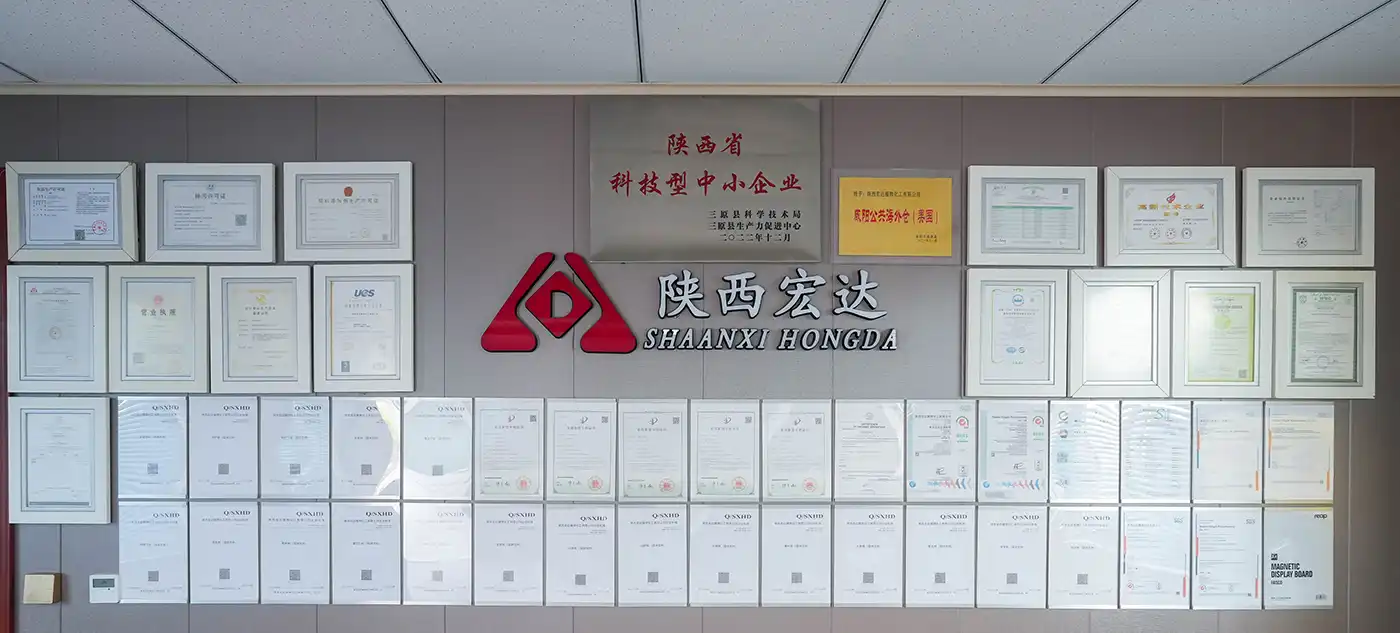
For international pharmaceutical customers, documentation requirements can vary by jurisdiction and intended use. A supplier that understands this distinction is more useful than one that simply advertises a long list of certificates.
Analytical and Regulatory Support
Where required by the customer's development program, buyers may also need analytical method information, stability-related data, manufacturing information, impurity profiles, or other quality documentation. ICH Q7 provides GMP guidance for API manufacturing, while the broader ICH quality framework includes guidelines covering analytical procedures, impurities, stability, pharmaceutical development, quality risk management, and drug-substance manufacturing.
The supplier should be clear about which documents are routinely available and which can be provided under a quality or confidentiality agreement. This is more credible than suggesting that every shipment automatically includes a complete regulatory submission package.
What Should Buyers Ask a Tirzepatide Powder Supplier?
A qualified buyer should evaluate more than the headline purity number. The first question is whether the supplier is providing tirzepatide as an API material and whether the product specification clearly defines identity, purity, related substances, water content, residual solvents, and other relevant attributes.
The second question concerns analytical capability. Buyers should understand how molecular identity is confirmed, how purity is measured, whether methods are validated or otherwise qualified for their intended purpose, and whether the supplier can provide batch-specific analytical documentation.
The third consideration is manufacturing and quality-system control. ICH Q7 emphasizes that API GMP covers manufacturing operations as well as quality control, packaging, storage, and distribution. A supplier should therefore be able to explain its quality procedures, batch traceability, release process, and handling conditions without relying entirely on marketing claims.
Storage and shipping conditions should also be confirmed before purchase. Peptide materials can be sensitive to environmental conditions, and the appropriate temperature, moisture protection, packaging configuration, and transport controls should be established from the product's actual stability and handling data.
Finally, buyers should confirm the intended market and regulatory use before placing an order. Regulatory expectations for API sourcing can differ between jurisdictions, and FDA has specifically emphasized concerns about unapproved or inadequately controlled GLP-1-related products and ingredients. This makes supplier qualification and documentation review particularly important for tirzepatide-related materials.
Why the API Specification Matters More Than a Generic Formula?
The key components of a tirzepatide powder should not be understood as a fixed recipe of peptide, buffer, sugar, and surfactant. The active pharmaceutical ingredient has a defined molecular structure, while the excipient system belongs to the subsequent formulation-development stage.
For pharmaceutical buyers, this distinction makes the supplier specification much more meaningful. A well-structured specification should explain what the material is, how its identity is confirmed, what purity and related-substance criteria apply, how process-related impurities are controlled, and under what conditions the material should be stored and transported.
This also creates a clearer path from raw material procurement to finished-product development. Once the API has been properly characterized and qualified, formulation scientists can select the appropriate buffer, stabilizer, surfactant, or other excipient system based on the intended dosage form and supporting development data rather than relying on assumptions about what every tirzepatide product should contain.
Conclusion
The key components associated with Tirzepatide Powder are best understood by separating the active peptide API from the excipient system of the finished dosage form. Tirzepatide is a 39-amino-acid modified peptide with defined structural modifications, including Aib substitutions and a C20 fatty diacid moiety, while the final formulation may contain additional ingredients selected according to the intended dosage form and development requirements.
For pharmaceutical and research customers, the most valuable supplier is therefore not simply the one offering the highest advertised purity. A reliable source should be able to provide a clear product specification, batch-specific COA, appropriate identity and purity testing, relevant impurity controls, storage information, safety documentation, and quality-system information suitable for the customer's qualification process. API manufacturing should also be evaluated against applicable GMP principles, including the expectations described in ICH Q7.
Hongda Phytochemistry and Shaanxi Hongda Phytochemistry Co., Ltd. can position their Tirzepatide Powder offering around these practical quality and documentation requirements rather than relying on broad claims such as “pharmaceutical-grade” or “high quality.” For customers evaluating bulk supply, the most useful next step is to review the current specification, available COA and technical documentation, packaging and storage conditions, minimum order requirements, production lead time, and the regulatory documentation available for the intended market. This approach gives pharmaceutical developers and procurement teams a clearer basis for supplier qualification while keeping the product information technically focused and commercially useful.
Contact our team today at duke@hongdaherb.com to request samples, discuss customization options, or obtain detailed quotations for your specific volume requirements and discover how our cost-effective solutions can accelerate your path to market success.
References
1. Wilson J, Davis M, Thompson R. Peptide Drug Development and Formulation Strategies for GLP-1 Receptor Agonists. Journal of Pharmaceutical Sciences, 2023.
2. Chen L, Wang Y, Zhang H. Structural Modifications and Pharmacokinetic Optimization of Incretin-Based Therapeutics. Molecular Pharmaceutics, 2022.
3. Martinez A, Brown K, Anderson P. Quality Control and Analytical Validation for Synthetic Peptide Active Pharmaceutical Ingredients. Journal of Chromatography B, 2024.
4. Patel R, Kumar S, Lee J. Regulatory Requirements and cGMP Compliance for Peptide Manufacturing Facilities. Pharmaceutical Technology, 2023.
5. Roberts E, Taylor N, White C. Formulation Development and Stability Testing of Lyophilized Peptide Therapeutics. International Journal of Pharmaceutics, 2022.