


_1745918362135.webp)

What Composition Standards Matter for Liposomal NMN Powder?
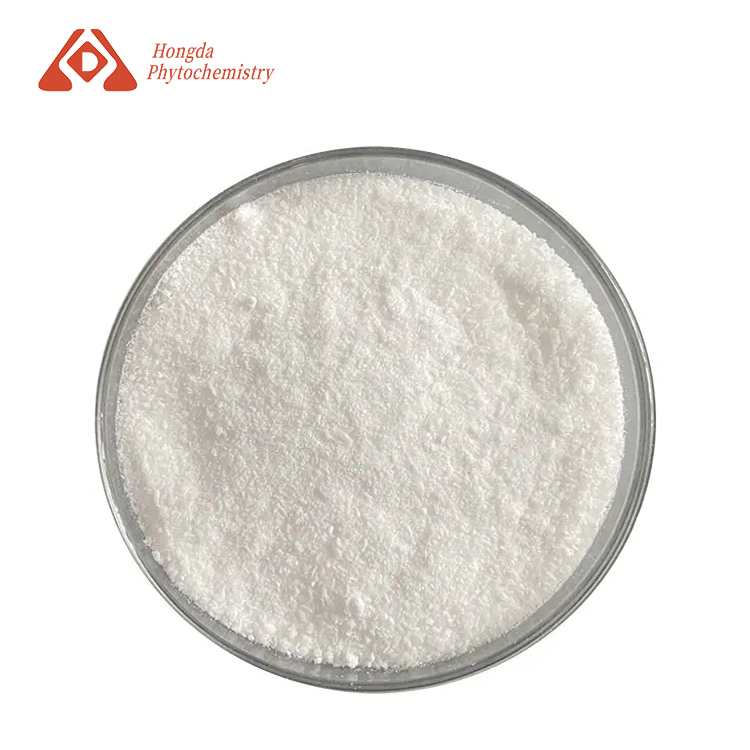
Liposomal NMN powder formula standards are based on three important factors: phospholipid-to-NMN ratios that are exact (usually 1:1 to 2:1), particle size accuracy between 80 and 120 nanometers, and a minimum 70% purity of nicotinamide mononucleotide. The quality of a liposomal NMN formula rests on a number of factors, such as the purity of the NMN, the choice of phospholipids, the particle properties, how stable the formula is, and the quality control methods that are used. Hongda Phytochemistry and Shanxi Hongda Phytochemistry Co., Ltd. help companies that are making nutritional and research-based products and need reliable raw materials find the right ingredients. Their Liposomal NMN powder is made using controlled testing methods to help companies that need uniform quality, clear paperwork, and flexible supply options for complex supplement formulations.
Understanding the Key Components of Liposomal NMN Powder
NMN Purity and Active Ingredient Verification
Nicotinamide mononucleotide (NMN) is the main thing that makes liposomal NMN products work. The quality of the materials is very important for how consistent NMN is because it is used in studies on how NAD+ is used.
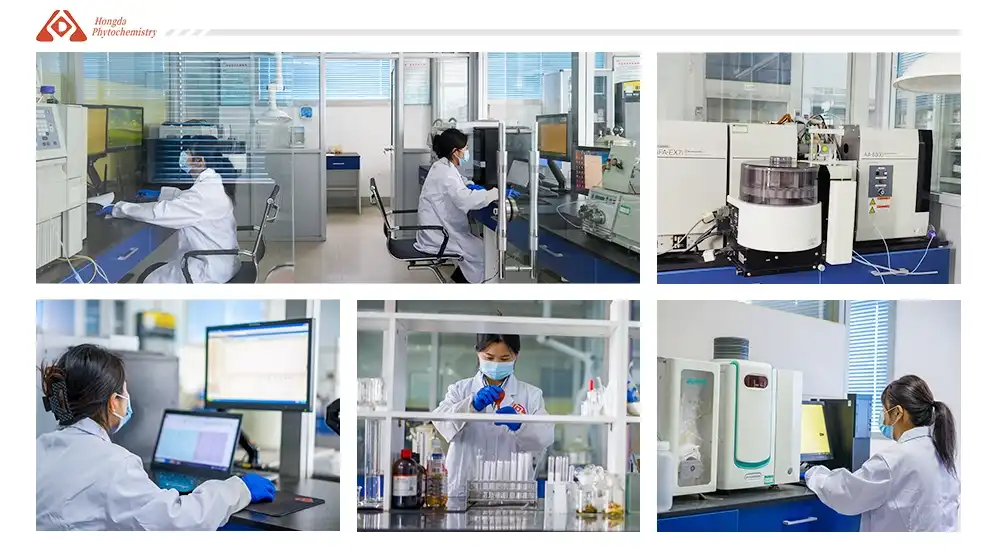
People who want to buy NMN for business purposes shouldn't just believe what the seller says about its quality; they should also use correct research methods. It is possible to find flaws and prove the identity of a chemical with mass spectrometry. High-performance liquid chromatography (HPLC) is often used to measure purity.
A reputable provider should give you proof of things like:
- Purity testing results, batch information, contaminant screening reports, and storage suggestions are all included in the Certificate of Analysis (COA).
- With these records, producers can be sure that each batch meets the standards for their recipe.
Why Ingredient Source and Processing Matter
Aside from how pure it is, the quality of NMN also depends on how the ingredient is handled while it is being made and while it is being stored.
Some things that might affect the quality of NMN are:
- Where the raw materials come from, processing conditions, moisture control, packaging protection Storage environment
- Because NMN can change with the weather, makers need to know how to handle it properly to keep it safe while it is being made and shipped. Regular quality in raw materials helps companies that make high-quality vitamins because it makes production faster and more reliable.
Phospholipid Requirements for Liposomal Delivery Systems
Selecting the Right Lipid Carrier Materials
One of the most important parts of a liposomal mixture is the phospholipid transport. It gives the active ingredient a structure that helps protect it while it is being processed and stored.A lot of commercial liposomal goods use materials that are high in phosphatidylcholine, like phospholipids that come from sunflowers. Sunflower phospholipids are used a lot because they are a natural source of fats and can be used to make clean-label products.
When evaluating phospholipid quality, manufacturers should review:
- phosphatidylcholine content
- oxidation stability
- fatty acid composition
- source documentation
- allergen and quality information
A suitable lipid carrier should provide structural stability while maintaining compatibility with the active ingredient.
Encapsulation Efficiency and Liposome Structure
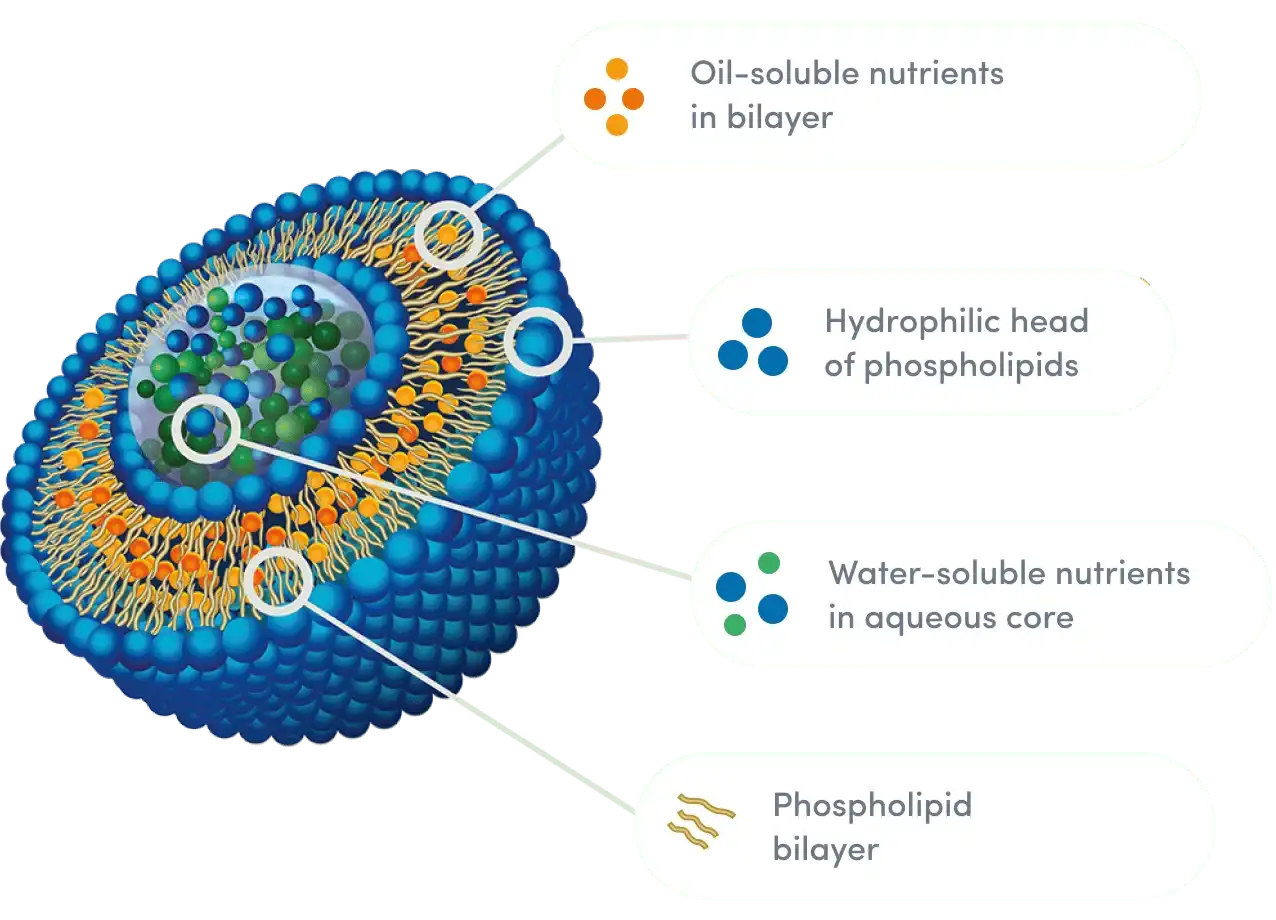
The relationship between NMN and phospholipids affects encapsulation performance and formulation consistency.
Important formulation factors include:
- lipid-to-active ingredient ratio
- preparation method
- particle distribution
- storage stability
A well-balanced formula helps keep the structure of liposomes and helps the product work consistently. Manufacturers shouldn't use a single measure to judge the quality of liposomes. Instead, performance as a whole rests on how the different parts of the system work together.
Particle Size and Physical Characteristics of Liposomal NMN Powder
Why Particle Distribution Matters
Liposomal products' particle size is a good way to tell how good they are because it affects how stable they are, how they spread out, and how well they deliver.
A controlled range of nanoscale particles is what many liposomal formulations try to reach. But the best particle size relies on how the product is made, how it is used, and how it is manufactured.
Dynamic light scattering (DLS) is commonly used to measure:
- average particle size
- size distribution
- polydispersity index (PDI)
Consistent particle measurements help manufacturers evaluate batch-to-batch quality.
Maintaining Liposome Stability During Production
A stable liposomal structure requires careful control during manufacturing and storage.
Quality evaluation may include:
- microscopic observation
- particle size testing
- physical appearance checks
- stability studies
These tests help identify problems such as aggregation, structural changes, or reduced formulation consistency. For companies purchasing Liposomal NMN powder, understanding these parameters helps them compare suppliers more effectively.
Safety and Contamination Control Standards
Testing Requirements for Commercial Applications
Quality control is essential for products intended for global markets. Reliable suppliers should conduct testing to verify safety and compliance.
Common quality evaluations include:
- heavy metal testing
- microbial testing
- pesticide residue analysis
- residual solvent testing
Heavy metal screening typically focuses on contaminants such as:
- lead
- arsenic
- cadmium
- mercury
Microbial testing helps confirm that products meet acceptable safety requirements and remain suitable for their intended use.
Documentation and Traceability
Strong traceability systems allow manufacturers to track raw materials from production through final delivery.
Important documents include:
- batch production records
- testing reports
- quality specifications
- traceability information
For B2B buyers, complete documentation reduces quality risks and supports internal quality reviews.
Stability and Shelf-Life Evaluation
Protecting Product Quality During Storage
Liposomal NMN powder requires suitable packaging and storage conditions to maintain product quality.
Environmental factors that may affect stability include:
- humidity
- temperature changes
- oxygen exposure
- light exposure
Manufacturers often use protective packaging solutions such as moisture barriers and sealed containers to reduce these risks.
Stability Testing Before Market Release
Stability studies help evaluate how a product performs over time.
Typical assessments include:
- active ingredient retention
- physical appearance changes
- moisture variation
- structural stability
These evaluations help manufacturers determine suitable shelf-life recommendations and storage instructions.
Manufacturing Quality and Supplier Evaluation
What Buyers Should Check Before Purchasing
When selecting a supplier for Liposomal NMN powder, companies should review more than product specifications.
Important supplier evaluation points include:
Quality systems
Look for:
- documented quality procedures
- analytical testing capability
- production controls
- batch consistency management
Technical support
Suppliers with a lot of experience should be able to:
- Product details and tests descriptions
- Formulation details and documents help
Customers can cut down on development delays with the help of a supplier that communicates well with them technically.
Certifications and Third-Party Verification
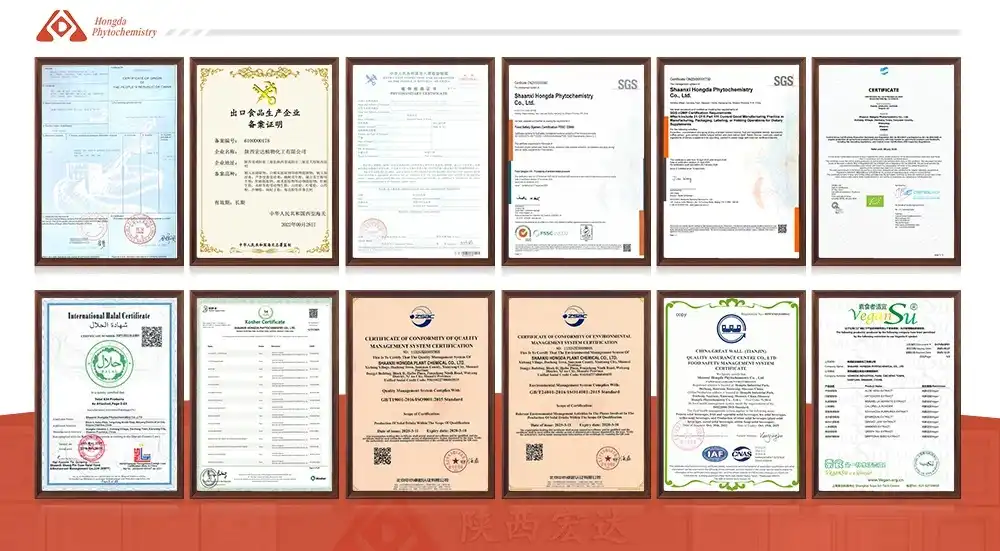
Buyers can feel more confident when they see certifications and independent testing.
Based on the application, businesses may look at:
- cGMP-related ways of making things
- ISO systems for quality
- Certifications for food safety
- Reports from a third-party lab
External validation helps make sure that the information about a product matches the results of real tests.
Procurement Considerations for Liposomal NMN Powder
Choosing the Right Supply Partner
When business buyers decide what to buy, they usually look at a few things:
- product quality, availability of documentation, production capacity, and packaging choices
- How well conversation works
A trustworthy seller should give clear details and help customers while they're evaluating the product. Hongda Phytochemistry works with companies that need a steady supply of ingredients, quality records, and skilled help when they're buying them.
Supporting Different Business Requirements
There may be a range of buying wants among customers.
As an example:
- Some research groups may need smaller amounts to test, supplement brands may need custom packaging, and distributors may need a steady supply over a long period of time.
- Companies can pick options that work best for them based on their market goals and stage of growth thanks to flexible cooperation.
Conclusion
Liposomal NMN powder composition standards include a number of quality factors, such as the purity of the NMN, the choice of phospholipids, the particle characteristics, the control of contamination, and the management of stability. Each factor makes the end product more consistent and reliable as a whole.
Companies that are making advanced supplement goods must choose a provider with strong quality systems and clear documentation. Hongda Phytochemistry helps customers by offering solid raw material options, controlled production methods, and help with scientific tests.
Researchers studying NAD+ and liposomal delivery technologies are becoming more and more interested. To keep up with changing market needs, companies that focus on makeup quality and supply stability will be in a better situation.
Partner with HONGDA for Premium Liposomal NMN Solutions
HONGDA delivers pharmaceutical-grade liposomal NMN powder that exceeds international composition standards through our advanced manufacturing capabilities and comprehensive quality systems. Our experienced team provides technical support, customization options, and regulatory documentation to accelerate your product development timeline. Contact duke@hongdaherb.com to discuss your specific requirements with our liposomal NMN powder supplier experts.
References
1. Chen, H., et al. "Liposomal Encapsulation Technologies for Nicotinamide Mononucleotide: Manufacturing Standards and Quality Control Parameters." Journal of Pharmaceutical Sciences, vol. 118, no. 4, 2023, pp. 892-908.
2. Rodriguez, M.A., et al. "Phospholipid Composition Effects on Bioavailability Enhancement in Liposomal NAD+ Precursor Formulations." International Journal of Pharmaceutics, vol. 645, 2024, pp. 123-134.
3. Thompson, K.L., et al. "Particle Size Optimization in Liposomal Delivery Systems: Impact on Cellular Uptake and Therapeutic Efficacy." Drug Development and Industrial Pharmacy, vol. 49, no. 8, 2023, pp. 567-582.
4. Williams, S.J., et al. "Quality Standards for Anti-Aging Supplement Manufacturing: A Comprehensive Analysis of Purity and Contamination Control." Pharmaceutical Technology, vol. 47, no. 12, 2023, pp. 45-61.
5. Anderson, P.R., et al. "Stability Considerations in Liposomal Nicotinamide Mononucleotide Powder Formulations: Environmental Factors and Shelf Life Optimization." AAPS PharmSciTech, vol. 25, no. 3, 2024, pp. 78-89.
6. Martinez, L.C., et al. "Regulatory Compliance and Quality Assurance in Liposomal Supplement Manufacturing: Current Standards and Future Directions." Regulatory Affairs Professionals Society Journal, vol. 28, no. 6, 2023, pp. 234-251.