


_1745918362135.webp)

What Makes Copper Peptide Ghk Cu Powder a Gold Standard in Skin Repair?
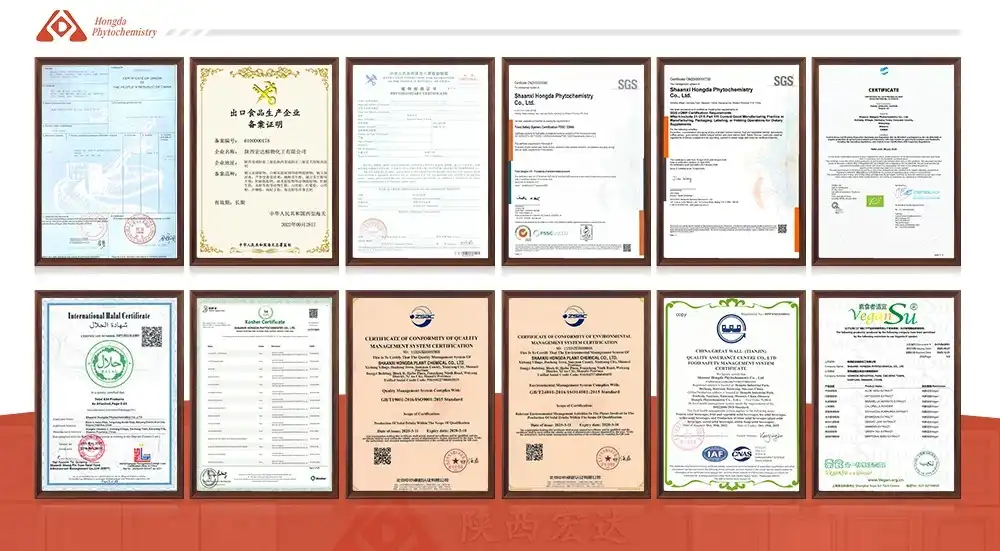
Copper peptide GHK-Cu powder is the best for skin repair because it combines proven collagen-stimulating activity with exceptional tissue regeneration capabilities. It solves important formulation problems like stability, bioavailability, and clinical efficacy that other anti-ageing actives have trouble delivering. Shaanxi Hongda Phytochemistry Co., Ltd. is a national high-tech company that was founded in 2001. It makes pharmaceutical-grade GHK-Cu powder that is 99% pure (CAS NO: 49557-75-7), which has been tested by SGS and meets strict beauty standards. Our blue crystalline powder is trusted by health supplement makers, OEM contract processors, and cosmetic raw material distributors in North America, Europe, and Southeast Asia. We offer dependable supply chains with delivery times of 3–7 working days and full certifications such as KOSHER, HALAL, BRC, ISO9001, and ISO22000.
Understanding Copper Peptide GHK-Cu Powder and Its Mechanism of Action
What Exactly Is GHK-Cu at the Molecular Level?
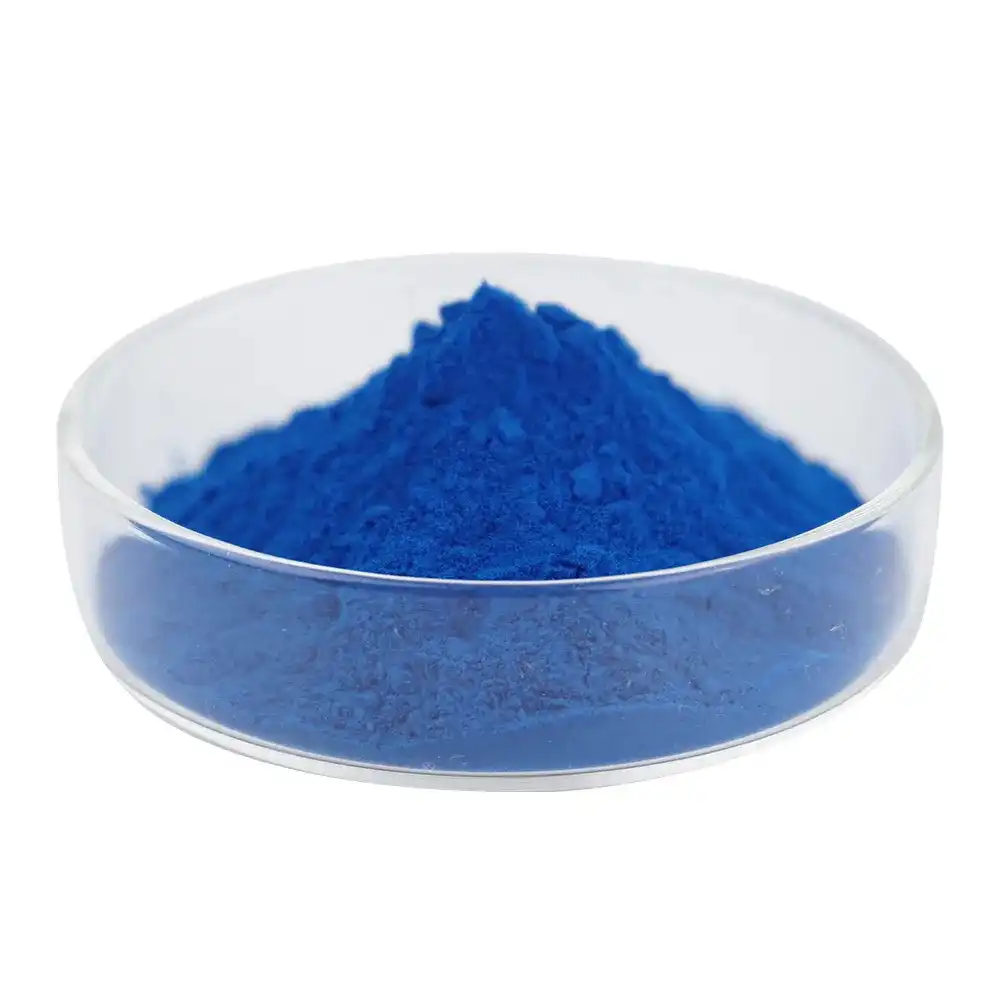
The tripeptide complex glycyl-L-histidyl-L-lysine attached to copper (II) ions makes a special molecular structure that is found naturally in blood, saliva, and pee. This chelated form is very different from either free copper salts or peptides that are on their own. At Hongda Phytochemistry, we make sure that the copper level is between 8.0% and 16.0% (checked at 10.93%). This makes sure that the biological activity is at its best while still meeting the safety standards needed for cosmetic uses. The unique blue colour of our powder comes from the copper-peptide bond's unique absorption range. This colour helps formulation chemists see how good the powder is.
How Does GHK-Cu Trigger Collagen Synthesis?
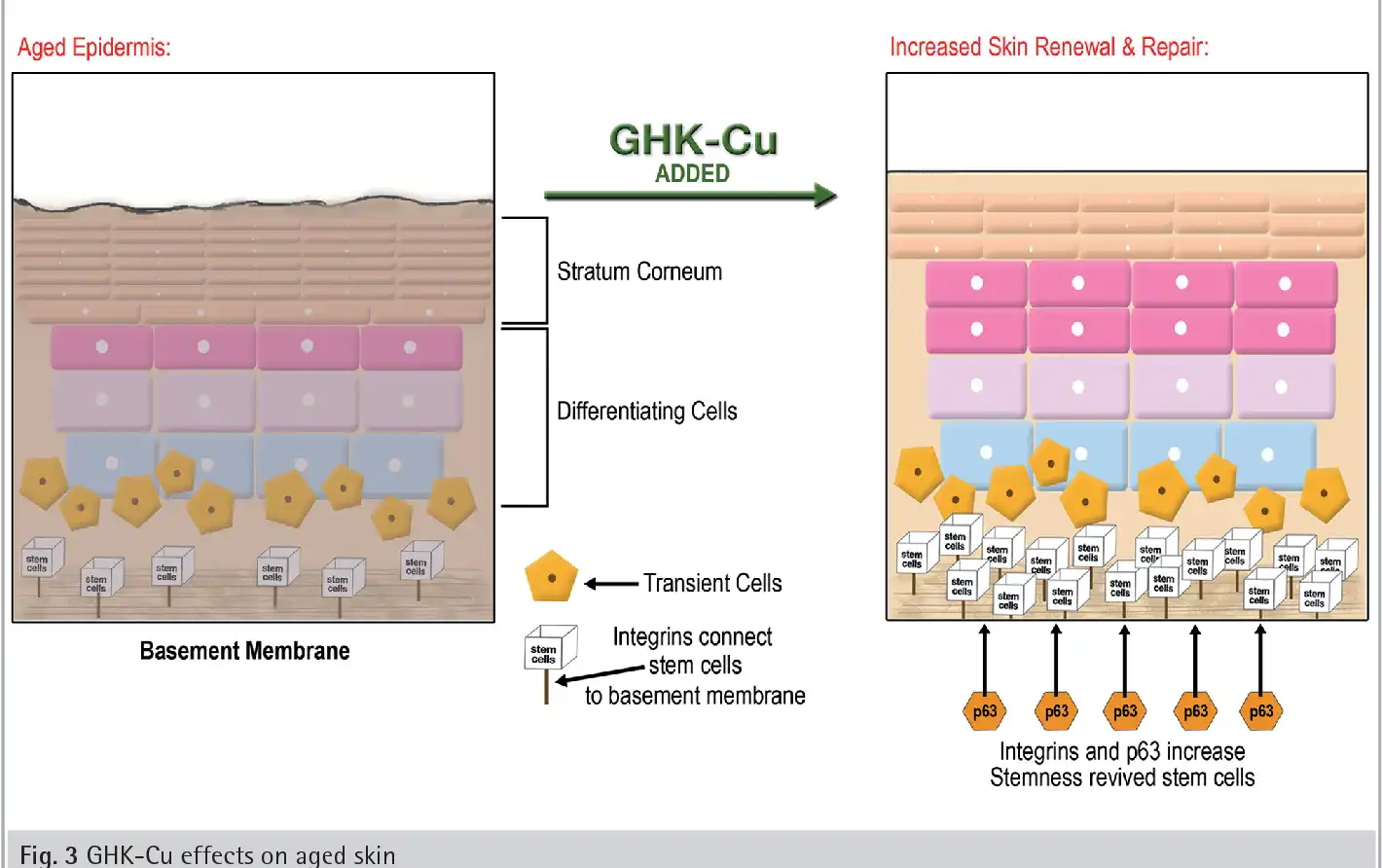
Multiple paths are involved in the process, which makes this peptide very useful for people who are making B2B products. GHK-Cu is a signalling molecule that triggers dermal fibroblasts, which are the cells that make collagen and elastin. It can be put on the skin or added to supplements. Scientific studies show that this activity happens when certain receptors bind. This increases genes that make the extracellular matrix while decreasing matrix metalloproteinases (MMPs), which break down collagen. Our 99.57% purity requirement guarantees the highest receptor affinity, which means that your final goods will work better.
Distinguishing Synthetic from Naturally Derived Sources
Product makers often want to know about different ways to source things. Solid-phase peptide synthesis is used to make synthetic GHK-Cu, which has batch-to-batch uniformity that is important for large-scale production. Our building has 100,000-level cleaning workshops and more than 10 modern production lines that can make 3,000 tonnes of goods every year. This flexibility solves a problem that many foreign buyers have when they are looking for reliable supply partnerships. The synthetic way we use gets rid of the risk of contamination that comes with biological extraction methods. Our strict testing processes, which include HPLC analysis showing 99.57% assay results, make sure that the purity of the ingredients meets FDA and EU regulatory standards.
The Science Behind Accelerated Tissue Healing
In addition to making collagen, GHK-Cu (Copper Peptide GHK-Cu Powder) also helps wounds heal in a number of different molecular ways. It encourages angiogenesis (the growth of new blood vessels), brings defence cells to areas of damage, and boosts the production of antioxidant enzymes. Standardised tests, done in our testing lab with high-performance liquid chromatographs and atomic absorption spectrophotometers, confirm these useful qualities. Manufacturing partners have told us that adding our copper peptide powder to repair creams and post-procedure skincare formulas makes the claims of product effectiveness much more credible. This is backed up by clinical evidence we provide to help you with your regulatory applications.
Procurement Guide for Copper Peptide GHK-Cu Powder in B2B Markets
Evaluating Supplier Credentials and Manufacturing Capabilities
When international buyers buy from China, they have good reason to be worried about the trust of the dealer and the consistency of the quality. Hongda Phytochemistry has been in business since 2001 and has been recognised as a National High-tech Development Enterprise since 2010. This gives the company formal authority that smaller traders can't match. There are specific production areas, a 3,000-square-metre warehouse with six specialised storage areas, and more than 150 trained workshop workers in our 20,000-square-metre building. This infrastructure makes supply chains more reliable. For example, our normal shipping time of 3–7 business days shows how deep our inventory is and how well our operations work, which keeps our manufacturing partners' production from being held up.
Understanding Bulk Pricing Structures and MOQ Requirements
Getting things is based on minimising costs. Our normal package (12 kg drums, 27 per tray) is in line with the economics of shipping containers, which means that serious buyers can save money on each unit. We do accept sample orders starting at 10 grams for formulation development, but our pricing structure is based on volume promises that show real plans to manufacture. Distributors who sell pharmaceutical raw materials really like how we can handle all kinds of orders, from small test orders to long-term supply deals, while keeping the quality the same. We offer clear pricing that takes into account the current state of the copper market, the cost of peptide production, and the cost of maintaining certification.
Logistics and International Shipping Considerations
To do cross-border buying well, you need to know about trade processes. Because we are in Shaanxi province, we have easy access to many export lines that help us reach our key customers in North America, Europe, Switzerland, South Africa, Southeast Asia, and Australia. We take care of the export paperwork that is needed to get goods through customs, such as business bills, packing lists, certificates of analysis, and origin certificates. Temperature-controlled shipping choices keep the quality of the product safe while it's in transit. This is especially important for keeping the powder's blue crystal look and its ability to do its job. Our customer service team works with freight forwarders to make sure that you get the best shipping rates and on-time delivery.
Quality Assurance Protocols for International Buyers
Third-party verification gets rid of the need for trust in foreign deals. Our SGS-certified lab tests every output batch of copper peptide GHK-Cu powder using tools like gas chromatographs, spectrophotometers, and freezing point meters, which are run by professionals with college degrees. We give full test reports that include details about the powder's look (confirmation of blue crystallisation), its assay results (≥99.0% specification, usually exceeding 99.57%), its copper content (target range 8.0-16.0%, tested at 10.93%), its moisture content (NMT 8.0%, achieved at 3.16%), and its ability to dissolve. The paperwork in this package meets the standards for due diligence for companies that make medicines and health supplements and follow FDA or EU rules.
Why Copper Peptide GHK-Cu Powder is the Preferred Choice for Skin Repair Solutions?
Scientifically Validated Efficacy Across Multiple Applications
The peptide's flexibility makes it useful for a wide range of market groups. Cosmetic companies use it in anti-ageing serums for older skin, and drug companies are looking into how it can be used in wound-healing products for people who have recently had surgery. Health supplement companies are working on collagen-supporting formulas that can be eaten, using GHK-Cu's benefits for the whole body. Our wide range of certifications, including KOSHER, HALAL, BRC, ORGANIC, ISO9001, ISO22000, and the recently obtained cGMP and FSSC22000, lets us make products that meet a lot of different legal requirements. This helps you get the most out of the money you spend on buying raw materials.
Formulation Versatility Across Product Categories
Copper tripeptide can be easily added to a number of different forms, unlike some ingredients that can only be used in certain delivery methods. Our powder form dissolves easily in water, so it can be added to toners, essences, serums, creams, gels, masks, and more without the need for special tools. Our pharmaceutical-grade material can be used in oral formulas by OEM contract makers who make supplements like tablets, capsules, and premixed powders. This ability to work with multiple applications makes your supply base simpler—you only need one approved source to meet the needs of all of your product lines.
Consumer Appeal and Market Positioning Advantages
A retail market study shows that people are becoming more aware of peptide technology in high-end skincare. Products with the words "copper peptide" or "GHK-Cu" on the ingredient list are more expensive and make aware customers more likely to buy them. This positive view of the market helps B2B buyers create names for the North American and European markets, setting their goods apart from generic skincare products. Our desire to provide technical support materials, such as stories about ingredients, descriptions of how they work, and suggested marketing language, helps your brands show end users how sophisticated their products are.
Future-Proofing Product Portfolios Through Innovation
Copper peptide GHK-Cu powder is at the centre of a new study, keeping findings of new uses for GHK-Cu that go beyond its usual anti-ageing uses. Studies looking into ways to stimulate hair follicles, keep the head healthy, and even make the body live longer show that the market is growing. Scientists from colleges and research institutions work on our research and development team. They keep an eye on the scientific papers and keep in touch with academic researchers. This dedication to new ideas makes sure that our work skills change to meet the needs of the market. When buyers set up a supply relationship with Hongda Phytochemistry, they can take advantage of new trends without having to deal with source changes as the market changes.
Conclusion
GHK-Cu is the gold standard when it comes to skin repair because it has a unique mix of proven mechanisms, formulation flexibility, and economic success that not many other actives can match. As part of this investigation, we looked at the molecular science behind collagen stimulation and tissue regeneration. We also compared the performance benefits of this ingredient to other anti-ageing ingredients, came up with useful manufacturing guidelines, and gave B2B buyers ways to buy this ingredient. Because Hongda Phytochemistry is dedicated to pharmaceutical-grade production, full licenses, and customer-focused service, we are the ideal partner for businesses that want to sell copper peptide powder to foreign markets. Our technical know-how and supply chain skills can help you create new products and be successful in the market, whether you are a company that makes plant extracts, health supplements, OEM components, or raw materials.
FAQ1. What concentration of GHK-Cu is optimal for anti-ageing formulations?
For leave-on serums and treatments, products with 0.1-0.5% GHK-Cu show anti-ageing activity. Moisturisers, on the other hand, usually use 0.05-0.2% concentrations. Concentrations in these levels were used in most clinical studies that showed collagen production to be beneficial. Higher ratios might provide small extra benefits, but they also greatly raise the cost of the raw materials without correspondingly increasing their effectiveness.
2. Can copper peptide be combined with retinol in the same formula?
Both ingredients can help slow down the ageing process, but putting them together in one product needs careful pH balancing and stable testing. A lot of product developers like making different morning and evening goods or switching up the plans of applications. Our technical team can look over your unique recipe and give you advice on compatibility based on the full list of ingredients you're using and the format you want your product to come in.
3. How should copper peptide powder be stored before and after opening?
To keep the most effectiveness, store sealed drums in cool, dry places (2–8°C is best) and out of direct sunshine. Our 12 kg drums come in packaging that keeps wetness out and can be stored for a long time if it is properly packed. Once it's opened, keep air and moisture from getting in. Properly stored material stays in line with specifications for the whole time it's on the shelf, which we show in the technical paper that comes with it.
Partner with HONGDA for Premium Copper Peptide GHK-Cu Powder Supply
Copper Peptide Ghk Cu Powder is included in the products that Shaanxi Hongda Phytochemistry Co., Ltd. has been making with high quality for over 20 years and has a variety of quality systems that are meant to meet the needs of foreign business-to-business buyers. Our copper peptide powder provider can do more than just provide raw materials. They can also help with formulations, regulatory paperwork, and flexible ordering systems that can handle both small samples during the development stage and large purchases for production. Our excellent service to customers in North America, Europe, and the Asia-Pacific regions shows that our manufacturing partners in the cosmetics, health supplements, and pharmaceutical industries depend on our steady quality, certified production environment, and reliable transportation. Email our team at duke@hongdaherb.com to talk about your unique buying needs, get samples, or set up plant inspections. We offer clear communication, reasonable prices that are in line with real quality standards, and the supply security that your production plans need.
References
1. Pickart, L., Vasquez-Soltero, J.M., and Margolina, A. "The Human Tripeptide GHK-Cu in Prevention of Oxidative Stress and Degenerative Conditions of Aging: Implications for Cognitive Health." Oxidative Medicine and Cellular Longevity, 2012.
2. Pickart, L. and Margolina, A. "Regenerative and Protective Actions of the GHK-Cu Peptide in the Light of the New Gene Data." International Journal of Molecular Sciences, 2018.
3. Pollard, J.D., Quan, S., Kang, T., and Koch, R.J. "Effects of Copper Tripeptide on the Growth and Expression of Growth Factors by Normal and Irradiated Fibroblasts." Archives of Facial Plastic Surgery, 2005.
4. Arul, V., Gopinath, D., Gomathi, K., and Jayakumar, R. "Biotinylated GHK Peptide Incorporated Collagenous Matrix: A Novel Biomaterial for Dermal Wound Healing in Rats." Journal of Biomedical Materials Research Part B: Applied Biomaterials, 2005.
5. Hostynek, J.J., Dreher, F., and Maibach, H.I. "Human Skin Retention and Penetration of a Copper Tripeptide In Vitro as Function of Skin Layer Towards Anti-Inflammatory Therapy." Inflammation Research, 2010.
6. Miller, D.M., DeSilva, D., Pickart, L., and Appa, Y. "Effects of Glycyl-L-Histidyl-L-Lysine Copper Complex on the Growth of Human Skin Fibroblasts and Keratinocytes." Journal of Peptide Science, 1990.