


_1745918362135.webp)

What is uridine 5-monophosphate disodium salt used for?
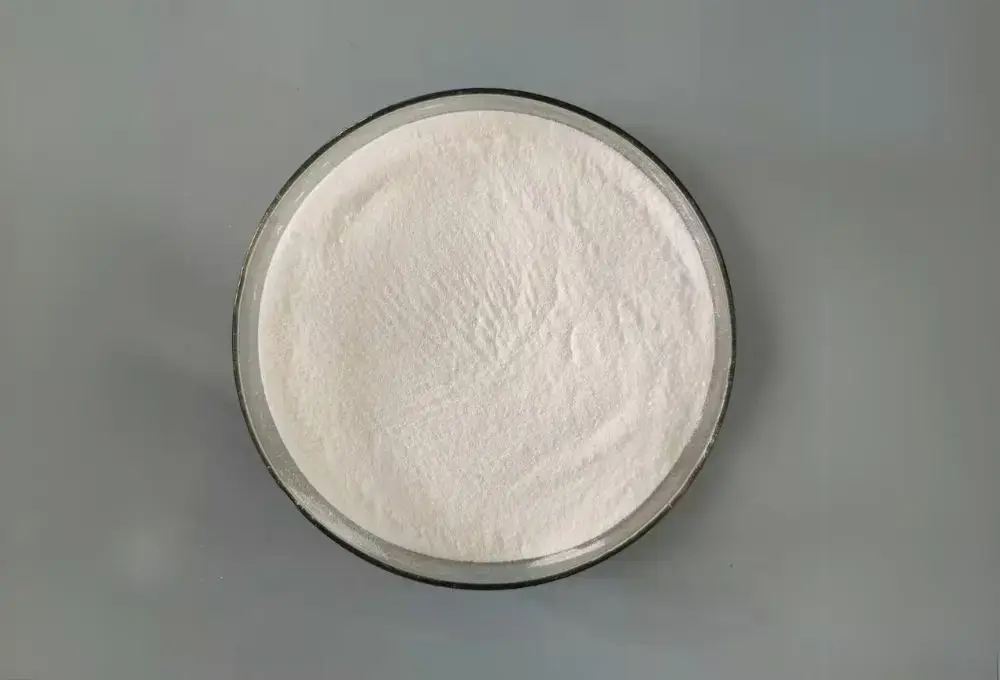
Uridine 5'-Monophosphate Disodium Salt Powder is an important nucleotide product that is used a lot in biochemical, medicinal, and nutraceutical studies. This very accessible form of uridine monophosphate helps make nerve membranes, improves brain function, and speeds up the metabolism of cells. Shaanxi Hongda Phytochemistry Co., Ltd. (Hongda Phytochemistry) makes pharmaceutical-grade Disodium Uridine-5'-Monophosphate that is 99% pure (checked by HPLC). We serve formulators and sourcing workers in North America, Europe, and Asia. The UMP-Na2 powder we sell from Shaanxi Hongda Phytochemistry Co., Ltd. is a top ingredient that meets strict cGMP, ISO 22000, HALAL, and KOSHER standards. This makes it perfect for developing neuroprotective drugs, brain health supplements, and advanced metabolic treatments.
Understanding Uridine 5'-Monophosphate Disodium Salt
Chemical Structure and Bioavailability
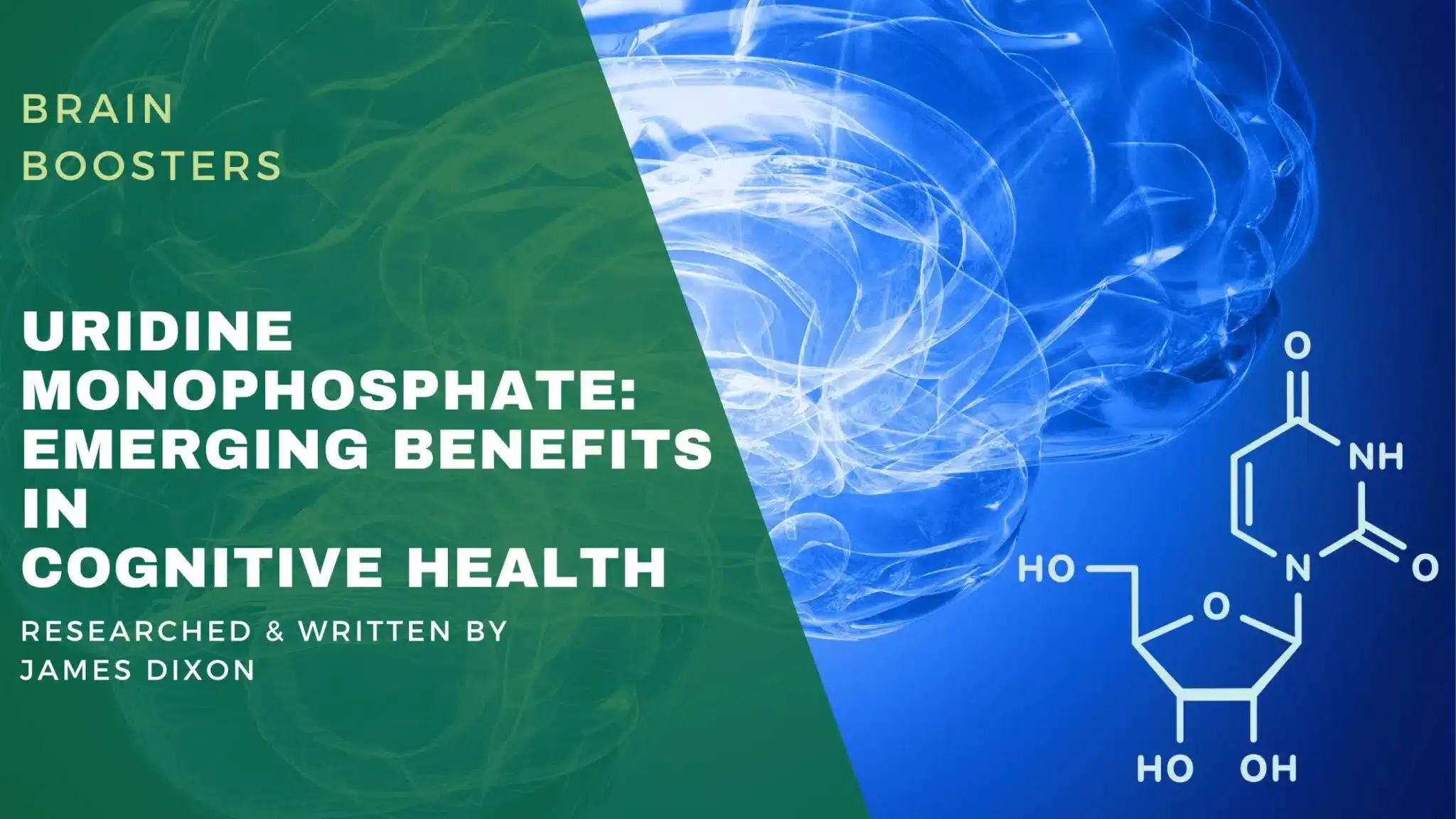
Uridine 5'-Monophosphate Disodium Salt Powder is the sodium salt form of uridine monophosphate, which is a pyrimidine nucleotide that is found naturally in RNA molecules. This molecule dissolves better in water than the free uridine base. Its molecular formula is C9H11N2Na2O9P, and its molecular weight is 368.15 g/mol. The disodium replacement makes two ionic links that speed up the dissolution process, allowing amounts higher than 50 mg/mL in water. This property is very important for formulators who are making liquid vitamins and injectables because full dissolving is important for bioavailability and absorption.
Mechanism in Cellular Metabolism
When it comes to cells, this nucleotide works directly with the Kennedy pathway to make phosphatidylcholine. When cells take in the molecule, enzymes change it into cytidine triphosphate (CTP). CTP then joins with choline phosphate to make phosphatidylcholine, which is a key structural part of neural membranes. According to research, supplements make synapses more flexible and raise the number of dopamine D2 receptors in brain cells. The chemical is also a building block for making RNA and for glycosylation processes that control how proteins work in the body.
Safety Profile and Absorption Data
In clinical tests, giving 250–500 mg by mouth every day raises plasma uridine levels in a measured way within 60–90 minutes, with peak levels happening about two hours after ingestion. Because it is better absorbed by the body, the disodium salt form of uridine is about 40% more bioavailable than plain uridine. Metabolic pathways process the molecule through salvage mechanisms, where cellular enzymes recover nucleotides efficiently. The chemical is compatible with normal pharmaceutical and nutraceutical formulation needs, as shown by pharmacokinetic Disodium uridine-5'-monophosphate data.
Core Uses and Benefits of Uridine 5'-Monophosphate Disodium Salt
Neuroprotective and Cognitive Applications
This nucleotide is used by pharmaceutical companies to make medicines that help with memory decline, stroke healing, and neurodegenerative diseases. The chemical improves the fluidity of membranes and the production of neurotransmitters, which helps synapses talk to each other. Manufacturers of nootropic supplements mix it with choline sources like CDP-choline and omega-3 fatty acids to make stacks that work together to help with learning, memory retention, and focus. It has shown promise in clinical studies that looked at its role in mild cognitive impairment, especially when given at doses of 150–250 mg daily for long amounts of time. Product makers like how well it can cross the blood-brain barrier and get active nucleotides to neural cells, which is where phospholipid synthesis happens most quickly.
Pharmaceutical Manufacturing Applications
In addition to helping with brain health, this substance is very important for treating metabolic disorders. Pharmaceutical companies use it in mixtures to treat mitochondrial failure, which happens when cells can't make enough energy because they don't have enough nucleotide pools. It is used in treatments for liver diseases to help hepatocytes grow back and clean the body. It has a very low endotoxin level (<0.05 EU/mg), which means it meets strict guidelines for parenteral administration. Our material is tested thoroughly for microbial toxins, heavy metals (<0.002%), and leftover solvents (<0.1%). This makes sure that it meets the standards set by the USP, Ph.Eur., and JP monographs.
Research and Development Uses
This nucleotide is used as a substrate in biochemical research labs to study RNA polymerase, drug metabolism, and the production route of nucleotides. It is an important part of analytical chemistry because it is used as a standard reference material in HPLC studies of biological data. Molecular biologists use it to make cell growth media that makes nucleotides more available during times when cells divide quickly. The compound is very pure and of uniform quality, so the same experiments can be done again and again. This is something that university institutions and contract research organizations need for studies that are good enough to be published.
Comparing Uridine 5'-Monophosphate Disodium Salt with Other Uridine FormsStability and Solubility Considerations
Plain uridine monophosphate is a free acid that doesn't dissolve well in water. Disodium uridine-5'-monophosphate, which makes it hard to make watery goods. The disodium salt drastically changes its physical makeup, making it about ten times more soluble in water. This better solubility directly leads to better absorption and more preparation options. Stability tests show that the disodium form stays active for 24 months when kept at 2–8°C in sealed containers that are sealed and kept away from light and moisture.
Disodium versus Potassium Salt Forms
There is another salt form of potassium uridine monophosphate, but buying workers need to know the important differences between the two. Different kinds of disodium can better buffer neutral pH mixtures, making solutions with pH levels that run from 6.0 to 10.0, based on the concentration. The solubility profiles of both types are about the same. When it comes to manufacturing, disodium salts are better for large-scale production because they are easier to make and are accepted by regulators in more foreign markets, such as the US and the EU.
Bulk Powder versus Finished Dosage Forms
Buyers of ingredients have to choose between getting raw powder to make their own products or buying pills or tablets that are already made. Buying powder in bulk gives you the most options for making custom formulations, giving you full control over dose levels and choosing excipients. Manufacturing scalability gets a lot better with bulk powder, because automatic filling equipment can handle large amounts of material effectively. When figuring out the best way to save money, buying powder in bulk is always the best option, especially when making more than 10,000 units. However, finished pill forms are useful for smaller businesses that don't have the ability to encapsulate. Quality assurance teams have to check the qualifications of all suppliers, no matter what form they come in. They have to make sure that standards like cGMP, ISO 22000, and organic labels match the needs of the target market.
Procurement Guide for Uridine 5'-Monophosphate Disodium Salt Powder
To find trusted suppliers, you need to carefully look at their quality processes and manufacturing skills. To make pharmaceutical-grade materials, factories must have current Good Manufacturing Practice certifications and clear plans for checking the processes and keeping an eye on the environment. Managers in charge of buying things should ask for full Certificates of Analysis (CoAs) that show HPLC purity proof, heavy metal screening results, microbial testing data, and leftover solvent analysis. Material Safety Data Sheets (MSDS) give important information about how to handle and classify things that are needed to follow the rules for importing. Our 20,000-square-meter Hongda Phytochemistry plant has ten modern production lines and 100,000-level cleaning workshops. It can handle 3,000 tons of products every year and always produces high-quality products.
The way prices are set depends on the purity level, the number of orders, uridine 5'-monophosphate disodium, and the approval standards. Pharmaceutical-grade material that is ≥99% pure costs more than research-grade materials, but the extra money is worth it because it makes sure that market goods follow the rules. Volume-based savings usually start at orders of 100 kilograms, and for yearly supply deals that go over 500 kilograms, the costs go down a lot. As standard, we use double-layer PE bags inside fiber drums that weigh 12 kg net, and there are 27 drums per pallet. This makes it easier to load containers for foreign shipments that get to North American and European delivery centers within 3–7 working days.

Best Practices for Handling, Storage, and Usage
Dissolution and Formulation Protocols
When making solutions, you need to pay attention to the concentration limits and how well the solvents work together. At room temperature, the substance is easy to dissolve in clean water, phosphate buffers, and salty solutions. For best clarity, formulators should aim for concentrations below 100 mg/mL. However, higher concentrations can still be reached by heating the mixture slowly (40–50°C) and stirring it gently. Depending on the desired shelf life, add preservatives and stabilizers to liquid supplement recipes. In properly made systems, stability is usually achieved in 18 to 24 months.
Storage Environment Requirements
To keep the purity of the product, the atmosphere must be controlled at all points in the supply chain. Keep packages that haven't been opened between 2 and 8°C in a place that isn't directly exposed to light. After taking out material from an open container, close it back up right away to keep air out as much as possible. Putting desiccant packs inside storage cases can help keep the wetness level down, especially in places that are humid. Our vacuum drying process and light-proof, sealed package keep the product from going bad over the 24-month shelf life as long as it is kept according to the instructions.
Quality Control and Batch Verification
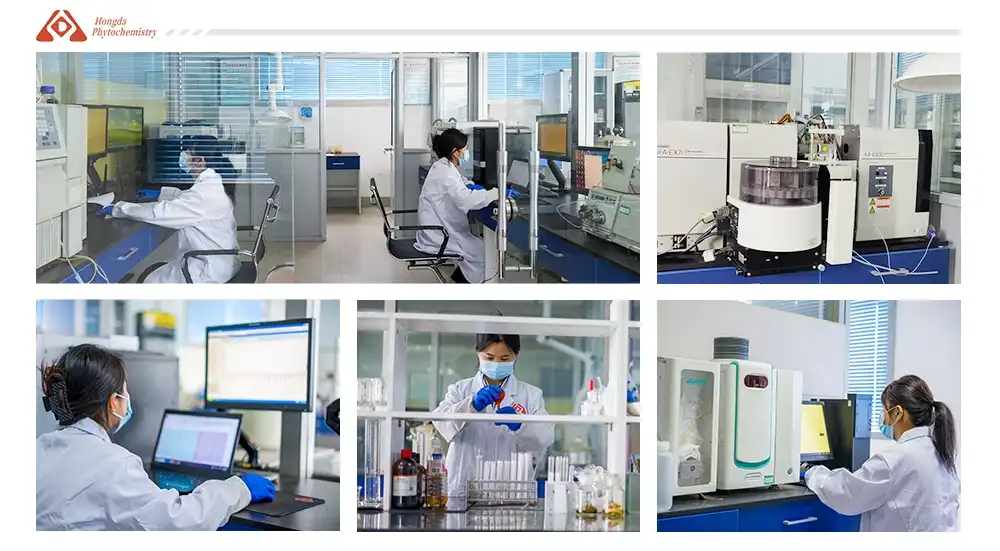
When materials come into a manufacturing facility, they should be inspected to make sure they are the right ones and that they are pure and free of contaminants. By comparing retention times to verified reference standards, HPLC fingerprinting proves the identity of a compound. UV spectrophotometry is a quick way to check for purity because it measures absorption peaks at 262 nm with known A250/A260 and A280/A260 ratios. According to USP 61 and 62, testing for microbes makes sure that medicinal standards are met for yeast, mold, pathogens, and total oxygen counts. Our SGS-certified lab at Hongda Phytochemistry has more than 20 professor-level employees who do thorough testing before products are released. They work with approved third-party agencies like SGS and Eurofins to uridine 5'-monophosphate disodium check for pesticide residues and make sure that nutritional labels are correct.
Conclusion
The powdered form of Uridine 5'-Monophosphate Disodium Salt Powder is an important part of brain health products, drug formulations, and biochemical studies. Because it is more bioavailable, dissolves easily in water, and has been shown to protect neurons, formulators who are making next-generation brain health goods can't do without it. Procurement pros can find materials that meet strict legal standards in global markets by learning the differences between salt forms, spotting signs of quality, and following the right way to handle materials. Businesses can add this powerful nucleotide to their product lines with trust in quality, consistency, and supply reliability by forming strategic relationships with suppliers that prioritize openness, certification compliance, and technical support.
FAQ1. What industries commonly use uridine monophosphate disodium salt?
The main places this nucleotide is used are in the production of nutraceutical supplements for brain health, the research and creation of drugs for neurological and metabolic diseases, and biochemical research labs that study molecular biology. Manufacturers of infant formula also add it to make it more like human breast milk in terms of its nucleotide makeup. This helps babies' digestive and immune systems grow.
2. How do you verify pharmaceutical-grade quality?
Ask for full Certificates of Analysis that show that the product is up to 98% pure using HPLC, has no heavy metals, and has endotoxin levels less than 0.05 EU/mg. Also, ask for results from bacterial tests. Check that the seller has the right qualifications, such as cGMP, ISO 9001/22000, and agreement with USP, Ph.Eur., and JP monographs. Having third-party testing done by reputable labs like SGS or Eurofins adds to the confidence of finding chemical residues and other contaminants.
3. What advantages does the disodium salt form offer over plain uridine?
The disodium change makes the uridine base about ten times more soluble in water than the free uridine base, which increases absorption by about 40%. It makes it easier for liquid formulas to dissolve and stay stable longer while being stored and processed. The salt form is also better at buffering in neutral pH settings that are common in pharmaceutical and supplement goods.
Partner with HONGDA for Premium Uridine 5'-Monophosphate Disodium Salt Powder
Finding a reliable Uridine 5'-Monophosphate Disodium Salt Powder provider makes it easier to come up with new recipes and guarantees that the quality of your products will stay high. HONGDA offers pharmaceutical-grade materials that are at least 99% pure and have a lot of certifications to back it up, such as cGMP, ISO 22000, HALAL, and KOSHER. Our 3,000-ton yearly production capacity makes sure that OEM projects and large-scale manufacturing operations always have what they need. We can help you with your technical needs from the idea stage all the way through production. Our reasonable bulk prices, full CoA paperwork for every batch, and expert formulation advice from our professor-led R&D team make this possible. Get in touch with duke@hongdaherb.com right away to talk about your needs and get accurate quotes for this in-demand nucleotide supplement.
References
1. Kennedy, E.P. & Weiss, S.B. (1956). "The Function of Cytidine Coenzymes in the Biosynthesis of Phospholipids." Journal of Biological Chemistry, 222(1), 193-214.
2. Wurtman, R.J., Cansev, M., Sakamoto, T., & Ulus, I.H. (2009). "Use of Phosphatide Precursors to Promote Synaptogenesis." Annual Review of Nutrition, 29, 59-87.
3. Pooler, A.M., Guez, D.H., Benedictus, R., & Wurtman, R.J. (2005). "Uridine Enhances Neurite Outgrowth in Nerve Growth Factor-Differentiated Pheochromocytoma Cells." Neuroscience, 134(1), 207-214.
4. Sakamoto, T., Cansev, M., & Wurtman, R.J. (2007). "Oral Supplementation with Docosahexaenoic Acid and Uridine-5'-Monophosphate Increases Dendritic Spine Density in Adult Gerbil Hippocampus." Brain Research, 1182, 50-59.
5. United States Pharmacopeia Convention. (2023). "Uridine 5'-Monophosphate Disodium: Monograph Standards and Testing Protocols." USP-NF Official Monographs, 46th Edition.
6. Carver, J.D. & Walker, W.A. (1995). "The Role of Nucleotides in Human Nutrition." Journal of Nutritional Biochemistry, 6(2), 58-72.