


_1745918362135.webp)

How to Formulate With Liposomal Silymarin Powder in Supplements?
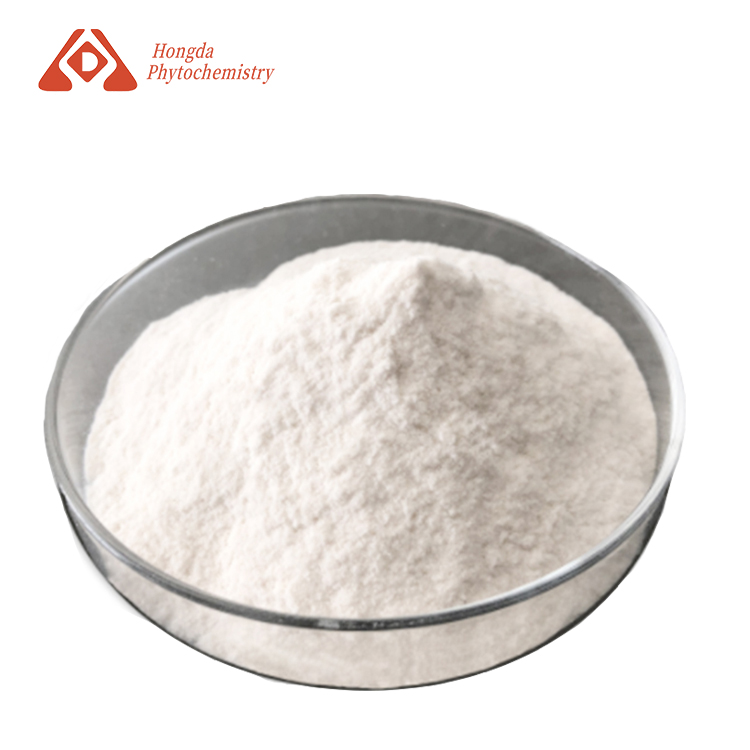
Formulating supplements with liposomal silymarin powder involves encapsulating silymarin within phospholipid-based vesicles to dramatically enhance absorption and stability. The process requires selecting pharmaceutical-grade powder standardized to 50-80% purity, maintaining optimal processing temperatures below 60°C to preserve liposome integrity, and combining it with compatible ingredients like antioxidants or curcumin. This advanced delivery system bypasses gastric degradation and increases bioavailability by 8-12 times compared to conventional extracts, making it ideal for high-performance liver health formulations in capsules, powders, and functional beverages that demand clinical efficacy and consumer satisfaction.
Introduction
The world of nutraceuticals is always changing because formulators and buyers are always looking for ingredients that have measurable healing effects. Silymarin from milk thistle has been used for a long time to help the liver, but it doesn't mix well with water and isn't absorbed well, so products haven't been very useful in the past. Liposomal encapsulation technology gets around these problems by covering silymarin molecules in lipid bilayers that look like cell membranes. This lets the molecules go straight into cells and keeps them from breaking down in the digestive system. Because of this change, liposomal silymarin powder is now a useful material for companies that want to make high-end supplements. At Hongda Phytochemistry, we know that choosing the right ingredients is only one part of making a good recipe. Over the past 20 years, Shaanxi Hongda Phytochemistry Co., Ltd. has worked hard to improve the extraction and packaging technologies that meet the high standards of B2B customers in the pharmaceutical, dietary supplement, and functional food industries. Our method uses high-pressure shearing encapsulation along with spray freeze-drying nanotechnology to make powders that are very stable, easily dispersed in water, and have been shown to be bioavailable. Knowing how to properly work with this advanced material is what will determine whether your final product really sets you apart in the market or just ends up being another item.
Understanding Liposomal Silymarin Powder and Its Formulation Benefits
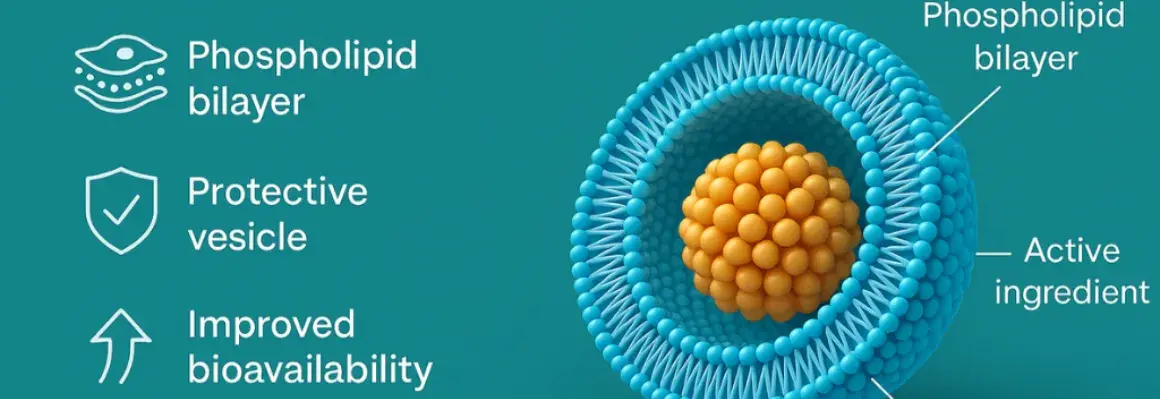
The liposomal silymarin powder is a big step forward in how plants are delivered. Traditional silymarin products are BCS Class IV molecules, which have low solubility and poor permeability. As a result, absorption rates are usually less than 25%. Using the liposomal format changes this feature by putting silymarin inside very small phospholipid bubbles that are 100 to 150 nanometers across. These structures allow direct transfer across intestinal membranes through endocytosis, skipping the partial first-pass metabolism and acid breakdown that happens in the stomach, which hurts regular extracts. There is clinical proof that liposomal delivery increases the bioavailability of silymarin by 400% to 1200%, based on the details of the formulation. This change directly leads to higher levels of silybin in the plasma, which is the most pharmaceutically active flavonolignan component. This means that makers can make formulas that reach therapeutic levels with smaller doses. This lowers the cost of raw materials and increases customer compliance. The phospholipid carrier itself adds nutritional value through phosphatidylcholine, which helps keep cell membranes intact and works with silymarin to protect the liver.
Enhanced Cellular Penetration Through Biomimetic Design
Liposomal transporters have a lipid bilayer structure that is very similar to human cell membranes. This makes them easy to fuse together and send directly into cells. When hepatocytes come across these vesicles, the phospholipid layers combine with the cell membranes. This lets silymarin go straight into the cytoplasm, where it can start working right away with enzymes and machinery inside the cell. This way of working gets around the problems that regular extracts have with receptor-mediated transport, which explains why pharmacokinetic studies have shown big changes in the absorption of silymarin liposomes.
Stability Advantages for Manufacturing and Shelf Life
Light, heat, and oxidation can damage standard silymarin products, and they break down during processing and storage. In liposomal forms, the protective lipid envelope keeps the active ingredient safe from things in the surroundings that could damage it. Hongda's spray freeze-drying technology turns liquid liposomes into a free-flowing powder while keeping the structure of the vesicles. This fixes problems with earlier liposomal powders being sensitive to moisture. With the right storage conditions, products made with liposomal silymarin that are properly stable will stay effective for 24 months.
Synergistic Phospholipid Benefits
In good liposomal formulas, the phosphatidylcholine transporter from sunflowers serves two purposes. Besides being the carrier for the drug, phosphatidylcholine gives the body choline and important phospholipids that help fix liver cell membranes and process fats. It causes a synergistic effect where the carrier actively adds to the therapeutic result instead of just delivering the drug. Formulators who take advantage of this can make goods that help with more than one part of liver health at the same time.
Key Considerations When Formulating Supplements with Liposomal Silymarin Powder
To make a good formulation, you need to pay attention to dosing, processing factors, how ingredients interact with each other, and choose the right delivery method. Each choice affects how well, how stable, and how well customers accept the end result. Formulators can improve performance while keeping manufacturing efficient and following the rules if they understand these factors. In order to significantly improve uptake and stability, products made with liposomal silymarin powder must contain silymarin inside phospholipid-based vesicles.
Optimal Dosage Ranges and Therapeutic Thresholds
Based on the purpose of the therapy, clinical research shows that 140 mg to 800 mg of silymarin daily is a useful dose range. Because they are better absorbed, liposomal versions get the same results with lower amounts. Liposomal silymarin powder forms that are standardized to contain 50–80% silymarin allow formulators to create single-serving pills or sachets that contain 200–400 mg of powder and give 100–320 mg of active silymarin, which has a bioavailability of 800–3200 mg. This higher concentration makes feeding plans easier to follow and lowers the size of capsules that need to be used.
Processing Temperature and the Stability of Liposomes
Liposomal structures change shape at different temperatures. Depending on the type of lipid they are made of, phospholipid bilayers usually go through phase shifts between 60°C and 80°C. Keeping processing temps below these levels during production protects the structure of the vesicles and their ability to encapsulate efficiently. Normal room temperature or slightly warmer conditions don't affect the consistency of the pill filling process. But companies that make candies or other heat-processed forms have to add liposomal powder during the silymarin liposomal cooling stages after the thermal processing is done. This keeps the structure from collapsing, which would lose the absorption benefits.
Delivery Format Selection and Consumer Preferences
Liposomal silymarin powder can be used in a number of different supplement forms, each of which has its own benefits. Hard pills are easy to make, easy for people to understand, and give accurate doses. Stick pack powders made for dispersing in drinks are popular with people who want easy, customizable doses and want to take advantage of the fact that they mix better with water than regular extracts. Liquid-filled capsules can hold either powder that is mixed with oil carriers or rehydrated liposomal dispersions, but the latter needs a more careful design for the preservation system. Functional beverages are a new use for the powder because it dissolves easily and makes clear or slightly cloudy drinks without the settling problems that usually happen with regular silymarin.
Comparative Analysis: Liposomal Silymarin Powder Versus Other Forms
Understanding how different shipping forms affect performance helps with smart buying choices and putting products in the right place on the market. Direct comparisons show where liposomal silymarin powder really shines, supporting higher prices compared to situations where normal forms are sufficient.
Bioavailability and Effectiveness get better
The absorption rate of standard silymarin pills and tablets is usually between 20 and 40% of the amount taken, but this can vary a lot from person to person. Liposomal formulations regularly show 400–600% improvements in area-under-curve measures, which means that therapeutic results can be predicted more accurately. This dependability makes the higher price worth it for people who want clinical-grade liver care. However, standard extracts may be more cost-effective for health uses that are only for upkeep and don't need maximum bioavailability, based on how the target market is positioned.
Real Liposomes vs. Silymarin-Phosphatidylcholine Complexes
Phytosome technology connects silymarin and phosphatidylcholine at the molecular level, which makes uptake better than with extracts that are not complexed. However, these structures are not at all like liposomal vesicles. Liposomes physically enclose silymarin in two-layer structures, which protect the stomach better and let the lymphatic system absorb it. Comparative studies show that liposomal forms are about 40–60% more bioavailable than phytosomes. Both liposomes and phytosomes are good ways to formulate something. Liposomes give the best performance, while phytosomes give a modest improvement at a slightly higher cost than normal extracts.
Source Material: Organic vs. Conventional
The silymarin starting material has a big effect on where the end result is placed. Organic-certified milk thistle costs more, but it lets finished products make claims about being organic that are valued in natural channel sales. Conventional sources are just as pure and effective, but they are cheaper, making them a good choice for popular supplement makers. Hongda has both organic and standard supply chains. This lets procurement teams choose source materials that are in line with how the brand is positioned and with legal needs in different markets around the world. The liposomal encapsulation process stays the same no matter what the biological state is, so the performance characteristics stay the same.
Sourcing and Procurement Tips for Bulk Liposomal Silymarin Powder
To find suitable providers, you have to look at their manufacturing skills, quality systems, ability to follow regulations, silymarin powder factory, and the reliability of their supply chains. Buying liposomal silymarin powder has an effect on the standard of the goods, the risk of regulations, and the consistency of production over time.
Essential Supplier Qualifications and Certifications
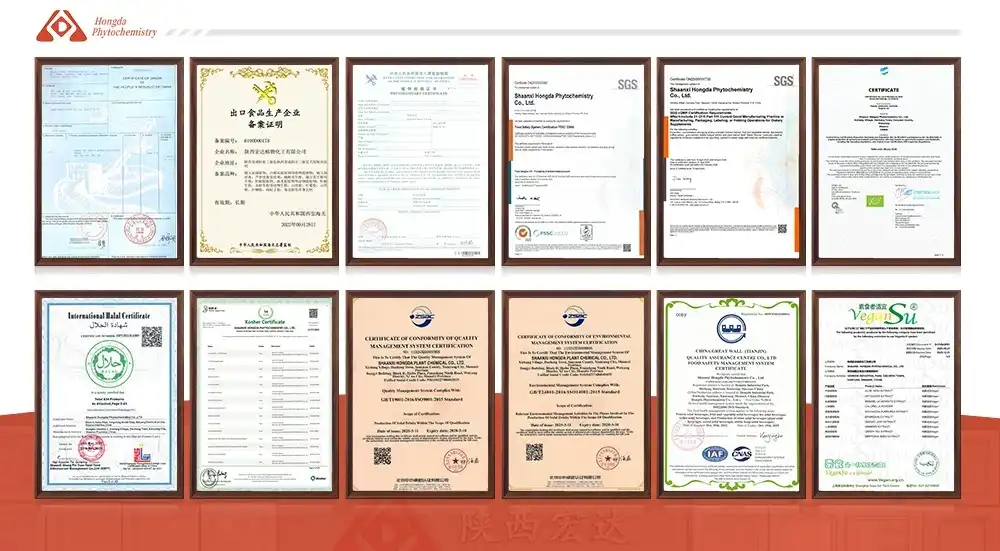
To make pharmaceutical-grade liposomes, you need a complex manufacturing infrastructure and quality control tools. Priority certifications include cGMP compliance, which shows controls at the pharmacy level during processing, FSSC 22000 for managing food safety, and ISO 9001 for making sure the quality system is strong. Religious certificates like HALAL and KOSHER make markets bigger, which is especially helpful for big names that sell all over the world. Organic approvals, like the USDA NOP and EU rules, are necessary for natural channel marketing. In addition to certificates, audit rights clauses allow checking of real manufacturing conditions against what the paperwork says.
Evaluation of Manufacturing Capability
To make real liposomes, you need special tools like high-pressure homogenizers, nano-emulsification systems, and controlled spray-drying or freeze-drying equipment. A lot of companies sell normal extracts mixed with lecithin as "liposomal," but the mixture doesn't really make vesicles. Genuine makers give information about particle size using dynamic light scattering, vesicle structure through transmission electron microscopy pictures, and active ingredient loading through encapsulation efficiency data. Hongda has special liposomal production lines that make nanoparticles and follow standard packaging methods that have been tested and proven to work by a third party.
Pricing Structures and Minimum Order Quantities
Liposomal processing costs more than standard extracts; based on the amount of standardization and the number of orders, the price can be 2-3 times higher. Minimum order amounts are based on the costs of producing a batch. For example, 1 kg is enough for initial tests, but prices start to become more practical at 25–100 kg volumes. When supplies are low, long-term supply deals can help you get better prices and first pick of goods. Clear pricing that separates the costs of raw materials, processing fees, and testing costs makes budgeting easier and lets you compare possible providers fairly.
Best Practices and Case Studies in Formulation with Liposomal Silymarin Powder
Successful product development programs show how theoretical benefits can be turned into recipes that are ready for the market. By learning from both wins and failures, development times are sped up and costly formulation rounds are cut down. Using high-quality liposomal silymarin powder ensures the highest clinical efficacy in diverse environments.
Overcoming Stability Challenges in High-Humidity Areas
A company that makes healthy drinks for Asian markets had trouble at first with the silymarin powder factory when they tried to put liposomal silymarin powder into stick packs because it clumped. An investigation showed that packing materials that didn't have a good moisture shield let humidity in, which caused phospholipids to become wet and powder to clump together. The problem was fixed by changing the recipe to use silica-based flow agents and using better packing with triple-layer laminate films and dessicant packs. Products now keep their ability to flow freely for 24 months, even when stored in humid conditions. When working with hygroscopic liposomal materials, this case shows how important it is to plan the whole package system.
Synergistic Liver Support Formula with Multiple Ingredients
A contract maker created a high-quality liver health capsule that has alpha-lipoic acid, selenium, and liposomal silymarin in it. During the first tests, there was some discoloration during rapid stable testing. Color drift was stopped by changing the formula so that stable R-alpha lipoic acid was used instead of normal alpha-lipoic acid, and mixed tocopherols were added as antioxidants. When compared to the brand's previous standard silymarin formula, the end product got higher happiness scores from customers. Post-market polls also showed that people felt more energetic and their digestive system was more comfortable. Within six months of launch, sales speed beat predictions by 40%, which supported the higher price point made possible by liposomal technology.
Scalability Lessons from Pilot to Mass Production
As the supplement company went from making 50 kg of test batches to 500 kg of commercial runs, they ran into problems with less effective packaging and more variations in particle size. A root cause study showed that the mixing intensity wasn't high enough in the bigger production vessels, which led to concentration differences while liposomes were being made. By adding more high-shear mixing steps and increasing the homogenization time, the consistency of the nanoparticles was brought back to meet the requirements of the test run. This shows how important it is to test a process on a business level before thinking it can be used on a larger scale based on work done in the lab. These problems can be lessened by working with suppliers who have experience making liposomes on a large scale.
Conclusion
Liposomal silymarin powder is used to make vitamins, but it's important to strike a balance between what scientists know and what manufacturers need. When used correctly, the technology does improve solubility in a way that justifies a higher price tag. However, it's important to use the right dose, choose the right ingredients, process them at the right temperature, and choose the right delivery method. When making purchasing choices, sellers who can legitimately make liposomes, provide thorough quality paperwork, and have reliable supply lines should be given the most weight. Liposomal silymarin products are a smart way for brands that want to stand out in the supplement market because more and more people want effective liver health solutions that are backed by science.
FAQ1. What is the recommended daily dosage for liposomal silymarin in supplements?
When given in liposomal form, an effective dose runs from 100 to 320 mg of silymarin content per day. This is the same as 800 to 2500 mg of standard extract because it is more bioavailable. For maintenance liver support, 100 to 200 mg daily is common. For treatment purposes to address specific liver problems, 200 to 320 mg may be split into two doses. When setting exact dosage guidelines, each product should think about its target audience, its therapeutic purpose, and any other ingredients that might work well with it.
2. Can liposomal silymarin powder be used in products that are made in a hot process, like gummies?
Liposomal structures can handle temperatures up to about 60°C before the phospholipid bilayers start to break down. When making gummies, liposomal powder has to be added during the last stages of cooling, after the gummy base has finished being processed at high temperatures. Adding the powder when the blend is below 60°C keeps the structure of the vesicles and maintains the bioavailability benefits. One alternative is to make two-layer candies, with heat-sensitive ingredients on a different layer that is added after the main processing.
3. How does liposomal silymarin compare to standard milk thistle extract in absorption?
Liposomal delivery methods usually have 400–600% higher bioavailability than regular silymarin extracts, and some studies have shown improvements of up to 120%. In practice, this means higher peak plasma concentrations, longer circulation time, and more consistent treatment results across individuals. The coating keeps silymarin from breaking down in the stomach and makes it easier for cells to take it in directly, getting around the problems with absorption that happen with regular extracts.
Partner with a Trusted Liposomal Silymarin Powder Manufacturer
HONGDA uses advanced pharmaceutical-grade production and a lot of experience extracting plant-based materials to make liposomal silymarin powder that meets the high standards of supplement makers around the world. Our special high-pressure cutting, encapsulation, and spray freeze-drying method makes stable, water-dispersible powders with a silymarin content of 50–80%. These powders are guaranteed to contain nanoparticles and have better absorption profiles. When you make your products with cGMP, FSSC 22000, and ISO certifications along with HALAL, KOSHER, and organic badges, you can be sure that they meet the rules in all of the major markets. With a minimum order size of 1 kg, stability for 24 months, and specialized technical help from our professor-level R&D team, we make it easier for you to take your idea from concept to commercial production. Get in touch with duke@hongdaherb.com to get samples, talk about unique requirements, or look into OEM relationship opportunities with a dependable liposomal silymarin powder provider that wants you to succeed.
References
1. Barzaghi N, Crema F, Gatti G, et al. Pharmacokinetic studies on IdB 1016, a silybin-phosphatidylcholine complex, in healthy human subjects. European Journal of Drug Metabolism and Pharmacokinetics, 1990, 15(4): 333-338.
2. Jiao Y, Wilkinson J, Christine Pietsch E, et al. Iron chelation in the biological activity of curcumin. Free Radical Biology and Medicine, 2006, 40(7): 1152-1160.
3. Wellington K, Jarvis B. Silymarin: a review of its clinical properties in the management of hepatic disorders. BioDrugs, 2001, 15(7): 465-489.
4. Kidd P, Head K. A review of the bioavailability and clinical efficacy of milk thistle phytosome: a silybin-phosphatidylcholine complex. Alternative Medicine Review, 2005, 10(3): 193-203.
5. Yanyu X, Yunmei S, Zhipeng C, et al. The preparation of silybin-phospholipid complex and the study of its pharmacokinetics in rats. International Journal of Pharmaceutics, 2006, 307(1): 77-82.
6. Hawke RL, Schrieber SJ, Soule TA, et al. Silymarin ascending multiple oral dosing phase I study in noncirrhotic patients with chronic hepatitis C. Journal of Clinical Pharmacology, 2010, 50(4): 434-449.