


_1745918362135.webp)

Why Is Bioavailability Crucial for Liposomal Vitamin C Powder Bulk?
Bioavailability is the most important thing to look at when judging Liposomal Vitamin C Powder Bulk in medicinal and nutritional formulations. Liposomal encapsulation is 6–10 times better at absorption than regular ascorbic acid because it acts like cellular membranes and doesn't get broken down in the stomach or transport routes that are already full. Hongda Phytochemistry, whose full name is Shaanxi Hongda Phytochemistry Co., Ltd., uses cutting-edge liposomal technology and quality control methods to make pharmaceutical-grade food products. Bioavailability is one of the most important things for companies that buy Liposomal Vitamin C Powder Bulk to think about when they want to make sure their products work well, keep customers happy, and stay competitive in the market. Higher amounts of traditional vitamin C products may not be absorbed as well because the systems in the intestines that move nutrients around can get full. The phospholipid layers in liposomal delivery technology help protect vitamin C, making it more stable and easier to absorb than other forms of vitamin C. When supplement brands, beverage makers, and cosmetics makers choose a high-quality liposomal ingredient, it's not just about buying raw materials. It's about picking an ingredient that will help the mixture work well and keep its value over time.
How Liposomal Encapsulation Improves Vitamin C Delivery
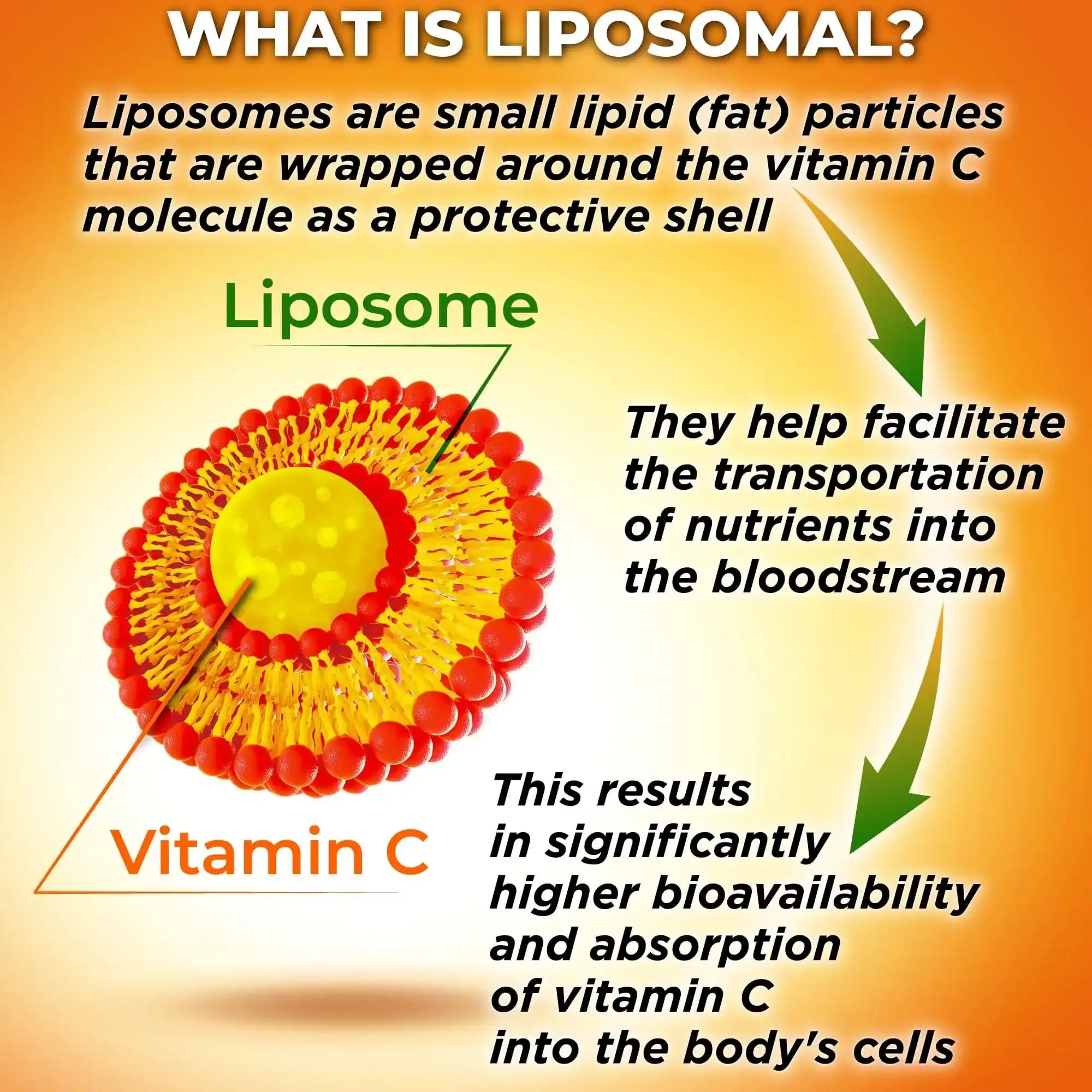
Liposomal technology uses phospholipid structures to protect vitamin C molecules better while they are being digested. These lipid layers help keep the stability of the ingredients and make it easier for them to interact with biological membranes.
Liposomal Vitamin C Powder Bulk is a more advanced way to take vitamin C than regular vitamin C powder. The encapsulation process can help keep nutrients from breaking down and make vitamin C use more effective.
Liposomal vitamin C is made at Shaanxi Hongda Phytochemistry Co., Ltd. using technologies like controlled soaking and ultrasound processing. To keep group uniformity, quality testing methods keep an eye on the particle size distribution, packaging efficiency, and active ingredient content.
This gives people who make supplements, functional drinks, and beauty nutrition products more confidence when they make them.
Why B2B Buyers Should Evaluate Bioavailability Before Purchasing
For ingredient buyers, vitamin C content alone does not define product quality. The actual value depends on how effectively the ingredient performs in the final application.
When evaluating suppliers, procurement teams should consider:
- encapsulation efficiency;
- particle size stability;
- active vitamin C content;
- formulation compatibility;
- supporting technical documents.
If the transport method isn't steady, a product with a lot of vitamin C might not always work the way it's supposed to. Because of this, bioavailability-related indicators are useful for comparing various bulk suppliers. Suppliers that manufacturers can trust should give manufacturers paperwork like Certificates of Analysis (COA), testing reports, and technical specifications to help them make smart choices.
Key Factors Affecting Bioavailability in Liposomal Vitamin C Powder Bulk
Manufacturing Technology and Quality Control
The manufacturing process directly influences the stability and effectiveness of liposomal vitamin C ingredients.
A professional production system should include:
- controlled processing conditions;
- strict raw material selection;
- particle size analysis;
- microbial testing;
- batch-to-batch quality monitoring.
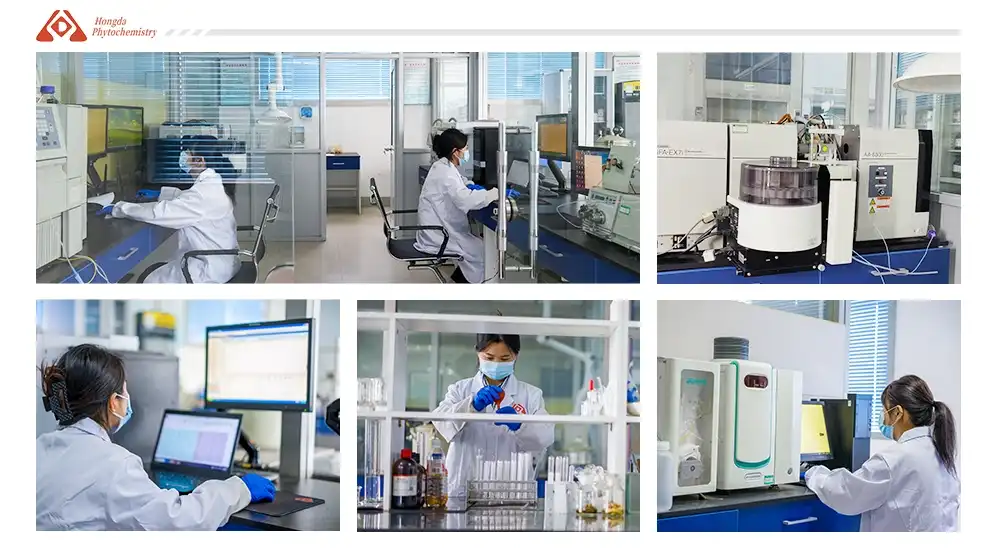
Hongda Phytochemistry uses standard production methods to make sure that the quality of their Liposomal Vitamin C Powder bulk ingredients stays the same. Testing in the lab and keeping an eye on the production process help makers get goods that meet the needs of different formulations. For business-to-business buyers, consistency is very important because differences between batches can affect the quality of the finished product, how long it lasts on the shelf, and how the customer feels about it.
Packaging and Storage Conditions
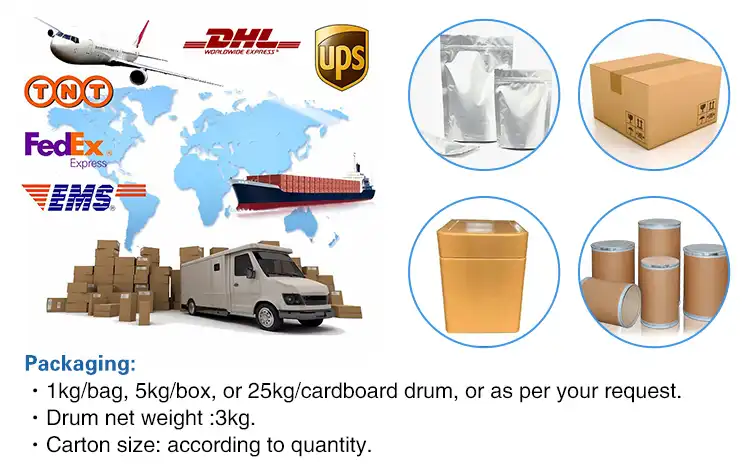
Liposomal ingredients require appropriate packaging to protect their structure from environmental factors such as moisture, oxygen, and light.
For bulk procurement, suppliers should provide packaging solutions that support:
- long-distance transportation;
- warehouse storage;
- production convenience;
- product stability.
Keeping liposomal vitamin C powder in the right way helps it keep its original properties and lowers quality risks during supply chain operations.
Comparing Liposomal Vitamin C Powder with Traditional Vitamin C Formats
Cost Advantages and Formulation Flexibility
Bulk liposomal vitamin C powder offers flexibility for manufacturers developing different product formats.
Compared with finished capsules or tablets, powder ingredients allow companies to customize:
- dosage levels;
- packaging styles;
- product combinations;
- application formats.
This flexibility benefits supplement brands that need to create differentiated products for competitive markets.
Liposomal vitamin C can be used in:
- dietary supplements;
- functional drinks;
- nutrition powders;
- beauty-focused formulations.
The ability to adjust formulas according to market needs makes Liposomal Vitamin C Powder bulk an attractive option for OEM and private-label manufacturers.
Applications Across Different Industries
In many fields, the need for more advanced transport methods keeps growing.
Dietary pills that help the immune system with liposomal vitamin C are the best. It could be added to functional drinks that need better nutritional marketing by drink companies.
Vitamin C ingredients are valued in beauty nutrition for their antioxidant properties and ability to help collagen-based formulas work better.
Companies can make products that better meet customers' needs for effective and new nutrition solutions by choosing a reliable bulk supplier.
How to Choose Reliable Liposomal Vitamin C Powder Bulk Suppliers
Certification and Quality Assurance Requirements
A qualified supplier should provide transparent quality documentation and manufacturing information.
Important evaluation points include:
- GMP production standards;
- food safety certifications;
- laboratory testing capabilities;
- complete technical documentation.
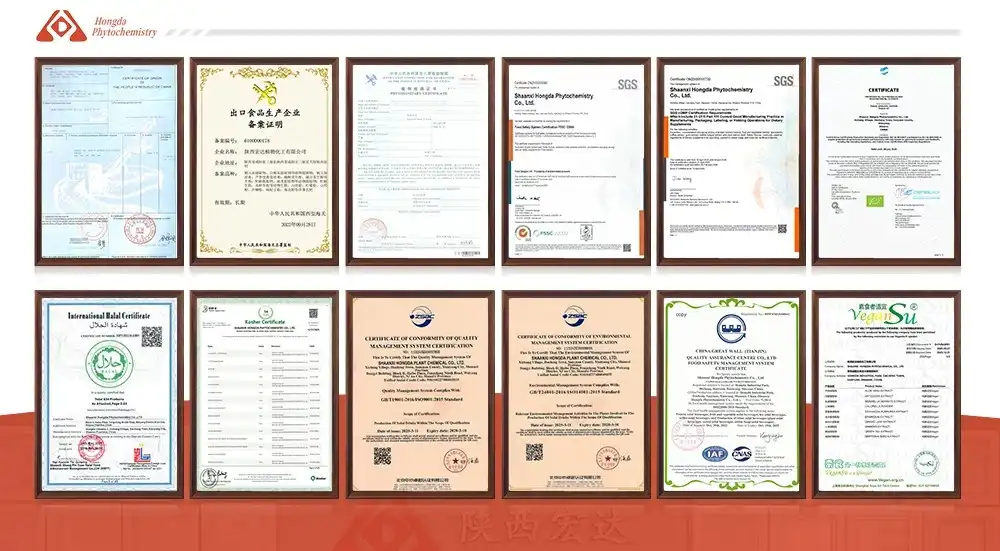
Hongda Phytochemistry helps customers do source reviews by giving them quality certificates, scientific files, and details about their products. These documents lower the risks of buying things for business-to-business (B2B) teams and boost confidence during product development.
Production Capacity and Supply Reliability
Supply stability is another important factor when selecting a long-term ingredient partner.
Manufacturers should evaluate:
- production capability;
- inventory management;
- delivery schedules;
- customization support.
A provider with a strong manufacturing base can better help brands that are rising and keep supplies steady as the market grows. Companies can keep their product launch plans on track when they have stable logistics and professional production management.
Sample Testing and Quality Agreements
Buyers should look at samples based on their own formulation needs before placing large orders.
Some suggested places to test are:
- how well it dissolves and tastes; how well it works with other ingredients; how stable it is during processing; and how well the end product works.
- Setting clear quality standards with providers can also help make sure that specs, testing standards, and batch regularity are met.
Maximizing the Benefits of Liposomal Vitamin C Powder Bulk
Proper Application and Dosage Considerations
The right amount of liposomal vitamin C depends on the type of product and the people who will be buying it.
Supplement makers should think about:
- suggested portion size; legal needs; placement of the product; recipe goals.
- Technical support from ingredient providers can help businesses improve the speed of developing finished products and find the best dose strategies.
Storage Practices for Maintaining Product Quality
For Liposomal Vitamin C Powder Bulk ingredient stability, it's important to store them correctly.
The makers of goods should:
- Keep containers closed, stay away from high humidity, shield products from direct sunlight, and follow the warehouse's recommended conditions.
- Good keeping habits help keep the quality of powder while it is being transported and used.
Regulatory Support and Technical Documentation
Different places around the world have different needs for healthy elements. Because of this, suppliers should provide solid proof to help with compliance assessment.
In technical files, you might find:
- Details about the product, how it was made, safety records, and records of quality tests.
- Brands can do regulatory reviews faster and build trust with customers when they have good documentation.
Conclusion
When it comes to how well Liposomal Vitamin C Powder Bulk works, bioavailability is a big factor. Compared to older types of vitamin C, liposomal delivery technology is a more modern way to keep nutrients safe and help the body absorb them better. When B2B buyers choose a seller, they should look at how well they can make things, their quality systems, their expert help, and how reliable their supplies are. Hongda Phytochemistry helps supplement, beverage, and cosmetic companies make products that can compete in global markets by providing quality management, liposomal formulation expertise, and customisation support.
FAQ
1. What absorption rate differences exist between liposomal and regular vitamin C in bulk form?
Standard solid vitamin C is only 15-20% bioavailable at doses above 1000 mg because the SVCT1 transporter is full. Any extra vitamin C is then flushed out of the body by the kidneys within hours. If Liposomal Vitamin C Powder Bulk is made correctly, it can get around these problems by fusing membranes, which can increase absorption rates and keep the vitamin in the blood for longer. Comparative pharmacokinetic studies have shown that Hongda's pharmaceutical-grade powder with >90% encapsulation effectiveness has effects on the body that are 6–10 times stronger than similar amounts of regular ascorbic acid.
2. How do I verify a supplier's liposomal formulation is genuinely high-bioavailability?
Ask for specific testing records, such as Dynamic Light Scattering (DLS) reports that show particle size distributions between 100 and 250 nm and polydispersity values less than 0.3. Ask for information on how well encapsulation works by separating and counting free and contained vitamin C. Look at electron microscope pictures that show whole vesicular structures instead of just powder mixes. Genuine pharmaceutical-grade sellers, like Hongda, keep SGS-certified labs that do more than just basic potency tests on each batch. These labs back up bioavailability claims with measurable structural proof.
3. What minimum order quantities and lead times should I expect?
Bulk powder orders from well-known makers usually need to be at least 100–500 kg, but Hongda can handle smaller trial amounts for qualified OEM partners. Our 15-ton inventory allows for shipping in 3–7 working days for normal 50–55% specifications. Custom formulations, on the other hand, need two to three weeks for production and quality control. During busy times or for specific particle size ranges, wait times are longer, so planning ahead is necessary to keep production going.
Partner with a Trusted Liposomal Vitamin C Powder Bulk Manufacturer
Shaanxi Hongda Phytochemistry Co., Ltd. invites purchasing managers, formulators, Liposomal Vitamin C Powder Bulk, and OEM partners to learn more about our pharmaceutical-grade Liposomal Vitamin C Powder Bulk, which has been extracted perfectly for 25 years and has full GMP certification. Our ultrasonic nano-shearing technology, non-GMO sunflower phospholipids, and proven >90% encapsulation success give your high-end products the bioavailability they need. Contact our technical team at duke@hongdaherb.com for customized quotes, regulatory paperwork, and private label collaboration possibilities. You can also ask for free samples that show how well our powder reconstitutes. We offer a direct Liposomal Vitamin C Powder Bulk provider with a 15-ton inventory and shipping times of 3–7 days. This gives global brands the dependability, honesty, and new ideas they need to stay successful in the market.
References
1. Davis JL, Paris HL, Beals JW, et al. "Liposomal-encapsulated Ascorbic Acid: Influence on Vitamin C Bioavailability and Capacity to Protect Against Ischemia-Reperfusion Injury." Nutrition and Metabolic Insights, 2016.
2. Hickey S, Roberts HJ, Miller NJ. "Pharmacokinetics of Oral Vitamin C." Journal of Nutritional & Environmental Medicine, 2008.
3. Patel VB, Preedy VR. "Handbook of Nutrition, Diet, and Epigenetics." Springer International Publishing, 2019.
4. Liu Y, Chen XG, Yang PP. "Liposomal Formulations in Clinical Use: An Updated Review." Pharmaceutics, 2021.
5. Guan S, Rosenecker J. "Nanotechnologies in Delivery of DNA and mRNA Vaccines to the Gastrointestinal Tract." Advanced Drug Delivery Reviews, 2021.
6. Institute of Medicine (US) Panel on Dietary Antioxidants and Related Compounds. "Dietary Reference Intakes for Vitamin C, Vitamin E, Selenium, and Carotenoids." National Academies Press, 2000.