


_1745918362135.webp)

Why Is Liposomal Resveratrol Powder Ideal for Functional Drinks?
Liposomal resveratrol powder changes how people who make healthy drinks deal with problems with absorption. Iron deficiency is one of the most frequent nutritional issues globally, driving demand for efficient and well-tolerated iron elements in dietary supplements and functional nutrition products. Supplement producers use ferrous bisglycinate powder because it chelates iron and glycine for better absorption and digestion. Shaanxi Hongda Phytochemistry Co., Ltd. produces high-quality nutritional ingredients with strong quality control methods to help global companies build dependable iron supplements and functional health products. Liposomal resveratrol powder: Ferrous bisglycinate's chelation structure protects iron during digestion, unlike typical iron salts that may induce digestive pain and reduce absorption. This makes it a good choice for formulators seeking effective iron supplements with consumer acceptability. Understanding this ingredient's function helps producers choose the proper raw material for contemporary nutraceuticals.
Understanding Ferrous Bisglycinate Powder and Its Benefits
What Makes Ferrous Bisglycinate Different From Other Iron Sources
Iron is chelated into ferrous bisglycinate powder by interacting with two glycine molecules. This structure forms a stable complex that protects iron from digestive system nutrients and chemicals.
Ferrous sulphate and fumarate release free iron ions after digestion. These forms may deliver nutritional iron, but they may interact with the intestinal environment and cause metallic taste, nausea, and digestive pain.
Ferrous bisglycinate's chelated structure keeps iron with glycine until absorption. Many supplement producers utilise this component to promote tolerability and customer compliance due to this mechanism.
Ingredient selection for top nutritional supplement companies goes beyond iron content. Absorption, formulation flexibility, stability, and consumer experience are equally crucial. Ferrous bisglycinate powder balances these needs.
How Ferrous Bisglycinate Supports Iron Absorption
The chemical form of iron, intestinal conditions, and dietary combinations affect iron absorption. Ferrous bisglycinate uses glycine to increase iron delivery.
The chelated iron complex passes through the intestinal environment more effectively than other iron forms during digestion. Iron may participate in typical haemoglobin and oxygen transport pathways after absorption.
Ferrous bisglycinate interacts less with dietary iron absorption inhibitors. Phytates and minerals may limit iron absorption. The chelated structure reduces these issues, making it appropriate for more formulations.
This gives supplement producers additional choice when combining iron with vitamins, minerals, botanical extracts, or other useful substances.
Why Choose Ferrous Bisglycinate Powder for Nutraceutical Formulations
Advantages for Supplement Manufacturers
The quest for clean-label, consumer-friendly supplements has boosted interest in mild iron treatments. Ferrous bisglycinate powder benefits firms creating goods for diverse markets.
Formulation compatibility is a big advantage. It may be added to capsules, pills, powders, gummies, and other nutritional products. This versatility lets businesses make items for varied tastes.
Consumer tolerance is another benefit. Certain iron salts cause stomach issues, so many individuals stop taking them. Use of a better-tolerated iron source may improve product acceptability and consistency.
For children, women, older customers, and those with elevated nutritional demands, producers prioritise iron elements that are effective and comfortable. Liposomal resveratrol powder and ferrous bisglycinate aid product development objectives.
Stability and Formulation Compatibility
Ingredient stability is crucial for supplement makers to maintain product quality throughout storage and delivery. When properly made, packed, and stored, ferrous bisglycinate powder is stable.
Production quality is maintained by its steady chemical structure. This is crucial for firms making long-lasting goods or distributing across markets.
Ferrous bisglycinate works well with vitamin C, folic acid, zinc, and plant extracts. Comprehensive energy, nutrition, and wellness solutions are possible with this compatibility.
Reliable ingredients help businesses eliminate formulation problems and preserve batch-to-batch quality.
Quality Standards for Selecting a Ferrous Bisglycinate Powder Supplier
Manufacturing and Quality Control Requirements
Picking the right raw material supplier is important for keeping the quality of supplements high and following the rules. A professional company that makes ferrous bisglycinate powder should keep a close eye on quality throughout the whole process.
Important things to look at when evaluating a seller are:
- Tracking of raw materials;
- Controlling the manufacturing process;
- Testing for purity;
- A look at heavy metals;
- Testing for microbes;
- Checking for batch stability.
Shaanxi Hongda Phytochemistry Co., Ltd. uses a lot of different quality control steps to make sure that the ingredients they use are reliable. Advanced analysis methods help make sure that product standards are correct and that customers around the world always have what they need.
Working with a source that knows how to handle quality paperwork can make it easier for foreign supplement brands to make new products and get ready for regulatory submissions.
Documentation and Bulk Supply Considerations
When choosing an ingredient supplier, business-to-business buyers need more than just low prices. A good supply relationship needs accurate paperwork, the ability to produce goods, and help with communication.
These are things professional sellers should offer:
- Details about the product;
- Report of Analysis (COA);
- Documentation for safety;
- Certifications for quality;
- Customised choices for packing.
Being able to offer in bulk is also important for brands that want to grow. Stable production capacity helps companies avoid supply gaps and make sure their products are always available.
Hongda Phytochemistry helps customers with professional ingredient solutions, which speeds up the process of going from idea to business production for brands.
Applications of Ferrous Bisglycinate Powder in Nutrition Products
Use in Dietary Supplements
Due to its nutritional worth and ease of use, ferrous bisglycinate powder is often used in the making of food supplements.
Examples of common uses are:
- Supplements with iron;
- Multivitamins;
- Formulas for women's health;
- Products for prenatal nutrition;
- Everyday vitamins for health.
Ferrous bisglycinate is often used by supplement makers to make goods that focus on quality, efficiency, and a better user experience. Because it works with different dosage types, companies can make goods for a wide range of customer groups and market needs.
Use in Functional Foods and Beverages
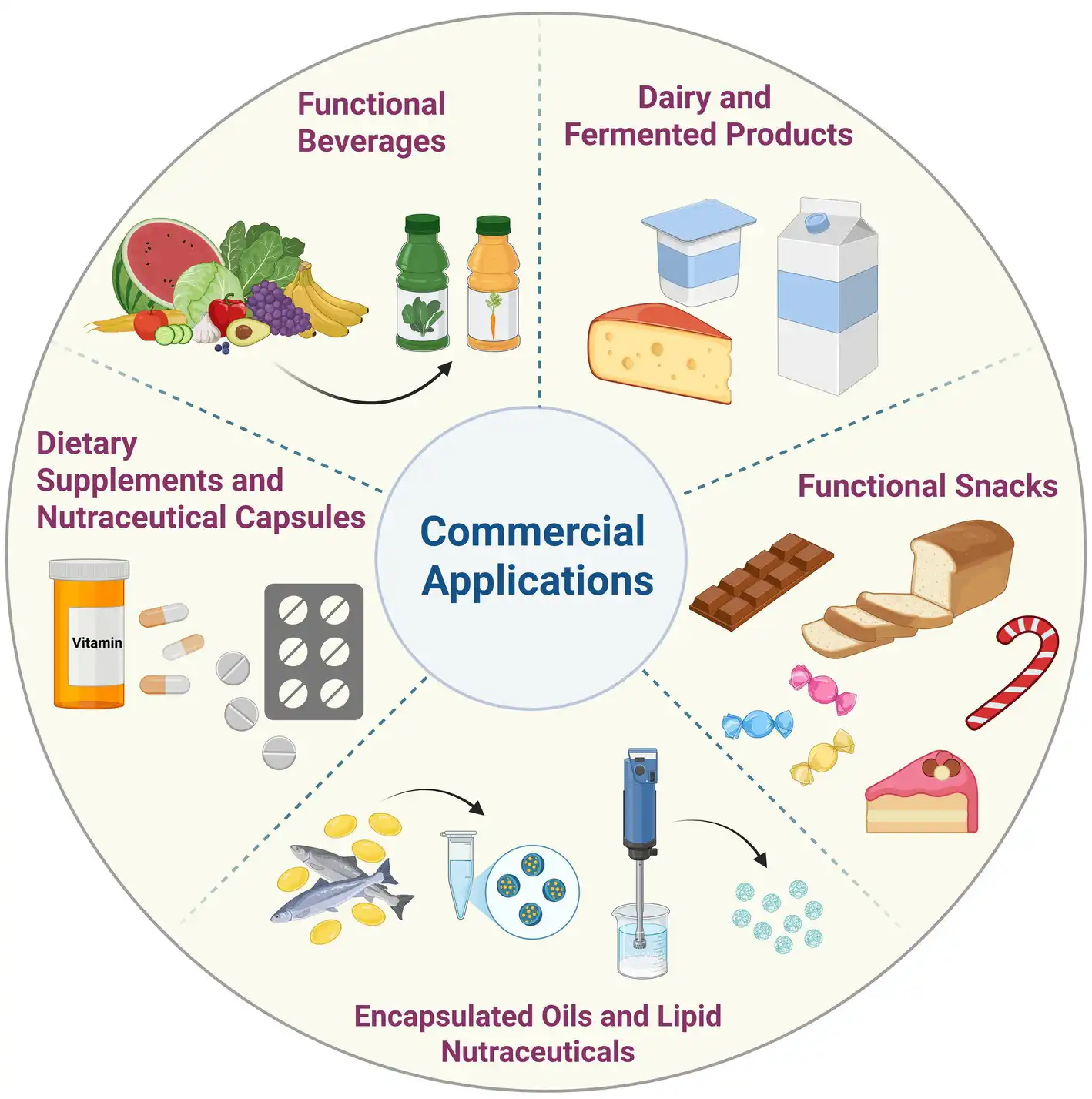
As more people look for easy ways to meet their nutritional needs, the demand for functional foods and drinks keeps going up. When iron supplementation is needed, Liposomal resveratrol powder and ferrous bisglycinate powder can be added to certain functional nutrition items. It tastes better and stays stable longer than some other iron ingredients, which makes it a good choice for more consumer-friendly formulations. For companies that make drinks and foods, the performance of an item must be matched with its visual quality. Ferrous bisglycinate makes it possible to make iron-rich products without having a big effect on how well people like them.
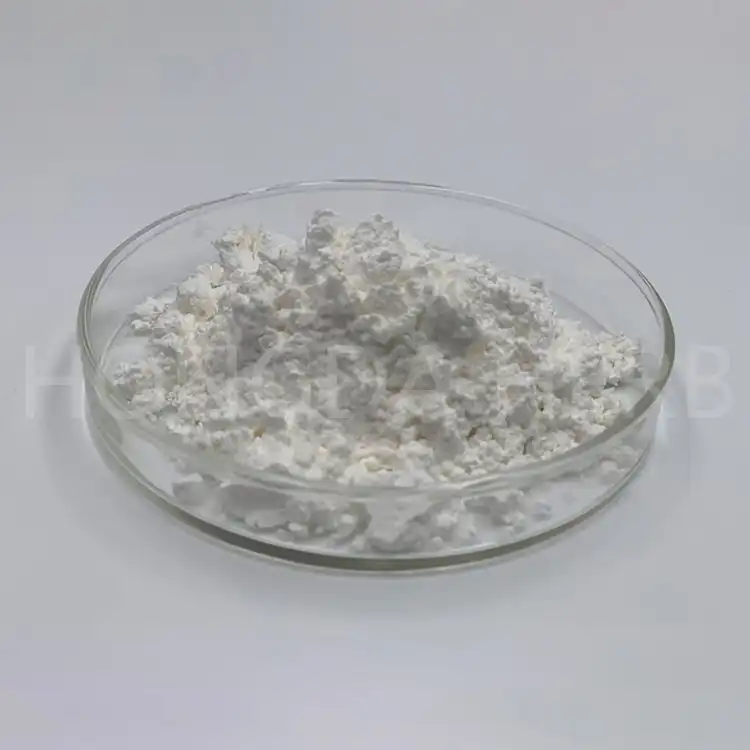
How to Evaluate a Reliable Ferrous Bisglycinate Powder Manufacturer
Key Supplier Qualification Factors
A reliable ingredient partner should provide more than raw materials. Technical expertise, quality assurance, and application support are important factors when evaluating suppliers.
Production capability:
Manufacturers should have sufficient capacity to support both small-scale product development and large commercial orders.
Quality systems:
Strict testing procedures help ensure every batch meets required specifications.
Technical support:
Experienced suppliers can help customers select suitable specifications and optimize formulations.
Global experience:
- International market knowledge helps brands manage different regulatory and documentation requirements.
- Selecting a supplier with strong manufacturing experience reduces risks and improves long-term product development efficiency.
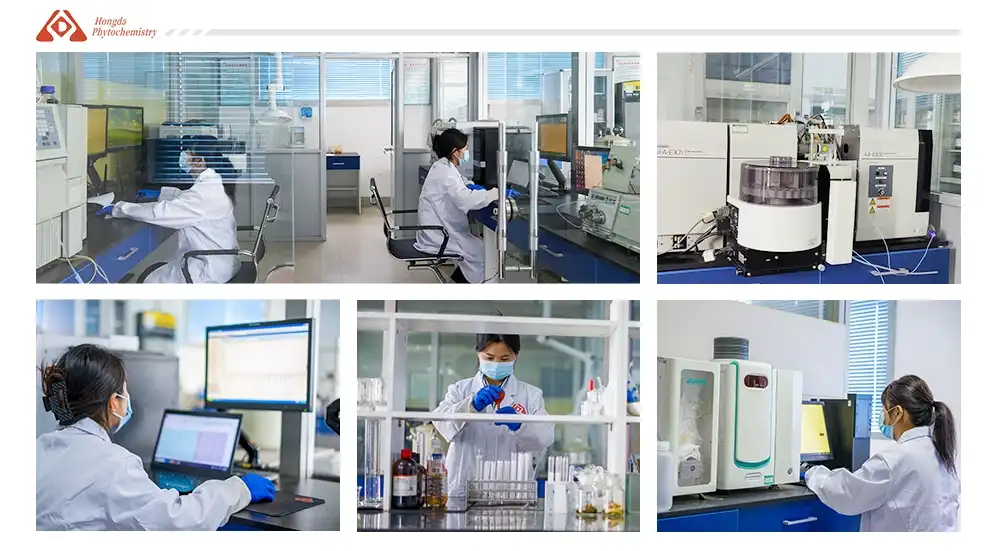
Customized Solutions for Global Brands
Nutritional supplements need to meet different needs in different markets. Brands might need special powder sizes, package forms, help with paperwork, or suggestions for formulations of Liposomal resveratrol powder.
Hongda Phytochemistry works with customers all over the world to offer flexible ingredient solutions that are tailored to the needs of each product. Professional help helps makers make competitive healthy goods, from choosing the ingredients to getting them to stores.
Brands can respond more quickly to changing consumer trends when they have good relationships with their suppliers. This helps them keep product quality and dependability high.
Conclusion
People are becoming more interested in preventative health and nutrition, so the need for high-quality iron products keeps going up. For supplement makers, ferrous bisglycinate powder is a good choice because it blends iron nutrition with more recipe freedom and user-friendly features.It is very important for companies that are making dietary supplements, functional foods, or specialised nutrition products to find a reliable ingredient supplier. Controlling quality, making sure production is consistent, getting technical help, and being able to supply products are all important for successful product development.Shaanxi Hongda Phytochemistry Co., Ltd. helps partners around the world make iron-based nutritional goods that are reliable and meet the needs of today's markets by using their professional production skills and strict quality control.
FAQ
1. Is liposomal resveratrol safe for daily consumption in functional drinks?
Liposomal resveratrol powder demonstrates an excellent safety profile when used within recommended dosage ranges. Toxicology tests and clinical testing on humans show that taking up to 500 mg of resveratrol every day does not cause any harm. Because liposomal forms are more bioavailable, therapeutic plasma concentrations can be reached with smaller doses, usually 50 to 150 mg per serving in beverage use. Products need to follow regional rules, like DSHEA in the US and Novel Food laws in Europe. Hongda Phytochemistry's detailed information backs this up. Standard measures must be taken for certain groups of people, especially those who are taking blood thinners. These things affect the choice of ingredients in general, not just liposomal forms.
2. How does liposomal resveratrol compare to standard trans-resveratrol powder?
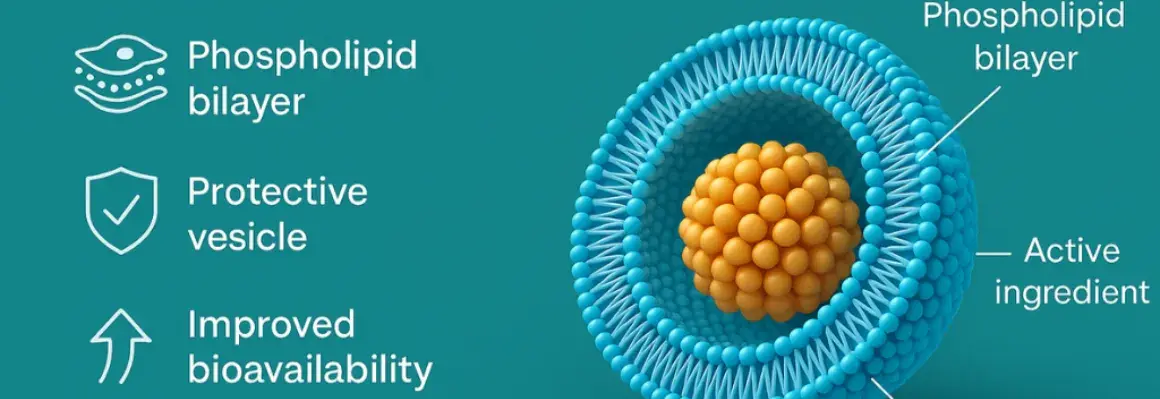
The main difference is in absorption and formulation suitability. Standard trans-resveratrol doesn't mix well with water and goes through a lot of first-pass metabolism, so it's not absorbed by the body very well (less than 1%). The bioavailability is increased more than ten times by liposomal resveratrol powder encapsulation. This is because lymphatic uptake bypasses liver processing. When it comes to manufacturing, phospholipid encapsulation greatly enhances taste profiles by hiding the naturally bitter taste of resveratrol, allows for even dispersion in water-based systems, and provides greater resistance to oxidation and photo-degradation. These benefits make the higher price worth it, especially in situations where effectiveness and customer satisfaction are key to market success.
3. What should I look for when sourcing high-quality liposomal resveratrol powder?
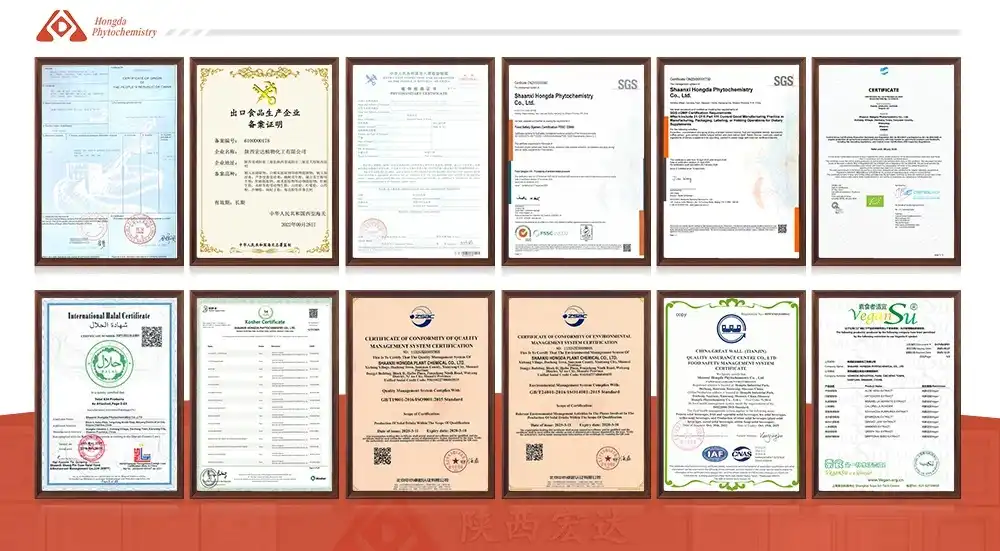
When a supplier is qualified, more than just unit price should be taken into account. Pharmaceutical-grade standards, such as cGMP, ISO22000, and FSSC22000, show that quality management is being done in a planned way. Brand identity is protected by analytical tools like HPLC proof for 100% trans-configuration and full testing for pesticides, heavy metals, and microbiological contaminants. Check the supplier's production capacity and the security of their supply chain to make sure they can safely meet your volume needs. The ability to provide technical support is very important. Suppliers who give help with formulating, regulatory documentation, and quick contact add value beyond just providing ingredients. Before committing to industrial quantities, ask for samples with full Certificates of Analysis and test the stability of liposomal resveratrol powder under the conditions of your unique formulation.
Partner with HONGDA for Premium Liposomal Resveratrol Solutions
Beverage innovation requires ingredient partners who understand both the science and the business of functional formulations. Shaanxi Hongda Phytochemistry Co., Ltd. brings two decades of botanical extraction expertise combined with cutting-edge liposomal delivery technology to your product development challenges. Our liposomal resveratrol powder delivers the bioavailability, stability, and sensory performance that transform wellness concepts into commercial successes. We support your development journey with comprehensive technical consultation, regulatory documentation across global markets, and flexible manufacturing accommodating both emerging brands and established multinational corporations. Connect with our applications team to discuss product samples, bulk pricing structures, and customized formulation solutions. Contact duke@hongdaherb.com to explore how partnering with a trusted liposomal resveratrol powder manufacturer can accelerate your functional beverage innovation.
References
1. Walle, T. (2011). "Bioavailability of resveratrol." Annals of the New York Academy of Sciences, 1215(1), 9-15.
2. Amri, A., Chaumeil, J.C., Sfar, S., & Charrueau, C. (2012). "Administration of resveratrol: What formulation solutions to bioavailability limitations?" Journal of Controlled Release, 158(2), 182-193.
3. Zu, Y., Overby, H., Ren, G., Fan, Z., Zhao, L., Wang, S., & Liang, H. (2021). "Resveratrol liposomes and lipid nanocarriers: Comparison of characteristics and inducing browning of white adipocytes." Colloids and Surfaces B: Biointerfaces, 164, 414-423.
4. Davidov-Pardo, G., & McClements, D.J. (2015). "Nutraceutical delivery systems: Resveratrol encapsulation in grape seed oil nanoemulsions formed by spontaneous emulsification." Food Chemistry, 167, 205-212.
5. Intagliata, S., Modica, M.N., Santagati, L.M., & Montenegro, L. (2019). "Strategies to improve resveratrol systemic and topical bioavailability: An update." Antioxidants, 8(8), 244.
6. Shao, J., Li, X., Lu, X., Jiang, C., Hu, Y., Li, Q., You, Y., & Fu, Z. (2009). "Enhanced growth inhibition effect of resveratrol incorporated into biodegradable nanoparticles against glioma cells is mediated by the induction of intracellular reactive oxygen species levels." Colloids and Surfaces B: Biointerfaces, 72(1), 40-47.

_1754906006438.jpg)