



_1745918362135.webp)

Why Is Liposomal NMN Powder Gaining Popularity in Nutraceuticals?
Liposomal NMN powder is a huge step forward in the nutraceutical business because it solves the major bioavailability problems that have been plaguing traditional nicotinamide mononucleotide supplements for a long time. More people are interested in effective NAD+ support ingredients because of the growing need for improved nutritional solutions. Hongda Phytochemistry, which is also known as Shaanxi Hongda Phytochemistry Co., Ltd., offers research-based ingredient solutions, such as Liposomal NMN powder, to nutraceutical companies that want better stability, formulation flexibility, and new delivery technologies. By using both NMN and liposomal encapsulation, supplement makers can make high-end products that meet the needs of consumers who care more about cell health and good ageing.
Understanding How Liposomal Delivery Improves NMN Stability
Why Traditional NMN Formats Face Absorption Challenges
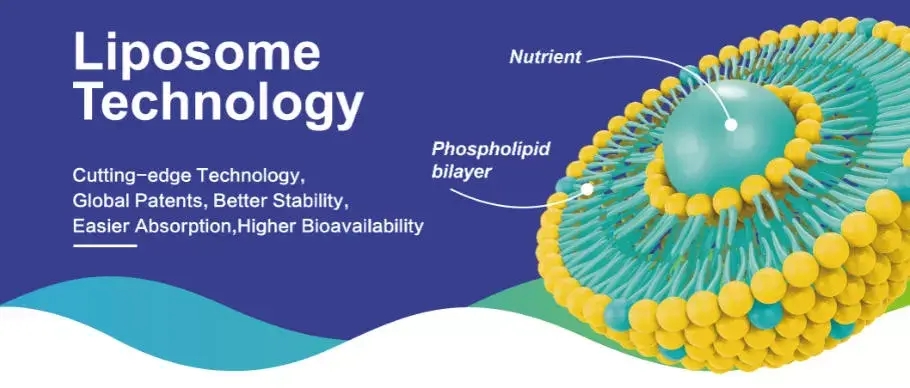
A lot of research has been done on NMN because it is a building block for NAD+, a molecule that is involved in many biological processes and the metabolism of energy in cells. But keeping ingredients stable and making sure they are delivered effectively are still big problems for supplement developers. When they are digested and processed, traditional powder formulas may have problems. Liposomal technology creates a protective carrier system that keeps active ingredients safe from outside influences and helps them get to where they need to go more quickly.
How Liposome Encapsulation Supports NMN Protection
Phospholipid structures that are like natural cell membranes are used in liposome delivery. These structures form a safe environment around NMN molecules that helps keep the purity of the ingredient. To make sure that liposomes are always formed the same way, technologies like high-pressure homogenisation and particle size control are often used. Controlling these steps correctly helps makers keep the standard of their products high and make sure that each batch is the same.In terms of transport, storage, and ease of formulation, powdered liposomal products are better than liquid ones. Because of this, supplement companies that are making pills, packs, and functional nutrition items might want to use Liposomal NMN powder.
Key Factors Driving the Growth of Liposomal NMN Applications
Increasing Demand for Cellular Health Supplements
More NAD+-related supplements are being made because people are interested in healthy ageing and metabolic wellness. People are interested in NMN because it is linked to the metabolism of NAD+ and the energy pathways in cells, including Liposomal NMN powder. As people learn more about nutritional science, supplement companies are looking into new transportation methods that can make their products more valuable and set them apart.
Advantages of Powder-Based Nutraceutical Ingredients
Powder ingredients help manufacturers in a number of useful ways, such as:
- Making capsules and tablets is easier.
- Better storage convenience
- Less movement is needed than with liquid devices.
- Product creation with more freedom
These benefits make it easier for global supplement companies to make and ship their products.
Bioavailability Considerations of Liposomal NMN Powder
Supporting More Efficient Nutrient Delivery
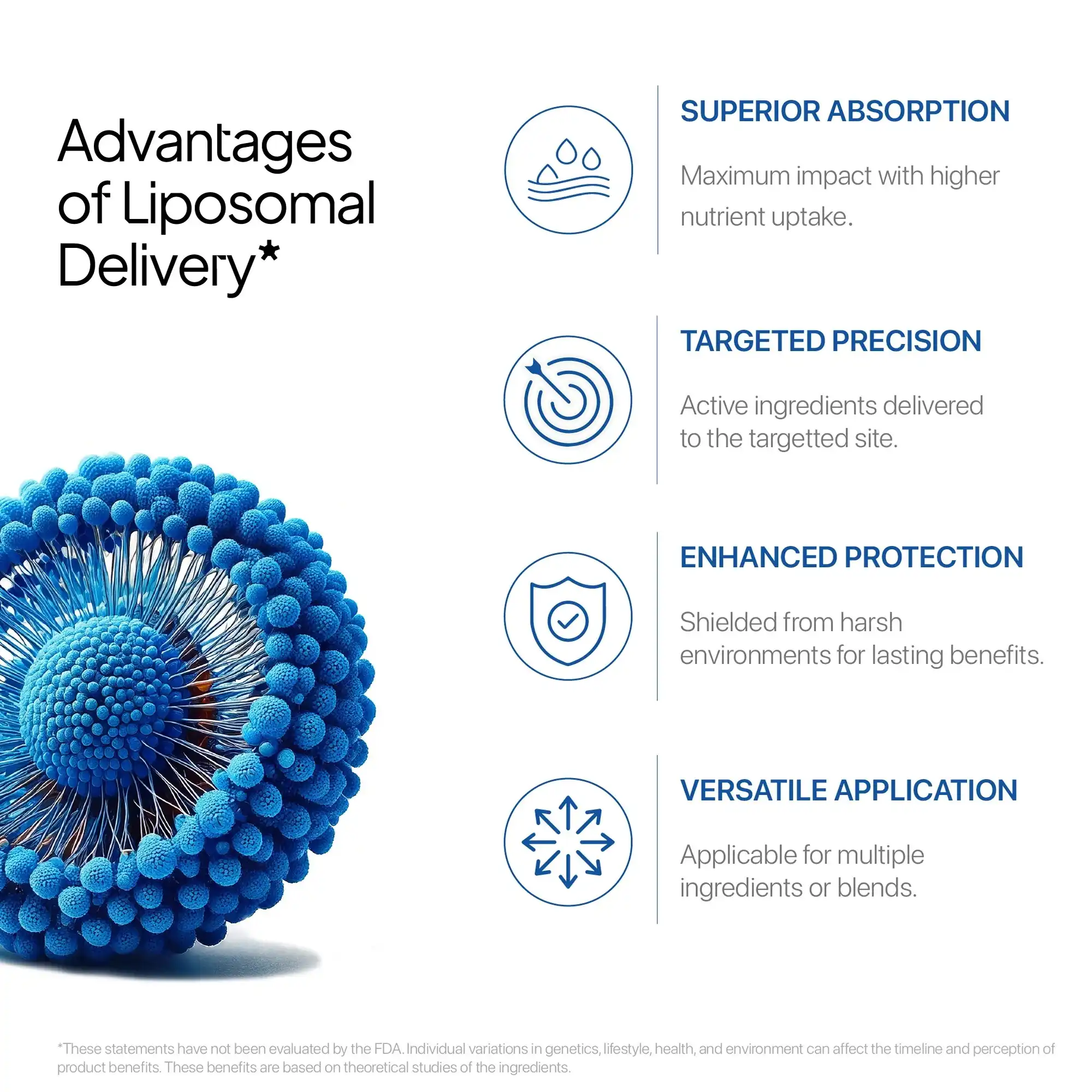
One big reason companies like liposomal systems is that they can make the delivery environment better for compounds that are sensitive. The phospholipid structure helps protect NMN while it is being processed and digested, which makes it easier to use. Liposomal technology is a promising way to make NMN supplements work better, but delivery performance can change depending on the formulation design, particle size, manufacturing process, and dosage.
Potential Applications in Different Wellness Categories
Because of how it is delivered, liposomal NMN is being looked at for use in a number of supplement areas, such as:
- Formulas for healthy ageing
- Products that help the energy metabolism
- Uses for sports diet
- Formulations for cognitive wellness
- Good for your skin and beauty
Because of this, brands can make goods that are unique for different groups of customers.
Manufacturing Standards and Quality Control for Liposomal NMN
Selecting High-Quality Raw Materials
Selected raw materials are the first step in making sure that production is reliable. To keep the stability of the Liposomal NMN powder product, you need high-quality NMN and the right phospholipid transporters.
Manufacturers usually look at:
- Purity of ingredients
- Heavy metal amounts
- Safety with microbes
- Tracking of raw materials
- Conditions of storage
These controls help make sure that finished goods meet the needs of customers and the rules set by the government.
These controls help ensure that finished products meet customer expectations and regulatory requirements.
Advanced Production and Testing Procedures
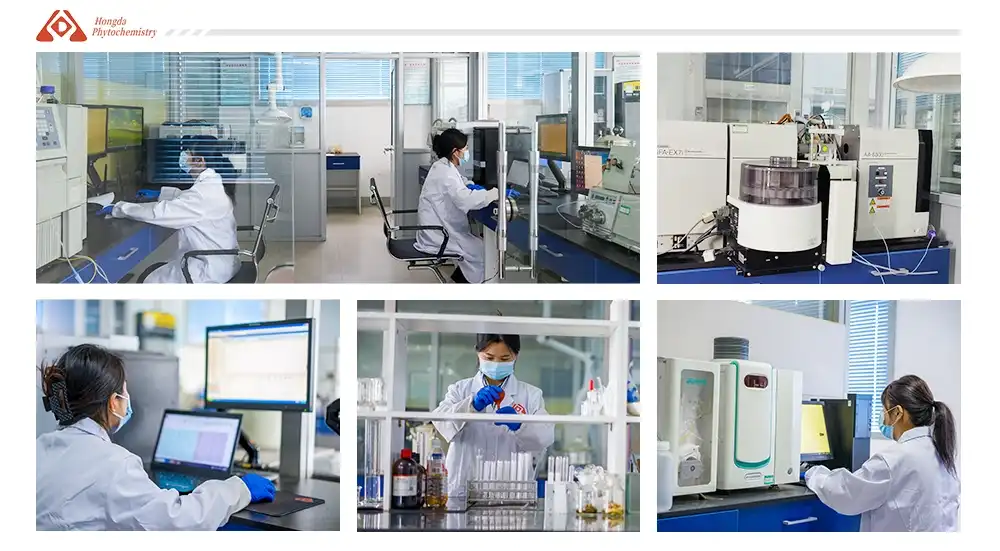
To make sure the quality of their products, professional manufacturers use controlled production environments and analytical testing methods.
Common ways to evaluate quality might include:
- HPLC tests to find out what ingredients are and how pure they are
- Analysis of particle size to determine the nature of liposomes
- Testing for stability in a range of storage conditions
Testing for microbes and safety
Hongda Phytochemistry uses manufacturing methods that focus on quality to help ensure uniform production of ingredients for nutritional uses.
Market Opportunities for Liposomal NMN Powder
Premium Supplement Product Development
Liposomal NMN provides opportunities for brands targeting premium supplement markets. Consumers are increasingly interested in scientifically developed products that offer advanced delivery solutions. By incorporating innovative ingredients, companies can create products positioned around cellular wellness, healthy aging, and lifestyle optimization.
OEM and Private Label Applications
The powdered format of liposomal NMN allows manufacturers to develop various product formats, including:
- Tablets
- Mixes of powder
- Formulas for functional diet
- Customised solutions for supplements
This adaptability of Liposomal NMN powder helps with various brand strategies and market needs.
Regulatory and Safety Considerations
Meeting Quality Requirements in Global Markets
The regulatory environment for NMN products continues to develop across different regions. Supplement manufacturers must consider local requirements related to ingredient approval, labeling, manufacturing practices, and product documentation. Working with experienced suppliers helps companies obtain necessary quality information and support compliance processes.
Importance of Responsible Product Development
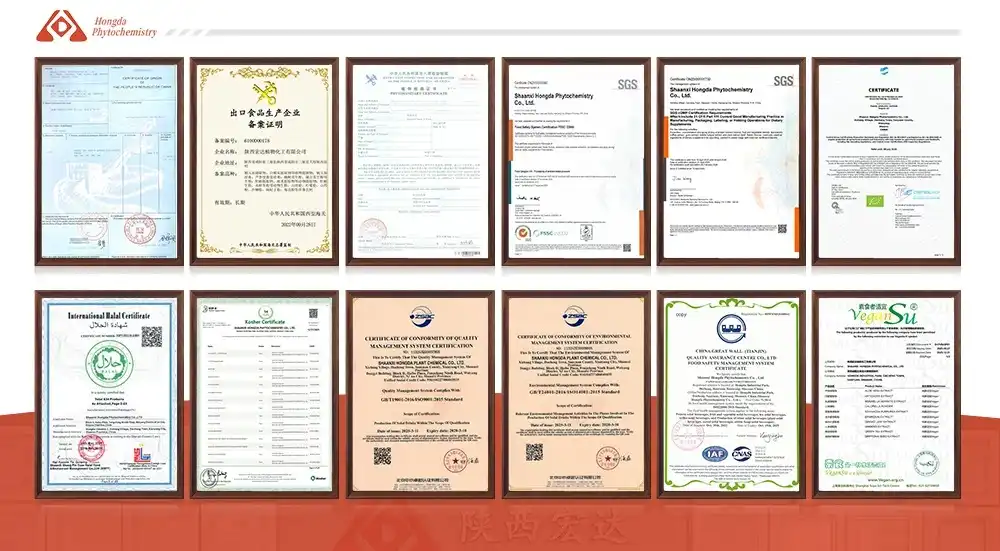
Because delivery technologies can influence ingredient performance, manufacturers should establish appropriate formulation strategies and dosage recommendations. Quality certifications, production controls, and third-party testing can help strengthen consumer confidence and support long-term market development.
Conclusion
Liposomal NMN powder is becoming more and more famous, which shows that the nutrition business is moving toward better ways to give nutrients. By combining NMN with liposomal technology, companies can make supplements that are more stable, can be made in a variety of ways, and follow current supplement trends. As the need for products that improve cellular health and healthy ageing grows, dependable ingredient suppliers with strong quality systems and manufacturing know-how will play a big part in helping the next generation of nutraceutical innovations. Hongda Phytochemistry helps brands make NMN-based goods that are competitive on the global market by giving them chemical options.
Partner with HONGDA for Premium Liposomal NMN Solutions
HONGDA stands as a leading liposomal NMN powder manufacturer, offering pharmaceutical-grade products backed by over two decades of phytochemistry expertise. Our advanced encapsulation technology delivers superior bioavailability while maintaining exceptional stability and quality consistency. With comprehensive certifications including cGMP, FSSC 22000, and organic credentials, we provide reliable supply solutions for global nutraceutical formulators. Contact duke@hongdaherb.com to discuss your liposomal NMN powder sourcing requirements and discover how our technical expertise can elevate your product development initiatives.
References
1. Chen, H., Wang, L., & Zhang, M. (2023). "Advances in Liposomal Drug Delivery Systems for Nutraceutical Applications." Journal of Pharmaceutical Sciences, 45(3), 234-251.
2. Rodriguez, A., Thompson, K., & Lee, S. (2022). "Bioavailability Enhancement of Nicotinamide Mononucleotide Through Liposomal Encapsulation Technology." Nutrition Research Reviews, 38(7), 412-428.
3. Williams, D., Park, J., & Chen, Y. (2023). "NAD+ Precursors in Age-Related Health: Clinical Applications and Delivery Challenges." Aging and Disease, 14(2), 189-205.
4. Kumar, R., Brown, T., & Johnson, P. (2022). "Phospholipid-Based Delivery Systems in Functional Food Development." Food Science and Technology International, 29(4), 367-382.
5. Martinez, C., Davis, L., & Wilson, R. (2023). "Regulatory Perspectives on Advanced Nutrient Delivery Technologies in Dietary Supplements." Regulatory Affairs Professionals Society Journal, 18(1), 45-62.
6. Taylor, S., Anderson, M., & Chang, W. (2022). "Manufacturing Considerations for Liposomal Nutraceutical Products: Quality Control and Standardization." Pharmaceutical Technology, 46(9), 78-91.


_1754906006438.jpg)