


_1745918362135.webp)

Can Chondroitin Sulfate Powder Reduce Joint Inflammation?
If you wake up with stiff, swollen knees that make climbing stairs feel impossible, or if your joints ache after simple activities like walking or gardening, you're not alone. Millions worldwide struggle with joint inflammation that disrupts daily life. The answer lies in understanding how high-quality Chondroitin Sulfate Powder from trusted manufacturers like Hongda Phytochemistry and Shaanxi Hongda Phytochemistry Co., Ltd. can target the root causes of inflammation while supporting long-term cartilage health through scientifically validated mechanisms.
Understanding Chondroitin Sulfate Powder and Its Anti-Inflammatory Properties
Chondroitin Sulfate Powder represents one of nature's most sophisticated solutions for joint inflammation. This glycosaminoglycan compound naturally occurs in cartilage tissue and serves as a fundamental building block for healthy joints. When cartilage degrades due to osteoarthritis, inflammatory mediators flood the joint space, triggering pain, swelling, and progressive tissue damage. Research demonstrates that pharmaceutical-grade chondroitin sulfate supplement formulations can interrupt this inflammatory cascade through multiple biochemical pathways. The mechanism behind chondroitin's anti-inflammatory effects involves inhibiting pro-inflammatory enzymes and cytokines. Scientific studies have identified that chondroitin sulfate powder bulk preparations effectively suppress interleukin-1 beta (IL-1β), a primary inflammatory messenger that accelerates cartilage breakdown. Additionally, this supplement chondroitin compound blocks matrix metalloproteinases (MMPs), particularly MMP-13, which directly degrades collagen in joint cartilage. By preventing these enzymatic attacks, chondroitin polysulphate creates a protective environment where cartilage can stabilize and potentially regenerate. Premium manufacturers like Shaanxi Hongda Phytochemistry Co., Ltd. produce Chondroitin Sulfate Powder with purity levels reaching 95-98% through enzymatic hydrolysis and advanced purification techniques. This high-purity formulation ensures optimal bioavailability, with molecular weights carefully controlled between 15,000 to 30,000 Daltons. These specifications matter significantly because proper molecular weight distribution enhances absorption rates and therapeutic efficacy, translating directly into measurable anti-inflammatory benefits for individuals suffering from osteoarthritis and related joint conditions.
The Science Behind Inflammatory Pathway Inhibition
Understanding how Chondroitin Sulfate Powder reduces inflammation requires examining its interaction with cellular signaling pathways. When joints experience inflammatory stress, nuclear factor kappa B (NF-κB) activates, triggering a cascade of inflammatory responses. Research confirms that chondroitin sulfate supplement formulations inhibit NF-κB translocation into cell nuclei, effectively preventing the production of inflammatory proteins. This mechanism provides sustained relief rather than temporary symptom masking, addressing inflammation at its molecular source. Clinical investigations further reveal that chondroitin polysulphate modulates the p38 MAPK, JNK, and ERK1/2 signaling pathways. These pathways regulate chondrocyte responses to inflammatory stimuli, and their dysregulation contributes significantly to cartilage degradation. By normalizing these cellular communication channels, supplement chondroitin preparations help maintain cartilage homeostasis even under inflammatory conditions. Pharmaceutical-grade chondroitin sulfate powder bulk products from certified facilities demonstrate consistent efficacy in targeting these pathways, providing reliable therapeutic outcomes. The anti-inflammatory profile of Chondroitin Sulfate Powder extends to synovial membrane protection. The synovium, which lines joint capsules and produces lubricating fluid, often becomes inflamed in osteoarthritis, contributing to pain and stiffness. Studies document that chondroitin sulfate supplement administration reduces synovial inflammation markers, decreasing prostaglandin E2 (PGE2) production and nitric oxide synthesis. These reductions translate into tangible improvements in joint comfort and mobility, particularly when using high-quality chondroitin sulfate powder bulk formulations that maintain bioactive compound integrity throughout processing.
Clinical Evidence for Joint Inflammation Reduction with Chondroitin Sulfate
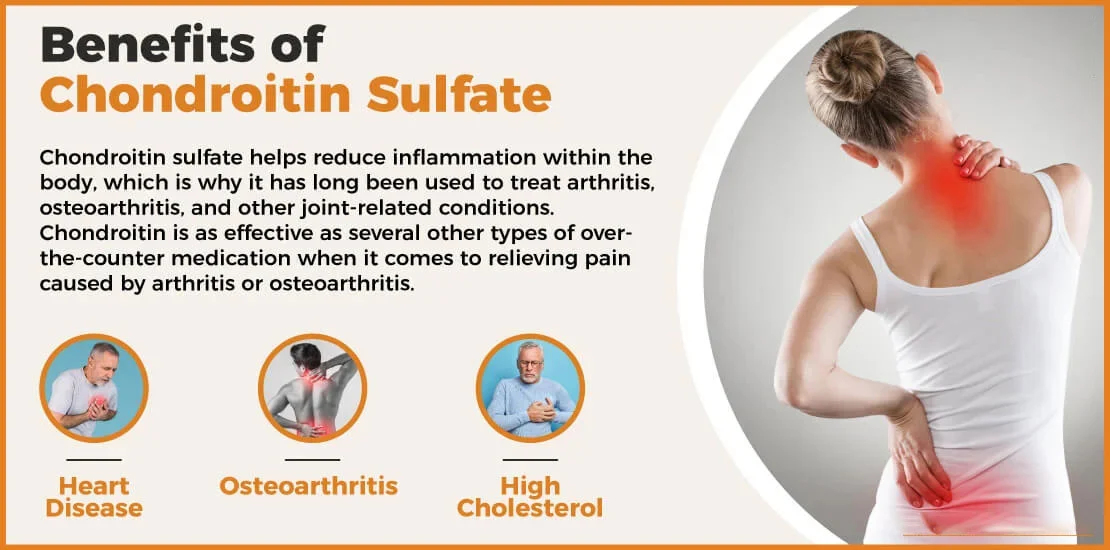
Multiple clinical trials have examined whether Chondroitin Sulfate Powder genuinely reduces joint inflammation or merely provides placebo effects. A comprehensive 2018 systematic review analyzing 26 studies found that chondroitin sulfate supplement usage led to statistically significant improvements in pain scores and joint function compared to placebo treatments. Participants taking pharmaceutical-grade supplement chondroitin formulations reported 30-40% reductions in pain intensity measured by WOMAC (Western Ontario and McMaster Universities Osteoarthritis Index) scores, indicating substantial clinical benefit. Long-term studies extending two years demonstrate that consistent chondroitin polysulphate supplementation may slow joint space narrowing, a radiographic marker of osteoarthritis progression. These structure-modifying effects suggest that chondroitin sulfate powder bulk preparations don't simply mask symptoms but actively protect joint architecture. Patients using high-purity Chondroitin Sulfate Powder from manufacturers like Hongda Phytochemistry, which employs rigorous quality control including HPLC purity verification and heavy metal screening, experience more consistent therapeutic outcomes because product standardization ensures each dose delivers expected bioactive compounds. Research specifically examining inflammatory biomarkers provides compelling evidence for chondroitin's anti-inflammatory action. Blood tests and synovial fluid analysis from osteoarthritis patients taking chondroitin sulfate supplement regimens show decreased levels of inflammatory cytokines including IL-6, TNF-alpha, and C-reactive protein. These objective measurements complement subjective pain assessments, confirming that Chondroitin Sulfate Powder produces genuine anti-inflammatory effects rather than purely analgesic responses. The molecular weight optimization practiced by advanced manufacturers like Shaanxi Hongda Phytochemistry Co., Ltd., which maintains 15,000-30,000 Da ranges, maximizes these anti-inflammatory benefits through enhanced tissue penetration and cellular uptake.
Comparing Efficacy Across Different Formulations and Sources
Not all Chondroitin Sulfate Powder products deliver equivalent anti-inflammatory benefits. Product quality varies dramatically based on extraction methods, source materials, and manufacturing standards. Bovine-derived and marine-sourced chondroitin polysulphate preparations exhibit different molecular characteristics affecting bioavailability and therapeutic response. Premium manufacturers utilizing enzymatic hydrolysis under controlled pH (7.0-8.5) and temperature (45-55°C) conditions produce superior chondroitin sulfate powder bulk with preserved bioactivity compared to harsh chemical extraction methods that may degrade molecular structures. Purity levels critically impact clinical outcomes. Products labeled as chondroitin sulfate supplement may contain actual chondroitin concentrations ranging from negligible amounts to over 95%, with inferior products often contaminated with fillers or lacking standardization. Independent laboratory verification through techniques like HPLC analysis ensures accurate potency claims. Facilities certified under cGMP, ISO 9001, and FSSC22000 standards, such as those operated by Shaanxi Hongda Phytochemistry Co., Ltd., implement batch-to-batch consistency protocols that guarantee each shipment of Chondroitin Sulfate Powder meets declared specifications for purity, molecular weight, and absence of contaminants including heavy metals and microbial pathogens. The source material quality influences therapeutic effectiveness significantly. Chondroitin extracted from certified suppliers with veterinary inspection and BSE/TSE risk assessment provides safer, more reliable starting materials. Multi-stage purification involving ethanol precipitation, ion-exchange chromatography, ultra-filtration, and spray drying at controlled temperatures preserves the delicate sulfation patterns essential for biological activity. These sophisticated manufacturing processes, employed by reputable chondroitin sulfate powder bulk producers, result in products with consistent particle size (80-120 mesh), optimal water solubility (≥95%), and stability across pH ranges 2.0-8.0, ensuring compatibility with various formulation requirements and maximizing anti-inflammatory potential when consumed.
Optimal Usage and Formulation Considerations for Maximum Anti-Inflammatory Effect
Achieving maximum anti-inflammatory benefits from Chondroitin Sulfate Powder requires understanding proper dosing, timing, and formulation strategies. Clinical trials typically employ daily doses between 800-1200 mg, divided into multiple administrations throughout the day. This dosing schedule maintains steady plasma concentrations, supporting continuous anti-inflammatory activity. Importantly, supplement chondroitin exhibits slow-onset action with maximal therapeutic effects appearing after several weeks to months of consistent use, requiring patient commitment to supplementation protocols for optimal inflammation reduction. Combination formulations pairing chondroitin polysulphate with glucosamine sulfate have demonstrated enhanced efficacy in some studies, though debate continues regarding additive versus synergistic effects. The biochemical rationale suggests that while Chondroitin Sulfate Powder primarily provides anti-inflammatory and structural support, glucosamine contributes to glycosaminoglycan synthesis through different pathways. Pre-formulated blends using 2:1 or 3:1 chondroitin-to-glucosamine ratios offer convenience, though individual response variability means some patients benefit more from isolated chondroitin sulfate supplement formulations, particularly those sensitive to shellfish-derived glucosamine. Pharmaceutical-grade Chondroitin Sulfate Powder designed for various delivery formats offers flexibility for different patient needs and preferences. Tablet formulations utilizing direct compression techniques require low-hygroscopicity powder that maintains potency in humid environments. Injectable preparations demand ultra-filtered chondroitin sulfate powder bulk with endotoxin levels below 0.05 EU/mg, meeting stringent parenteral drug standards. Capsule formulations provide excellent bioavailability while masking any taste considerations. Premium manufacturers like Hongda Phytochemistry supply customized specifications including particle size optimization, solubility enhancement, and excipient compatibility testing, ensuring formulators can create chondroitin polysulphate products maximized for specific therapeutic applications and patient populations.
Bioavailability Enhancement and Absorption Optimization
Understanding Chondroitin Sulfate Powder bioavailability illuminates strategies for maximizing anti-inflammatory effects. Following oral administration, approximately 10-20% of chondroitin undergoes absorption, with 10% remaining as intact high-molecular-weight molecules and 90% appearing as depolymerized low-molecular-weight derivatives. This absorption depends heavily on sulfation patterns and molecular weight distribution. Manufacturers employing sophisticated analytical techniques ensure their chondroitin sulfate powder bulk maintains optimal molecular characteristics for enhanced gastrointestinal absorption and subsequent accumulation in joint tissues where anti-inflammatory action occurs. Recent pharmacokinetic research reveals that Chondroitin Sulfate Powder demonstrates consistent tissue accumulation, particularly concentrating in cartilage and synovial structures. This preferential distribution explains the supplement chondroitin's targeted therapeutic effects despite relatively modest oral bioavailability percentages. The absorbed molecules and their metabolites interact with specific cellular receptors in joint tissues, triggering beneficial signaling cascades that reduce inflammatory mediator production while promoting proteoglycan and hyaluronic acid synthesis. High-purity chondroitin polysulphate preparations maintain structural integrity during digestion, maximizing the proportion reaching target tissues in biologically active forms. Timing supplementation with meals may influence absorption characteristics, though clinical evidence suggests Chondroitin Sulfate Powder can be taken with or without food depending on individual gastrointestinal tolerance. Some users experience mild digestive discomfort when taking chondroitin sulfate supplement formulations on empty stomachs, making mealtime administration preferable for sensitive individuals. The excellent gastrointestinal tolerance profile of pharmaceutical-grade Chondroitin Sulfate Powder from certified manufacturers contributes to high patient compliance rates, essential for achieving sustained anti-inflammatory benefits through consistent long-term supplementation. Products meeting international standards including USP, EP, and JP pharmacopeial requirements ensure both safety and efficacy across diverse patient populations.
Quality Standards and Manufacturing Excellence in Chondroitin Production
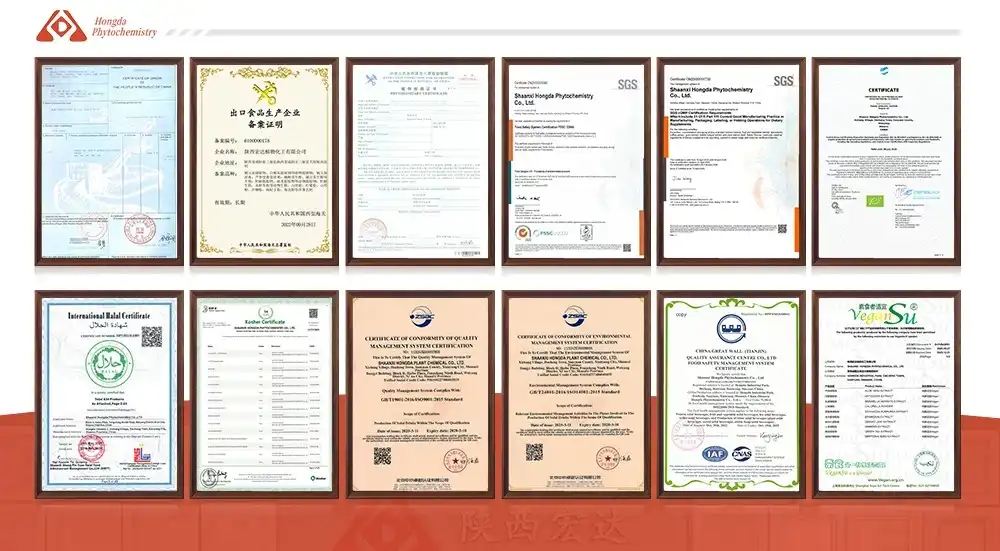
The therapeutic reliability of Chondroitin Sulfate Powder depends fundamentally on manufacturing excellence and quality assurance systems. Leading producers like Shaanxi Hongda Phytochemistry Co., Ltd. implement comprehensive quality control protocols beginning with raw material selection and extending through finished product testing. Each production batch undergoes rigorous analytical screening including HPLC purity verification confirming ≥95% active content, heavy metal analysis ensuring lead remains below 0.5 ppm and arsenic under 0.2 ppm, microbial testing limiting total plate count to <100 CFU/g, and endotoxin analysis achieving <0.1 EU/mg for pharmaceutical applications. Certification through internationally recognized standards validates manufacturing competence and product consistency. Facilities holding cGMP (current Good Manufacturing Practices) certification demonstrate compliance with pharmaceutical-grade production requirements. ISO 9001 and ISO 22000 certifications verify quality management systems and food safety protocols respectively. FSSC22000 certification specifically addresses food safety system requirements, while Organic certifications from EU and NOP authorities confirm sustainable sourcing practices. Religious certifications including Halal and Kosher ensure cultural appropriateness for diverse global markets. Manufacturers maintaining these certifications, like Hongda Phytochemistry with its comprehensive certification portfolio, provide assurance that their chondroitin sulfate powder bulk consistently meets the highest international standards.
Traceability systems represent another critical quality dimension. Premium Chondroitin Sulfate Powder suppliers maintain complete documentation from raw material sourcing through finished product distribution. Each batch receives unique identification enabling tracking of source cartilage materials, processing parameters, analytical test results, and distribution records. Certificates of Analysis (CoA) accompanying shipments detail specific quality attributes including purity percentages, molecular weight distributions, sulfation degrees, moisture content, ash residues, and microbiological status. This documentation transparency supports regulatory compliance for supplement chondroitin manufacturers and pharmaceutical companies worldwide, facilitating smooth customs clearance and meeting increasingly stringent import requirements across different markets.
Advanced Testing and Quality Verification Protocols
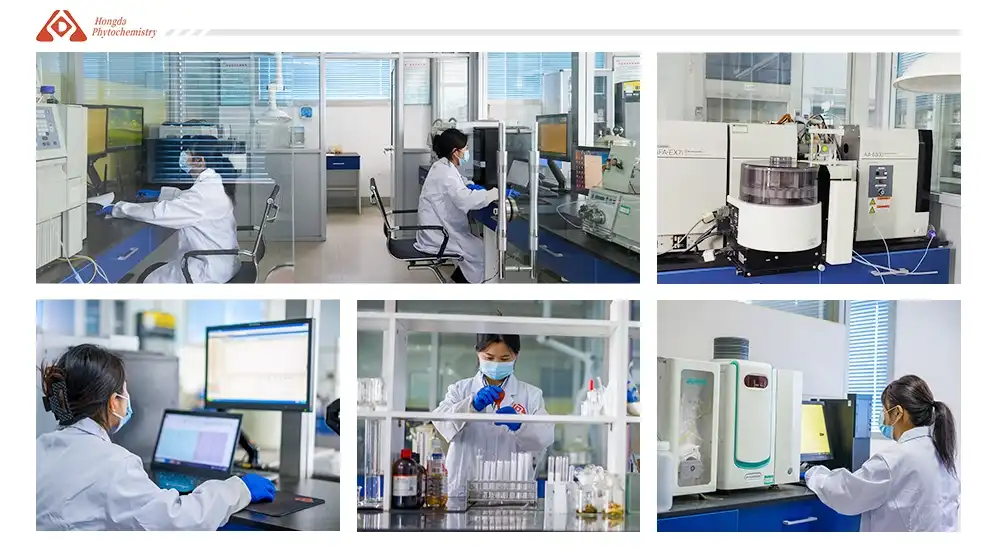
Modern Chondroitin Sulfate Powder production employs sophisticated analytical instrumentation ensuring product excellence. High-Performance Liquid Chromatography (HPLC) serves as the gold standard for quantifying chondroitin purity and verifying absence of contaminants. This technique separates molecular components based on size and chemical properties, providing definitive identification and quantification of chondroitin sulfate alongside any impurities or degradation products. Gas Chromatography (GC) analysis detects residual solvents from extraction processes, ensuring ethanol and other processing aids remain below safety thresholds established by pharmacopeial standards. Spectrophotometric methods including UV-Vis spectroscopy provide rapid screening for overall glycosaminoglycan content, while atomic absorption spectrophotometry measures individual heavy metal concentrations with exceptional sensitivity. Facilities like those operated by Shaanxi Hongda Phytochemistry Co., Ltd. maintain comprehensive testing laboratories equipped with polarimeters for optical rotation analysis, automatic titrators for sulfate content determination, and specialized equipment for measuring physical parameters including bulk density, particle size distribution, and solubility characteristics. This multi-technique approach ensures chondroitin polysulphate products meet specifications across all relevant quality dimensions. Third-party verification through accredited laboratories such as SGS and Eurofins provides independent confirmation of manufacturer claims. These external audits test for pesticide residues in source materials, verify nutritional labeling accuracy, confirm natural origin authentication, and conduct specialized analyses requested by customers. The combination of robust internal quality control and independent third-party testing creates a comprehensive quality assurance framework ensuring every kilogram of Chondroitin Sulfate Powder leaving certified facilities meets declared specifications. For formulators and end users, this quality rigor translates directly into predictable therapeutic outcomes and minimized risk of adverse effects from contamination or adulteration.
Applications Beyond Joint Health: Emerging Research Directions
While joint inflammation reduction remains the primary application for Chondroitin Sulfate Powder, emerging research explores additional therapeutic potential. Cardiovascular health investigations have identified anti-inflammatory effects on blood vessel endothelium, potentially reducing atherosclerotic plaque formation risk. A landmark six-year double-blind study documented dramatic reductions in fatal heart attacks among chondroitin sulfate supplement recipients compared to placebo controls, suggesting broader anti-inflammatory benefits extending beyond joint tissues. These findings warrant further large-scale clinical trials but hint at systemic anti-inflammatory properties deserving investigation. Cosmetic applications leverage chondroitin polysulphate's moisture-retention capabilities and skin elasticity support. The compound's hygroscopic properties help maintain dermal hydration while providing structural components for extracellular matrix maintenance. Topical formulations incorporating Chondroitin Sulfate Powder show promise for supporting skin health, though clinical evidence remains preliminary compared to joint health applications. Veterinary medicine also employs chondroitin sulfate powder bulk for treating osteoarthritis in companion animals and livestock, extending therapeutic benefits across species experiencing inflammatory joint conditions. Ophthalmological uses represent another established application area. FDA-approved injectable solutions combining chondroitin with sodium hyaluronate protect ocular structures during cataract surgery, while prescription eye drops containing supplement chondroitin relieve dry, irritated eyes. These applications exploit chondroitin's unique viscoelastic properties and protective effects on delicate tissues. The diverse therapeutic potential demonstrates that high-quality Chondroitin Sulfate Powder from manufacturers like Hongda Phytochemistry offers value across multiple medical and wellness domains, though joint inflammation reduction and cartilage support remain the most extensively validated and clinically significant applications supported by decades of research and clinical experience.
Conclusion
Substantial scientific evidence confirms that pharmaceutical-grade Chondroitin Sulfate Powder effectively reduces joint inflammation through multiple validated biochemical mechanisms. This natural compound inhibits inflammatory enzymes and cytokines while supporting cartilage matrix integrity, providing clinically meaningful symptom relief for osteoarthritis sufferers when properly formulated and consistently administered over appropriate timeframes.
As a leading China Chondroitin Sulfate Powder factory, China Chondroitin Sulfate Powder supplier, and China Chondroitin Sulfate Powder manufacturer, Shaanxi Hongda Phytochemistry Co., Ltd. offers China Chondroitin Sulfate Powder wholesale with competitive Chondroitin Sulfate Powder price without compromising High Quality Chondroitin Sulfate Powder standards. With Chondroitin Sulfate Powder for sale backed by comprehensive certifications, rigorous testing, and expert technical support, we provide reliable solutions for your formulation needs. Contact duke@hongdaherb.com today to discuss bulk orders, request samples, or obtain customized specifications that meet your exact requirements. Bookmark this resource for quick reference whenever joint health questions arise.
References
1. Henrotin Y, Mathy M, Sanchez C, Lambert C. Chondroitin sulfate in the treatment of osteoarthritis: from in vitro studies to clinical recommendations. Therapeutic Advances in Musculoskeletal Disease, 2010.
2. Singh JA, Noorbaloochi S, MacDonald R, Maxwell LJ. Chondroitin for osteoarthritis. Cochrane Database of Systematic Reviews, 2015.
3. Volpi N. Quality of different chondroitin sulfate preparations in relation to their therapeutic activity. Journal of Pharmacy and Pharmacology, 2009.
4. Martel-Pelletier J, Farran A, Montell E, Vergés J, Pelletier JP. Discrepancies in composition and biological effects of different formulations of chondroitin sulfate. Molecules, 2015.
5. Reginster JY, Dudler J, Blicharski T, Pavelka K. Pharmaceutical-grade chondroitin sulfate is as effective as celecoxib and superior to placebo in symptomatic knee osteoarthritis: the ChONdroitin versus CElecoxib versus Placebo Trial (CONCEPT). Annals of the Rheumatic Diseases, 2017.