


_1745918362135.webp)

How Can You Source High‑Quality Berberine Powder Bulk?
When pharmaceutical manufacturers and supplement brands face inconsistent product quality, contaminated batches, or unreliable supply chains, the consequences extend far beyond financial losses—they risk consumer safety and brand reputation. Sourcing high-quality Berberine Powder Bulk requires partnering with certified manufacturers who implement rigorous quality control protocols, maintain comprehensive testing standards, and demonstrate transparent supply chain management from botanical source to final packaging.
Understanding What Makes Premium Berberine Powder Bulk
Berberine powder bulk quality begins at the molecular level and extends through every stage of production. The compound, an isoquinoline alkaloid extracted primarily from plants like Coptis chinensis and Berberis vulgaris, must maintain specific chemical integrity to deliver therapeutic benefits. High-quality Berberine Powder Bulk demonstrates a minimum purity level of 97% berberine hydrochloride, verified through High-Performance Liquid Chromatography testing. This purity threshold ensures consistent potency across batches and reliable efficacy in final formulations. The botanical source significantly impacts the final product quality. Premium suppliers carefully select raw materials from established cultivation regions where soil composition, climate conditions, and traditional growing practices optimize berberine alkaloid content. Coptis chinensis, commonly known as Chinese goldthread, thrives in mountainous regions of Sichuan Province, where elevation and temperature variations concentrate the active compounds within plant tissues. Responsible suppliers implement sustainable harvesting practices that preserve root systems and ensure long-term botanical availability while maintaining the environmental integrity of cultivation areas.
Manufacturing processes distinguish exceptional Berberine Powder Bulk from inferior alternatives. The extraction methodology begins with thoroughly cleaned and authenticated raw materials undergoing solvent extraction using pharmaceutical-grade ethanol or water at precisely controlled temperatures between 60-65°C. This temperature range maximizes alkaloid extraction while preventing thermal degradation of sensitive compounds. The extraction phase continues for four to six hours under continuous monitoring, with pH levels carefully adjusted to optimize berberine yield without introducing contaminants. Following initial extraction, the concentrated solution undergoes multiple purification stages including chromatographic separation and controlled crystallization. These sophisticated techniques remove impurities, residual plant matter, and unwanted alkaloids while preserving the target berberine hydrochloride. The purified compound then enters a controlled drying environment where moisture content reduces to less than 10% without exposing the powder to excessive heat that could compromise stability. The final product emerges as a fine, uniform, bright yellow powder with consistent particle size distribution, typically ranging from 20-200 micrometers depending on intended application requirements.
Critical Quality Parameters for Berberine Powder Bulk Selection
Selecting reliable Berberine Powder Bulk requires evaluating multiple quality parameters that collectively determine product suitability for pharmaceutical and nutraceutical applications. Heavy metal contamination represents a primary concern, with premium products maintaining levels below 10 parts per million for total heavy metals. Specifically, lead content must remain under 0.5 ppm to comply with California Proposition 65 requirements and international safety standards. Rigorous testing protocols employ Inductively Coupled Plasma Mass Spectrometry to detect trace amounts of arsenic, mercury, cadmium, and other toxic elements that could compromise consumer safety. Microbiological purity ensures Berberine Powder Bulk remains free from pathogenic organisms and maintains acceptable limits for total aerobic bacteria, yeast, and mold counts. Premium manufacturers implement production processes within 100,000-level purification workshops where environmental controls minimize microbial contamination risk. Final products undergo comprehensive microbiological testing per USP guidelines, with total plate counts typically maintained below 1,000 CFU per gram and complete absence of pathogenic organisms including Salmonella, E. coli, and Staphylococcus aureus.
Pesticide residue analysis constitutes another essential quality parameter, particularly for products derived from cultivated plant sources. Multi-residue screening methods detect over 500 different pesticide compounds, ensuring compliance with European Union, United States, and Chinese regulatory limits. Organic certification provides additional assurance that raw materials originated from pesticide-free cultivation practices, though conventional sources can also meet stringent residue limits through proper agricultural management and post-harvest processing techniques. Solubility characteristics directly impact formulation compatibility and bioavailability in finished products. Berberine hydrochloride demonstrates moderate water solubility, approximately 2.1 mg/mL at 25°C, which influences its incorporation into various delivery systems. Understanding these solubility parameters allows formulators to optimize absorption profiles through strategic combinations with absorption enhancers or specialized delivery technologies such as phospholipid complexes and nanoparticle systems that significantly improve the compound's naturally low bioavailability.
Evaluating Manufacturing Standards and Certifications
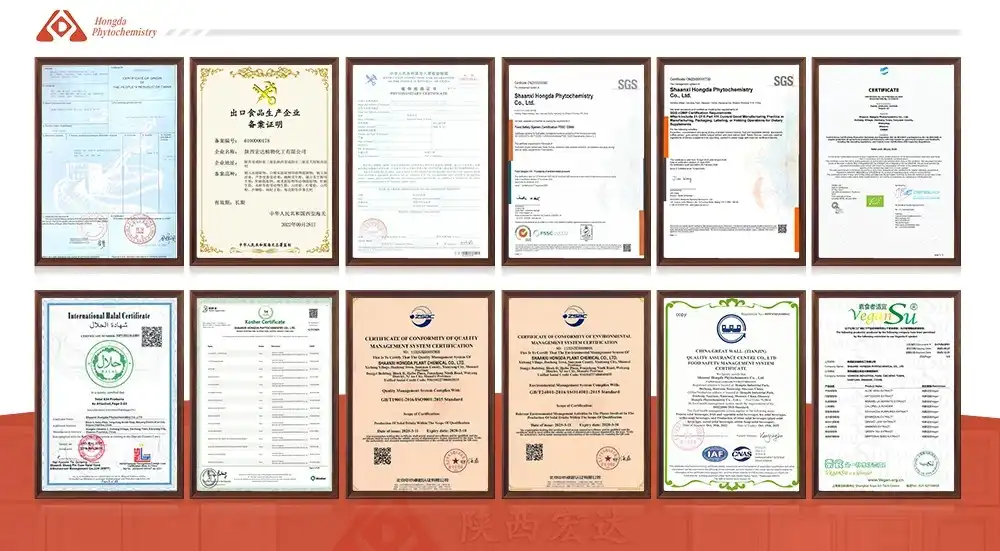
Manufacturing facility certifications provide objective evidence of a supplier's commitment to quality systems and regulatory compliance. Current Good Manufacturing Practice certification represents the fundamental requirement for pharmaceutical-grade Berberine Powder Bulk production. Facilities operating under cGMP standards implement comprehensive quality management systems encompassing validated processes, calibrated equipment, trained personnel, and systematic documentation practices that ensure consistent product quality across all production batches. ISO 9001 certification demonstrates organizational commitment to quality management principles including customer focus, leadership engagement, process approach, and continual improvement. This international standard establishes frameworks for identifying quality objectives, implementing corrective actions, and maintaining traceability throughout the supply chain. When combined with ISO 22000 food safety management certification, suppliers demonstrate integrated approaches to controlling food safety hazards and maintaining hygienic production environments suitable for dietary supplement manufacturing.
FSSC 22000 certification builds upon ISO 22000 foundations by incorporating additional requirements specific to food safety culture, allergen management, and fraud prevention. This globally recognized scheme provides confidence that Berberine Powder Bulk originates from facilities implementing comprehensive food safety protocols that address both known and emerging risks throughout the production process. The certification requires regular third-party audits verifying continued compliance with stringent international standards. Religious and dietary certifications including Halal and Kosher designations ensure products meet specific requirements for Muslim and Jewish consumers respectively. These certifications involve detailed ingredient verification, production process reviews, and ongoing supervision to confirm that no prohibited substances contact the product during manufacturing. VEGAN certification confirms the absence of animal-derived ingredients and animal testing, appealing to ethically conscious consumers seeking plant-based supplement options. Organic certifications from both European Union and USDA National Organic Program validate that raw materials originated from certified organic agricultural operations free from synthetic pesticides, herbicides, and genetically modified organisms.
Laboratory Testing and Quality Documentation
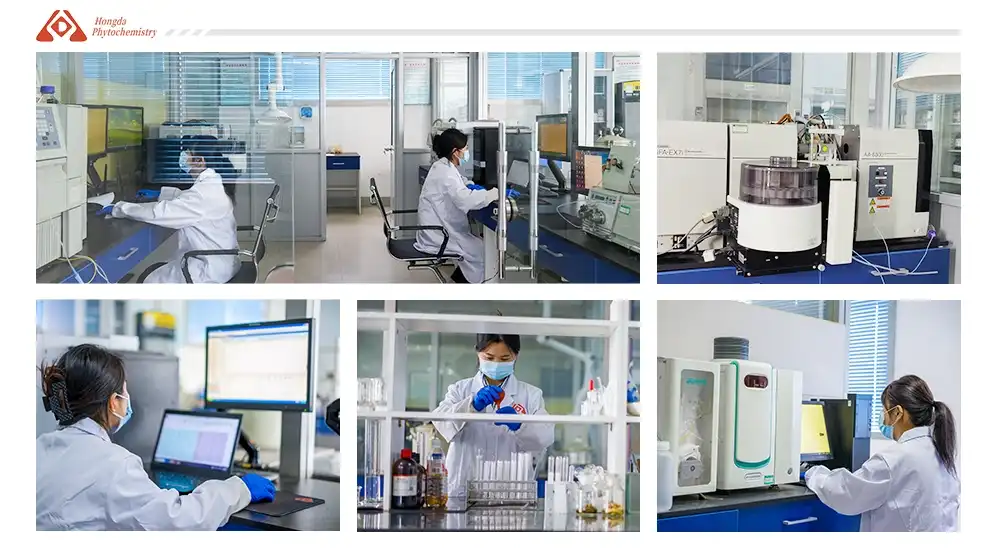
Comprehensive analytical testing distinguishes premium Berberine Powder Bulk suppliers from those offering inferior alternatives. Every production batch should undergo identity testing confirming the material matches established reference standards through techniques including HPLC fingerprinting, ultraviolet spectroscopy, and infrared spectroscopy. These complementary methods verify chemical structure, detect adulterants, and ensure the product contains genuine berberine rather than cheaper substitutes or synthetic analogs. Potency verification through HPLC analysis measures the actual berberine hydrochloride content, with results documented on Certificates of Analysis accompanying each shipment. Premium suppliers target 97-98% purity levels with tight specification ranges demonstrating process consistency. The analytical method should be validated according to ICH guidelines, with documented accuracy, precision, specificity, linearity, and range parameters confirming reliable quantification capabilities. Stability testing provides critical information about product shelf life and storage requirements. Real-time stability studies monitor Berberine Powder Bulk under recommended storage conditions over 36 months, tracking changes in potency, color, moisture content, and microbial levels. Accelerated stability testing conducted at elevated temperatures and humidity levels predicts long-term stability and identifies potential degradation pathways. Suppliers providing comprehensive stability data enable informed shelf-life claims and proper storage condition recommendations for finished products. Third-party testing through independent laboratories including SGS and Eurofins provides unbiased verification of quality claims. These internationally recognized testing organizations employ accredited methods and maintain independence from commercial interests, offering credible validation of product specifications. Suppliers willing to share third-party test results demonstrate transparency and confidence in their quality control systems, while those reluctant to provide such documentation may indicate potential quality concerns.
Strategic Supplier Selection and Partnership Development
Establishing successful long-term partnerships with Berberine Powder Bulk suppliers requires evaluating factors beyond immediate product specifications. Manufacturing capacity directly impacts supply reliability, particularly during peak demand periods or unexpected market disruptions. Facilities with multiple production lines and annual capacities exceeding 1,000 tons of plant extracts demonstrate infrastructure capable of scaling production to meet growing customer requirements without compromising quality standards. Inventory management capabilities ensure consistent product availability and predictable delivery schedules. Suppliers maintaining strategic inventory positions across multiple warehouses can respond quickly to orders while buffering against raw material shortages or production delays. Organized warehouse systems with dedicated storage zones for different product categories, environmental controls preventing degradation, and professional inventory management practices minimize stockout risks and ensure products ship within specified timeframes. Technical support capabilities provide valuable resources for formulation development, regulatory compliance, and quality troubleshooting. Experienced suppliers employ teams of scientists, regulatory specialists, and applications engineers who can assist with formulation optimization, bioavailability enhancement strategies, and documentation preparation for regulatory submissions. This collaborative approach transforms suppliers from simple vendors into strategic partners contributing to product development success. Customization services enable differentiation in competitive markets through tailored particle size distributions, specialized packaging configurations, or value-added processing including co-processing with excipients for direct compression or delayed-release applications. Suppliers offering OEM and ODM capabilities can develop proprietary formulations incorporating Berberine Powder Bulk with complementary ingredients, providing turnkey solutions that accelerate time-to-market for finished products.
Supply Chain Transparency and Traceability
Modern supply chain management requires complete traceability from field to final product. Premium suppliers implement comprehensive tracking systems documenting botanical source locations, harvest dates, processing batches, and distribution records. GPS-tracked sourcing from identified cultivation regions provides geographical authentication while supporting sustainability initiatives and ethical sourcing commitments. This transparency enables brands to communicate compelling origin stories that resonate with increasingly conscious consumers. Raw material authentication prevents economic adulteration and ensures consistent quality. Suppliers implementing genetic identification methods, chemical fingerprinting, and microscopic examination verify botanical identity before materials enter production processes. These rigorous authentication protocols protect against substitution with inferior species, synthetic adulterants, or low-potency materials that compromise final product efficacy. Supplier audit programs enable direct verification of manufacturing capabilities and quality systems. On-site facility inspections assess cleanliness, equipment maintenance, documentation practices, and personnel competency. Regular audits identify potential risks before they impact product quality while demonstrating due diligence for regulatory compliance. Suppliers welcoming customer audits demonstrate confidence in their operations and commitment to transparent business practices.
Regulatory Compliance and Documentation Support
Navigating complex regulatory landscapes requires suppliers who understand regional requirements and provide comprehensive documentation supporting market authorization. FDA Drug Master File registration demonstrates commitment to pharmaceutical market requirements by providing confidential detailed information about manufacturing processes, quality control procedures, and facility qualifications. This documentation streamlines regulatory reviews for finished drug products incorporating the registered ingredient. European Certificate of Suitability to the Monographs of the European Pharmacopoeia provides assurance that Berberine Powder Bulk complies with European quality standards. This certification simplifies regulatory submissions throughout European Union member states by confirming compliance with harmonized quality specifications. Suppliers maintaining current CEP documentation demonstrate ongoing commitment to European market requirements. Comprehensive technical documentation packages including specifications, analytical methods, stability data, safety information, and manufacturing process descriptions support regulatory submissions worldwide. Material Safety Data Sheets provide essential safety information for handling, storage, and emergency response while facilitating hazard communication compliance. Allergen statements, GMO declarations, and BSE/TSE certificates address specific regulatory concerns across different markets.
Pricing Structures and Commercial Terms
Understanding pricing dynamics enables informed purchasing decisions balancing cost considerations with quality requirements. Direct manufacturer pricing eliminates intermediary markups, providing cost advantages while ensuring direct communication with production teams. Volume-based pricing tiers reward larger commitments with reduced per-unit costs, though buyers must balance volume discounts against inventory carrying costs and product shelf life limitations. Minimum order quantities vary by supplier, with some accommodating small initial purchases for evaluation purposes while others require container-load minimum orders. Understanding MOQ requirements and associated pricing breaks enables strategic purchasing aligned with production schedules and cash flow constraints. Suppliers offering flexible MOQ options facilitate relationship development and product evaluation before committing to larger volumes. Payment terms and logistics arrangements impact total landed costs beyond quoted product prices. Suppliers offering FOB, CIF, or DDP terms provide varying levels of responsibility for shipping, insurance, and customs clearance. Understanding these international trade terms and their cost implications enables accurate cost comparisons between competing suppliers. Cold-chain logistics options prevent degradation during tropical transit, ensuring product stability throughout the distribution chain.
Conclusion
Sourcing premium Berberine Powder Bulk demands rigorous evaluation of manufacturing standards, comprehensive quality testing, and transparent supply chain practices that collectively ensure consistent product excellence. As a trusted China Berberine Powder Bulk manufacturer, China Berberine Powder Bulk supplier, and China Berberine Powder Bulk factory, Shaanxi Hongda Phytochemistry delivers High Quality Berberine Powder Bulk backed by over two decades of extraction expertise, multiple international certifications, and competitive China Berberine Powder Bulk wholesale pricing. Our Berberine Powder Bulk for sale features 97% berberine hydrochloride purity with complete documentation supporting global regulatory compliance at competitive Berberine Powder Bulk price points. Contact duke@hongdaherb.com today.
References
1. Yin J, Xing H, Ye J. "Efficacy of Berberine in Patients with Type 2 Diabetes Mellitus." Metabolism: Clinical and Experimental, 2008.
2. Zhang Y, Li X, Zou D. "Treatment of Type 2 Diabetes and Dyslipidemia with the Natural Plant Alkaloid Berberine." Journal of Clinical Endocrinology & Metabolism, 2008.
3. Kong W, Wei J, Abidi P. "Berberine is a Novel Cholesterol-Lowering Drug Working Through a Unique Mechanism Distinct from Statins." Nature Medicine, 2004.
4. Huang C, Zhang Y, Gong Z. "Berberine Inhibits 3T3-L1 Adipocyte Differentiation Through the PPARγ Pathway." Biochemical and Biophysical Research Communications, 2006.
5. Cameron J, Ranheim T, Kulseth MA. "Berberine Decreases PCSK9 Expression in HepG2 Cells." Atherosclerosis, 2008.