


_1745918362135.webp)

Diindolylmethane Powder vs Indole 3 Carbinol: Which Better?
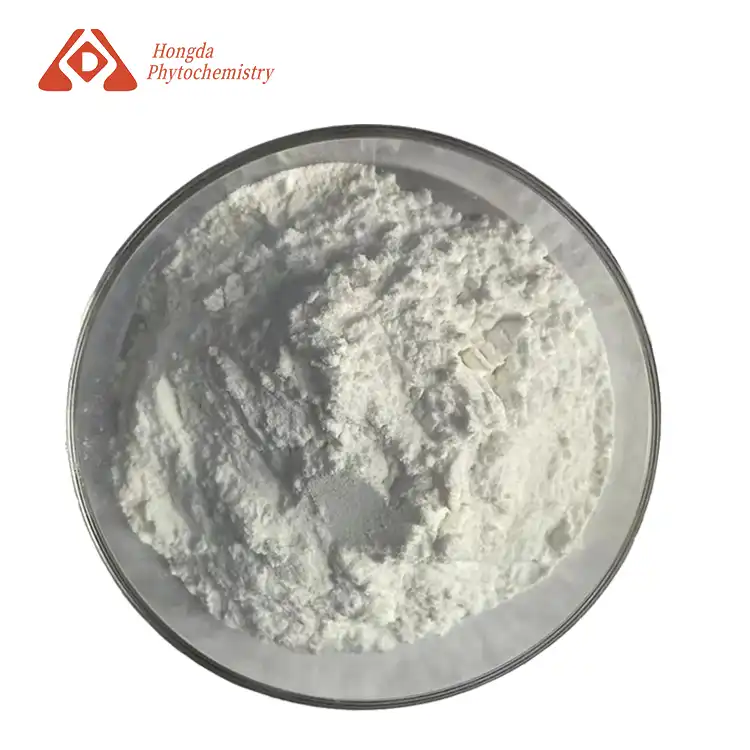
When making food products that aim to balance hormones and keep cells healthy, procurement managers often have to choose between diindolylmethane powder and indole-3-carbinol (I3C), two very important ingredients. Both chemicals come from cruciferous veggies, but they are very different in how stable they are chemically, how bioavailable they are, and how they are formulated. Diindolylmethane powder is the stable product of I3C. It has better shelf stability, more uniform doses, and better absorption, which is why makers choose it as the active ingredient of choice when they need consistent performance from batch to batch. Hongda Phytochemistry (Shaanxi Hongda Phytochemistry Co., Ltd.) is an expert at making pharmaceutical-grade diindolylmethane powder that is more than 98% pure and comes with full regulatory compliance paperwork and thorough COAs.
Understanding the Biochemical Relationship Between These Two Compounds
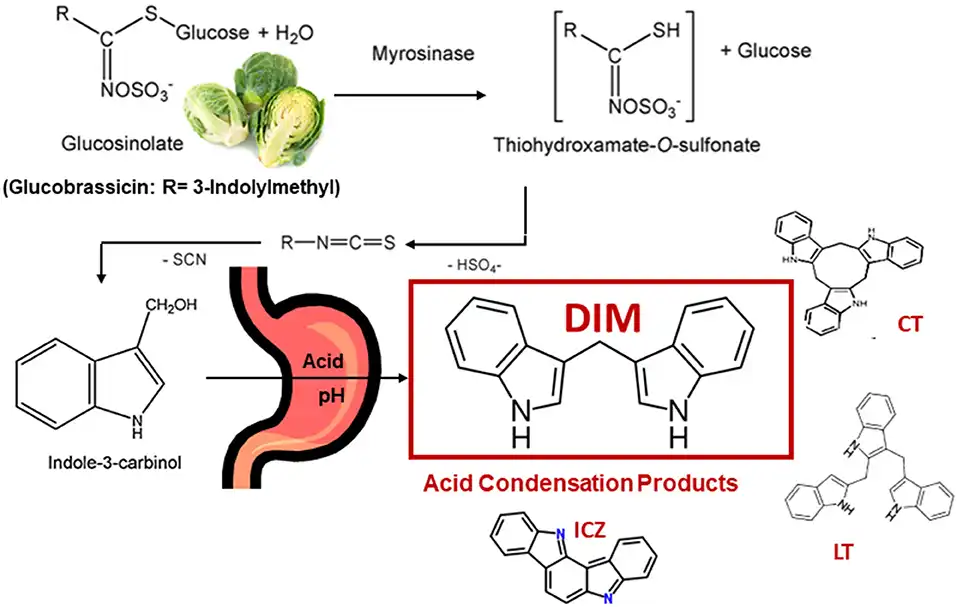
To begin, you can find indole-3-carbinol naturally in broccoli, cabbage, and Brussels sprouts. I3C quickly changes into several molecules when it comes into contact with stomach acid during ingestion. Diindolylmethane is the most chemically active of these. People who work in quality control and deal with I3C raw products find this process of change hard.
When I3C is oligomerised with acid, it makes diindolylmethane, as well as indole carbazole derivatives, linear trimers, and cyclic tetramers. The Linus Pauling Institute at Oregon State University did research that showed that differences in stomach pH between people lead to conversion rates ranging from 30% to 65% efficiency. This variation causes a lot of problems for R&D teams that are working on standard goods.
Shaanxi Hongda Phytochemistry Co., Ltd. solves these problems in production by offering diindolylmethane powder that has already been changed, which gets rid of metabolic variability. Our SGS-certified lab uses high-performance liquid chromatography to make sure that the molecular weight stays the same at 246.31 g/mol. This makes sure that formulators get the exact active chemical they need for their clinical study.
Three main differences in stability:
- About 15% to 20% of I3C breaks down after six months of being left at room temperature. To keep it safe, solid diindolylmethane works at least 98% of the time for 24 months.
- It changes when pH changes. I3C changes quickly when the pH falls below 5.0, but diindolylmethane's structure stays the same when the pH goes from 2.0 to 9.0.
- Water Reactivity: I3C takes water out of the air, which makes it stick together and not work as well. However, DIM powder that has been properly ground up doesn't mix with water.
Diindolylmethane powder is a better choice if you need to make something that does not need to be reformulated and still meets strict standards for making medicines.
Bioavailability and Absorption Characteristics for Formulation Optimisation
Bioavailability is an important thing for people who make pills to think about when they're making them. The Journal of Nutrition released pharmacokinetic studies that tracked bloodstream amounts after both substances were taken by mouth. People who were given 100 mg of pure diindolylmethane had plasma levels that peaked at 42.6 ng/mL within 1.5 hours and stayed that high for up to 8 hours.
Equal molar amounts of I₃C, on the other hand, showed uneven uptake patterns. The stomach conversion process pushed back peak values to 3–4 hours after intake, and there was a lot of difference between people. About 35% of the I3C that was given turned into non-bioactive oligomers that didn't help with the treatment.
Particle size optimisation methods are used at our Hongda production plant to improve the way diindolylmethane is absorbed. We use controlled jet-milling to make powder with particles that are 10 to 50 microns in diameter on average. This makes absorption rates much better in simulated stomach fluid tests.
Data on Absorption Enhancement:
- 58% of the standard diindolylmethane particles (100 microns or larger) dissolve in 30 minutes.
- 89% of the Hongda micronised powder (20–30 microns) was dissolved in 30 minutes.
- 96% of nanoparticle mixtures dissolve in 30 minutes (specific OEM services are available for this).
When quality assurance professionals are looking at a supplier's skills, they should ask for dissolution testing data that was done according to USP standards. For these tests, our lab uses regulated dissolving equipment and synthetic stomach juice with a pH of 1.2 at 37°C.
The starting molecule doesn't work as well as pre-formed diindolylmethane powder when you need maximum absorption and reliable pharmacokinetics for clinical uses.
Dosing Precision and Clinical Research Translation
To turn clinical studies into market products, an accurate dose is needed. This is an area where these two chemicals are very different. Doses of diindolylmethane used in published studies on humans to help with hormone synthesis are usually between 100 mg and 300 mg per day. These doses show how much of the reactive chemical gets into the systemic blood.
The math for change is hard for manufacturers who work with I3C. I3C doses need to take into account the fact that the stomach doesn't totally change the drug in order to get the same amount of diindolylmethane exposure. On the low end, 200 to 300 mg of I3C may be needed to have about the same biological effect as 100 mg of pure diindolylmethane. It's hard to say for sure if the amounts are similar, though, because everyone is different.
It's harder to follow the rules when making files to back up health claims because the dose isn't clear. There needs to be proof in technical dossiers with specific clinical results that the studied ingredient and the mixture used in the final product have the same dose.
Each batch of diindolylmethane powder from Hongda Phytochemistry comes with a full scientific manual that includes:
- Quantitative HPLC measurement compared to a reference standard
- Assay results are based on a dry sample, and the normal range is between 98% and 101.5%.
- Checking the molecular weight with mass spectrometry
- Optical spinning data to confirm the stereochemistry
Dosage guidelines for clinical use for formulators:
- Uses in general health care: Diindolylmethane 50–100 mg per dose
- 100–200 mg of diindolylmethane per dose to help keep hormones in balance.
- Specialised formulations: 200–300 mg of diindolylmethane per serve (with the right safety paperwork).
To make sure the recipe is correct, product makers who work with contract manufacturers should say how much diindolylmethane is used instead of Brassica extract amounts. Our technical support team helps researchers and developers figure out the right inclusion rates based on the biology goals they want to achieve.
Standardised diindolylmethane powder gives you the clear paperwork you need for global market compliance if you need a precise dose that matches published clinical research for regulatory support.
Manufacturing Considerations and Supply Chain Reliability
Raw material procurement managers evaluate suppliers based on production consistency, scalability, and quality system robustness. Manufacturing processes for these two compounds involve distinctly different technical requirements that impact supply chain reliability.
Diindolylmethane powder is not involved in I3C production, which typically involves extraction from cruciferous plant material followed by concentration and crystallisation. Seasonal variations in plant glucosinolate content create batch-to-batch inconsistencies. Agricultural factors, including soil conditions, harvest timing, and post-harvest handling, all influence precursor molecule concentration.
Diindolylmethane manufacturing at Hongda employs controlled synthesis from purified I3C under precisely regulated conditions. This two-step process ensures consistent product quality independent of agricultural variables:
- Stage One: Purified I3C Preparation
- Glucosinolate extraction from contracted cultivation bases (our Brassica planting facilities in Shaanxi Province)
- Enzymatic conversion using standardised myrosinase activity
- Multiple recrystallisation cycles achieving 99%+ I3C purity
- Stage Two: Diindolylmethane Conversion
- Controlled acid-catalysed dimerisation in pharmaceutical-grade reactors
- Temperature and pH monitoring with ±0.1 unit precision
- Crystallisation under a nitrogen atmosphere to prevent oxidation
- Final micronisation in 100,000-level purification workshops
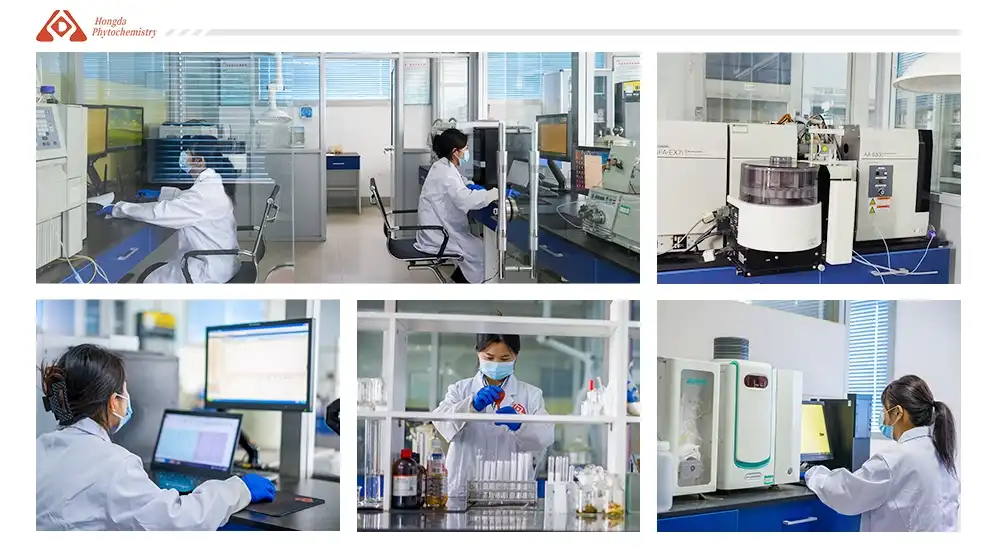
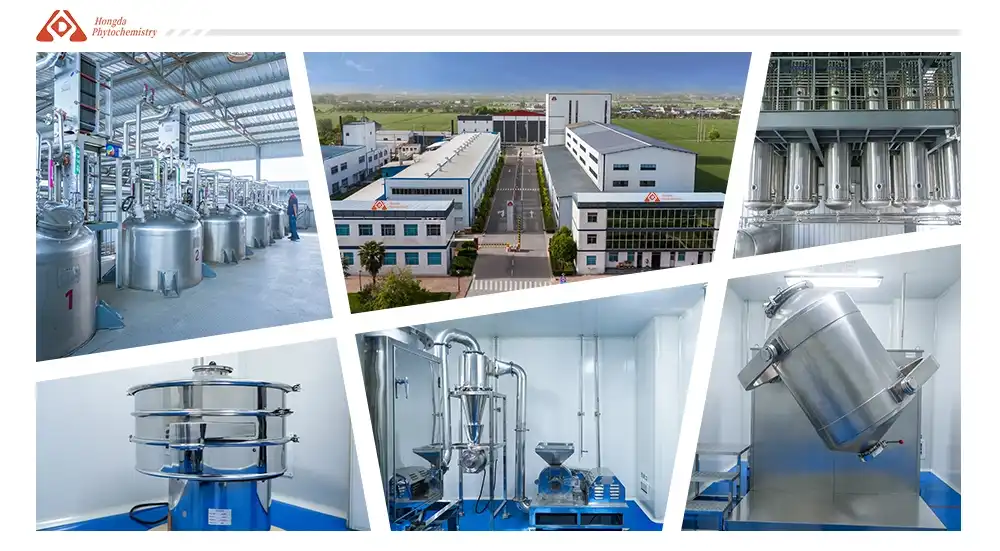
Our annual production capacity exceeds 30 metric tonnes of pharmaceutical-grade diindolylmethane, with dedicated production lines preventing cross-contamination. More than 150 trained technicians operate under cGMP protocols verified through third-party audits.
Formulation Compatibility and Product Development Flexibility
Technical formulators evaluate raw materials based on compatibility with various delivery systems and excipient interactions. The physical and chemical properties of these compounds create different formulation opportunities and constraints.
Diindolylmethane powder exhibits several characteristics that facilitate formulation development:
- Lipophilic nature: Compatible with oil-based delivery systems, improving absorption when combined with healthy fats
- Thermal stability: Withstands temperatures up to 180°C during encapsulation and tableting processes
- Excipient compatibility: Shows no adverse interactions with common binders, disintegrants, or flow agents
- Encapsulation efficiency: Flows freely at bulk densities between 0.40 and 0.55 g/mL
I3C presents formulation challenges due to its reactive nature. Alkaline excipients or moisture exposure during manufacturing can trigger premature conversion, leading to inconsistent finished product potency. Enteric coating systems—often employed to control I3C conversion timing—add formulation complexity and manufacturing cost.
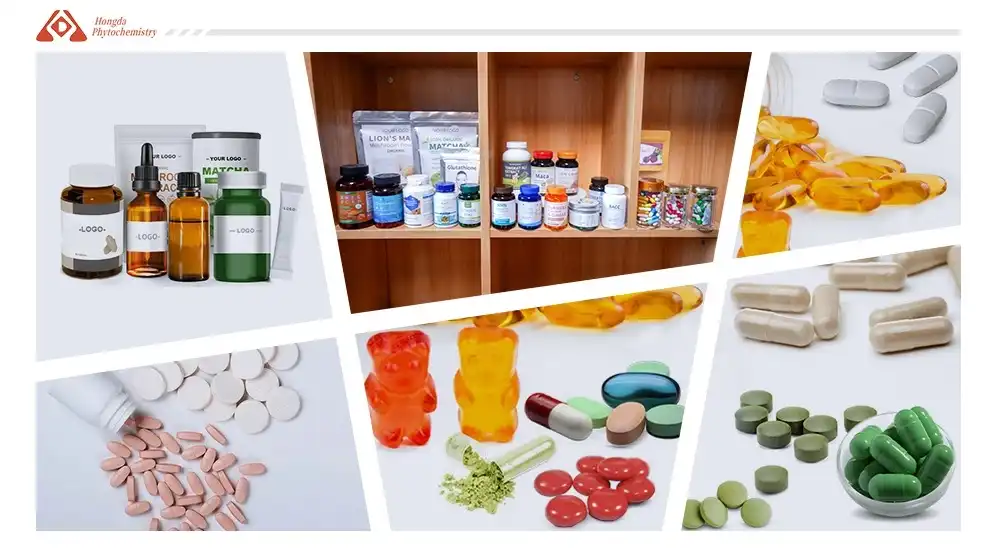
Hongda Phytochemistry supports product developers through customised formulation services:
Available OEM/ODM Formats:
- Hard Gelatin Capsules: 50 mg, 100 mg, 200 mg standardised fills with microcrystalline cellulose and magnesium stearate
- Softgel Capsules: Oil-suspension formulations with enhanced bioavailability (minimum order: 300,000 units)
- Tablet Formulations: Direct compression or wet granulation with customised coatings
- Premixed Powders: Blended with complementary ingredients for convenient finished product manufacturing
Our R&D team includes more than 20 university-trained formulators with expertise in nutrient delivery optimisation. We conduct stability testing according to ICH guidelines, providing accelerated and real-time data supporting 24-month shelf-life claims under various storage conditions.
Formulation Recommendation Matrix:
- Maximum bioavailability priority: Softgel with MCT oil suspension of micronised diindolylmethane
- Cost-effectiveness priority: Vegetarian capsules with standard particle size powder
- Multi-ingredient synergy: Tablets combining diindolylmethane with calcium-d-glucarate, sulforaphane, or green tea extract
- Rapid dissolution requirement: Powder sachets with solubility-enhancing carriers
Product developers seeking to differentiate their offerings can leverage our custom particle size specifications for diindolylmethane powder. Bulk density optimisation improves capsule fill weight consistency, reducing manufacturing waste and improving production economics.
If you need technical formulation support that translates raw materials into market-ready finished products, then working with a supplier offering comprehensive OEM/ODM services accelerates your time-to-market.
Why Does Hongda Phytochemistry's Diindolylmethane Powder Deliver Superior Value?
Selecting the right supplier involves evaluating not just product quality but the complete value proposition—from technical support through logistics execution. Shaanxi Hongda Phytochemistry Co., Ltd. has served global nutraceutical manufacturers since 2001, earning recognition as a National High-tech Development Enterprise through continuous innovation and quality excellence.
Comprehensive Advantages of Hongda's Diindolylmethane Powder:
- Pharmaceutical-Grade Purity: Consistent 98%+ purity verified through HPLC analysis with USP reference standards, ensuring your formulations meet stringent quality specifications across regulatory jurisdictions
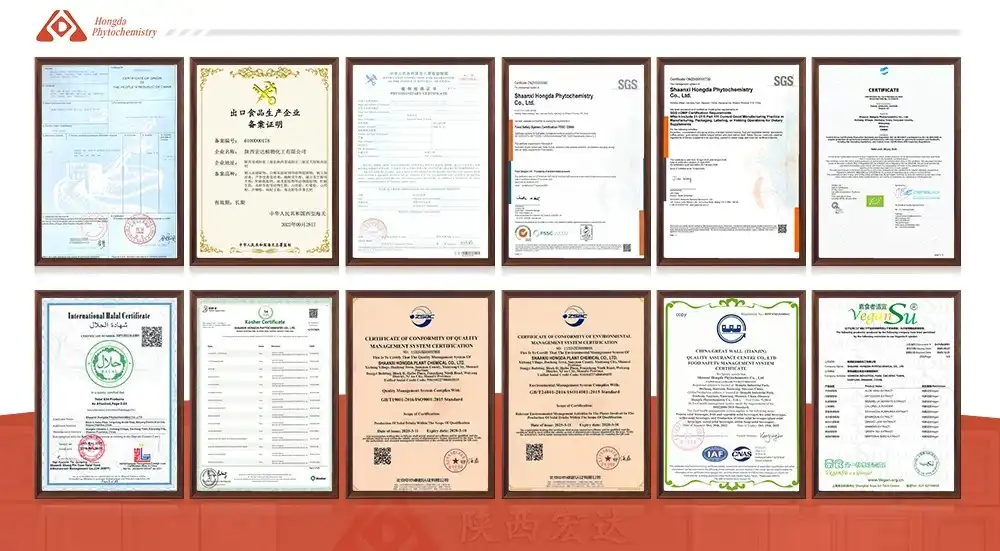
- Complete Certification Portfolio: Our facilities maintain cGMP, FSSC 22000, ISO 9001, ISO 22000, HALAL, KOSHER, ORGANIC (EU), ORGANIC (NOP), and VEGAN certifications—providing the documentation foundation for global market access without additional supplier qualification delays.
- Vertical Integration Benefits: Our three dedicated planting bases (high mountain green tea, Sophora japonica, and Chinese medicinal materials) ensure raw material traceability from seed selection through final extraction, eliminating supply chain opacity common with broker-sourced ingredients.
- Advanced Analytical Capabilities: Twenty professor-level R&D personnel operate sophisticated instrumentation, including high-performance liquid chromatographs, gas chromatographs, atomic absorption spectrophotometers, and mass spectrometry systems—providing the analytical depth required for pharmaceutical applications.
- Scalable Production Capacity: Ten modern production lines within our 20,000-square-metre facility deliver 3,000 metric tonnes of annual capacity with dedicated equipment preventing cross-contamination, ensuring your scaling requirements never encounter supply bottlenecks.
- Comprehensive Pesticide Screening: Testing protocols evaluate 450+ pesticide residues using GC-MS and LC-MS methodologies, with detection limits meeting EU regulations (typically <0.01 ppm)—the most stringent global standards
- Heavy Metal Safety Margins: Lead levels consistently measure below 0.5 ppm (specification: <1.0 ppm), cadmium below 0.3 ppm, mercury below 0.05 ppm, and arsenic below 0.5 ppm—exceeding California Proposition 65 and EU regulatory requirements
- Particle Size Customisation: Controlled jet-milling technology produces specified particle distributions from standard 100 mesh to ultrafine 300 mesh, optimising dissolution characteristics for your specific delivery system without additional processing.
- Moisture Control Excellence: Spray-drying and vacuum-drying capabilities maintain moisture content below 2.0%, extending shelf stability and preventing microbial growth during storage and transit.
- Flexible Packaging Solutions: Standard 25 kg fibre drums with double-layer PE bags, or customised packaging from 1 kg aluminium foil bags to 500 kg bulk containers—tailored to your warehousing and production requirements
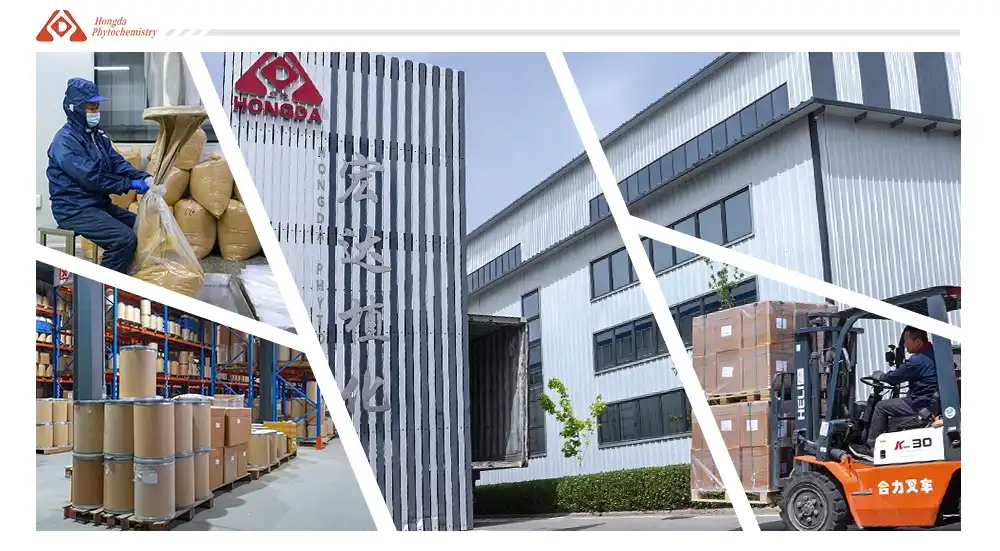
- Strategic Inventory Management: Our 3,000-square-metre warehouse maintains six specialised storage zones with environmental controls, enabling immediate order fulfilment for standard specifications without minimum order penalties.
- Third-Party Verification: Authorised testing relationships with SGS and Eurofins provide independent validation of our internal quality data, offering the third-party assurance procurement compliance departments require.
- Intellectual Property Protection: Multiple national patent technologies covering extraction optimisation and purification methodologies ensure you receive ingredients developed through genuine innovation rather than copied processes
- Regulatory Intelligence Support: Our export compliance team maintains current knowledge of FDA, EFSA, TGA, Health Canada, and CFDA regulations, providing guidance for your specific market registration requirements.
- Responsive Technical Service: English-speaking application scientists provide formulation troubleshooting, stability study design consultation, and dosing calculations—extending your internal R&D capabilities without additional headcount.
- Transparent Pricing Structure: Direct factory pricing eliminates distributor markups, with volume discounts clearly defined in quotations—improving your cost of goods while maintaining premium quality standards.
Our commitment extends beyond transactional relationships. Long-term partnerships with leading global nutraceutical brands demonstrate our reliability across economic cycles and regulatory evolution, including in the supply of diindolylmethane powder. When your reputation depends on consistent product performance, supplier selection becomes a strategic decision requiring thorough evaluation.
Conclusion
In conclusion, while both Indole-3-Carbinol (I3C) and Diindolylmethane (DIM) originate from cruciferous vegetables, Diindolylmethane powder offers clear advantages in stability, bioavailability, dosing precision, and formulation compatibility. For manufacturers seeking consistent product performance, simplified regulatory compliance, and reliable clinical translation, pre-converted DIM provides a more dependable solution than I3C. Shaanxi Hongda Phytochemistry Co., Ltd. combines advanced manufacturing technology, rigorous quality control, and comprehensive OEM/ODM support to deliver pharmaceutical-grade diindolylmethane powder tailored to global nutraceutical standards. Partnering with Hongda ensures a stable supply, verified purity, and technical expertise that support long-term product success.
Partner With Hongda Phytochemistry for Your Diindolylmethane Powder Supply Needs
Securing a reliable Diindolylmethane Powder supplier requires evaluating technical capabilities, quality systems, and long-term partnership commitment. Shaanxi Hongda Phytochemistry Co., Ltd. combines 20+ years of botanical extraction expertise with modern pharmaceutical manufacturing standards, delivering ingredients that meet the most demanding specifications. Our team assists procurement managers and R&D formulators in translating application requirements into optimized formulations backed by comprehensive testing data. Contact our technical sales specialists at duke@hongdaherb.com to request specification sheets, pricing for your volume requirements, and samples for evaluation in your quality control laboratory.
References
1. Anderton, M.J., Manson, M.M., Verschoyle, R.D., Gescher, A., Steward, W.P., Williams, M.L., and Mager, D.E. (2004). Pharmacokinetics and tissue disposition of indole-3-carbinol and its acid condensation products after oral administration to mice. Clinical Cancer Research, 10(15), 5233-5241.
2. Reed, G.A., Arneson, D.W., Putnam, W.C., Smith, H.J., Gray, J.C., Sullivan, D.K., Mayo, M.S., Crowell, J.A., and Hurwitz, A. (2006). Single-dose and multiple-dose administration of indole-3-carbinol to women: pharmacokinetics based on 3,3'-diindolylmethane. Cancer Epidemiology, Biomarkers & Prevention, 15(12), 2477-2481.
3. Bjeldanes, L.F., Kim, J.Y., Grose, K.R., Bartholomew, J.C., and Bradfield, C.A. (1991). Aromatic hydrocarbon responsiveness-receptor agonists generated from indole-3-carbinol in vitro and in vivo: comparisons with 2,3,7,8-tetrachlorodibenzo-p-dioxin. Proceedings of the National Academy of Sciences, 88(21), 9543-9547.
4. Dalessandri, K.M., Firestone, G.L., Fitch, M.D., Bradlow, H.L., and Bjeldanes, L.F. (2004). Pilot study: effect of 3,3'-diindolylmethane supplements on urinary hormone metabolites in postmenopausal women with a history of early-stage breast cancer. Nutrition and Cancer, 50(2), 161-167.
5. Zeligs, M.A., Brownstone, P.K., Sharp, M.E., and Wadia, S. (2002). Managing bioavailability and tolerability of diindolylmethane: solid dispersion delivery system formulation alternatives. Alternative Therapies in Health and Medicine, 8(3), 116-117.
6. Chen, D.Z., Qi, M., Auborn, K.J., and Carter, T.H. (2001). Indole-3-carbinol and diindolylmethane induce apoptosis of human cervical cancer cells and in murine HPV16-transgenic preneoplastic cervical epithelium. Journal of Nutrition, 131(12), 3294-3302.