


_1745918362135.webp)

How Can Liposomal Resveratrol Powder Benefit Nutraceutical R&D?
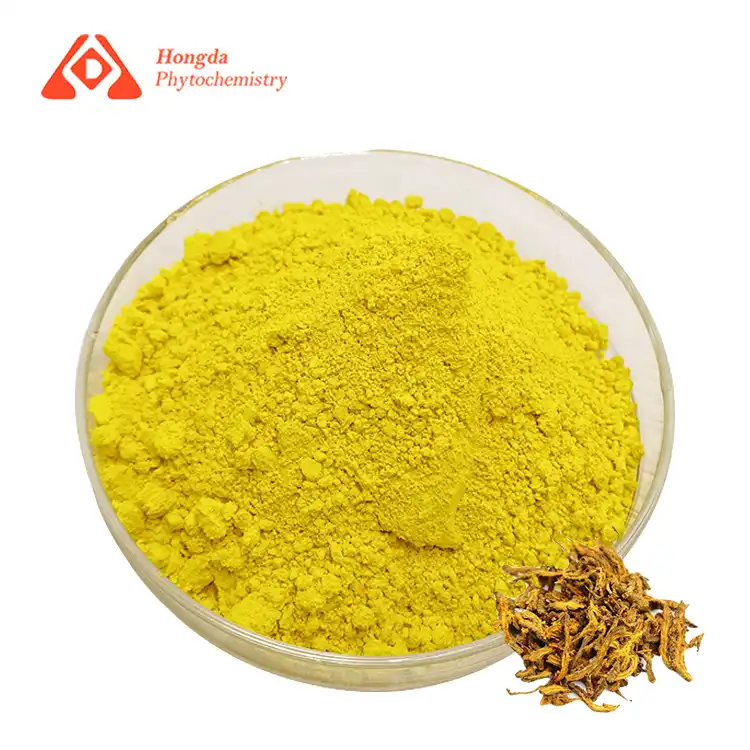
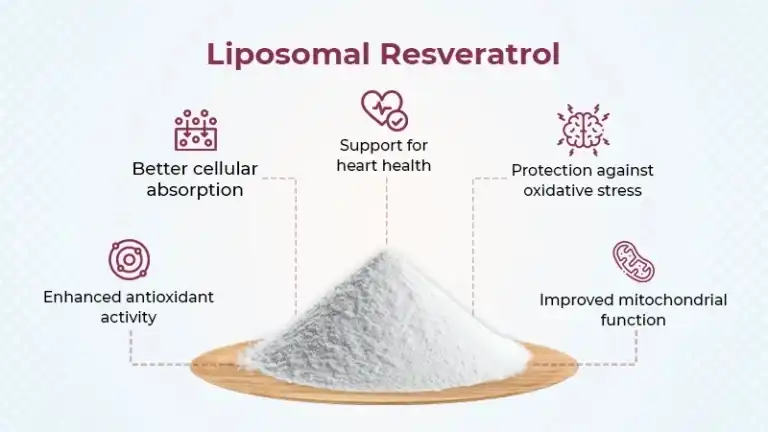
Hongda Phytochemistry (Shaanxi Hongda Phytochemistry Co., Ltd.) has developed a liposomal resveratrol powder that tackles the bioavailability problem that has plagued nutraceutical formulators. It takes more than picking a famous active ingredient to make nutrition goods that work. R&D teams have to think about things like absorption, formulation stability, consumer experience, and the ability to make the product. Resveratrol has gotten a lot of attention for its antioxidant and cell health benefits, but it is hard to make supplements because it doesn't dissolve well in water and isn't easily absorbed by cells. Liposomal resveratrol powder is a way to deliver resveratrol that helps it spread out better and protects trans-resveratrol while it is being made and digested. Manufacturers can make vitamins, functional drinks, and nutricosmetic goods with more recipe options by adding resveratrol to phospholipid-based delivery methods. Nutraceutical brands can get help from companies like Shaanxi Hongda Phytochemistry Co., Ltd., which creates new ingredients, tests their quality, and make sure they have the right supply solutions for each application.
Understanding the Role of Liposomal Resveratrol Powder in Nutraceutical Innovation
Why Traditional Resveratrol Extracts Face Formulation Challenges
Resveratrol is a naturally occurring pigment that has been studied a lot for its protective qualities and possible role in supporting the health of cells. However, regular resveratrol products have some manufacturing problems, such as not being able to dissolve in water and being sensitive to weather factors.
These problems can affect supplement makers in the following ways:
- how the active ingredient is spread out in liquids; how consistent batches are; how well consumers like the taste and texture of the product; and how much of the active ingredient is needed in the finished product.
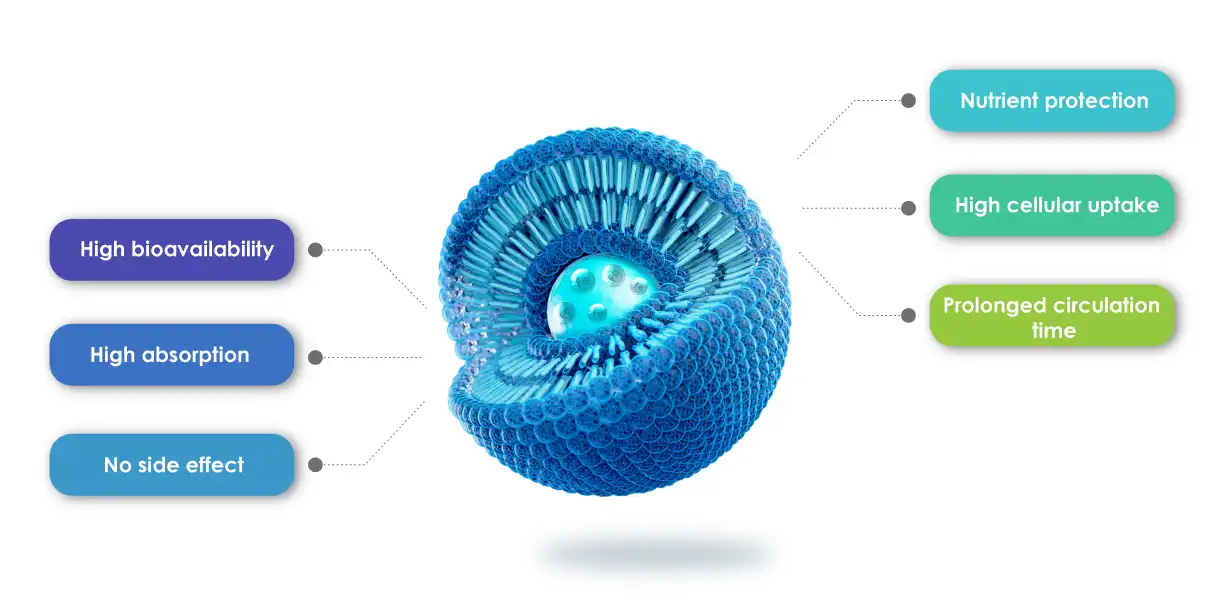
- Liposomal delivery technology gets around these problems by putting phospholipid layers around molecules of resveratrol. This structure makes it easier for water-based formulas to work with it and helps keep the active ingredient from breaking down while it's being processed and stored.
- Liposomal technology is useful for research and development teams because it makes ingredients work better and gives them more freedom when making different dosage forms.
How Liposomal Technology Improves Ingredient Performance
A liposome is made up of two layers of phospholipids that can hold active substances. This transport method is made to help ingredients spread out better and connect better with the living surroundings in nutritional uses.
Compared to regular resveratrol powder, liposomal formats may have a number of benefits, including:
- better dispersibility in drinks and liquid nutrients; better resistance to oxidation; better interaction with combination recipes; easier creation of clean-label goods.
- Controlling things like particle size distribution, packaging efficiency, and stability during storage is important for making sure the quality of the product. Manufacturers can check the quality and stability of their ingredients using analytical methods like HPLC testing and particle size analysis.
- These technical specs are useful for business-to-business buyers who want to know if an ingredient is good for making commercial products.
Key Technical Factors R&D Teams Should Evaluate Before Formulation
Encapsulation Efficiency and Particle Characteristics
One of the most important ways to tell if liposomal ingredients are good quality is by how well they are encapsulated. A higher encapsulation rate helps keep the active chemical inside the lipid structure instead of letting it escape too much during processing.
The R&D teams should look over:
- results on particle size distribution, polydispersity index (PDI), and data stability under different storage conditions.
- Consistent particle features are very important for goods like pills, powders, and healthy beverage mixes that need to be able to accurately measure doses.
- Product developers can make better decisions about formulation when they have access to full analytical documentation from a supplier.
Quality Control and Regulatory Documentation
The quality of an ingredient is more than just the active molecule. Professional companies that make nutraceuticals should look at the supplier's whole quality control system.
Some examples of important paperwork are:
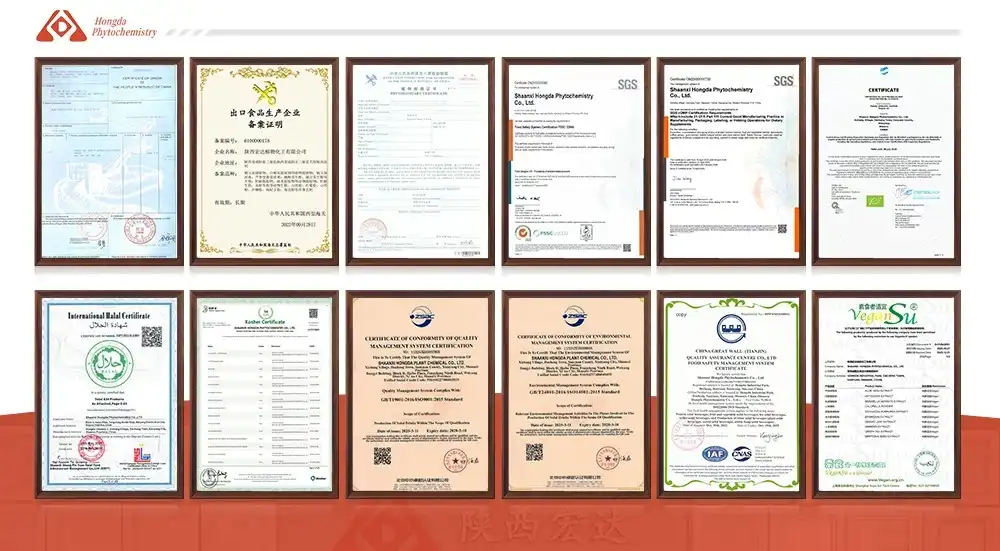
- Certificate of Analysis (COA); testing for heavy metals and microbes; testing for leftover solvents and allergens; and records of where the product came from and how it was tracked.
- Manufacturers with well-established quality systems and standards like cGMP, ISO 22000, or FSSC 22000 can help brands more when they go into foreign markets.
- Reliable paperwork also makes it easier for companies making vitamins for different areas to communicate with customers and get them approved by regulators.
Benefits of Liposomal Resveratrol Powder in Modern Product Development
Supporting Higher-Value Nutraceutical Formulations
One big reason brands are looking into liposomal delivery is that more and more people want supplements that are backed by science. More and more, consumers want products that are made with more than just basic ingredients. They want products that are better at absorption and better for the user.
Liposomal resveratrol powder can be used in a number of different types of products, such as:
- Antioxidant formulas, beauty-from-within products, functional beverage powders, and combination formulas with other botanical extracts are some of the things that are available.
- Because it is easier to spread out, it works well in new forms where regular resveratrol isolates might not work as well.
Improving Compatibility with Combination Formulas
These days, nutritional goods often have more than one active ingredient to make them more effective. Resveratrol is often thought of with other ingredients that help with antioxidants, metabolic health, and cell health.
When R&D teams are making combination formulas, they need to think about:
- What affects the taste, how the ingredients interact with each other, and how stable the product is during storage.
- Liposomal resveratrol's lipid-based structure may give formulators more choices when resveratrol is mixed with other useful substances.
- But compatibility testing is still important because each recipe has its own needs.
Formulation Strategies for Incorporating Liposomal Resveratrol Powder
Selecting the Right Dosage Form for Different Applications
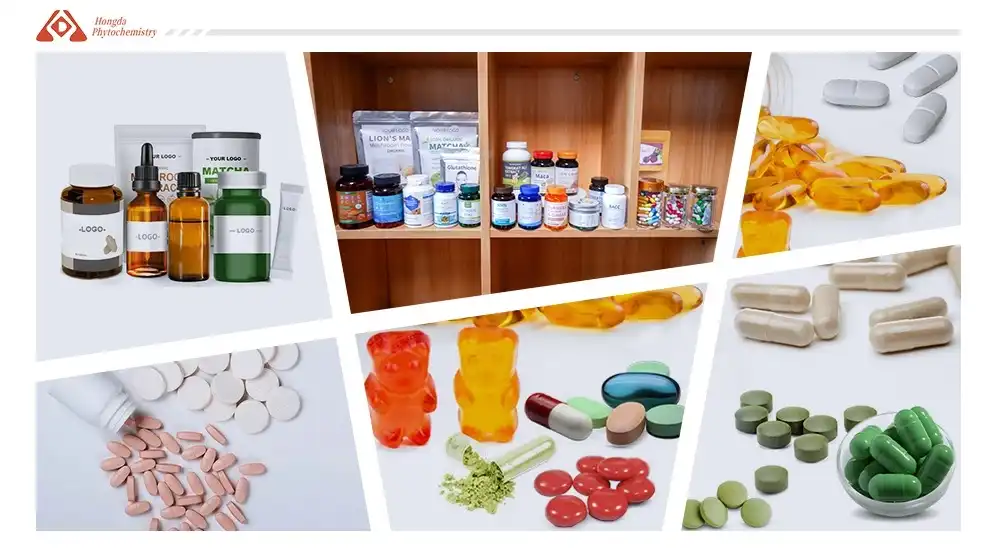
The choice of shipping method has a direct effect on how well the product works and how the customer feels about it. R&D teams should test how well liposomal resveratrol powder works in different dosage forms while they are making new products.
When making pills and tablets, scientists usually pay attention to:
- Powder flowability, compatibility with compression, uniformity of active ingredients, and protection against moisture.
- Important things to think about when it comes to healthy drinks and powdered drink mixes are:
- The ability to mix with water, control flavor, keep a stable suspension, and work with other nutrients.
- Liposomal powder is useful for stick packs and ready-to-mix goods because it can be mixed with other useful ingredients while still staying in an easy-to-use form.
- The best way to formulate depends on the audience, the dosage needs, and the way the product is made. It's best for the end product design if ingredient providers and R&D teams talk to each other a lot.
Stability Testing During Product Development
When adding improved transport methods to business goods, stability is very important. Even though liposomal technology helps keep active ingredients safe, the conditions of the formulation can affect how well it works.
The R&D teams should look at:
- pH compatibility; temperature exposure; sensitivity to moisture; how it reacts with other ingredients; how well it packs.
- Accelerated stability studies can help find problems that might come up before they happen on a large scale. Moisture-resistant bags, metal foil packing, and oxygen-protective systems are some types of packaging that may help keep the quality of the ingredients throughout the span of the product.
- A provider that offers expert support can help brands choose the best ways to process and package their products.
Choosing the Right Liposomal Resveratrol Powder Supplier for Commercial Success
What B2B Buyers Should Review Before Purchasing
Comparing the prices of ingredients isn't enough to choose a supplier. For nutrition companies, seller dependability has a direct impact on the quality of their products, their ability to follow regulations, and their long-term business growth.
Before working together, buyers should:
- Manufacturing skills; quality control processes; testing capabilities; the ability to track raw materials; the ability to make more of the product.
- If you're looking for a trusted provider, they should be able to give you more than just basic product specs.
- For instance, R&D teams can lower development risks by having access to analytical reports, formulation advice, and help with evaluating samples.
Evaluating Manufacturing Capability and Technical Support
Specialized production knowledge is needed for advanced transportation ingredients. Suppliers should be knowledgeable about things like:
- technology for making liposomes; controlling particle size; improving encapsulation; processing powders; helping with custom formulations.
- Shaanxi Hongda Phytochemistry Co., Ltd. helps companies make botanical ingredients by offering quality management systems, analytical testing, and custom OEM/ODM services.
- When companies make business goods, technical information is often just as important as the quality of the ingredients. A supplier who knows about formulation problems can help speed up the whole process of making a product, from testing in the lab to putting it on the market.
Why Supply Chain Transparency Matters
Supplement brands that want to compete in the market need a steady supply of liposomal resveratrol powder products. When buyers look for providers, they should see if they can:
stable sources of raw materials; planning for production capacity; consistency from batch to batch; a range of packaging options.
Supply risks can be cut down, and quality control can be made better with vertical integration and open sourcing.
When companies are planning long-term product lines, picking the cheapest ingredient isn't always the best choice. Instead, picking a maker with stable production management is often more valuable.
Future Opportunities for Liposomal Resveratrol Powder in Nutraceutical Markets
Growth of Precision Nutrition and Advanced Delivery Systems
The nutraceutical business is moving toward solutions that are more tailored to each person and based on science. More and more, people want to buy goods that have both useful ingredients and better transportation methods.
Possible areas for growth in the future could be:
- personalized formulas for healthy aging; combination products with botanicals that work well together; targeted wellness solutions; advanced powder-based delivery systems.
- As long as scientists keep studying bioavailability and formulation technology, liposomal ingredients will likely continue to be a big area of innovation for people who make supplements.
Increasing Demand for Evidence-Based Ingredients
These days, customers and regulators care more about being open and using solid evidence. People are more likely to trust a brand if it gives them clear information about its ingredients, good documentation, and a realistic view of its products.
For manufacturers, this means they can make their products stand out by:
- Validated ingredient quality; clear supply lines; professional help with formulations; honest health communication.
- Liposomal delivery isn't just a better way to do things; it's part of a bigger move toward making nutrition goods that meet performance, security, and customer standards.
Conclusion
Nutraceutical research and development teams can use liposomal resveratrol powder to get around some of the problems that come with using regular resveratrol extracts in their products. With phospholipid-based delivery technology, it's possible to make it easier for ingredients to spread out, keep products stable, and find new uses for them in capsules, drinks, and beauty products. For marketing to go well, brands should look at more than just the item itself. They should also look at the supplier's knowledge, quality documents, technical support, and the stability of the manufacturing process. Working with a supplier with a lot of experience helps R&D teams make products that meet the needs of the market while keeping quality high. Liposomal resveratrol opens up new market possibilities for businesses looking for new ways to do things in the global nutritional market, as the need for improved delivery methods and nutrition based on evidence continues to rise.
FAQ
1. What differentiates liposomal resveratrol from standard resveratrol extracts?
Liposomal formulations prevent trans-resveratrol from stomach breakdown and allow direct cellular absorption using 80-120 nm phospholipid vesicles. This structural difference increases bioavailability by over 10 times over typical powders, allowing lower effective dosages and less gastrointestinal irritation.
2. How should liposomal resveratrol powder be stored to maintain potency?
Store below 25°C in sealed containers away from direct light and moisture. Proper circumstances preserve the phospholipid bilayer structure for 24 months. After opening, close containers quickly and move big volumes to smaller containers to eliminate headspace.
3. Can liposomal resveratrol be combined with other nutraceutical ingredients?
Liposomal resveratrol is compatible with most vitamins, amino acids, and botanicals at pH 6.5–7.5. Avoid high-chelating agent or ionic surfactant concentrations that may damage liposomes. Always study stability while creating multi-ingredient mixtures.
4. What certifications should buyers verify when sourcing liposomal resveratrol?
Find nutritional supplement manufacturers with cGMP, FSSC 22000, ISO 22000, and ISO 9001 certifications. HALAL, KOSHER, ORGANIC, and VEGAN certifications enhance market reach. SGS or Eurofins can verify purity, heavy metals, microbiological limits, and pesticide residues.
Partner with HONGDA for Your Liposomal Resveratrol Powder Supply Needs
Every batch of liposomal resveratrol powder from Shaanxi HONGDA Phytochemistry includes over two decades of botanical extraction experience. Our SGS-standard laboratory, professor-led R&D team, and patented high-pressure shear-compression technology ensure each shipment fulfills your formulas' strict quality criteria. Our technical professionals offer formulation assistance with COAs and regulatory documentation for beverage applications and full-service OEM support for completed goods. Duke@hongdaherb.com can provide samples and explain how our certified liposomal resveratrol powder supplier can speed up product development without compromising quality.
References
1. Walle, T., Hsieh, F., DeLegge, M. H., Oatis Jr, J. E., & Walle, U. K. (2004). High absorption but very low bioavailability of oral resveratrol in humans. Drug Metabolism and Disposition, 32(12), 1377-1382.
2. Amri, A., Chaumeil, J. C., Sfar, S., & Charrueau, C. (2012). Administration of resveratrol: What formulation solutions to bioavailability limitations? Journal of Controlled Release, 158(2), 182-193.
3. Pandita, D., Kumar, S., Poonia, N., & Lather, V. (2014). Solid lipid nanoparticles enhance the oral bioavailability of resveratrol, a natural polyphenol. Food Research International, 62, 1165-1174.
4. Zu, Y., Overby, H., Ren, G., Fan, Z., Zhao, L., Wang, S., & Luo, D. (2018). Resveratrol liposomes and lipid nanocarriers: Comparison of characteristics and inducing browning of white adipocytes. Colloids and Surfaces B: Biointerfaces, 164, 414-423.
5. Frémont, L. (2000). Biological effects of resveratrol. Life Sciences, 66(8), 663-673.
6. Baur, J. A., & Sinclair, D. A. (2006). Therapeutic potential of resveratrol: the in vivo evidence. Nature Reviews Drug Discovery, 5(6), 493-506.