


_1745918362135.webp)

What Is Ferrous Bisglycinate Powder and How Does It Work?
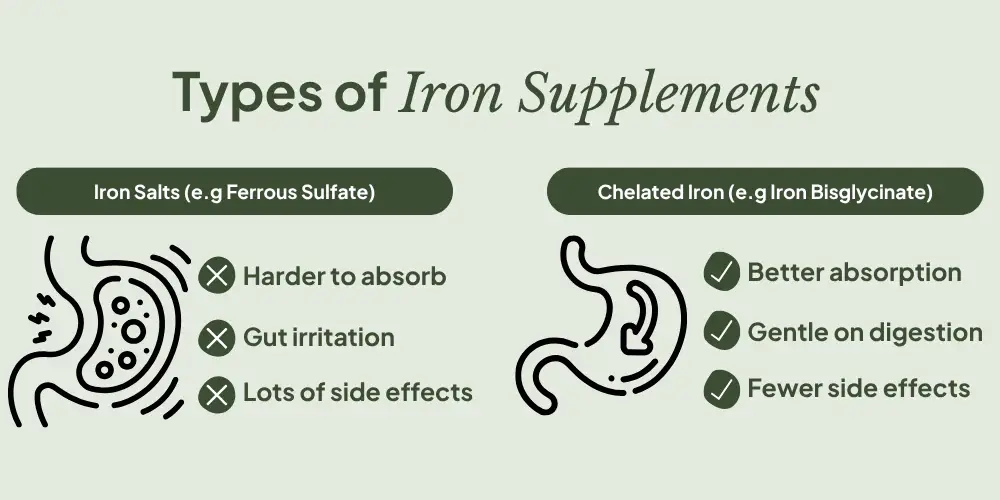
Ferrous bisglycinate powder, chelated with two glycine molecules by covalent connections, is a breakthrough in iron supplementation. Iron is an important nutrient that is used in many health products, but it is still hard for formulators to make iron pills that work. Traditional iron salts, like ferrous sulfate, are used a lot, but they can have problems like a metallic taste, stomach pain, and making it hard to make certain products. The amino acid chelated iron ingredient ferrous bisglycinate powder is meant to be a gentler and easier-to-work-with option for nutritional uses. This structure helps make iron more stable by connecting ferrous iron with glycine molecules. It also lessens the effects of iron on other nutrients and improves user tolerance. Nutraceutical brands, pharmaceutical businesses, and functional food makers can make better goods with better user experiences and better market positioning if they know how ferrous bisglycinate works. Shaanxi Hongda Phytochemistry Co., Ltd. offers ferrous bisglycinate ingredients along with quality paperwork, help with scientific tests, and unique solutions for a range of product uses.
Understanding the Structure and Absorption Mechanism of Ferrous Bisglycinate
How the Amino Acid Chelate Structure Supports Iron Delivery
Putting ferrous iron and glycine together makes ferrous bisglycinate, which is an amino acid-binding structure. The chelated form of iron helps keep iron stable during processing and digestion, while regular iron salts make it easier for free iron ions to escape.
This structure has a number of benefits for formulation:
- It has a less harsh taste than many artificial iron salts, works better with complicated nutritional formulas, interacts less with some dietary chemicals, and is easier to use in pills, powders, and foods that are fortified.
- The main benefit of chelation for product developers is not only the iron content, but also the ability to make products that are easier for people to digest and meet the needs of modern consumers.
How Ferrous Bisglycinate Is Absorbed in the Body
Many things affect how much iron is absorbed, such as the chemical form of iron, the parts of food that contain iron, and a person's health.
Free iron ions are released by traditional iron salts. These ions may combine with minerals, phytates, and tannins during absorption. The amino acid chelate structure of ferrous bisglycinate helps keep iron safe while it moves through the digestive tract. It may also help absorption in ways that are different from those used by free iron salts.
Additionally, studies have shown that amino acid chelated iron can be better absorbed than some other types of iron. Because of this, it is a good choice for formulations that need to be effective at absorption and be well-tolerated.
Picking the right iron source can have a direct effect on how well people follow the directions for making pregnancy pills, everyday nutrition products, or clinical nutrition recipes.
Why Ferrous Bisglycinate Powder Is Preferred in Modern Nutrition Formulations
Improved Tolerance Compared With Traditional Iron Sources
Digestive resistance is one of the hardest things about taking iron supplements. Some people who use traditional iron salts feel sick, have trouble going to the bathroom, or have stomach pain.
Because ferrous bisglycinate is chelated, it keeps free iron ions from reaching the gut system. This may help improve endurance.
It's important to note this benefit because:
- supplements for kids, daily multivitamins, prenatal nutrition products, and functional foods that need to be used for a long time.
- Consumer loyalty can be improved by making patience better. This is because people are more likely to keep taking goods that work well with their daily lives.
Better Sensory Performance for Food and Beverage Applications
When adding iron to consumer goods, taste and look are important things to think about. Traditional iron ingredients can make foods and drinks taste rusty or change the color, which makes them hard to use in enriched foods and drinks.
Ferrous bisglycinate powder has benefits for uses where taste and smell are important, such as:
- healthy shakes, powdered drink mixes, plant-based drinks, and nutrition items for kids.
- By making metallic tastes less of a problem, makers have more freedom when making clean-label goods that people will want to buy.
- But every recipe should still go through stability and taste tests, since the results rely on the whole system of ingredients.
Comparing Ferrous Bisglycinate Powder With Other Iron Sources
Bioavailability and Elemental Iron Considerations
There are different iron sources that offer various amounts of basic iron, absorption properties, and recipe performance.
Because it is easy to get and doesn't cost much, ferrous sulfate is still one of the most popular iron ingredients. But some products need more than just a high elemental iron concentration.
Ferrous bisglycinate is often chosen when producers want to:
- High-quality product placement; easy digestion; compatibility with other nutrients; good uptake.
- The price per kilogram might be higher than some other iron salts, but the overall value can be higher if you look at how well the product is received by customers, how the dosage is designed, and how it is different from other products.
Formulation Compatibility With Other Nutrients
These days, supplements often have iron in them along with vitamins, minerals, and plant-based ingredients. But free iron ions might react with some chemicals and change how stable the product is.
The chelated structure of ferrous bisglycinate is helpful when making products with more than one ingredient, such as those that:
- vitamins C and B, calcium, plant extracts, and amino acids.
- Before going into mass production, R&D teams still have to test how well the ingredients work together. Checking the pH level, processing temperature, moisture exposure, and storage stability of a product helps make sure it always works well.
Manufacturing Quality Standards for Ferrous Bisglycinate Powder
Key Quality Parameters for Professional Buyers
Manufacturers should look at more than just the name of the material when choosing a ferrous bisglycinate source. Controlling raw materials, production processes, analytical testing, and documentation systems are all important for maintaining quality.
Some important quality criteria are:
- Verification of iron content, testing of chelation effectiveness, control of wetness, particle size distribution, measurement of heavy metals, and testing for microbial safety.
- Suppliers you can trust should give you all the paperwork you need, like Certificates of Analysis (COA), specification sheets, and any regulatory support documents that are needed.
- Transparent quality systems make it easier for global supplement companies to register their products and make sure that all of their production batches are the same.
Production Control and Regulatory Documentation
When making amino acid chelated minerals, the reaction conditions, drying methods, and quality control steps need to be carefully managed.
Most of the time, professional producers use scientific methods like:
- ICP-MS to find heavy metals; UV-Vis analysis to measure iron content; bacterial testing to make sure the product is safe; and physical evaluation to see how well the powder works.
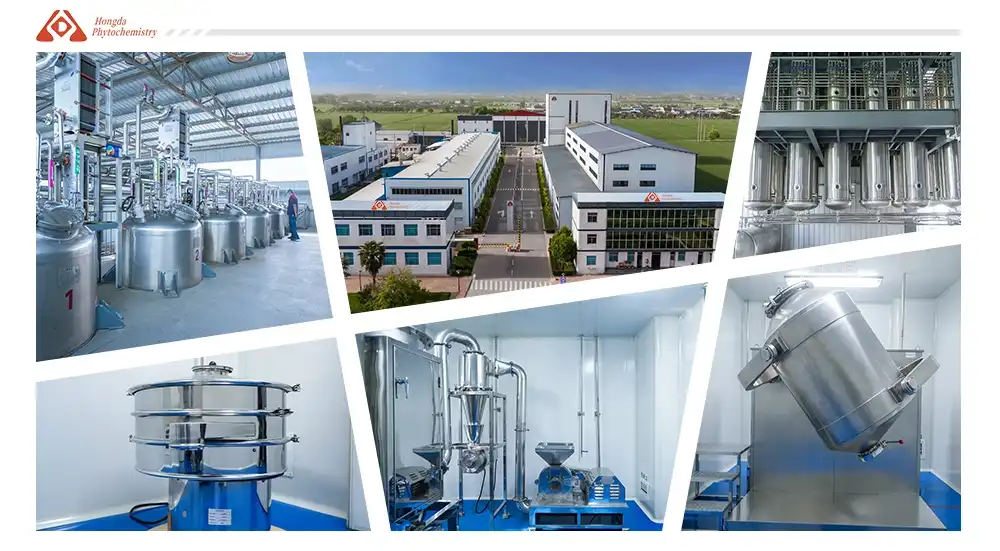
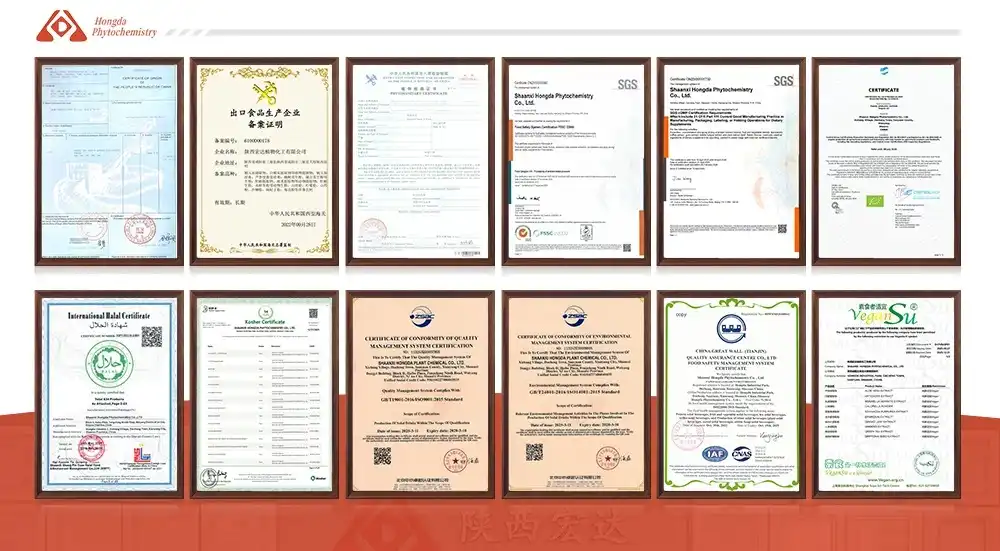
- Companies that sell to people in other countries may feel safer when they have certifications like cGMP, ISO 22000, FSSC 22000, HALAL, and KOSHER.
- As a way to help customers meet different recipe and legal needs, Shaanxi Hongda Phytochemistry Co., Ltd. offers quality paperwork, batch testing, and expert communication.
How Businesses Can Choose the Right Ferrous Bisglycinate Supplier
Evaluating Manufacturing Capability and Supply Reliability
For supplement brands and drug companies, choosing the right Ferrous bisglycinate powder supplier has a direct effect on how long it takes to develop new products and how stable the market is.
Before agreeing to work together, buyers should look over:
- Ability to produce; ability to track raw materials; quality management systems; ability to plan inventory; experience with exporting.
- A trustworthy maker should be able to handle both small-scale tests of their products and bigger sales from businesses.
- Brands can try out new recipes, see how the market reacts, and slowly raise production volume when they have flexible supply choices.
Technical Support and Customized Formulation Services
In addition to providing raw materials, skilled makers can offer extra help during the development of a product.
Some useful things a supplier can do are:
- Help with figuring out the best dose, suggestions for use, checking for compatibility, changing the particle size, and custom packaging options.
- Companies making specialized goods like baby meals, nutrition products for kids, or healthy drinks can lower the risks of development and speed up the time it takes to go from idea to finished product with expert help.
- OEM and ODM services are especially helpful for brands that need help with designing formulations, meeting processing needs, and making products for sale.
Applications of Ferrous Bisglycinate Powder Across Different Industries
Prenatal Nutrition and Clinical Nutrition Products
Ferrous bisglycinate is mostly used for iron supplementation, which is why tolerance and compliance are so important for long-term use.
This ingredient is often thought of by manufacturers for:
- Medical nutrition items, nutritional drinks, pregnancy vitamins, and supplements for women's health.
- A better-tolerated iron source can help make the experience of consumers better and support goods made for groups that need more nutrition.
Functional Foods and Beverage Fortification
Food and drink companies are still looking for ways to add iron to their products, especially those aimed at health-conscious customers.
You might want to use ferrous bisglycinate powder for:
- plant-based milk substitutes, meal replacements, sports drinks, and snack foods with added nutrients.
- Because it's easier to formulate, it's easier to make things that look good, taste good, and are good for you.
- However, manufacturers should do application testing because the stability and sensory performance may be affected by the type of food used.
Animal Nutrition Applications
Minerals that are chelated with amino acids are also used in animal nutrition because they may help the body use minerals better than some inorganic sources.
Possible uses include the following:
- Formulizations for farming, animal feed, and nutrition for chickens.
- Chelated minerals can help with better control of nutrients and may help feed systems use fewer mineral supplements than they need to.
- When feed makers are coming up with new recipes, they should think about things like the type of animal, the amount needed, and the conditions of production.
Quality Assurance and Regulatory Compliance Framework
Quality control is an important part of choosing ingredients, especially for companies that sell their goods in other countries.
A skilled company that makes iron bisglycinate should keep testing methods that include the following:
- Identifying people; testing for iron; measuring wetness; looking at particles, heavy metal limits, and making sure microbes are safe.
- Third-party tests and full paperwork can give you more peace of mind when you're qualifying a seller.
- Businesses that want to enter regulated markets need to keep accurate quality records to back up their regulatory filings and customer audits.
Manufacturers of nutraceuticals and foods can use ferrous bisglycinate powder as a useful iron element because it allows for more recipe freedom, good customer tolerance, and a wide range of uses. Its amino acid chelate structure helps with a number of problems that come with regular iron salts, such as bad taste, stomach pain, and problems with working with other ingredients in complicated formulas.
When R&D teams choose the right iron source, they have to think about how it will absorb, the format of the product, how stable it needs to be, and the needs of the target consumers. For buying teams, it's just as important that suppliers can do their jobs as it is that they have good quality paperwork, consistent production, and expert support.
As the need for better-tolerated and more scientifically-based nutrition products grows, iron bisglycinate will continue to provide brands with chances to make vitamins, functional foods, and other specialized nutrition products.
FAQ
1. What distinguishes ferrous bisglycinate from other chelated iron forms?
Oligopeptide transporters absorb ferrous bisglycinate powder, which uses glycine as the chelating ligand in a 1:2 stoichiometric ratio. Iron polysaccharide and iron amino acid complexes may have varying iron-to-ligand ratios and diverse molecular weights, making absorption kinetics and quality monitoring difficult.
2. How does the chelate perform in high-humidity storage environments?
Powder is hygroscopic and needs double-layer polyethylene liners in fiber drums with desiccants. When kept at appropriate settings (below 25°C, <60% RH), stability testing shows iron and chelation integrity for 24+ months. Caking from unmanaged humidity may not imply chemical breakdown if redissolution occurs upon reconstitution.
3. Can ferrous bisglycinate be used in organic-certified products?
Synthesis, glycine source, and processing help determine organic variant availability. Shaanxi Hongda uses plant-derived glycine and compliance processing to retain ORGANIC (EU) and ORGANIC (NOP) certifications for specific product lines. Instead of presuming all bisglycinate chelates are organic, buyers seeking USDA or EU Organic designation should require particular evidence.
Partner with a Trusted Ferrous Bisglycinate Powder Manufacturer
HONGDA's manufacturing size, analytical rigor, and customer service responsiveness make it a trusted Ferrous Bisglycinate Powder provider for procurement managers. Pharmaceutical-grade chelates from our cGMP-certified laboratory satisfy the toughest international requirements and come with extensive documentation for worldwide regulatory submissions. Our technical team optimises bioavailability and stability in clinical nutrition products, premium dietary supplements, and fortified functional meals. Email duke@hongdaherb.com for product samples, certificates of analysis, and technical datasheets. Enjoy the quality, affordable price, and prompt communication that have made HONGDA a trusted partner for discriminating buyers in North America, Europe, and Asia-Pacific.
References
1. Tolkien Z, Stecher L, Mander AP, Pereira DI, Powell JJ. Ferrous sulfate supplementation causes significant gastrointestinal side-effects in adults: a systematic review and meta-analysis. PLoS ONE. 2015;10(2):e0117383.
2. Pineda O, Ashmead HD. Effectiveness of treatment of iron-deficiency anemia in infants and young children with ferrous bis-glycinate chelate. Nutrition. 2001;17(5):381-384.
3. Ems T, St Lucia K, Huecker MR. Biochemistry, Iron Absorption. StatPearls Publishing; 2023.
4. Cancelo-Hidalgo MJ, Castelo-Branco C, Palacios S, et al. Tolerability of different oral iron supplements: a systematic review. Current Medical Research and Opinion. 2013;29(4):291-303.
5. Lönnerdal B. Calcium and iron absorption—mechanisms and public health relevance. International Journal for Vitamin and Nutrition Research. 2010;80(4-5):293-299.
6. Hurrell R, Egli I. Iron bioavailability and dietary reference values. American Journal of Clinical Nutrition. 2010;91(5):1461S-1467S.