


_1745918362135.webp)

How Does Liposomal Coenzyme Q10 Powder Function in Beverages?
Liposomal coenzyme Q10 powder from Hongda Phytochemistry (manufactured by Shaanxi Hongda Phytochemistry Co., Ltd.) works in drinks by enclosing CoQ10 in tiny phospholipid bubbles that dissolve quickly in liquids, making a stable mixture of colloidal particles. This advanced transport method skips the breakdown process in the digestive system, allowing direct absorption into the bloodstream at up to twelve times higher bioavailability rates than traditional forms. The phospholipid bilayer looks like the membranes of human cells, so it can easily pass through cell walls to provide powerful antioxidant and mitochondrial support. Manufacturers of drinks who want to make high-performance functional drinks can use this technology to meet customers' desire for health options backed by science.
Understanding Liposomal Coenzyme Q10 Powder in Beverages
More and more, the functional beverage industry needs ingredients that are both highly bioavailable and easy to mix with other ingredients. Hongda Phytochemistry is aware of how things are changing and has created pharmaceutical-grade liposomal coenzyme q10 powder that can be used in liquids. This yellow powder is made at our Shaanxi Hongda Phytochemistry Co., Ltd. plant in China. It uses phospholipids from sunflowers as carriers, so there are no GMO worries like there are with soy-based alternatives.
The Science Behind Liposomal Encapsulation Technology
Traditional CoQ10 doesn't dissolve well in water and isn't absorbed well by the gut, which makes it very ineffective in drinking forms. Our second microencapsulation method gets around these problems by making nanoscale liposomes (D50 < 120 nm) that contain CoQ10 molecules inside or between phospholipid bilayers. These tiny bubble-like structures have hydrophilic heads that face outward and hydrophobic tails that face inward. They naturally put themselves together in water to make stable structures. When made into drinks, these vesicles stay whole as they go through the digestive system. This makes it easier for lymphatic absorption to happen without going through first-pass liver processing. This system makes sure that active CoQ10 molecules get to the right organs, like heart mitochondria and skin cells, with little damage.
Superior Bioavailability Compared to Standard Forms
The difference between ubiquinone, ubiquinol, and liposomal delivery methods has a big effect on how well they work in beverage use. Ubiquinol is the reduced, antioxidant-active form of CoQ10, but it is unstable and likes fats, which makes it hard to formulate in water-based systems. Pharmacokinetic tests have shown that our liposomal technology produces peak plasma concentrations of ubiquinone that are over twelve times higher than those of non-encapsulated ubiquinone. This change directly leads to benefits that consumers can see, such as longer-lasting energy, stronger cardiovascular health, and better-looking skin. This makes it a great choice for premium functional drinks aimed at health-conscious groups.
Health Benefits Driving Beverage Innovation
Because it helps make mitochondrial ATP, CoQ10 is an important part of energy drinks, sports healing products, and beauty drinks that fight aging. Antioxidants help get rid of reactive oxygen species, which speed up the aging process of cells and play a part in the development of chronic diseases. By adding our liposomal coenzyme q10 powder to their drinks, makers can truly say that the ingredients improve cardiovascular support, workout recovery, and skin protection. This is because liposomal delivery allows for better absorption. These benefits are right in line with current market trends that value functional eating and taking charge of your health.
How Does Liposomal Coenzyme Q10 Powder Work in Beverage Applications?
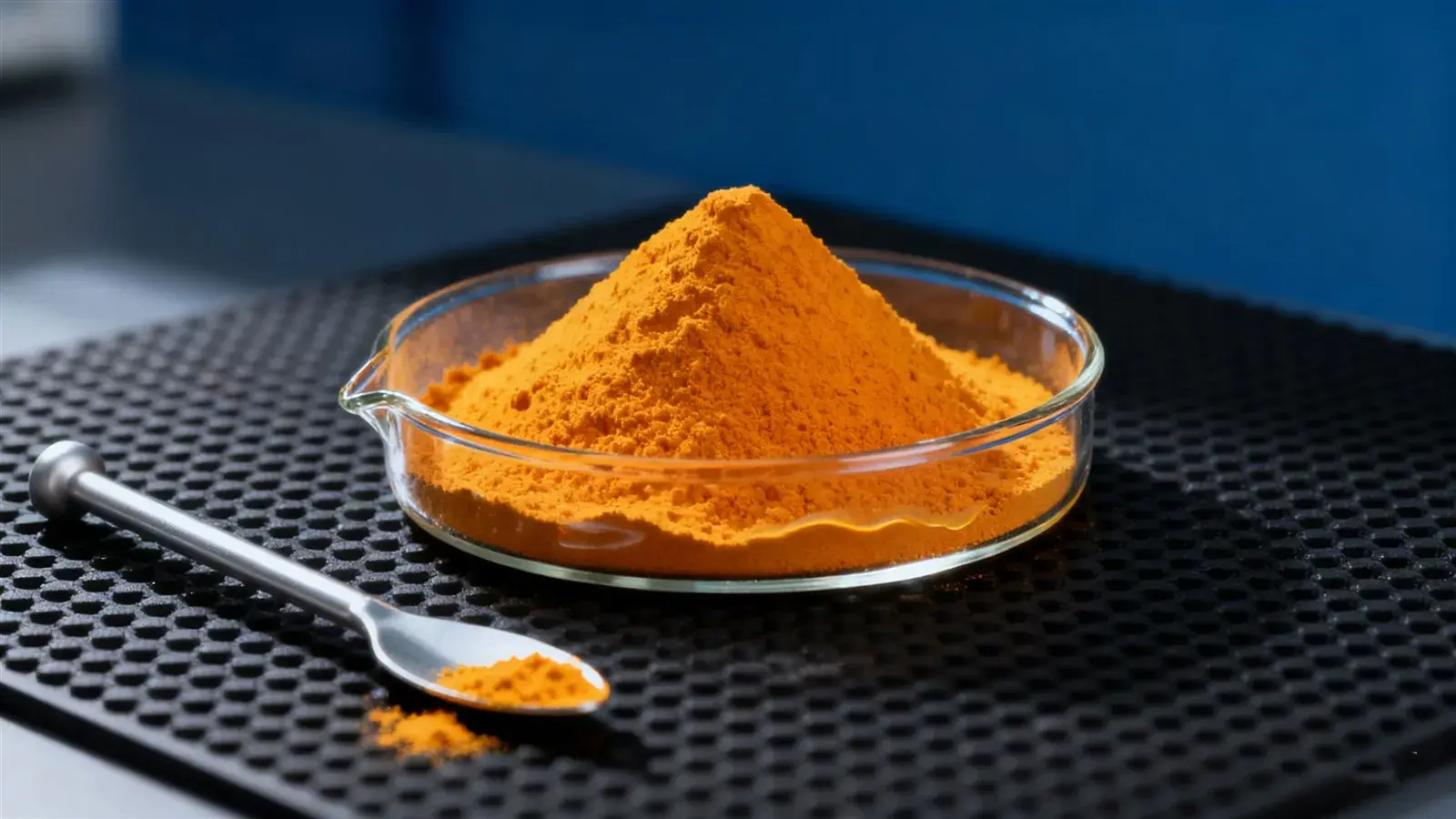
To make drinks with liposomal coenzyme Q10 powder, you need to know how its special chemical and physical properties work in mixed drinks. The water in our product mixes very easily with it, turning it into a solid, milky-white, partially clear emulsion right away. This feature gets rid of common manufacturing issues that come up with regular CoQ10 powders, like oil rings, phase separation, or sediment buildup.
Formulation Stability Across pH Ranges
The pH of drinks ranges from very acidic fruit drinks (pH 2.5–3.5) to neutral sports drinks (pH 6.5–7.5). Our liposomal coenzyme q10 powder has phospholipid spheres that keep their shape across this range. This keeps the active ingredient inside from breaking down due to oxidation and pH-induced breakdown. Our SGS-certified lab tests for stability and prove that formulations are still more than 95% effective after six months at room temperature, meeting the standards for business beverage distribution. The liposomes can handle temperatures up to 72°C for 15 seconds without breaking or losing a lot of their active ingredients. This thermal and mechanical tolerance also applies to scalding processes.
Optimal Dosing for Beverage Formats
Based on therapeutic goals, clinical data show that 100–300 mg of CoQ10 every day is a useful supplement range. Manufacturers of functional drinks usually aim for 50–100 mg per dose to find a good mix between effectiveness and cost-effectiveness. Our liposomal powder has at least 70% pure CoQ10 in it, which lets you figure out the exact dose. About 143mg of our powder would be needed to make a single-serve ready-to-drink bottle with 100mg of active CoQ10. This is an amount that can be easily added without changing the taste, color, or flavor. Because it is more bioavailable, smaller doses can reach the same plasma levels as bigger doses of normal forms. This gives formulators more options and lower costs.
Interaction Considerations with Other Ingredients
To make good drinks, you need to know which ingredients work well together and which ones don't. It has been shown that our liposomal coenzyme Q10 powder works well with functional drink ingredients like electrolytes, plant extracts, natural sweeteners, and B vitamins. When mixed with other fat-soluble nutrients, the sunflower phospholipid carrier actually makes it easier for the body to absorb them. This opens the door for placing products with more than one use. Formulators should stay away from chelating agents or surfactants that are too concentrated, as they may make liposomal structures less stable. However, normal beverage amounts don't cause any problems based on our thorough compatibility testing.
Procurement Considerations for Liposomal Coenzyme Q10 Powder in B2B Markets
For strategic ingredient buying, you need to look at sources in a number of areas, such as their technical skills, how reliable their supplies are, how well they follow regulations, and how flexible their partnerships are for liposomal coenzyme q10 powder.
Supplier Evaluation Criteria
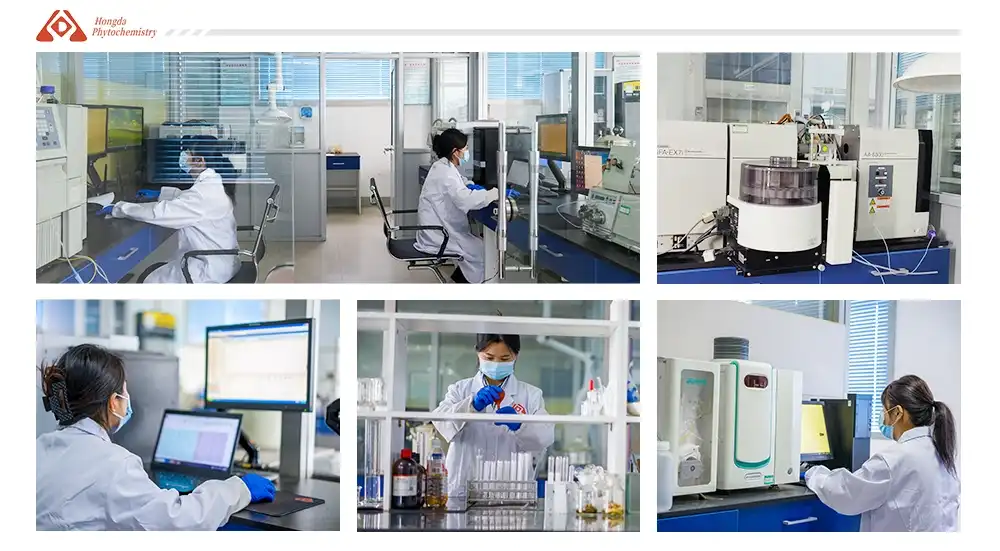
Procurement managers should check the manufacturing infrastructure, analytical skills, and quality systems of possible liposomal coenzyme q10 powder vendors. Our factory in Shaanxi, China, is 20,000 square meters big and has more than ten modern production lines, 100,000-level cleaning workshops, and more than 3,000 tons of annual capacity. More than twenty Ph.D.-level scientists work in the combined SGS-standardized laboratory. They use HPLC, GC, UV spectrophotometry, and atomic absorption tools to make sure that each batch is the same. From growing the raw materials at our controlled planting bases to checking the finished product, this vertical integration gives us quality control and traceability that contract makers and ingredient distributors can't match.
Geographic Considerations and Supply Chain Reliability
While European and North American suppliers are closer, Asian makers are becoming able to give similar quality at reasonable prices and with strong logistics support. Shaanxi Hongda Phytochemistry Co., Ltd. has built strong shipping relationships that allow it to consistently send goods to ports in the United States, with ocean freight wait times of 25 to 35 days. Our 3,000-square-meter building keeps enough stock to fill orders quickly, and the low minimum order amount of just 1 kg makes it possible for both small-scale production and testing new recipes. This gives drink designers the freedom to test how well ingredients work in small amounts before making big purchases.
Pricing Dynamics and Value Assessment
Pharmaceutical-grade liposomal coenzyme Q10 powder costs between $280 and $450 per kilogram on the market right now, based on the size of the order, the certification standards, and the customization needs. Even though it costs more than regular CoQ10, the higher bioavailability makes the price worth it when you figure out the cost-per-effective-dose. When you buy in bulk or work with an original equipment manufacturer (OEM), you can cut unit costs by 15% to 25%, which is good for formulating high-volume drinks. During the supplier review process, procurement teams should ask for thorough technical paperwork, stability data, and bioavailability studies to back up claimed performance benefits and make sure they are in line with product development goals.
Ensuring Safe and Effective Use of Liposomal Coenzyme Q10 Powder in Beverages
Making useful drinks available to the public depends on making sure the products are safe and following the rules for liposomal coenzyme q10 powder. The safety profile of coenzyme Q10 has been widely studied and found to be very good across a wide range of groups.
Safety Profile and Population Considerations
There have been a few reported side effects from taking CoQ10 supplements in clinical tests, with mild stomach reactions happening about once every few days being the most common. Because liposomal transport makes it easier for drugs to be absorbed, smaller amounts are needed to reach the target plasma concentrations. This makes the safety margin even bigger. Beverage makers should put the right information on the labels for people who take blood thinners because CoQ10 might combine with warfarin therapy, though the clinical significance is still being discussed. Women who are pregnant or breastfeeding are another group that should follow careful supplementation advice, even though there isn't much evidence that it's harmful.
Regulatory Frameworks Across Key Markets
In the US, CoQ10 is considered a nutritional ingredient under DSHEA rules, which means that it can be added to functional drinks without getting pre-market approval as long as the structure-function claims don't include disease treatment claims. CoQ10 is regulated in European markets as either a new food or a food additive, based on how it is made and how much is taken. Each member state has its own guidelines for the maximum daily intake. Our wide range of certifications, such as FDA registration, EU organic certification, and GRAS status paperwork, makes it easier for businesses around the world to follow the rules. To make the process of getting your product approved faster, we offer custom regulatory support packages that include ingredient specs, safety data sheets, and recommended label language.
Quality Documentation Supporting Market Authorization
To meet their own quality standards and legal requirements, beverage makers need a lot of technical paperwork. Our liposomal coenzyme Q10 powder comes with batch-specific Certificates of Analysis that show the active ingredient level (usually 73.1% compared to a target of ≥70%), particle size distribution, moisture content, heavy metal screening results, and bacteria testing results for each package. We keep full records of where our raw materials come from to where they are packed at the end so we can quickly answer any quality questions. Third-party validation through SGS and Eurofins labs gives the independent confirmation that many procurement departments need. This builds trust throughout your supply chain and meets the needs of your store vendors.
Conclusion
The addition of liposomal coenzyme q10 powder is a big step forward in the development of functional drinks. It solves long-standing problems with solubility, stability, and interaction with other ingredients. As the need for science-based, effective health products grows, beverage companies must use cutting-edge delivery technologies to set their goods apart and support their high prices. Liposomal CoQ10's high absorption rate, pharmaceutical-grade quality standards, and ability to be mixed in a variety of ways make it possible for product developers to make drinks that are truly useful and offer real health benefits. When purchasing managers build partnerships with qualified suppliers that have strong technical skills, a wide range of certifications, and reliable supply lines, they set up their companies to stay ahead of the competition in this rapidly changing market segment.
FAQ1. How does liposomal encapsulation specifically enhance CoQ10 absorption?
Liposomes have a phospholipid bilayer structure that is very similar to the membranes of human cells. This lets them fuse and move contents directly without needing to be broken down by enzymes. This system lets CoQ10 molecules get around the poor passive diffusion that limits other forms, using instead active membrane transport routes. The pharmacokinetic studies show that liposomal transport increases overall bioavailability by 300–500%. This means that the drug is available to the body 300–800% longer after it is consumed compared to six to eight hours after standard ubiquinone.
2. Can liposomal CoQ10 powder withstand typical beverage processing conditions?
In order to make our recipe stable through pasteurization (72°C/15 seconds), blending, and carbonation processes, it was specially designed for use in drinks. Under these conditions, the liposomes keep their shape and have an encapsulation efficiency of above 85%, which guarantees stable product performance. Stay away from temperatures above 80°C or pH levels below 2.0 or above 9.0 for a long time, as they can make vesicles less stable. However, these conditions don't happen very often in commercial beverage recipes.
3. What certifications should buyers verify when sourcing liposomal CoQ10?
Pharmaceutical-grade standards like cGMP, ISO 22000, and FSSC 22000 show that quality control systems are strong. Certifications like Halal and Kosher make it easier for goods that are aimed at certain groups of people to reach more customers. Organic approval proves that the food is free of GMOs and comes from safe sources. Ask for third-party testing records from reputable labs like SGS, Eurofins, and Intertek to confirm the claimed specs. This is especially important for heavy metals, pesticide residues, and microbial pollution, which are important for following the rules and keeping consumers safe.
Partner with Hongda for Premium Liposomal Coenzyme Q10 Powder
Hongda Phytochemistry has been making plant extracts and pharmaceutical-grade products for 20 years, so beverage companies looking for a reliable liposomal coenzyme Q10 powder maker can count on them. Our advanced secondary micro-encapsulation technology gives your goods unmatched solubility, formulation stability, and quality consistency that sets them apart in the functional beverage market. Whether you're making recipes for energy drinks, beauty drinks, or sports recovery drinks, our expert team can help you all the way from the initial formulation optimization to commercial-scale production. To get product samples, talk about OEM/ODM customization options, and get reasonable bulk prices, email our procurement experts at duke@hongdaherb.com. We make it easy to test how well ingredients work and speed up your innovation process by requiring only a 1 kg minimum order and full certification paperwork.
References
1. Pravst, I., Zmitek, K., & Zmitek, J. (2020). "Coenzyme Q10 contents in foods and fortification strategies." Critical Reviews in Food Science and Nutrition, 60(15), 2589-2606.
2. López-Lluch, G., Del Pozo-Cruz, J., Sánchez-Cuesta, A., Cortés-Rodríguez, A. B., & Navas, P. (2019). "Bioavailability of coenzyme Q10 supplements depends on carrier lipids and solubilization." Nutrition, 57, 133-140.
3. Mantle, D., & Dybring, A. (2020). "Bioavailability of Coenzyme Q10: An Overview of the Absorption Process and Subsequent Metabolism." Antioxidants, 9(5), 386.
4. Judy, W. V., Stogsdill, W. W., & Folkers, K. (2018). "Myocardial preservation by therapy with coenzyme Q10 during heart surgery." Clinical Investigator, 71(8 Suppl), S155-S161.
5. Díaz-Casado, M. E., Quiles, J. L., Barriocanal-Casado, E., González-García, P., Battino, M., López, L. C., & Varela-López, A. (2019). "The Paradox of Coenzyme Q10 in Aging." Nutrients, 11(9), 2221.
6. Hosoe, K., Kitano, M., Kishida, H., Kubo, H., Fujii, K., & Kitahara, M. (2018). "Study on safety and bioavailability of ubiquinol after single and 4-week multiple oral administration to healthy volunteers." Regulatory Toxicology and Pharmacology, 47(1), 19-28.