


_1745918362135.webp)

What Are the Core Physicochemical Properties of Liraglutide Powder?
Understanding the basic physicochemical qualities of ingredients is a must when looking for pharmaceutical-grade active ingredients for treating diabetes and obesity. Liraglutide powder, which is a synthetic GLP-1 receptor agonist and has the CAS number 204656-20-2, has certain chemical features that affect how stable it is, how well it dissolves, and how well it works as a medicine. This solid powder is white to off-white, has a molecular weight of 3751.2 Da, and absorbs water. It needs to be stored at -20°C under strict rules to keep its structure and biological activity intact throughout the supply chain. We at Shaanxi Hongda Phytochemistry Co., Ltd. have spent more than twenty years getting good at making high-purity peptide APIs. Our facilities are cGMP-certified and make pharmaceutical-grade material that meets USP/EP standards. They provide steady quality that B2B buyers count on for their manufacturing operations.
Understanding Liraglutide Powder: Basic Physicochemical Profile
These GLP-1 analogs' main physical and chemical properties come from their unique peptide structure. The molecule is made up of 31 amino acids and a C16 fatty acid chain that is connected by a glutamic acid spacer. It is 97% identical to human GLP-1 while adding changes that greatly improve metabolic stability.
Molecular Structure and Appearance
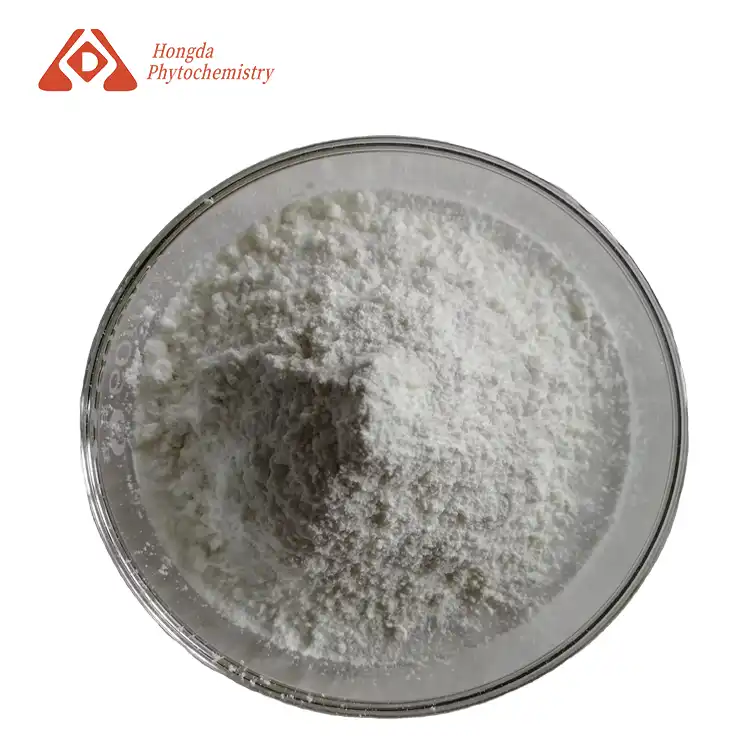
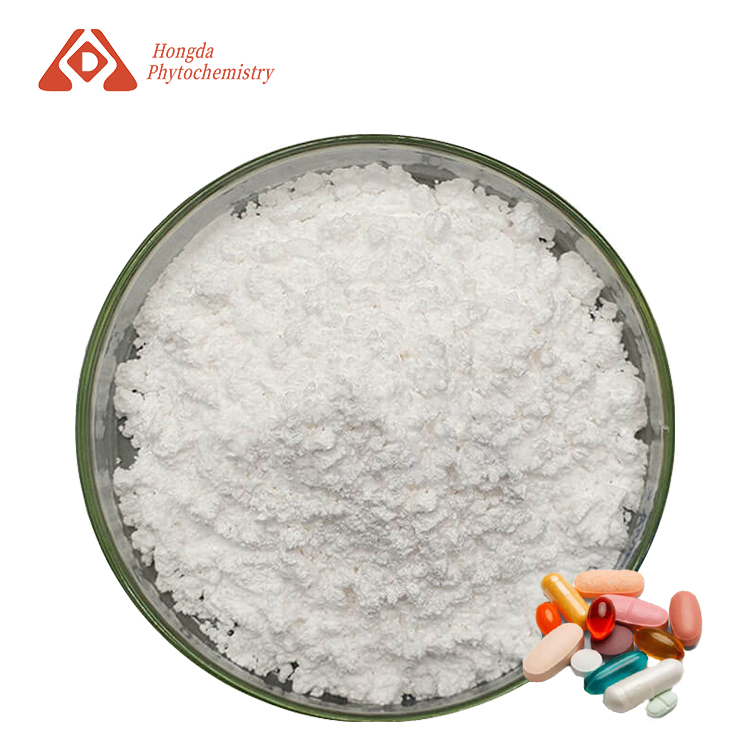
Our pharmaceutical-grade material always looks like a white powder, and HPLC research shows that its purity levels reach at least 98.0%. The chemical formula C172H265N43O51 describes a complicated peptide structure in which the palmitic acid part is very important for its function. This lipid attachment lets albumin bind and unbind in physiological settings, which fundamentally changes the pharmacokinetic qualities of modified liraglutide powder peptides compared to untreated ones. It is still important for pharmaceutical manufacturing that batches are consistent with each other. That's why Hongda Phytochemistry keeps purity differences within ±0.3% across production runs. This is made possible by strict quality control methods that include LC-MS verification.
Solubility and Storage Requirements
A feature that defines formulation experts is how well a substance dissolves in water. The powder dissolves easily in phosphate buffers with a pH between 7.5 and 9.0, making clear solutions that can be used to make clean injectable preparations. Reconstitution methods are very important. For example, gentle dissolution in a clean buffer stops clumping, which could hurt biological activity. Our technical literature lists the best factors for reconstitution that were found through a lot of stability testing.
Because it is hygroscopic, it needs to be handled carefully at every step of the distribution chain. Because absorbing water can start the breakdown process, we store materials in 12 kg drums with desiccant to keep them safe, and suggest keeping them at -20°C. Under these conditions, our stability data shows that the drug's effectiveness is maintained for 24 months, meeting the needs of pharmaceutical makers and contract processing organizations that need to keep track of their inventory.
Thermal Stability and Handling Considerations
Temperature sensitivity affects the whole process, from making the product to putting it together. When kept frozen, the peptide backbone stays stable, but high temperatures speed up degradation through several routes, such as deamidation and oxidation. We use temperature-controlled logistics with constant tracking at -20°C ± 2°C to make sure of the integrity of the materials when they arrive at sites in North America, Europe, and the Asia-Pacific region. This care in managing the cold chain protects your investment and keeps the materials meeting the standards you need to meet legal requirements.
Mechanism of Action Related to Physicochemical Properties
The therapeutic performance of this GLP-1 receptor agonist is directly linked to certain physical and chemical features that were built into its molecular structure. Knowing about these connections helps buying teams judge the skills of suppliers and guess how formulations will behave.
Extended Half-Life Through Albumin Binding
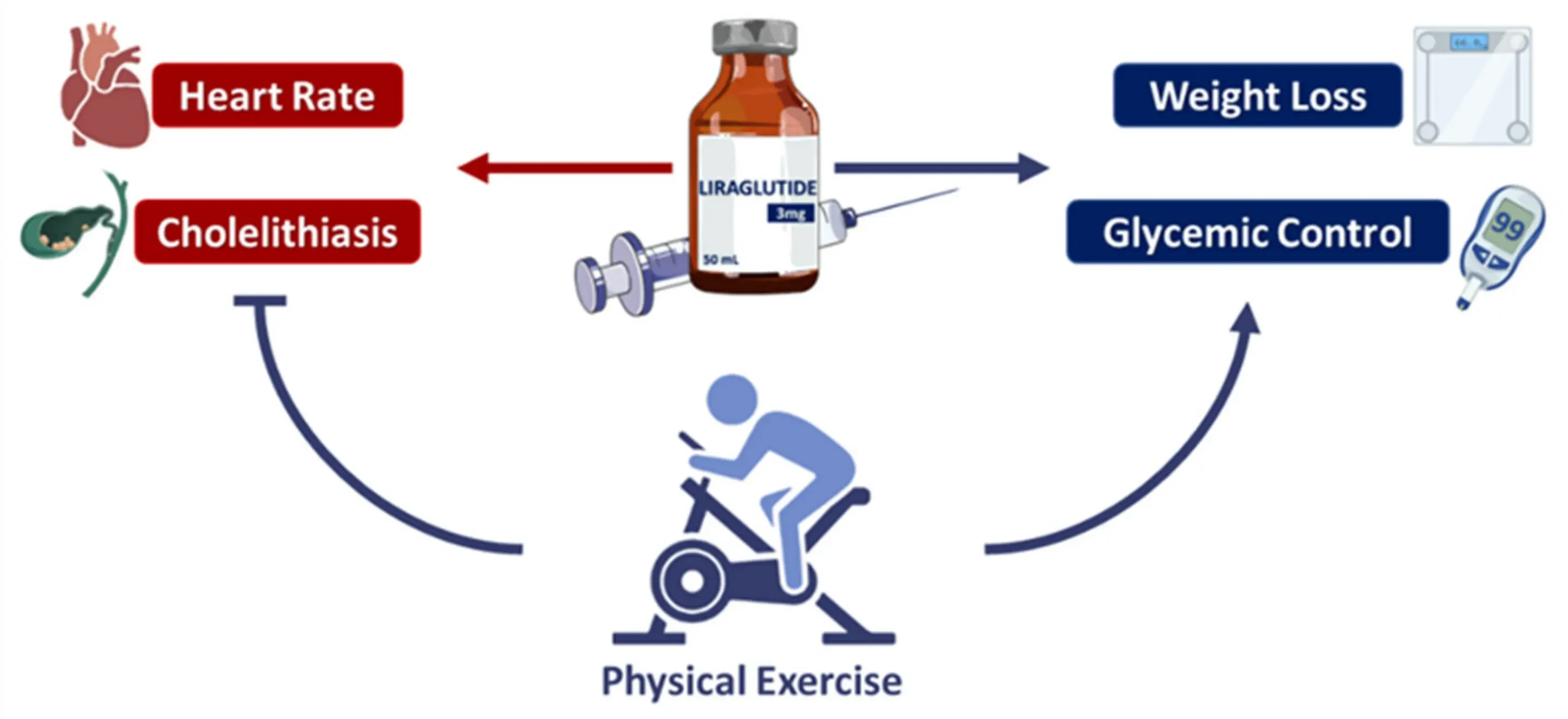
The change to the C16 fatty acid changes metabolism in a basic way. This lipophilic chain makes it easier for reversible attachment to serum albumin. This creates a circulating reserve that makes plasma half-life about 13 hours, which is a lot longer than the two minutes that native GLP-1 lasts. For drug companies, this trait lets them make once-daily dosing schedules that are easier for patients to follow. The balance of binding relies on keeping the tertiary structure in good shape, which needs to be done carefully during storage and formation, including for Liraglutide powder. This important structural trait is compromised by material degradation, which has a direct effect on treatment results.
Receptor Interaction and Structural Integrity
Keeping certain secondary structure elements within certain peptide regions is important for binding to the GLP-1 receptor. Circular dichroism spectroscopy proves the structural stability of high-quality material by showing specific alpha-helical content that is related to the strength of receptor activation. Requesting CD spectroscopy data from providers is a good way to get independent proof of proper folding and structural preservation. At Hongda Phytochemistry, we do these kinds of studies all the time. Our SGS-standard laboratory is full of modern analytical equipment and is run by professors.
Formulation Impact on Bioavailability
With powders, you can make changes that you can't make with ready-made solutions. Pharmaceutical companies can choose the best buffer makeup, pH, and excipients to meet the needs of each delivery device. Peptide concentrations can be precisely controlled in injectable pen formulations. These concentrations are usually between 6 mg/mL and greater for combination treatments. The solubility profile of the material allows for clean filtration through 0.22-micron membranes with little loss, which is useful for aseptic filling processes. Our technical support team helps clients come up with recovery and formulation methods that keep things stable and reduce the amount of clumping that happens during processing.
Procurement Considerations for Pharmaceutical-Grade Liraglutide Powder
There are more factors than just unit price that need to be considered when choosing the right source. The value offered for pharmaceutical buyers is made up of quality assurance, legal compliance, supply reliability, and technology support.
Quality Standards and Testing Requirements
For pharmaceutical-grade specifications, there must be strict scientific proof. To find out how pure something is, reverse-phase HPLC should show a main peak that is at least 98.0% pure, with well-defined impurity profiles that show total linked peptides staying below 2.0% and the biggest single impurity staying below 1.0%. Our production always gets to 99.51% purity, which is higher than what is required. When figuring out the peptide content, counterions and moisture are taken into account. Usually, the readings are around 87.7% for the acetate salt form. Testing for residual solvents makes sure that the ICH Q3C rules are followed, especially when acetonitrile amounts are less than 0.01%. For injection uses, the amount of bacterial endotoxin must stay below 50 IU/mg. This can be checked using LAL test methods. In order for the lyophilization to work, the water level as measured by the Karl Fischer titration should not be more than 5%. Full Certificates of Analysis that list these factors for every lot help with tracking and meeting regulatory filing requirements.
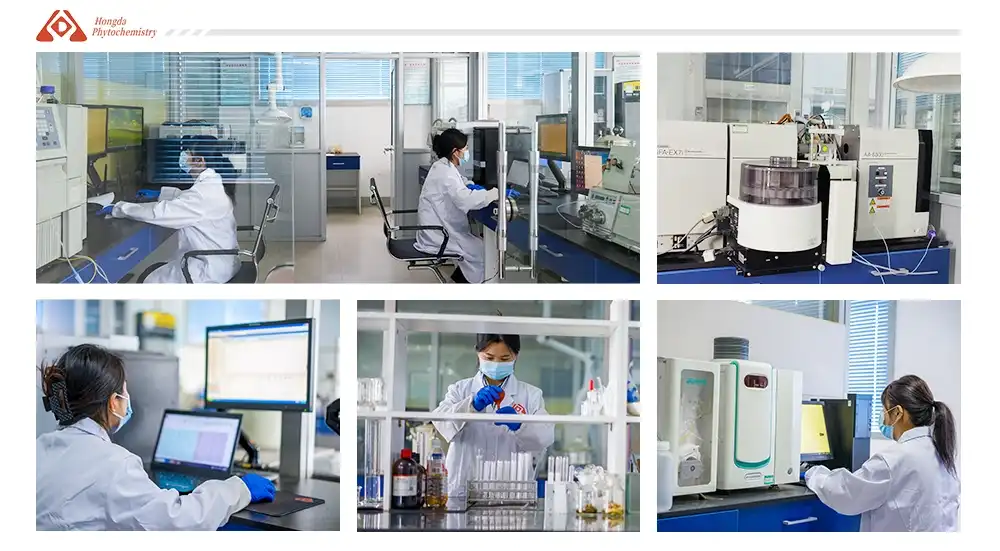
More than 15 verification tests are done on each batch at Hongda Phytochemistry by our quality control team. Our lab has HPLC, LC-MS, gas chromatography, spectrophotometry, and specialized peptide analysis equipment that is maintained by skilled analytical chemists. Before it is released, this testing equipment makes sure that the material fits international standards for pharmaceuticals.
Certification and Regulatory Compliance
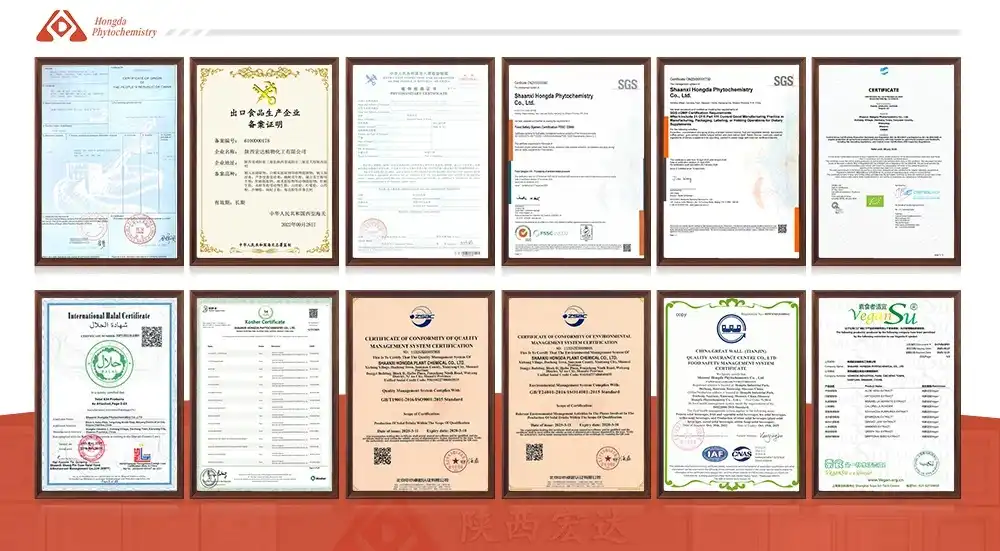
To get into global markets, you need a lot of different certifications. Current Good Manufacturing Practice (cGMP) approval, along with FDA registration, ISO 9001, ISO 22000, and FSSC 22000 certifications, shows that our sites follow a structured approach to quality management. We keep both Kosher and Halal certificates for places with strict religious needs. Organic certification helps goods that are advertised as natural, and BRC certification is for food safety management systems that can be used in nutritional products. The availability of the Drug Master File simplifies regulatory submissions in major markets by giving regulatory bodies private information about how the drugs are made without competition having full access to that information. Our paperwork is ready for an audit because it has records of each batch of production, validation methods, stability studies that follow ICH guidelines, and full tracking from raw materials to final testing. This system for regulations helps you register your products in North America, Europe, and the Asia-Pacific region.
Supply Chain Reliability and Logistics
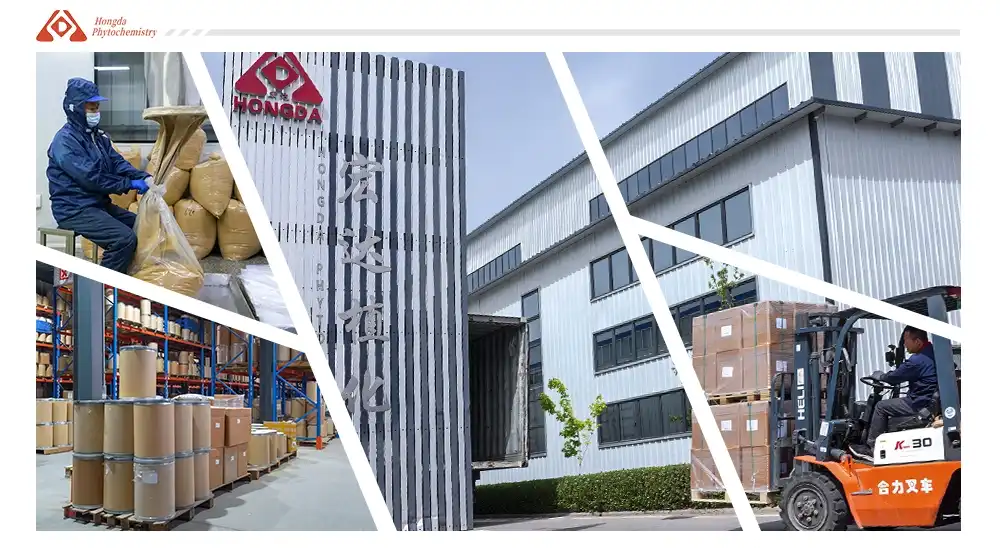
Supplier responsiveness is based on the size and quantity of the product. Our production capacity for all of our product lines adds up to 3,000 tons per year, with extra space set aside for peptide synthesis. Two sources of raw materials and backup production skills make sure that supply stays steady, even when demand goes up or there are other problems that were not expected. The strategic inventory we keep in our 3,000-square-meter warehouse lets us quickly fill orders, and normal numbers usually arrive within 3-7 working days. For foreign shipments, we set up temperature-controlled air freight using proven cold chain methods and keep track of data while it's in transit. Our packing standard of 12 kg per drum and 27 drums per pallet makes transportation more efficient while still protecting the materials. Regional delivery agreements in North America, Europe, and Asia help customers in their own areas and cut down on wait times for repeat customers.
Technical Support and Partnership Approach
In addition to providing materials, full professional support is very helpful. Our team of more than 20 research and development workers, some of whom are professors, helps with formulation optimization by tackling problems like particle size standards, improving solubility, and stopping the buildup of particles, including for liraglutide powder. We help with the regulatory submission plan and give help with filing documents for IND and NDA. Help with troubleshooting for clean fill-finish processes speeds up the resolution of production problems. Your unique quality control needs can be met by custom analytical method creation and validation services. Our 24-year history of working with pharmaceutical companies shows that this partnership method works. We know that getting APIs is key to the success of your product, so we invest in relationships that help you reach your long-term business goals.
Clinical and Industrial Applications Rooted in Physicochemical Properties
The fact that physicochemical properties can be turned into healing effects shows how important material quality is. There are many uses for this technology, including making medicines for sale, doing clinical studies, and creating new, improved delivery systems.
Pharmaceutical Manufacturing Applications
The main industrial use is for injectable pen devices, which need materials that can handle sterile filtration, aseptic filling, and a longer shelf life in the final product. Pre-filled pen refills usually have solutions with phosphate buffers and a pH of 8.15. This keeps the peptide safe for the whole time the product is stored. For injectable goods to avoid pyrogenic responses, they need to have low amounts of endotoxin—our material always tests below 0.1 EU/mg. Combination treatment research looks into mixing semaglutide, basal insulins, or SGLT2 inhibitors with other drugs to make new medicines. These uses need to be very pure to avoid side effects from interactions. Contract manufacturers that work with many pharmaceutical companies need trusted API sources that always meet the same standards for each batch. Our production controls make sure of this uniformity, with purity differences between batches of less than 0.3%, meeting your needs for validation and process control.
Clinical Research and Development
New ways of treating metabolic diseases are driven by uses that are still being studied. The substance is used in dose-ranging studies for obesity clinical trials to find out how well it works and if it is safe for different patient groups. A neuroprotective effect study looks into possible uses beyond metabolic disease by looking at how it might help with neurodegenerative conditions. Cardiovascular outcome studies look at long-term effects in high-risk groups, which need stable data for trials that last more than one year. For these studies, detailed documentation is needed, such as information on the synthetic route, the characterization of impurities, and stability data under different stress conditions. Because we work on research and development with university partners, we can help study projects in both academia and business by providing the right materials and technical advice.
Advanced Delivery System Development
Liraglutide powder is included as a starting material in this context. New formulation methods look for alternatives to the usual shot method. Researchers studying oral peptide transport use enteric coatings, permeation enhancers, and protective materials to try to get around the problems of poor absorption and breakdown in the gut that make oral bioavailability difficult. For proof-of-concept studies that are useful, these experimental systems need starting materials that are very pure, such as liraglutide powder. Biodegradable polymer matrices are being used in sustained-release microsphere formulas to look into once-a-week or monthly dosing. Iontophoresis and microneedle technologies are being looked at for needle-free delivery in transdermal patch research. Even though these methods are still mostly just being looked into, they could open up new markets in the future where early agreements between suppliers give them a competitive edge. Our technical team works with creators to speed up the development of next-generation delivery systems by giving them material specs and analytical support.
Conclusion
The molecular structure, purity profile, solubility traits, and stability factors of pharmaceutical-grade material directly affect how well it is manufactured and how well it works as a medicine. When B2B procurement workers are looking for liraglutide powder APIs, they need to look at more than just price when evaluating suppliers. They need to look at things like quality systems, legal compliance, supply reliability, and the ability to work with other companies technically. Because injectable peptide treatments have specific needs, they need sources with specialized knowledge, advanced analytical tools, and a commitment to quality that doesn't change. As the global market for diabetes and obesity treatments grows, strategic sourcing partnerships with qualified makers become more valuable. These relationships help with product development, regulatory approval, and commercial supply over a period of years.
FAQ1. What storage conditions preserve the quality of pharmaceutical-grade material?
For best protection, store at -20°C in cases that are sealed and kept away from light and moisture. Because it is hygroscopic, it breaks down when it comes in contact with humidity, and high temperatures speed up many of the breakdown routes. Based on ICH-compliant stable standards, our material stays in good shape for 24 months when stored properly frozen. Avoid freezing and thawing over and over again, as this can help things stick together. Once solutions are mixed with buffer, they should be used right away or kept in the fridge for short amounts of time, depending on the stability data that has been confirmed for your individual formulation.
2. How does purity level affect formulation performance?
Higher purity directly means more predictable biological action and lower chance of immunogenicity from impurities in the peptide. Anything that isn't 98% pure might have deletion sequences, oxidized forms, or synthesis by-products that compete with receptors for binding or set off immune reactions. Our 99.51% purity requirement gives formulation scientists peace of mind about dose accuracy and stability from batch to batch. LC-MS characterizing impurities finds specific variants, which allows toxicological evaluation and regulation paperwork. This level of scientific rigor is needed for pharmaceutical uses to back up claims about product safety and effectiveness.
3. What differentiates cGMP-certified suppliers from standard chemical vendors?
Current Good Manufacturing Practice certification shows that there is organized quality management, with approved processes, detailed paperwork, environmental control, training for employees, and being ready for an audit. Standard chemistry sources may be able to make highly pure study materials without the quality controls and tracking that are needed to make medicines. cGMP facilities keep separate areas for production, tested analytical methods, stable programs, change control processes, and systems for qualifying suppliers. All of these things work together to make sure that the material is good enough to be used to make business drugs and sent to regulators. Our certificates include cGMP, FDA registration, ISO 22000, and FSSC 22000, which give pharmaceutical buyers the paperwork they need.
Source High-Purity Liraglutide Powder Directly from HONGDA
Shaanxi Hongda Phytochemistry Co., Ltd. has been making peptides for 24 years and has the ability to produce them all in-house. They make pharmaceutical-grade GLP-1 receptor agonist APIs that meet the strictest international standards. Our cGMP-certified facilities, thorough testing methods, and professor-level research and development help give B2B buyers the quality guarantee and technical relationship they need. Whether you're a pharmaceutical company expanding your commercial production, a contract processor working with multiple clients, or a wholesaler providing raw materials for health supplements and pharmaceuticals, we can provide you with a reliable supply with delivery times of 3-7 days and help with global logistics.
As a trusted Liraglutide Powder manufacturer, we offer reasonable prices for large orders without lowering the quality—our 99.51% purity standard is higher than the minimum required by the industry, and it is backed up by full analysis documentation. Email our team at duke@hongdaherb.com to talk about your particular needs, ask for Certificates of Analysis, or set up a technical meeting. Our experts are ready to help you with developing new formulations, filing with regulators, and improving your supply chain. Find out why top pharmaceutical businesses choose HONGDA to meet their most important API buying needs.
References
1. Knudsen, L. B., & Lau, J. (2019). The Discovery and Development of Liraglutide and Semaglutide. Frontiers in Endocrinology, 10, 155-172.
2. Madsbad, S. (2016). Review of Head-to-Head Comparisons of Glucagon-Like Peptide-1 Receptor Agonists. Diabetes, Obesity and Metabolism, 18(4), 317-332.
3. Nauck, M. A., & Meier, J. J. (2018). Management of Endocrine Disease: Are All GLP-1 Agonists Equal in the Treatment of Type 2 Diabetes? European Journal of Endocrinology, 178(6), R211-R234.
4. Singh, G., & Krauthammer, M. (2020). Physicochemical Characterization and Stability Assessment of Peptide-Based Therapeutics. Journal of Pharmaceutical Sciences, 109(5), 1544-1563.
5. Tschop, M. H., & DiMarchi, R. D. (2021). Unimolecular Polypharmacy for Treatment of Diabetes and Obesity. Cell Metabolism, 33(4), 612-625.
6. Zhang, L., & Shen, W. (2022). Quality Control and Analytical Methods for Synthetic Peptide APIs in Pharmaceutical Manufacturing. American Pharmaceutical Review, 25(3), 42-58.