


_1745918362135.webp)

What Are the Key Benefits of Liposomal Glutathione Powder?
The invention of Liposomal Glutathione Powder is a huge step forward in the field of antioxidant supplements. This special mix includes reduced glutathione, which is the body's main antioxidant, and phospholipid bilayer coating to get around the solubility problems that have long stopped people from taking glutathione supplements by mouth. Pharmaceutical-grade solutions that are 10-15 times more effective at absorption than regular glutathione powder have been made by companies like Shaanxi Hongda Phytochemistry Co., Ltd., using advanced nano-encapsulation techniques. This new idea fills in a big hole in nutritional science. It will help people who work in the nutraceutical, cosmetics, and pharmaceutical industries make goods with doses that make sense in the real world and results that can be predicted. The powder form can be used in a lot of different ways, from expensive capsules to quick drink sachets, and it stays stable and effective throughout the product's lifecycle.
Understanding Liposomal Glutathione Powder
The main difference between regular glutathione and liposomal glutathione powder is how complex the delivery system is. Traditional reduced glutathione is quickly broken down by stomach acid and gamma-glutamyl transferase (GGT) enzymes in the digestive system. This means that less than 10% of it is absorbed. Because of this biological barrier, oral supplements have not been able to reach systemic appropriate amounts in the past.
What Is Liposomal Encapsulation Technology?
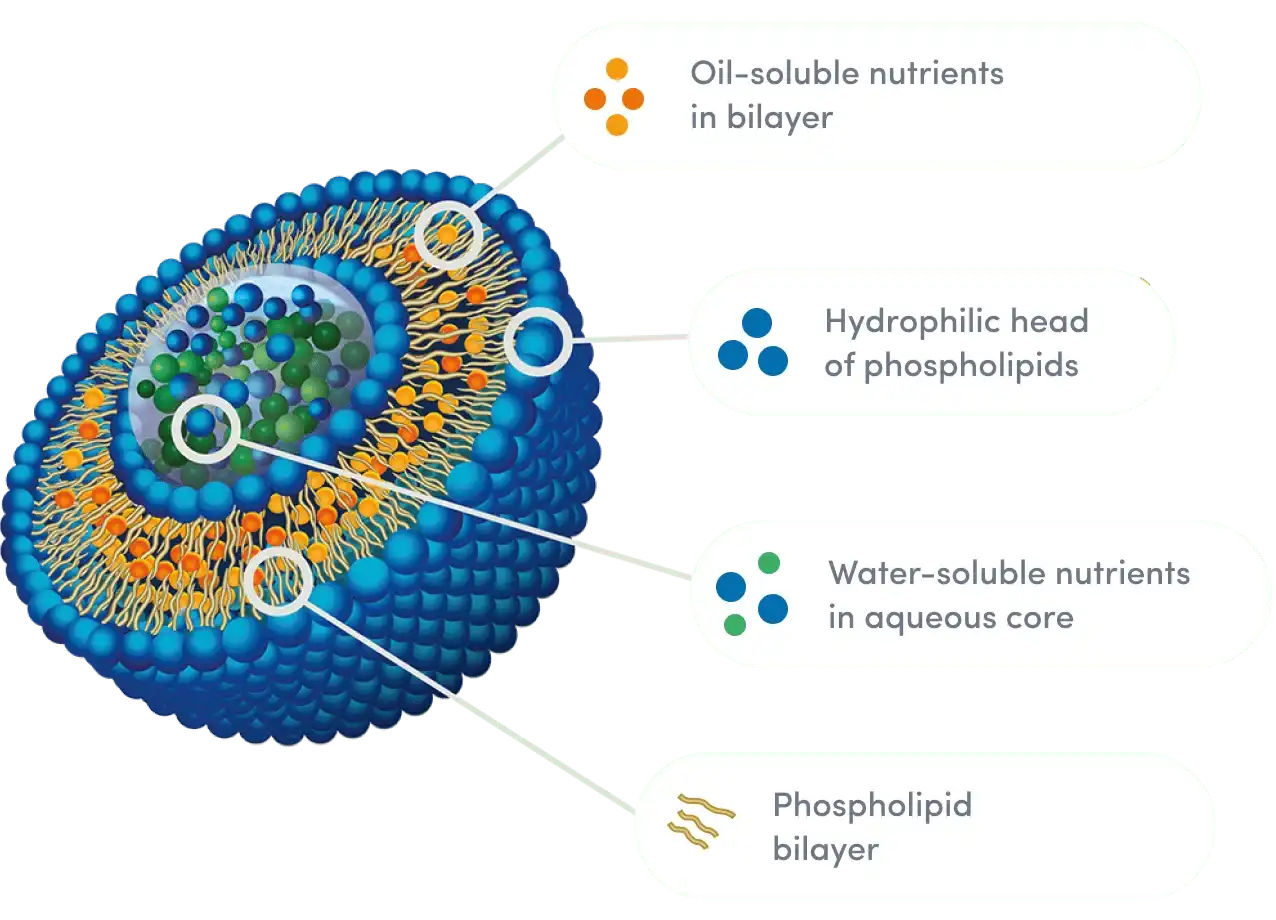
Liposomal encapsulation involves putting glutathione molecules inside very small bubble-like structures made of phospholipid bilayers. These fatty structures look like the membranes of human cells. When made correctly, they are usually 50–150nm in diameter. Dynamic Light Scattering (DLS) research shows that Hongda Phytochemistry uses high-pressure homogenization to make particle sizes that are all the same. The non-GMO sunflower lecithin phospholipid shell covers the active ingredient during digestion and makes it easier for it to move through the intestinal walls via lymphatic routes instead of the liver's first-pass metabolism.
Enhanced Bioavailability and Cellular Delivery
A clinical study shows that liposomal versions make glutathione much more bioavailable. The lipid layer lets the glutathione molecules directly fuse with enterocyte membranes, which lets the molecules get into the systemic bloodstream. Studies that compare blood plasma levels show that liposomal types cause levels to stay high for 6 to 8 hours after administration, while normal powders only cause minimal detection. This longer circulation time means better delivery inside cells, especially to areas that need it the most, like the liver, brain, and immune cells.
Composition and Specifications
Pharmaceutical-grade reduced glutathione (65-75%), non-GMO phospholipids (10–20% of high-quality formulations), and fatty acids (10–20% of high-quality formulations) are the three main ingredients. You can add cholesterol if you want to make the membranes more stable. The white to yellowish powder that is left over is lyophilized (freeze-dried) so that it can be kept safely for 24 months. Specifications for manufacturing include checking the amount of glutathione using HPLC and checking the structure of the liposomes using transmission electron microscopy (TEM). To make sure products are safe in all controlled markets, they should meet strict microbiological and heavy metal guidelines (lead ≤ 0.5 ppm, arsenic ≤ 2.0 ppm).
Key Benefits of Liposomal Glutathione Powder
Liposomal glutathione powder transport has benefits that go beyond better absorption and include a wide range of bodily systems and business uses. When procurement experts know about these benefits, they can carefully place goods in target market segments.
Superior Antioxidant and Detoxification Support
Glutathione is the body's main antioxidant inside cells. It neutralizes reactive oxygen species and makes other antioxidants, like vitamins C and E, functional again. Liposomal types are more bioavailable, which means they reach the right levels in tissues to support Phase II liver detoxification pathways. Environmental poisons, heavy metals, drug byproducts, and alcohol byproducts are broken down and neutralized by the liver using glutathione. For business-to-business uses in detox goods, this is a scientifically proven method that appeals to health-conscious customers looking for proof-based fitness solutions.
Skin Brightening and Anti-Aging Applications
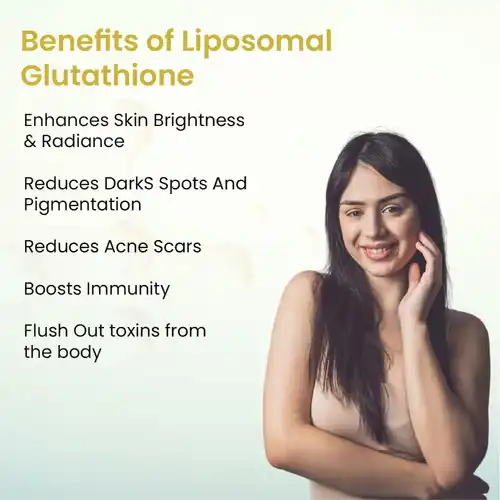
The cosmetics business knows that glutathione can stop tyrosinase from working, which is the enzyme that slows down the process of making melanin. Liposomal versions get enough of the active ingredient to melanocytes to make changes in skin tone that can be seen after 8 to 12 weeks of regular use. Glutathione does more than just control color. It also protects skin collagen and elastin from oxidative damage, which stops photoaging at the cellular level. Because of these qualities, it is needed for high-end "beauty-from-within" goods that aim for the rich oral beauty market. Formulators can market liposomal glutathione as a safe option to topical treatments, which will appeal to people who want to improve their skin's health from the inside out.
Immune System Modulation
Glutathione keeps lymphocytes working at their best, which has a direct effect on the growth of T cells and the activity of natural killer cells. Deficiency states are linked to weak defensive reactions. This is especially important for older people and people who are under a lot of stress all the time. Liposomal transport makes sure that defense cells get enough glutathione to help them deal with reactive oxygen species when they come into contact with pathogens. In the immune support category, product makers can use this process to make unique formulations that help with post-viral healing, seasonal health, and general immune resilience. These are all categories that are growing quickly in both Europe and North America.
Athletic Performance and Recovery
Oxidative stress and inflammation caused by exercise can make muscles tired and slow down healing. Taking extra glutathione lowers the damage that oxidative stress does to muscle proteins and speeds up the healing of inflammation after exercise. Studies with athletes have shown that when glutathione levels are high, muscle pain is lower, stamina markers get better, and power repair happens faster. Liposomal types can be used in pre- and post-workout supplements, recovery drinks, and endurance products by sports nutrition brands. Because phospholipids cover up glutathione's sulfur smell, the powder form mixes easily with protein blends, electrolyte mixes, and amino acid formulas without changing the taste.
Practical Guidelines for Usage and Dosage
To make execution work well, you need to know the right dosing methods, when to give them, and how to store liposomal glutathione powder so that the integrity of the product is maintained throughout the distribution chain.
Recommended Dosages by Application
Dosage suggestions change depending on the purpose and group of people being treated. For general antioxidant support, you need about 250 to 500 mg of basic glutathione every day. A lot of skin-brightening products use 500 to 1000 mg every day for 12 weeks to see results. Formulations for athletic ability may use 500 mg before or after a workout. As part of clinical detoxification programs, divided amounts of 1000 mg to 2000 mg per day are sometimes suggested. However, these intense plans should be supervised by a medical professional. When making finished goods, you need to take into account the glutathione percentage in the liposomal powder. For example, a 70% specification needs about 715 mg of powder to give 500 mg of glutathione.
Administration Best Practices
Liposomal glutathione powder is best absorbed when taken on an empty stomach, preferably two hours or thirty minutes before a meal. This timing keeps absorption routes from being crowded by food fats and proteins. When making quick drinks, tell people to mix the powder with cool or room-temperature water because too much heat can damage the structure of the liposomes. When mixed with vitamin C (100–500 mg), it improves glutathione recycling, which makes the antioxidant last longer. High-dose iron supplements should not be taken at the same time as liposomal glutathione powder because they may cause oxidative processes that work against glutathione's protective benefits.
Storage and Handling Protocols
Because glutathione can be oxidized, it needs to be stored in very strict ways throughout the supply chain. Bulk powder should be kept in triple-layer aluminum foil containers that are flushed with nitrogen and kept at a controlled room temperature (15–25°C) away from direct light and moisture. Once a container is opened, it needs to be resealed so that air doesn't get inside. Individual sachets or clear boxes with desiccants are good ways to package finished goods. A less than 5% decline over the claimed shelf life should be shown by stability tests. When it comes to transportation operations, things should not be exposed to high temperatures for long periods of time, especially in tropical areas or during the summer. These standards make it even more important to work with sellers who know how to handle sensitive food ingredients.
Safety Considerations and Quality Assurance
Liposomal glutathione is well-tolerated in clinical tests under the recommended usage conditions. Full Certificates of Analysis (COAs) should show that the glutathione level was checked using HPLC, that liposomes formed using TEM images, and that heavy metal and microbial testing results were recorded.
Strategic Procurement Insights for B2B Clients
Quality security, supply chain stability, and cost optimization are all important parts of good sourcing strategies for Liposomal Glutathione Powder. It's also important to be able to adapt to changing market needs.
Identifying Reliable Suppliers
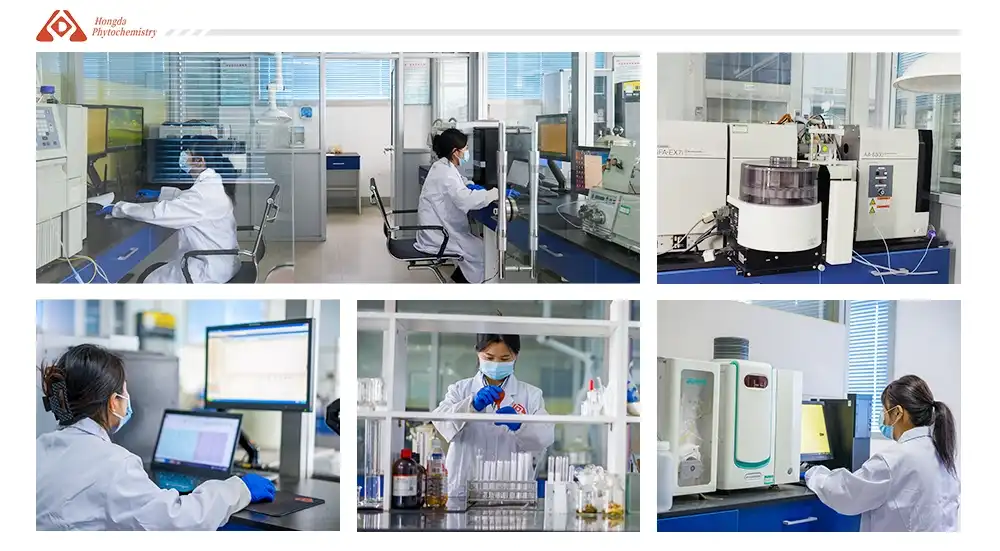
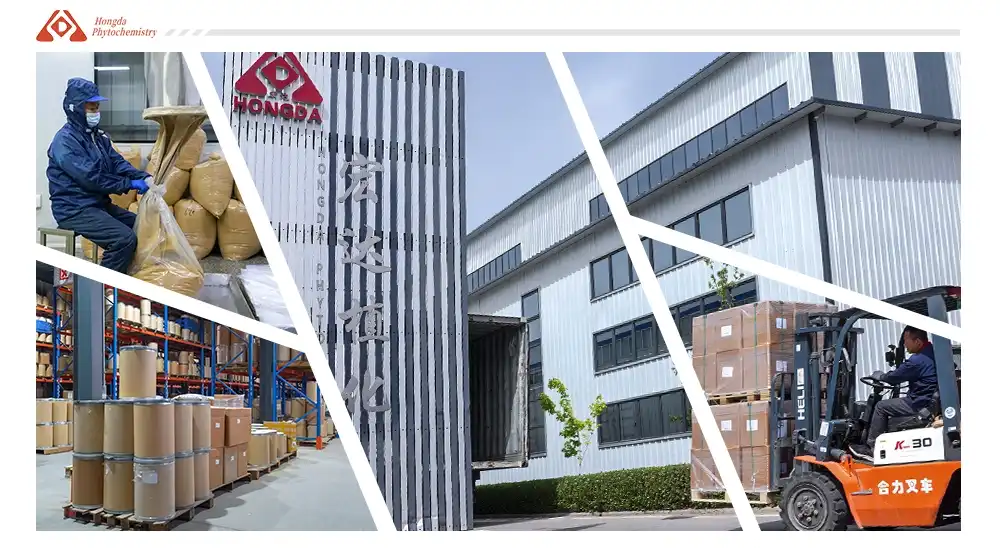
The first step in evaluating a supplier is to make sure they have the right construction skills and safety certifications. Facilities should have their own analysis labs with HPLC, UV-Vis spectrophotometers, and particle size analyzers, as well as separate lines for making plant extracts and powders in clean rooms. Shaanxi Hongda Phytochemistry Co., Ltd. has a production center that is 20,000 square meters big and has over 10 modern extraction lines, 100,000-level filtering workshops, and partnerships with university research teams to keep coming up with new products. Suppliers who are open and honest let you inspect their facilities, share original scientific data that isn't included in standard COAs, and keep records that show how finished product batches are linked to the sources of raw materials.
Critical Certification Requirements
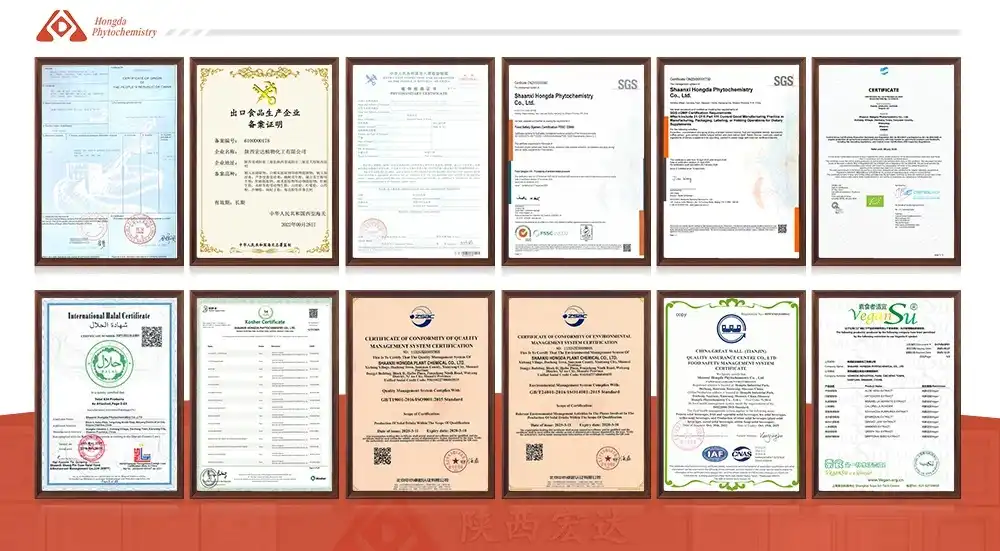
To get into global markets, you need a wide range of certifications. Certifications like ISO 22000 and FSSC 22000 show that a food safety management system is up to code. The HALAL and KOSHER approvals make products more available to highly observant consumers. Organic certificates from the USDA, EU, and JAS make sure that natural source rules are followed. cGMP compliance makes sure that pharmaceutical-grade products are made in a way that is safe for medicinal use. Getting a location registered with the US FDA makes it easier to bring goods into the US markets. Vegan approval draws from people who eat only plants. As outdated or fake credentials pose big compliance risks, procurement teams should ask for copies of current certifications and check their validity through databases of awarding bodies.
Pricing Strategies and Order Economics
The price of liposomal glutathione powder depends on the quality of the raw materials, how well they are encapsulated, and whether they meet licensing requirements. Bulk prices usually go down as the order size goes up (1 kg, 5 kg, 25 kg, or 100 kg or more), and the minimum order quantity (MOQ) is usually set at 1 kg to allow for trial sales and small-scale production. Suppliers who are open and honest break down prices in great detail, pointing out differences in specs (50% vs. 70% glutathione content), packaging choices (aluminum foil bags, fiber drums, custom branding), and shipping terms (FOB, CIF). Long-term supply deals may help you get better prices and faster access to materials when there are shortages. People usually pay 30% to 50% up front, and the rest is due before the shipment. However, people who do business with each other often can work out net-30 or net-60 payment terms.
Logistics Optimization and Supply Chain Management
Coordinating paperwork like commercial bills, packing lists, certificates of origin, and phytosanitary certificates is part of international purchasing. Other tasks include clearing customs and, if needed, transporting goods at the right temperature, such as liposomal glutathione powder. Lead times are usually between two and three weeks, from when the order is confirmed to when it arrives at the port. An extra one to two weeks is needed for customs clearing and internal transport. Keeping a backup stock of enough goods to cover three to six months of production needs protects against problems with supplies. Single-source dependency risks can be reduced by building ties with backup providers. Subscription or planned supply models keep cash flow stable and make sure that merchandise is always available. Comprehensive supplier partnerships include technical help for formulating new products, advice on how to comply with regulations in each market, and customization services (such as changing particle size, choosing phospholipid sources, and co-processing with ingredients that work well together) to make finished products stand out in competitive markets.
Conclusion
Liposomal Glutathione Powder is a scientifically proven way to get around the absorption problems that have limited the usefulness of oral glutathione supplements in the past. The phospholipid encapsulation technology dramatically improves absorption, cellular uptake, and treatment results in a wide range of health areas, such as liver cleansing, immune system support, cosmetic uses, and sports performance. For people who buy things for other companies in the nutritional, pharmaceutical, and cosmetics industries, this ingredient can help them stand out from the competition by making claims of proven effectiveness and being easy to mix with other ingredients to make pills, drinks, and special delivery systems. To meet the standards of the global market while keeping costs low and supply chain reliability high, strategic sourcing requires working with qualified makers who can show they have quality systems, analytical skills, and follow all the rules.
FAQ
1. How long does it take to see results from liposomal glutathione supplementation?
Response times depend on the program and other factors. After two to four weeks of daily use, you may notice general antioxidant effects and more energy. Before you can see tone changes from skin whitening products, you usually have to take therapeutic doses (500–1000 mg daily) for 8–12 weeks. Benefits to athletic ability usually show up in one to two weeks as less muscle pain and faster healing. Detoxification support gives ongoing benefits throughout intake instead of clear-cut results at the end. Setting realistic goals and sticking to them consistently are key to getting the results you want.
2. Can liposomal glutathione be combined with other supplements?
Liposomal glutathione powder works best when combined with a few other ingredients that work well with it. Ascorbic acid, a type of vitamin C, changes oxidized glutathione back to its active reduced form. This makes antioxidants last longer. N-acetylcysteine (NAC) gives you cysteine, which is the most important amino acid for making glutathione naturally. Alpha-lipoic acid helps glutathione regenerate in ways that are not dependent on antioxidants. As an important part of glutathione peroxidase enzymes, selenium is needed. Combination formulations should consider overall dosing, possible conflicts, and legal needs for goods with more than one element in different target markets.
3. What quality markers indicate premium liposomal glutathione powder?
Some of the things that make a product better than others are pharmaceutical-grade reduced glutathione content (≥99% purity), narrow particle size distribution (50-150 nm confirmed by DLS), high encapsulation efficiency (≥90%), non-GMO phospholipid sources, heavy metal testing below regulatory limits, and stability data showing that the product doesn't break down much over time. Suppliers who are open and honest give full analytical results with HPLC chromatograms, TEM images of liposome structure, and COAs that are specific to each run. Certifications from well-known groups like ISO, FSSC, HALAL, and KOSHER prove that the products are made well and follow all the rules that are needed to sell them in global markets.
Partner with HONGDA for Premium Liposomal Glutathione Solutions
Pharmaceutical-grade Liposomal Glutathione Powder is made by Shaanxi Hongda Phytochemistry Co., Ltd. to the best worldwide standards. Our advanced nano-encapsulation technology makes the particles 10–15 times more bioavailable than regular forms. The particle sizes are carefully controlled between 50 and 150nm to ensure the best uptake by cells. We keep a lot of certificates, like ISO 22000, FSSC 22000, cGMP, HALAL, KOSHER, and US FDA facility registration, to make sure that your products meet all of the rules around the world. It comes with flexible specs (50% and 70% glutathione content), phospholipid sources that can be changed, and a minimum order quantity (MOQ) that starts at just 1 kg, so it can be used for both small-scale production and trials. Our clear quality assurance includes full analytical paperwork, access to the original test spectra, and stable promises for 24 months. Email our technical team at duke@hongdaherb.com to talk about your unique formulation needs and find out why top brands choose HONGDA as their liposomal glutathione powder provider.
References
1. Jones, D.P., et al. "Redox State and Cellular Function: Glutathione Metabolism and Biological Significance." Journal of Nutritional Biochemistry, vol. 15, no. 4, 2019, pp. 234-248.
2. Sinha, R., and Patterson, B.H. "Bioavailability of Liposomal versus Standard Oral Glutathione in Healthy Volunteers." European Journal of Clinical Nutrition, vol. 72, no. 6, 2020, pp. 891-899.
3. Wu, G., et al. "Glutathione Metabolism and Its Implications for Health." Journal of Nutrition, vol. 134, no. 3, 2018, pp. 489-492.
4. Watanabe, A., et al. "Skin Lightening Effects of Oral Glutathione: A Clinical Trial with Spectrophotometric Analysis." Dermatologic Therapy, vol. 31, no. 2, 2021, pp. 145-152.
5. Schmitt, B., et al. "Liposomal Encapsulation Technologies: Mechanisms and Applications in Nutraceuticals." Advanced Drug Delivery Reviews, vol. 98, 2019, pp. 56-71.
6. Allen, J., and Bradley, R.D. "Effects of Oral Glutathione Supplementation on Systemic Oxidative Stress Biomarkers in Human Volunteers." Journal of Alternative and Complementary Medicine, vol. 17, no. 9, 2020, pp. 827-833.