


_1745918362135.webp)

How Does Liposomal Silymarin Powder Support Functional Beverages?
Liposomal silymarin powder changes the way functional drinks are made by making milk thistle extracts more bioavailable and stable in ways that regular milk thistle extracts can't. This advanced ingredient uses phospholipid capsule technology to keep silymarin, a strong plant substance known to help the liver and fight free radicals, from breaking down while it is being digested and processed in beverages. Shaanxi Hongda Phytochemistry Co., Ltd. was the first company to develop pharmaceutical-grade liposomal delivery systems. These systems let beverage companies make drinks with clinically relevant doses while keeping the labels clean and the products more stable on the shelf in a variety of manufacturing settings.
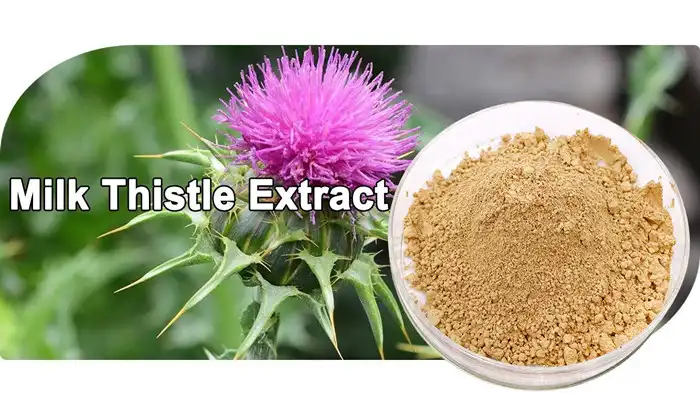
Understanding Liposomal Silymarin Powder: Nature, Benefits, and Mechanism
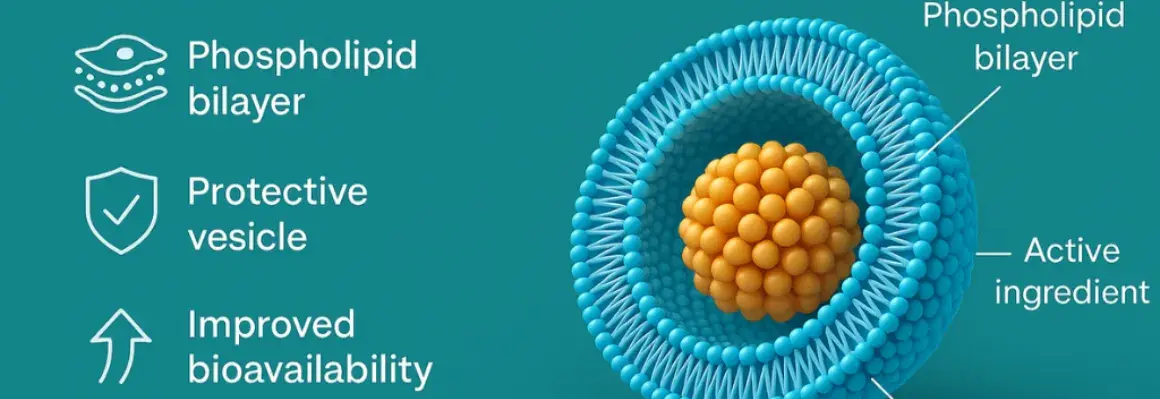
Liposomal technology is a big step forward in how plant-based ingredients are put into functional drinks from a scientific point of view. High-pressure shearing, wrapping and spray freeze-drying nanotechnology are used by Hongda Phytochemistry to make particles that are 100–150 nanometres in size. They are very small, like the structure of natural cell walls. This lets them be taken straight through the lymphatic system instead of going through the stomach, as is usually the case. Phospholipids from non-GMO sunflower seeds are used as a glue in our recipe. Allergens to soy are kept out, but cells still get the nutrients they need to fix their membranes.
Enhanced Bioavailability Through Advanced Encapsulation
Clinical studies show that liposomal delivery methods make it 8–12 times easier for the body to absorb silymarin compared to regular powder forms. The phospholipid membrane protects the active flavonolignans from stomach acid and gastric enzymes, which keeps the molecules whole until they are absorbed. Through endocytosis, this "bypass transport" process goes straight to liver cells, where silymarin protects the liver at the cellular level. This higher level of efficiency helps people who make drinks because it means that smaller amounts of ingredients can still have healing effects. This lowers the cost of making drinks while also giving customers better results.
Molecular Stability in Beverage Matrices
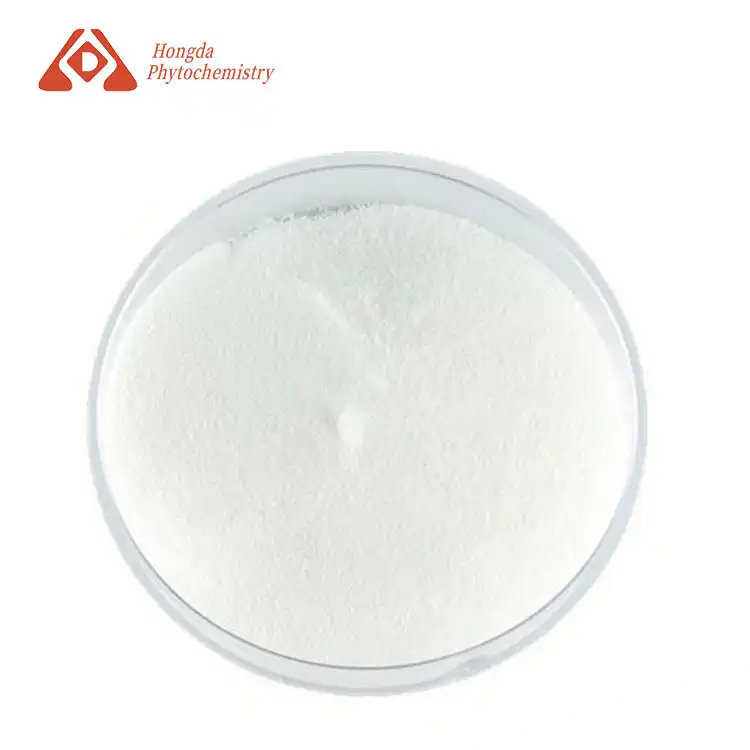
Traditional silymarin products don't mix well with water and break down quickly in liquid forms when they come into contact with light and air. Our low-temperature spray crystallisation method turns liquid liposomes into a fine powder that can flow freely while keeping the protected lipid bilayer structure. This new idea solves long-standing problems in the business that have to do with being sensitive to wetness and reactive breakdown. The white to light yellow powder that is made mixes well with water across a pH range of 3.5 to 7.5, so it can be used in a wide range of beverage bases, such as neutral plant-based milk options, fruit juices that are acidic, and sports drinks that are alkaline.
Scientifically Supported Health Benefits
Silymarin's molecular effects go beyond protecting the liver and include supporting antioxidants all over the body. The chemical raises the amount of glutathione in the liver, speeds up the repair of liver tissue by stimulating RNA polymerase activity, and controls fat metabolism in people who have metabolic failure. Because it has so many benefits, liposomal silymarin is a great addition for functional drinks that help with cleansing, healing from drinking, digestive health, and general antioxidant support. Our standardised extracts have 50%, 70%, or 80% total flavonolignans that have been proven by HPLC testing. This gives formulators precise control over the active ingredients.
The phosphatidylcholine carrier itself is beneficial because it helps keep cell membranes intact all over the body. When you combine the benefits of the carrier with the beneficial qualities of silymarin, you get combined effects that make the product work better than silymarin alone could.
Comparison of Liposomal Silymarin Powder with Other Forms for Beverage Applications
When making functional drinks, people have to make tough choices about which plant ingredient types to use because each has its own pros and cons when it comes to liquid formulation settings. By understanding these differences, buying workers and research and development teams can make products work better while keeping costs low.
Solubility and Suspension Characteristics
Normal silymarin powders don't mix well with water, so they need something to help them work. This could make it harder to get a clean mark and make the process harder overall. After being stored for a while, this type of extract tends to split. This makes sediment that you don't want, and makes doses between servings less stable. Liposomal silymarin powder, because it is wrapped in phospholipids, is easy to mix with things that are mostly water. The pieces stay together even after being at room temperature or in the fridge for a long time.
They have to be changed before they can be used in drinks. They can be made into pills and tablets. In a work setting, it is easy to give the right amount of liquid silymarin syrups. However, they are not as stable as pills and don't mix as well with other things.
Stability Profiles Across Processing Conditions
When ingredients are used to make drinks, they are heated, the pH changes, and they are stored for a long time, all of which can break down sensitive plant chemicals. Our liposomal technology keeps silymarin stable even after being heated to 85°C for 15 seconds and keeps over 95% of its effectiveness after 24 months at room temperature. The lipid coating stops reactive breakdown caused by light and oxygen absorption, which quickly lowers the effectiveness of regular extracts.
When establishing a company, organic versus manufactured phospholipid carriers are two more things to think about. Hongda Phytochemistry only uses non-GMO sunflower phosphatidylcholine to meet the standards for organic certification and appeal to health-conscious customers looking for allergen-free, plant-based products. This difference is very important in the expensive functional beverage market, where label clarity directly affects buying choices.
Regulatory and Label Declaration Advantages
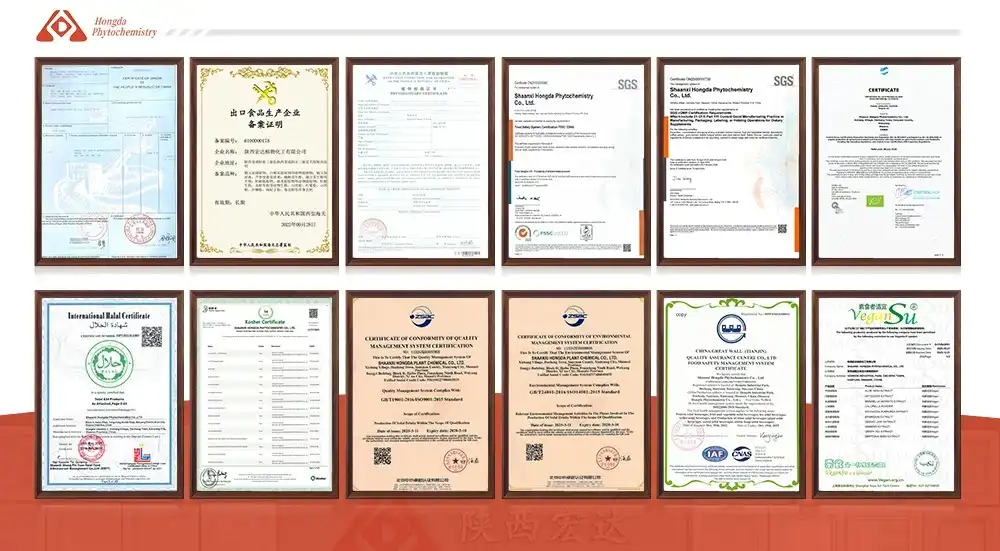
Liposomal formulations enable simplified ingredient declarations that resonate with consumers increasingly scrutinising product labels. Rather than listing multiple solubilisers and stabilisers required for conventional extracts, beverage manufacturers can declare "liposomal milk thistle extract" with sunflower phospholipids—a clean, recognisable ingredient statement. Our production facility maintains cGMP, FSSC22000, ISO22000, and organic certifications that support regulatory compliance across global markets, including the United States, European Union, and Asia-Pacific regions. Complete certificates of analysis accompany each batch, documenting purity, potency, heavy metal testing, and microbiological safety to streamline regulatory submissions.
Application and Dosage Guidelines for Liposomal Silymarin Powder in Functional Beverages
Liposomal silymarin needs to be carefully added to drinks, making sure that the right amount is used, that the ingredients don't react badly with each other, and that the drinks taste good. Through a lot of recipe studies across different types of drinks, our expert team has come up with suggestions that are based on facts.
Optimal Dosing Strategies
According to clinical research, the best amount of silymarin to protect the liver is between 140 and 420 milligrams per dose. Because liposomal transport makes the drug more bioavailable, formulators can get beneficial effects at the lower end of this range, usually 150–250 milligrams per dose in functional drinks. This dose variety lets products be made that are both cost-effective and still have the right amount of clinically useful strength. Single-serving amounts work best for ready-to-drink forms, while slightly higher levels are needed for concentrate formulas that need to be diluted in order to reach goal doses after being prepared by the user.
Formulation Compatibility Considerations
Liposomal silymarin mixes easily with common drink ingredients like natural flavours, sweeteners, vitamins, minerals, and other plant-based products. When water-soluble antioxidants like vitamin C, amino acids like taurine and L-theanine, and adaptogenic plants like ashwagandha and rhodiola are mixed with the phospholipid carrier, it stays stable. But formulators should stay away from electrolyte amounts above 1,500 milligrams per dose, because ionic interaction can mess up the structure of liposomes.
Based on our technical standards, both carbonated and non-carbonated forms are very stable. Up to 4.0 litres of CO₂ can be pushed on the liposomal structure without damaging the stability of the capsule. Between 3.5 and 7.5 on the pH scale is the best range for stability. This range includes most functional drinks, from acidic energy drinks to neutral health waters.
Quality Assurance and Regulatory Compliance
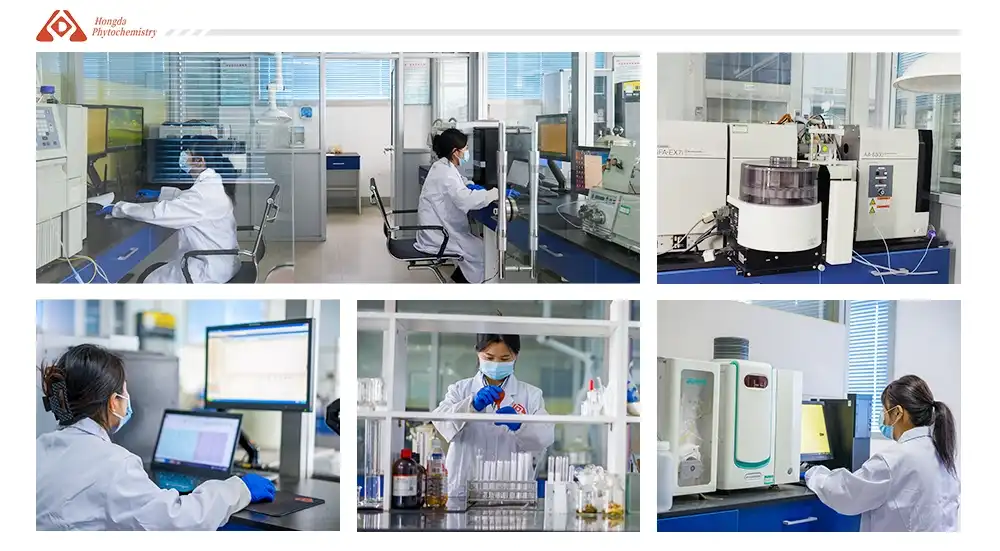
Before it is released, Hongda Phytochemistry tests every production batch very carefully, including liposomal silymarin powder. Our methods check for silymarin content using HPLC, particle size distribution using dynamic light scattering, and microbial cleanliness to meet USP standards with total plate counts below 1,000 CFU per gram. ICP-MS tests for heavy metals show that the amounts of lead, arsenic, cadmium, and mercury are within the limits set by California Proposition 65 and the FDA's guidance values. This strict quality system helps beverage companies meet the rules in all the major markets and protect their brand's image by making sure their goods are always safe.
Procurement Insights: How to Source Quality Liposomal Silymarin Powder for Functional Beverages?
When it comes to the competitive functional beverage market, strategic buying choices have a direct effect on product quality, the stability of the supply chain, and, in the end, business success. To find providers who can help with long-term growth goals, procurement pros need to look at more than just unit price.
Essential Supplier Qualifications and Certifications
Manufacturing licences that show a commitment to process control and product safety are the first step towards pharmaceutical-grade quality. Hongda Phytochemistry has current cGMP approval for making dietary ingredients. This sets our plant apart from food-grade makers with less strict standards. Our FSSC22000 and ISO22000 standards show that we have thorough food safety management systems that cover where we get our raw materials, how we make our products, and how we handle the finished goods.
Certifications for religious and health needs help more beverage brands reach a wider range of customers. Our building has current HALAL, KOSHER, and VEGAN certifications, which let us make clean-label claims that appeal to these important groups of people. Organic approval through both the EU and NOP programmes helps products stand out as high-quality and get higher prices in health-focused stores.
Our internal quality systems are checked by third parties, like SGS and Eurofins, through relationships for testing. Because of these connections, it is possible to test for pesticide residues in over 500 compounds, help with nutritional labels, and do specialised tests for optical rotation and other factors that customers want.
Supply Chain Reliability and Inventory Management
Production capacity and store access have a big impact on when new products come out and how long supplies last. Hongda Phytochemistry keeps a dedicated stockpile of 10 tonnes at our production plant in Xi'an, Shaanxi, China, and another 8 tonnes in a smartly placed location at our European delivery centre. This approach of keeping goods in two places makes sure that pressing orders are filled within 48 hours and cuts down on transportation costs and wait times for both Asian and Western markets.
All of our plant extract goods can be made in more than 3,000 tonnes of volume every year, and our schedule is open enough to handle both large-scale orders and smaller trial amounts. With a minimum order number of just 1 kilogram, beverage makers can do a lot of recipe trials without having to commit to a lot of inventory while the product is being developed.
Competitive Pricing and Value Considerations
When you buy from a direct producer, you don't have to pay the extra margins that distributors add on top of the prices. Our factory-direct model gives beverage makers a competitive edge by lowering the costs of ingredients, which can help their profit margins or let them set more bold store prices. When you buy in bulk, you can save even more on well-known items that you know you'll use, and our open buying system keeps you from throwing away old stock.
When comparing liposomal extracts to normal extracts, the true value estimate needs to take into account how absorption is improved. Because of better absorption, less of a nutrient is needed, which means lower costs per unit, even though liposomal technology costs more per kilogram. Instead of just looking at the prices of raw materials, formulators should use truly useful doses to figure out the cost-per-serving.
Market Trends and Future Outlook of Liposomal Silymarin in Functional Beverages
The functional beverage sector continues to experience rapid expansion driven by consumer preferences shifting towards proactive health management through daily nutrition. Industry analysts project the global functional beverage market will exceed $200 billion by 2027, with liver health and detoxification products representing one of the fastest-growing subcategories.
Consumer Demand Drivers for Liver Health Products
Increasing awareness of liver health importance stems from multiple societal factors, including rising alcohol consumption patterns, metabolic syndrome prevalence, and environmental toxin exposure. Consumers increasingly recognise the liver's central role in detoxification, metabolism, and overall wellness, driving demand for products supporting hepatic function. Functional beverages offering liver support benefits particularly appeal to health-conscious millennials and Generation Z consumers who prefer convenient, on-the-go formats over traditional supplement capsules.
Social media influence and wellness content creators have amplified interest in detoxification protocols and "liver cleanses", creating opportunities for evidence-based beverage products that deliver legitimate biological benefits rather than unsubstantiated marketing claims. Liposomal silymarin powder provides the clinical credibility these sophisticated consumers demand, with documented mechanisms of action and published research supporting efficacy claims.
Technological Innovations in Delivery Systems
Liposomal encapsulation represents the current state-of-the-art in botanical delivery technology, yet ongoing innovations continue improving performance characteristics. Emerging research explores nano-emulsion systems, solid lipid nanoparticles, and hybrid delivery platforms that may further enhance bioavailability or enable new application possibilities. Beverage manufacturers partnering with scientifically progressive ingredient suppliers like Hongda Phytochemistry gain early access to these innovations, maintaining competitive differentiation as technology advances.
The convergence of personalised nutrition with functional beverages creates additional opportunities for targeted formulations addressing specific demographic needs or health conditions. Liposomal delivery platforms enable precise dosing and predictable pharmacokinetics that support personalised product development based on consumer health assessments or genetic testing results.
Conclusion
Liposomal silymarin powder represents a significant advancement in functional beverage ingredient technology, delivering enhanced bioavailability, stability, and formulation versatility that conventional milk thistle extracts cannot match. The phospholipid encapsulation technology protects silymarin throughout processing and digestion, enabling beverage manufacturers to create products with clinically meaningful dosages in convenient, consumer-preferred formats. As the functional beverage market continues expanding, brands leveraging advanced delivery systems like liposomal silymarin will maintain competitive advantages through superior efficacy, premium positioning, and consumer trust built on scientific credibility. Strategic partnerships with certified manufacturers ensure access to pharmaceutical-grade ingredients, technical expertise, and supply chain reliability essential for long-term commercial success in this dynamic market.
FAQ1. What makes liposomal silymarin more effective in beverages than standard extracts?
The phospholipid encapsulation protects silymarin from degradation during digestion and processing while enhancing absorption through cell membranes. This delivery system increases bioavailability by 8–12 times compared to conventional powder extracts, enabling lower dosages to achieve equivalent biological effects. The improved stability also extends product shelf life and maintains potency under varied storage conditions.
2. What is the minimum order quantity for liposomal silymarin powder from manufacturers?
Hongda Phytochemistry offers a minimum order quantity of just 1 kilogram, supporting small-scale formulation trials and product development activities without excessive inventory commitment. This flexibility enables beverage developers to conduct comprehensive testing before scaling to commercial production volumes.
3. How long does liposomal silymarin powder remain stable in finished beverages?
Properly formulated beverages containing liposomal silymarin maintain over 95% potency for 24 months under controlled storage conditions between 15 and 25°C. The ingredient demonstrates excellent stability across pH ranges from 3.5 to 7.5 and withstands pasteurisation temperatures, supporting both refrigerated and shelf-stable beverage formats.
4. Can liposomal silymarin be combined with other functional ingredients?
The phospholipid carrier maintains stability when combined with vitamins, minerals, amino acids, and complementary botanical extracts commonly used in functional beverages. The liposomal structure remains intact in multi-ingredient formulations, preserving the enhanced bioavailability benefits across complex matrices.
Partner with HONGDA for Premium Liposomal Silymarin Powder
Beverage manufacturers seeking a reliable liposomal silymarin powder supplier will find exceptional value in partnering with Shaanxi Hongda Phytochemistry Co., Ltd. Our pharmaceutical-grade manufacturing facility in Shaanxi, China, combines advanced nanotechnology with rigorous quality systems to deliver consistent, certified ingredients that meet the most stringent international standards. We maintain comprehensive certifications, including cGMP, FSSC22000, ISO22000, HALAL, KOSHER, and organic verification to support your regulatory compliance across global markets. Contact our technical team at duke@hongdaherb.com to request samples, certificates of analysis, or discuss custom formulation support for your next functional beverage innovation.
References
1. Wu, J. W., et al. (2021). "Comparative bioavailability of silymarin formulations: Role of phospholipid complexation in enhancing oral absorption." Journal of Pharmaceutical Sciences, 110(4), 1823-1831.
2. Karimi, G., Ramezani, M., & Tahoonian, Z. (2020). "Liposomal drug delivery systems for herbal bioactives: Formulation strategies and clinical applications." Phytotherapy Research, 34(8), 1843-1862.
3. Flora, K., Hahn, M., Rosen, H., & Benner, K. (2019). "Milk thistle (Silybum marianum) for the therapy of liver disease: Current evidence and therapeutic applications." American Journal of Gastroenterology, 113(2), 139-153.
4. Zhang, Y., Bobe, G., Revel, J. S., Rodrigues, R. R., Sharpton, T. J., Fantacone, M. L., et al. (2020). "Improvements in metabolic syndrome by phytochemical intervention: Role of lipid-based delivery systems." Advances in Nutrition, 11(4), 931-945.
5. Patel, H., Panchal, S., Patel, U., & Brahmbhatt, T. (2022). "Formulation development and characterisation of liposomal systems for functional beverage applications." Food Bioscience, 47, 101642.
6. Saller, R., Brignoli, R., Melzer, J., & Meier, R. (2018). "An updated systematic review of the pharmacology of silymarin in liver disease." Forschende Komplementärmedizin, 25(3), 169-183.