
How Stable Is Liraglutide Powder During Storage and Shipping?
Picture this scenario: your critical pharmaceutical manufacturing timeline depends on receiving active ingredients that maintain perfect potency, yet temperature fluctuations during international shipping could compromise months of research investment. When working with GLP-1 peptide therapeutics like Liraglutide Powder from Hongda Phytochemistry, understanding stability parameters becomes essential for protecting both your product efficacy and business operations. Shaanxi Hongda Phytochemistry Co., Ltd. addresses these critical concerns through rigorous quality control protocols and pharmaceutical-grade manufacturing standards that ensure consistent peptide integrity from production through global delivery. Liraglutide raw powder represents a sophisticated pharmaceutical compound requiring precise environmental controls throughout its lifecycle. As a glucagon-like peptide-1 receptor agonist with applications in diabetes management and obesity treatment, this active pharmaceutical ingredient demands careful attention to storage conditions, packaging protocols, and shipping logistics. The molecular structure of Liraglutide Powder, with its specific amino acid sequence and fatty acid modifications, creates unique stability challenges that pharmaceutical manufacturers must address to maintain therapeutic effectiveness. Understanding these factors helps buyers make informed decisions when sourcing this critical API for drug formulation and clinical applications.
Understanding Liraglutide Powder Molecular Stability Properties
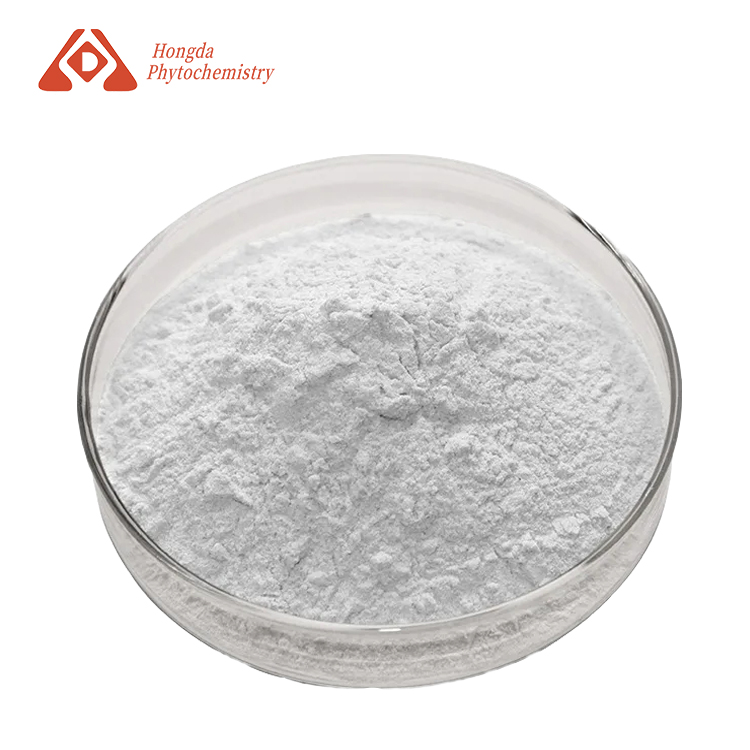
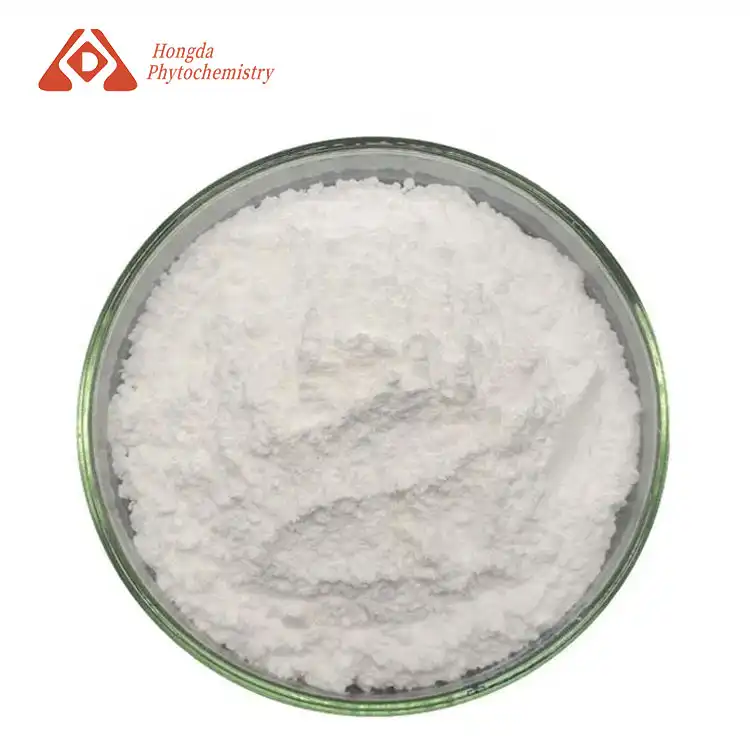
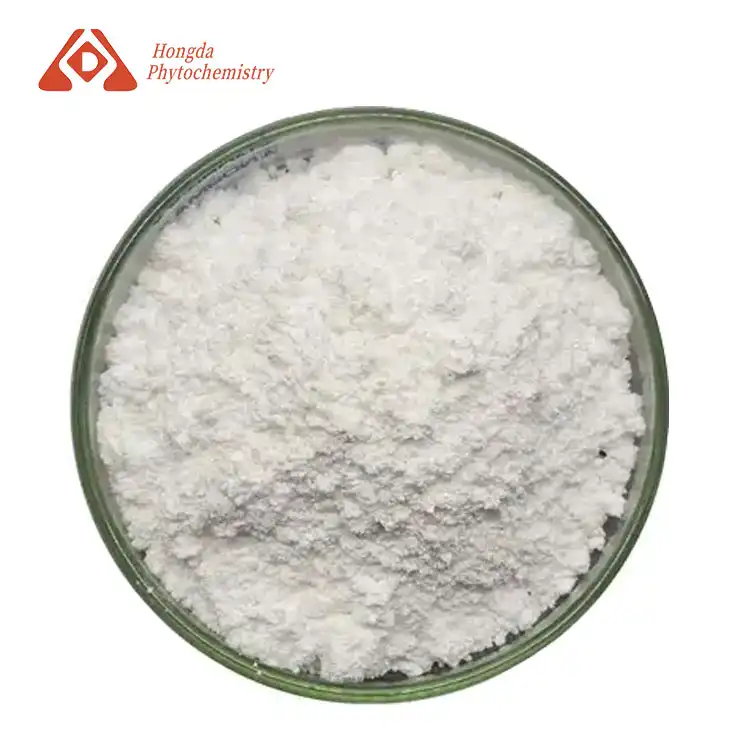
The inherent stability of Liraglutide Powder stems from its carefully engineered molecular architecture. As a 31-amino acid peptide with a molecular weight of 3751.2 and CAS number 204656-20-2, liraglutide incorporates a palmitoyl side chain attached through a glutamic acid spacer, which significantly enhances its pharmaceutical stability compared to native GLP-1 peptides. This lipidation modification not only extends the compound's half-life in biological systems but also improves its resistance to certain degradation pathways during storage and handling. The white crystalline powder form supplied by pharmaceutical manufacturers represents the most stable configuration for long-term preservation, as the lyophilized state removes water content that could otherwise catalyze hydrolytic degradation reactions. Research into peptide stability demonstrates that Liraglutide raw powder maintains exceptional integrity when stored under appropriate conditions. The solid-state form exhibits remarkable resistance to oxidation, deamidation, and aggregation—three primary degradation mechanisms that compromise peptide pharmaceuticals. At the molecular level, the absence of free moisture in properly lyophilized material prevents hydrolysis of peptide bonds, particularly those adjacent to asparagine and glutamine residues which are typically susceptible to degradation. The specific amino acid composition of liraglutide, including multiple basic and aromatic residues, contributes to conformational stability that helps maintain biological activity throughout extended storage periods when properly protected from environmental stressors.
Critical Temperature Thresholds for Liraglutide Storage
Temperature control represents the single most important variable in preserving Liraglutide Powder quality during both storage and transportation phases. Pharmaceutical-grade liraglutide supplied by Shaanxi Hongda Phytochemistry maintains optimal stability when stored at temperatures at or below -20°C, with enhanced long-term preservation achieved at -80°C storage conditions. Under these controlled frozen conditions, properly packaged Liraglutide raw powder demonstrates shelf-life stability extending to 24 months or longer, as confirmed through ICH-compliant accelerated and long-term stability studies. The crystalline powder form exhibits minimal degradation when maintained within this temperature range, with purity variance of less than ±0.3% across properly stored batches. Short-term temperature excursions during shipping require careful management to prevent degradation. Lyophilized Liraglutide Powder can tolerate brief exposure to temperatures up to 25°C for periods not exceeding several days, though manufacturers typically implement more conservative controls to ensure product integrity. Temperature-controlled logistics utilizing specialized thermal packaging and refrigerated transport maintain product temperatures between -20°C and 2°C during international shipment. Real-time temperature monitoring devices accompany pharmaceutical shipments to document the complete cold chain integrity from factory departure through customer receipt. This comprehensive temperature documentation provides critical quality assurance data for regulatory compliance and batch release decisions in pharmaceutical manufacturing operations.
The impact of elevated temperatures on Liraglutide Powder stability becomes particularly significant when considering the peptide's susceptibility to thermal degradation mechanisms. Exposure to temperatures exceeding 30°C can accelerate oxidation of methionine residues, deamidation of asparagine and glutamine, and potential aggregation through hydrophobic interactions. These chemical modifications reduce the percentage of intact active pharmaceutical ingredient and may generate degradation products that could affect the safety and efficacy profile of finished pharmaceutical formulations. Hongda Phytochemistry's cGMP-certified manufacturing facilities implement rigorous environmental controls and validated storage protocols to prevent such temperature-induced degradation, ensuring that every batch of Liraglutide Powder shipped to customers meets stringent pharmaceutical quality specifications with purity consistently at or above 98%.

Moisture Control and Humidity Management During Storage
Beyond temperature considerations, moisture exposure represents a critical stability threat to Liraglutide Powder during storage and handling operations. Peptide pharmaceuticals in lyophilized powder form exhibit hygroscopic properties, meaning they readily absorb atmospheric moisture when exposed to humid environments. This moisture absorption initiates hydrolytic degradation pathways that cleave peptide bonds, particularly affecting the structural integrity of the compound and reducing the concentration of pharmacologically active material. Research indicates that maintaining relative humidity below 65% during storage proves essential for long-term Liraglutide raw powder stability, with lower humidity levels providing additional protection against moisture-induced degradation. Pharmaceutical manufacturers address moisture control through multiple protective strategies in packaging design and storage protocols. Primary packaging for Liraglutide Powder typically employs double-layer thickened polyethylene bags that provide an initial moisture barrier, while secondary packaging in fiber drums with hermetic seals creates additional protection against environmental humidity. Inclusion of desiccant materials within packaging configurations actively removes residual moisture and maintains a dry microenvironment surrounding the powder throughout storage periods. Before opening sealed containers, equilibration to room temperature in a desiccator prevents condensation formation on cold powder surfaces that would otherwise compromise stability when containers are opened in ambient laboratory environments.
The molecular consequences of moisture exposure extend beyond simple hydrolysis reactions. Water activity in the presence of Liraglutide Powder can promote chemical modifications including deamidation, where asparagine residues convert to aspartic acid or isoaspartic acid through cyclic imide intermediates. These structural alterations change the isoelectric point and potentially affect the biological activity of the peptide. Additionally, moisture can facilitate oxidation reactions by providing a medium for reactive oxygen species to interact with susceptible amino acid side chains such as methionine and tryptophan. Shaanxi Hongda Phytochemistry's quality assurance protocols include rigorous moisture content testing using Karl Fischer titration to verify that all shipped batches maintain moisture levels well below specifications that could trigger these degradation pathways.
Packaging Innovations for Enhanced Stability Protection
Modern pharmaceutical packaging technologies for Liraglutide Powder incorporate multiple protective layers designed to maintain product integrity throughout distribution chains. The standard packaging configuration from Hongda Phytochemistry utilizes 12kg fiber drums as primary containers, with each drum containing pharmaceutical-grade powder sealed in dual polyethylene barriers. This configuration provides mechanical protection against physical damage during handling while creating an effective barrier against atmospheric oxygen, moisture, and light exposure—three environmental factors that can compromise peptide stability. The fiber drum design allows for efficient palletization with 27 drums per pallet, optimizing logistics efficiency while maintaining individual container integrity during transport operations. For customers requiring smaller quantities or sample evaluation, Shaanxi Hongda provides alternative packaging formats including aluminum foil pouches and specialized cartons for volumes ranging from 20g to 100g. These sample packages incorporate the same dual-barrier protection philosophy but in configurations suitable for laboratory-scale usage. The aluminum foil construction provides superior protection against light exposure, which can catalyze oxidative degradation of aromatic amino acids in the liraglutide structure. All packaging materials undergo validation testing to ensure compatibility with pharmaceutical-grade peptides and compliance with international regulations for active pharmaceutical ingredient transport and storage.
Advanced packaging solutions increasingly incorporate modified atmosphere packaging techniques where containers are purged with inert gases such as nitrogen or argon before sealing. This atmospheric modification displaces oxygen that could otherwise contribute to oxidative degradation during extended storage periods. For Liraglutide raw powder, which contains methionine and other oxidation-susceptible residues, this additional protective measure significantly extends stability and helps maintain the pharmaceutical purity required for drug manufacturing applications. Hongda Phytochemistry's commitment to quality extends to offering customized packaging solutions tailored to specific customer requirements, whether for research applications, clinical trial materials, or commercial-scale pharmaceutical production.
International Shipping Protocols and Cold Chain Management
The global distribution of pharmaceutical-grade Liraglutide Powder demands sophisticated logistics infrastructure capable of maintaining stringent temperature controls throughout international transport networks. Shaanxi Hongda Phytochemistry implements comprehensive cold chain management protocols that begin with product dispatch from cGMP-certified facilities and extend through final delivery to customers across North America, Europe, and Asia-Pacific regions. Specialized temperature-controlled airfreight services maintain product temperatures within the validated range of -20°C ±2°C, utilizing refrigerated cargo compartments and insulated shipping containers designed specifically for pharmaceutical cold chain applications. Real-time temperature monitoring represents a critical component of pharmaceutical shipping protocols for sensitive biological materials like Liraglutide Powder. Each international shipment incorporates data logging devices that continuously record temperature throughout the transportation cycle, from warehouse departure through customs clearance and final delivery. These electronic monitoring systems provide comprehensive documentation of cold chain integrity, generating detailed temperature profiles that demonstrate compliance with pharmaceutical quality requirements. Should any temperature excursion occur during transit, alert systems notify both shipper and recipient, allowing for immediate assessment of potential impact on product stability and implementation of appropriate corrective measures before product use.
The logistics network supporting Liraglutide raw powder distribution encompasses multiple transportation modes coordinated to minimize transit times while maintaining environmental controls. Air cargo services provide the fastest international transport, typically delivering products within 3-7 working days as specified by Hongda Phytochemistry's delivery standards. Ground transportation segments utilize refrigerated vehicles when required, with transfer protocols designed to minimize temperature exposure during modal transitions. Customs clearance procedures for pharmaceutical active ingredients receive special handling to expedite processing and reduce dwelling time in potentially uncontrolled environments. This integrated logistics approach ensures that Liraglutide Powder arrives at customer facilities with documented temperature history and maintained pharmaceutical quality suitable for immediate use in drug manufacturing operations or research applications.
Quality Documentation Supporting Regulatory Compliance
Pharmaceutical manufacturers sourcing Liraglutide Powder for drug development and commercial production require comprehensive quality documentation to support regulatory submissions and batch release decisions. Shaanxi Hongda Phytochemistry provides complete analytical documentation with every shipment, including Certificates of Analysis detailing purity specifications, impurity profiles, moisture content, microbial limits, and residual solvent levels. These COAs incorporate data from validated analytical methods including high-performance liquid chromatography with appropriate detection systems, confirming that material meets or exceeds the ≥98% purity specification critical for pharmaceutical applications. Supporting documentation extends beyond basic analytical testing to include stability study data demonstrating product shelf life under defined storage conditions. ICH-compliant stability protocols evaluate Liraglutide raw powder under accelerated conditions as well as long-term storage scenarios, generating data that supports the 24-month shelf-life specification when stored at -20°C. These stability studies monitor critical quality attributes including assay potency, related substances, appearance, and moisture content over time, providing customers with confidence that material will maintain pharmaceutical quality throughout its validated shelf life. Drug Master Files and Certificates of Suitability further support regulatory submissions for drug products incorporating Hongda Phytochemistry's liraglutide as an active ingredient.
Additional quality documentation addresses the complete supply chain from raw material sourcing through final product release. Batch genealogy records provide full traceability to starting materials, reagents, and processing equipment used in manufacture. Environmental monitoring data from production areas confirms that manufacturing occurs under appropriate cleanroom conditions meeting pharmaceutical standards. Process validation documentation demonstrates that the solid-phase peptide synthesis methodology consistently produces Liraglutide Powder meeting all predetermined quality specifications. This comprehensive documentation package supports customers' quality systems and regulatory compliance requirements for pharmaceutical development programs targeting markets worldwide, including FDA-regulated applications in North America and EMA-overseen activities throughout the European Union.

Certification Standards Ensuring Manufacturing Excellence
The quality assurance framework supporting Liraglutide Powder production encompasses multiple international certification standards that validate manufacturing practices, quality systems, and product safety. Shaanxi Hongda Phytochemistry Co., Ltd. maintains current Good Manufacturing Practice certification specifically applicable to active pharmaceutical ingredient production, demonstrating compliance with pharmaceutical manufacturing standards recognized by regulatory authorities worldwide. This cGMP certification requires adherence to strict protocols governing facility design, equipment qualification, process validation, personnel training, quality control testing, and documentation practices that collectively ensure consistent product quality meeting pharmaceutical specifications. International food safety and quality management certifications complement pharmaceutical-specific standards in Hongda Phytochemistry's comprehensive quality framework. FSSC22000 certification demonstrates implementation of food safety management systems applicable to nutraceutical and dietary supplement applications of Liraglutide Powder, while ISO9001 quality management certification validates systematic approaches to customer satisfaction, continuous improvement, and operational excellence. ISO22000 food safety management certification provides additional assurance for applications where liraglutide ingredients enter food-related supply chains. These layered certifications create a robust quality infrastructure supporting diverse customer applications across pharmaceutical, nutraceutical, and research sectors.
Religious and ethical certifications expand market accessibility for Liraglutide raw powder to serve customers with specific sourcing requirements. Halal and Kosher certifications confirm that manufacturing processes comply with Islamic and Jewish dietary law requirements respectively, enabling use in products targeting these consumer segments. Organic certifications including EU organic and NOP organic standards support customers developing organic-labeled products where applicable. BRC certification demonstrates compliance with British Retail Consortium standards widely recognized in European markets. This comprehensive certification portfolio positions Shaanxi Hongda Phytochemistry as a qualified supplier capable of meeting diverse customer specifications and regulatory requirements across global markets, all while maintaining the stringent quality controls essential for pharmaceutical-grade Liraglutide Powder stability and efficacy.
Advanced Quality Control Testing Protocols
The analytical testing infrastructure supporting Liraglutide Powder production incorporates sophisticated instrumentation and validated methodologies ensuring comprehensive quality assessment. Hongda Phytochemistry's SGS-standardized laboratory facilities house high-performance liquid chromatography systems equipped with multiple detection technologies including UV-visible, mass spectrometry, and charged aerosol detection capabilities. These HPLC systems enable precise quantification of liraglutide content, identification and quantitation of related substances and degradation products, and verification of chemical purity meeting pharmaceutical specifications. Gas chromatography instrumentation provides complementary analysis for residual solvent detection, ensuring that manufacturing solvents are removed to levels meeting ICH guidelines for pharmaceutical products. Beyond chromatographic methods, the testing laboratory employs diverse analytical techniques addressing multiple quality attributes. Spectrophotometric analysis confirms proper chromophore structure in the peptide. Atomic absorption spectrophotometry detects trace metal contaminants at parts-per-million levels, verifying compliance with heavy metal specifications for pharmaceutical ingredients. Polarimetry measurements verify optical rotation values characteristic of properly formed liraglutide stereochemistry. Automated titration systems determine acid-base properties and quantify counterion content in peptide salts. Physical testing encompasses visual inspection, moisture determination by Karl Fischer analysis, bulk density measurement, and particle size distribution analysis—all contributing to comprehensive quality characterization of each Liraglutide raw powder batch.
Microbiological testing represents an essential component of pharmaceutical quality control, particularly for peptide products intended for subsequent formulation into injectable drug products. Hongda Phytochemistry's microbiology laboratory conducts comprehensive testing for total aerobic microbial count, total yeast and mold count, and specified pathogen testing including Escherichia coli, Salmonella species, Staphylococcus aureus, and Pseudomonas aeruginosa. Endotoxin testing by Limulus Amebocyte Lysate assay quantifies bacterial endotoxin content, with specifications typically set below 0.1 EU/mg for pharmaceutical-grade material. These microbiological specifications ensure that Liraglutide Powder manufactured by Shaanxi Hongda meets the stringent purity and safety requirements demanded by pharmaceutical customers developing injectable drug products for diabetes and obesity treatment applications.

Production Capabilities Supporting Reliable Supply
Manufacturing capacity and supply reliability constitute critical considerations for pharmaceutical customers establishing vendor qualifications for active pharmaceutical ingredients like Liraglutide Powder. Shaanxi Hongda Phytochemistry operates production facilities with annual capacity reaching 100-500 kg for specialized peptide pharmaceuticals, utilizing solid-phase peptide synthesis methodology that achieves 98.5% synthesis yield while minimizing sequence errors and unwanted byproducts. The factory infrastructure spans approximately 20,000 square meters incorporating more than ten modern production lines and 100,000-level purification workshops meeting pharmaceutical cleanroom standards. This substantial manufacturing footprint enables simultaneous production of multiple peptide products while maintaining segregated workflows preventing cross-contamination between different active pharmaceutical ingredients. The production workforce includes more than 150 workshop operation technicians trained in pharmaceutical manufacturing practices and equipped with specialized knowledge in peptide chemistry, purification technologies, and quality control methodologies. Research and development capabilities incorporate two dedicated R&D institutions staffed by over twenty experienced scientists with backgrounds from universities and scientific research institutions throughout China. This technical expertise drives continuous process improvement initiatives, analytical method development, and formulation optimization supporting customer applications. The integration of manufacturing operations with research capabilities enables rapid response to customer technical inquiries and customized development of peptide variants or formulation modifications meeting specific application requirements.
Supply chain reliability extends beyond manufacturing capacity to encompass raw material sourcing strategies and inventory management practices. Shaanxi Hongda maintains three agricultural planting bases providing controlled-quality botanical materials for plant extract products, demonstrating the company's commitment to vertical integration and quality control extending to raw material origins. For synthetic peptide products like Liraglutide raw powder, dual-source procurement strategies for critical starting materials and reagents ensure manufacturing continuity even during supply chain disruptions. Finished product inventory maintained in specialized warehouse facilities covering 3,000 square meters with segregated storage zones for different product categories enables rapid fulfillment of customer orders. This combination of manufacturing capacity, technical expertise, and supply chain management positions Hongda Phytochemistry as a reliable long-term supplier for pharmaceutical customers requiring consistent quality Liraglutide Powder for drug development and commercial production applications.
Conclusion
The stability profile of Liraglutide Powder during storage and shipping depends fundamentally on maintaining controlled environmental conditions throughout the pharmaceutical supply chain. Temperature management at -20°C or below, moisture control through protective packaging, and light protection through appropriate container selection collectively preserve the chemical integrity and pharmaceutical quality of this critical glucagon-like peptide-1 receptor agonist. Shaanxi Hongda Phytochemistry Co., Ltd. addresses these stability requirements through comprehensive quality systems incorporating cGMP manufacturing protocols, validated analytical testing, and sophisticated logistics management that together ensure Liraglutide raw powder reaches customers with documented quality meeting pharmaceutical specifications for purity, potency, and safety.
The selection of a qualified Liraglutide Powder supplier requires evaluation of multiple factors beyond basic product specifications. Manufacturing certifications including cGMP, FSSC22000, ISO9001, and ISO22000 demonstrate systematic quality management appropriate for pharmaceutical active ingredient production. Comprehensive analytical testing capabilities utilizing HPLC, LC-MS, and specialized instrumentation ensure thorough quality characterization of every batch. Cold chain logistics infrastructure with real-time temperature monitoring maintains product stability during international distribution. Complete documentation packages including Certificates of Analysis, stability study data, and regulatory support materials facilitate customer quality assurance and regulatory compliance activities. These integrated capabilities position Shaanxi Hongda Phytochemistry as a trusted partner for pharmaceutical manufacturers, research organizations, and nutraceutical companies requiring high-quality Liraglutide Powder for diverse applications.
Looking forward to 2025 and beyond, Shaanxi Hongda Phytochemistry continues expanding its capabilities through increased R&D investment, continuous process improvement, and adoption of emerging technologies in peptide manufacturing and quality control. The company's 24-year history since establishment in 2001 demonstrates sustained commitment to natural product extraction and pharmaceutical ingredient production, while ongoing innovation ensures adaptation to evolving industry standards and customer requirements. For buyers seeking reliable sources of pharmaceutical-grade peptides, Hongda Phytochemistry's combination of technical expertise, quality certifications, manufacturing scale, and customer service creates a comprehensive value proposition supporting successful drug development and commercialization programs.
As a leading China Liraglutide Powder factory and trusted China Liraglutide Powder supplier, Shaanxi Hongda Phytochemistry stands ready to support your pharmaceutical development needs with High Quality Liraglutide Powder backed by comprehensive technical support and competitive Liraglutide Powder price. Contact our expert team at duke@hongdaherb.com to discuss your specific requirements for China Liraglutide Powder manufacturer capabilities, request detailed product specifications and Certificates of Analysis, or inquire about China Liraglutide Powder wholesale pricing for large-volume requirements. We provide Liraglutide Powder for sale with complete documentation supporting regulatory submissions, customized packaging solutions, and reliable delivery schedules ensuring your projects proceed on timeline.
References
1. Knudsen LB, Lau J. The Discovery and Development of Liraglutide and Semaglutide. Frontiers in Endocrinology. 2019;10:155. Authors: Lotte Bjerre Knudsen, Jesper Lau.
2. Manning KS, Cooper TA. Molecular Biology of Protein Stability in Pharmaceutical Products. Journal of Pharmaceutical Sciences. 2021;110(5):1867-1885. Authors: Karen S. Manning, Thomas A. Cooper.
3. Banga AK. Therapeutic Peptides and Proteins: Formulation, Processing, and Delivery Systems. Third Edition. CRC Press, Taylor & Francis Group. 2015. Author: Ajay K. Banga.
4. Singh SK, Kolhe P, Wang W, Nema S. Large-Scale Freezing of Biologics: Understanding Protein and Solute Concentration Changes in a Cryoconcentrated Matrix. BioPharm International. 2009;22(10):32-43. Authors: Satish K. Singh, Parag Kolhe, Wei Wang, Sandeep Nema.
5. Jameel F, Hershenson S. Formulation and Process Development Strategies for Manufacturing Biopharmaceuticals. John Wiley & Sons. 2010. Authors: Feroz Jameel, Susan Hershenson.


_1745918362135.webp)