


_1745918362135.webp)

How Stable Is Pine Pollen Powder in Different Formulations?
Are you struggling to maintain the potency and effectiveness of your Pine Pollen Powder across various supplement formulations? Many formulators and buyers face the frustrating challenge of ingredient degradation, inconsistent quality, and shortened shelf life that compromises their final products. Hongda Phytochemistry understands these pain points deeply, and Shaanxi Hongda Phytochemistry Co., Ltd. has developed comprehensive solutions to ensure maximum stability and bioavailability in every batch of pine pollen powder supplied to manufacturers worldwide.
Understanding the Stability Profile of Pine Pollen Powder
The stability of Pine Pollen Powder depends on several critical factors that formulators must carefully consider when developing dietary supplements, functional foods, and health products. Pine pollen, derived from Pinus massoniana, contains over 200 bioactive compounds including amino acids, antioxidants, vitamins, minerals, and phytonutrients that require proper handling and storage to maintain their therapeutic value. The unique composition of pine pollen includes approximately 15% amino acids, 1-2% lipids and sterols, various polyphenols, and approximately 2% flavonoids, along with vital phospholipids and complex polysaccharides essential for immune health. These bioactive constituents are sensitive to environmental conditions such as light exposure, humidity, temperature fluctuations, and oxidation, making proper formulation strategies essential for preserving the pine pollen phytoandrogen content and overall nutritional integrity. Effective post-harvest processing plays a crucial role in determining the long-term stability of pine pollen powder in different formulations. The processing sequence typically includes drying, impurity removal, sterilization, wall disruption, and appropriate packaging to ensure storage stability while maintaining high digestibility and absorbability after consumption. Cell wall cracking technology, which Shaanxi Hongda employs in their production process, significantly enhances the bioavailability of nutrients while also affecting the powder's stability characteristics in various delivery systems.
Key Factors Affecting Formulation Stability
When incorporating Pine Pollen Powder into supplement formulations, manufacturers must address multiple stability challenges simultaneously. The powder's particle size, which ranges from 80 mesh to 300 mesh in quality products, directly influences how well it integrates into capsules, tablets, and premixed formulations. Finer particle sizes facilitate easier compression and more uniform distribution in tablet formulations, while coarser particles may be preferred for tinctures and liquid preparations where rapid dissolution is desired. The moisture content of pine pollen powder represents one of the most critical parameters for ensuring long-term stability across different formulation types. Excessive moisture promotes microbial growth, enzymatic degradation, and clumping, which can compromise both the safety and efficacy of the final product. Quality manufacturers maintain strict moisture control throughout the production process, with regular testing before shipment to ensure compliance with international standards. The pine pollen benefits for male consumers, particularly those seeking hormonal support through the naturally occurring testosterone, DHEA, androstenedione, and androsterone compounds, depend heavily on these stability factors being properly managed.
Stability in Powder and Capsule Formulations
Pine Pollen Powder Bulk demonstrates excellent stability characteristics when properly formulated into powder and capsule delivery systems, making these among the most popular product formats for both manufacturers and consumers. In powder form, pine pollen maintains its nutritional profile effectively when stored protected from direct light and humidity at temperatures between 50-77°F (10-25°C), with a typical shelf life of 24 months under optimal conditions. The powder format offers flexibility for consumers who prefer adding supplements to smoothies, beverages, or other food preparations while maintaining the full spectrum of bioactive compounds that deliver pine pollen benefits for woman and male consumers alike. Capsule formulations provide an additional layer of protection for the bioactive compounds in pine pollen, shielding them from environmental exposure while offering convenient, precisely dosed servings. Hard capsules work exceptionally well with cracked cell wall pine pollen powder, as the uniform particle size ensures consistent fill weights and dissolution characteristics. The encapsulation process itself does not significantly degrade the pine pollen extract powder content when performed under controlled conditions using appropriate equipment and handling procedures. Many consumers prefer capsules for their ease of use and the elimination of the powder's natural taste profile, which some find less palatable than other supplement formats.
Optimizing Stability for Tablet Formulations
Tablet formulations present unique challenges and opportunities for maintaining Pine Pollen Powder stability. The compression process requires careful consideration of particle size distribution, moisture content, and the selection of appropriate excipients to achieve tablets that maintain their integrity while still dissolving properly in the digestive system. Quality pine pollen powder with particle sizes between 80-300 mesh facilitates the tablet pressing process, allowing manufacturers to produce consistent, high-quality tablets without excessive binding agents that could interfere with nutrient absorption. The addition of protective coatings can further enhance tablet stability by creating barriers against moisture, oxygen, and light exposure during storage and handling. Enteric coatings may be particularly beneficial for pine pollen tablets intended to deliver their bioactive compounds to the intestinal tract, where absorption of the phytoandrogens and other nutrients can be optimized. Research has demonstrated that pine pollen's unique multicavity structure with dual hollow air sacs provides inherent cargo capacity that can be leveraged in advanced formulation approaches, potentially enabling controlled release profiles that extend the duration of nutrient delivery and enhance overall product efficacy.
Tincture and Liquid Formulation Stability
The stability profile of Pine Pollen Powder changes significantly when incorporated into tincture and liquid formulations, requiring different preservation strategies than solid dosage forms. Alcohol-based tinctures offer excellent long-term stability for many pine pollen constituents, with the alcohol serving both as an extraction medium and preservative that protects against microbial contamination and oxidative degradation. The phytoandrogen compounds in pine pollen, including the naturally occurring testosterone and DHEA that deliver the pine pollen benefits for male consumers seeking hormonal support, demonstrate good solubility and stability in alcohol-based extraction systems. Tincture formulations utilizing dual-stage extraction processes can achieve concentrated preparations that deliver potent doses of pine pollen's bioactive compounds in convenient liquid form. The extraction process alters the chemistry of pine pollen compared to raw powder forms, drawing out certain compounds like sterols while leaving behind others such as enzymes and fiber. This concentration effect means that less volume is required to achieve therapeutic effects, but it also means the stability characteristics differ from those of whole pine pollen powder. Quality tinctures bottled in protective glass packaging, particularly violet miron glass that shields against harmful light wavelengths, can maintain their potency and freshness for extended periods when stored properly.
Water-Based and Oil-Based Preparations
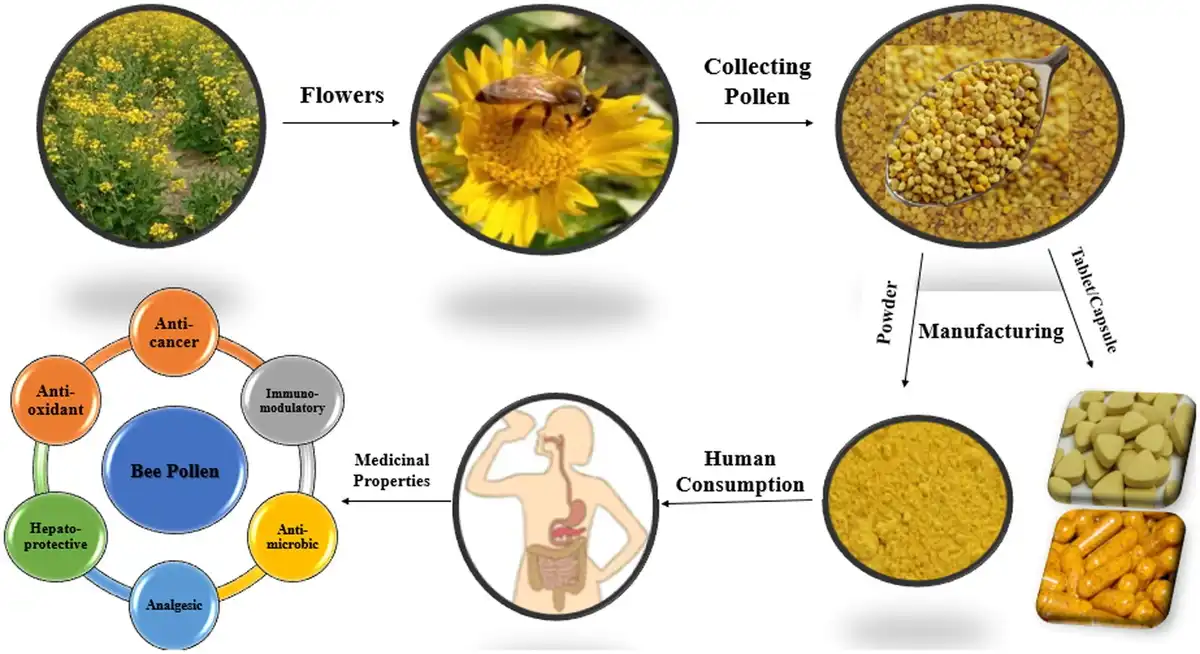
Water-based formulations present greater stability challenges for Pine Pollen Powder than alcohol-based preparations, as the aqueous environment promotes faster degradation of sensitive bioactive compounds and provides conditions favorable for microbial growth. Manufacturers developing water-based pine pollen products must implement robust preservation systems and consider shorter shelf life specifications than those achievable with dried or alcohol-preserved formats. The pine pollen benefits for woman consumers often drive interest in gentler, alcohol-free formulations, requiring careful formulation science to balance stability requirements with consumer preferences. Oil-based preparations offer an interesting alternative stability profile for pine pollen constituents, particularly the lipophilic compounds and fat-soluble vitamins. The natural lipidic compounds present in pine pollen can integrate well with carrier oils, creating stable emulsions or suspensions suitable for topical applications or oral consumption. Research into pollen-based delivery systems has demonstrated that the combination of pollen carotenoids with oil lipids can achieve extended shelf lives of 37 months or more at room temperature, suggesting promising possibilities for oil-based pine pollen formulations that maintain both color stability and bioactive compound integrity over extended storage periods.
Quality Assurance and Stability Testing Protocols
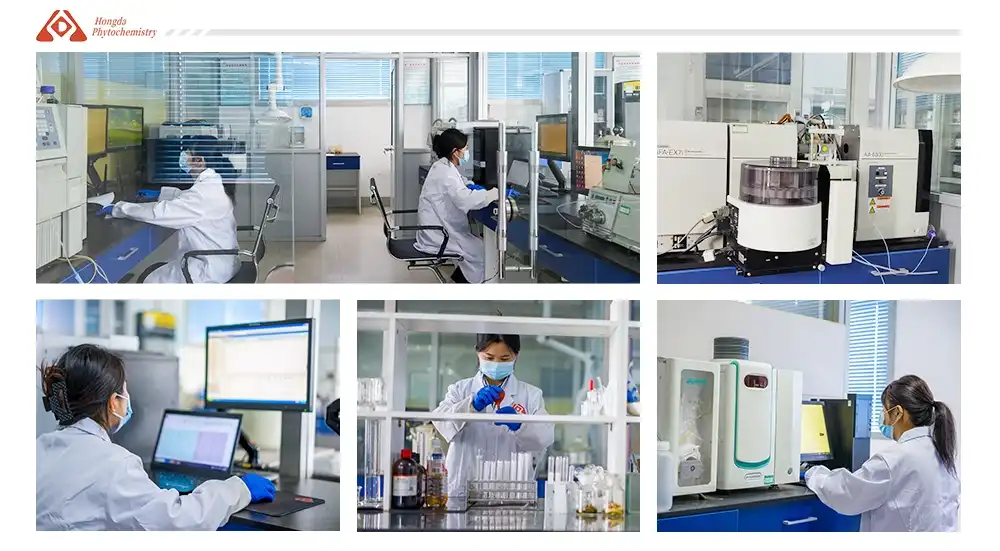
Ensuring consistent stability of Pine Pollen Powder across different formulations requires comprehensive quality assurance programs and systematic stability testing protocols that verify product integrity throughout the specified shelf life. Shaanxi Hongda Phytochemistry Co., Ltd. maintains SGS standardized laboratories equipped with advanced testing instruments including high-performance liquid chromatographs, gas chromatographs, spectrophotometers, atomic absorption spectrophotometers, and other specialized equipment essential for comprehensive quality analysis. These capabilities enable thorough evaluation of both incoming raw materials and finished products to ensure that every batch meets stringent international standards. Stability testing protocols should encompass physical tests evaluating appearance, odor, bulk density, and particle size characteristics over time, along with chemical tests measuring purity, moisture content, ash levels, and solvent residues. Heavy metal testing verifies that products remain within safe limits throughout their shelf life, while microbiological testing confirms that preservation systems effectively prevent contamination during storage. The pine pollen phytoandrogen content, which delivers the characteristic hormonal support benefits of pine pollen, requires specific analytical methods to verify that these valuable compounds maintain their concentrations and bioactivity throughout the product's intended shelf life.
Third-Party Verification and Certification
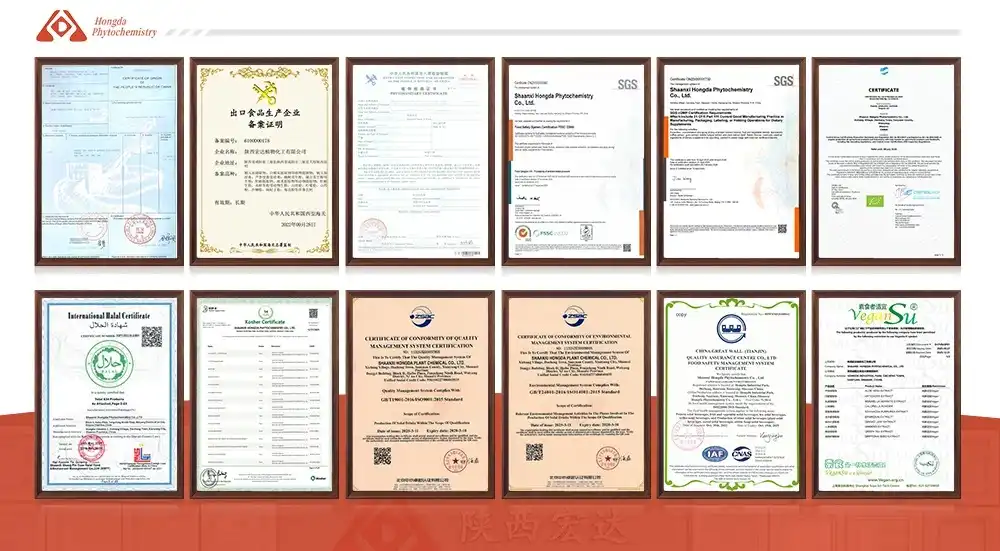
Third-party testing and certification provide independent verification of stability claims and quality specifications for Pine Pollen Powder products. Collaboration with authorized testing agencies such as SGS and Eurofins enables comprehensive evaluation of pesticide residues, nutrition labeling accuracy, natural origin verification, and specific optical rotation measurements that confirm product authenticity and stability. These independent assessments build confidence among formulators and end consumers that the pine pollen products they purchase will perform as expected throughout their labeled shelf life. Certifications including HALAL, KOSHER, cGMP, FSSC22000, ISO9001, ISO22000, VEGAN, BRC, FDA registration, and organic certifications demonstrate commitment to quality systems that support consistent product stability and safety. These certifications require ongoing compliance with documented procedures, regular audits, and continuous improvement processes that help ensure manufacturing practices remain aligned with stability requirements. Manufacturers seeking reliable Pine Pollen Powder suppliers should prioritize partners holding comprehensive certifications that demonstrate their capability to deliver consistently stable, high-quality products suitable for demanding formulation applications.
Conclusion
The stability of Pine Pollen Powderacross different formulations depends on careful attention to processing methods, storage conditions, formulation strategies, and quality control protocols that preserve the rich array of bioactive compounds delivering benefits to both male and female consumers. Whether formulating powders, capsules, tablets, tinctures, or innovative delivery systems, success requires partnering with experienced suppliers who understand the unique stability characteristics of pine pollen and can provide consistently high-quality raw materials backed by comprehensive testing and documentation.
As a leading China Pine Pollen Powder factory, manufacturer, and supplier, Shaanxi Hongda Phytochemistry Co., Ltd. offers High Quality Pine Pollen Powder with competitive Pine Pollen Powder bulk price and reliable China Pine Pollen Powder wholesale options. With Pine Pollen Powder for sale backed by over two decades of expertise, advanced production facilities, and comprehensive certifications, we deliver the stability and quality your formulations demand. Contact us today at duke@hongdaherb.com to discuss your requirements and discover how our premium pine pollen products can enhance your supplement line. Bookmark this page for future reference!
References
1. Cheng, Y., Wang, Z., Quan, W., Xue, C., Qu, T., Wang, T., Chen, Q., Wang, Z., & Zeng, M. "Pine pollen: A review of its chemical composition, health effects, processing, and food applications." Trends in Food Science & Technology, 2023.
2. Prabhakar, A.K., Potroz, M.G., et al. "Macromolecular Microencapsulation Using Pine Pollen: Loading Optimization and Controlled Release with Natural Materials." ACS Applied Materials & Interfaces, 2018.
3. Aziz, M., et al. "The efficacy of using pine (Pinus massoniana) pollen as an alternative to synthetic steroids in producing monosex male Nile tilapia (Oreochromis niloticus, L.)." Aquaculture, Fish and Fisheries, 2022.
4. Thisayakorn, K., et al. "Effects of Pine Pollen Extract in Relieving Hot Flushes in Sex Hormone-Deficient Rats." Journal of Ethnopharmacology, 2017.
5. Sheng, W., et al. "Analysis of pharmacological effects and clinical application of pine pollen." Chinese Traditional and Herbal Drugs, 2018.