


_1745918362135.webp)

What advantages does Semaglutide Powder offer over injectable semaglutide?
For pharmaceutical companies and qualified research organizations, the main value of Semaglutide Powder is not that the raw material is inherently more effective than an injectable medicine. Its advantage is primarily related to upstream formulation development, specification control, procurement flexibility, and the ability to work with an active pharmaceutical ingredient before it becomes a finished dosage form. Shaanxi Hongda Phytochemistry Co., Ltd. provides semaglutide-related raw materials and supporting documents to clients in the pharmaceutical research, development, and manufacturing industry. Therefore, when comparing a powder to a pre-filled injectable product, purchasers need to discern between the advantages of an API-format material and the proven therapeutic advantages of an authorized drug. From a regulatory or clinical point of view, the two are not interchangeable.
Why the Powder Format Matters to Pharmaceutical Developers?
Injectable semaglutide is already a final dosage form, in the shape of a pre-filled injection. The concentration, container, delivery mechanism, route of administration, and authorized directions have previously been defined by the product developer and the regulatory body. This is advantageous for the intended purpose of the completed pen, but it also implies that a producer acquiring the finished product has little control over those qualities.
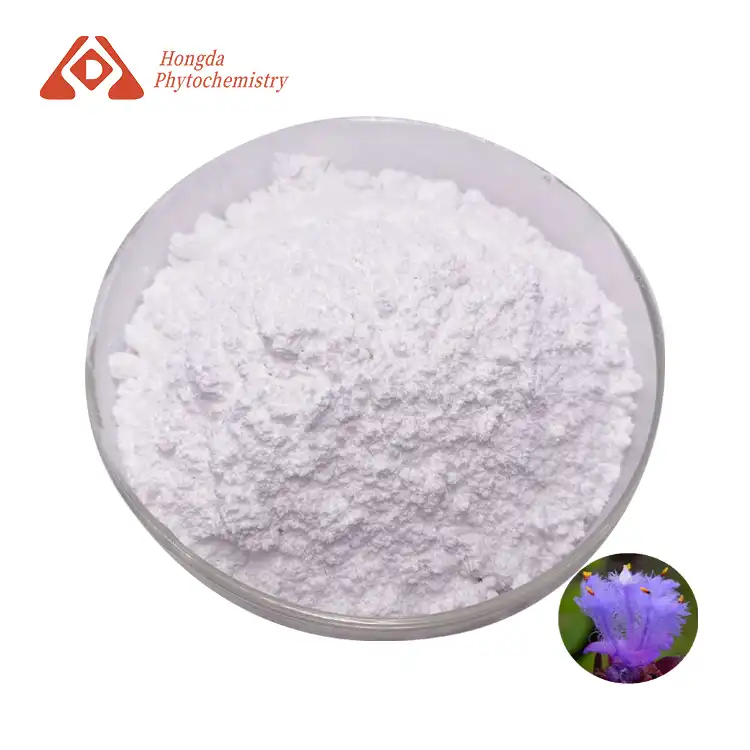
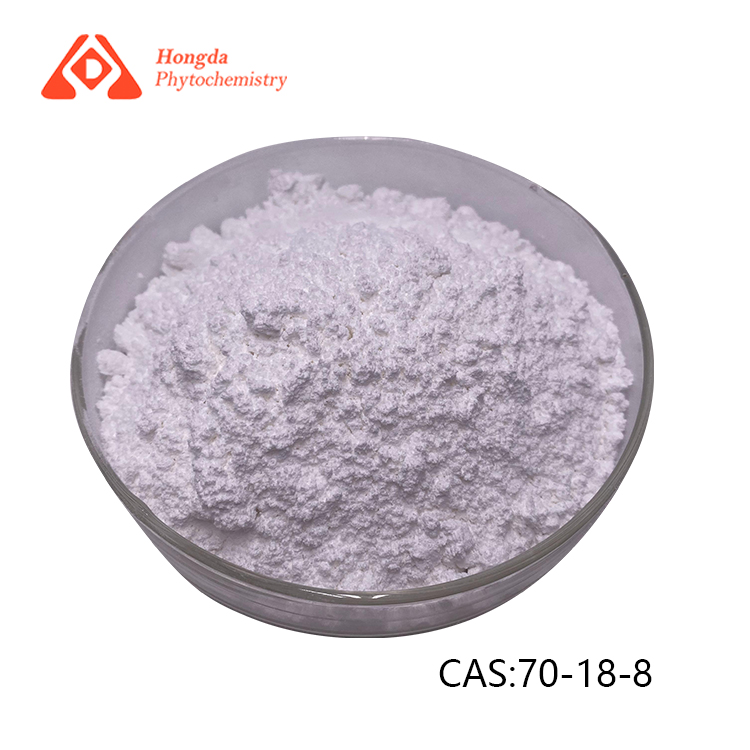
Semaglutide powder is at a distinct point in the supply chain. Subject to the legal framework, quality criteria, formulation strategy, and production controls in force, it may be used as a starting material for the creation of pharmaceuticals. This upstream location might provide greater flexibility in procurement and development planning for organizations who create and manufacture their own final goods.
That difference matters, since the powder should not be marketed as a better treatment only because it is not given in a pre-filled pen. The clinical performance of semaglutide is determined by the final formulation, method of administration, dosage, manufacturing process, and quality controls. Thus, the advantage of the powder form is mostly operational and developmental rather than a direct therapeutic benefit.
Greater Control During Formulation Development
Rather than buying a completed injectable product, working from an API gives trained pharmaceutical developers more flexibility over formulation options. The regulated development settings allow developers to explore suitable dosage form properties, excipient compatibility, concentration, package arrangement, and stability.
It is not the case that every way of administration is inevitably appropriate. Semaglutide is a peptide medication, and its formulation behavior is very dependent on the desired route and delivery method. Any oral, injectable, or other dosage form must undergo proper development work and regulatory assessment before it may be sold.
There is already an oral semaglutide drug that is proven. For example, the European Medicines Agency says Rybelsus is a prescription tablet with semaglutide for individuals with type 2 diabetes that is not well managed. This illustrates that semaglutide can be created for oral administration, but this should not be taken to mean that a powder in its unformulated state can be easily turned into a final oral drug without further pharmaceutical development.
More Flexibility in Material Procurement
The final pharmaceutical article is a completed injectable pen. Conversely, if the applicable restrictions allow, an API-format item may be integrated into the company’s own research and production pathway.
For procurement teams this might be valuable if the project demands a clear raw-material specification, several development batches, or longer-term supply planning. Instead of buying solely completed demonstration units, a company may review the API against its own accepted specs and certification methods.
This flexibility might be especially significant for firms with many development initiatives. The same qualified supply source may be assessed for multiple phases of development; however, each application still needs to be assessed for its specific formulation, process, analytical, and regulatory properties.

How Quality Control Influences the Value of Semaglutide Powder?
The quality of a peptide API is more important than simply looking at a headline purity number. Buyers should consider identity, purity, related substances, assay, residual solvents where applicable, water content, microbial or endotoxin requirements where relevant to the intended use, and the analytical methods used to establish conformity.
For this reason, a reliable supplier should be able to provide batch-specific quality documentation rather than relying only on a general product description.
Batch-Level Analytical Documentation
Hongda Phytochemistry states that its Semaglutide Powder is supplied with quality documentation such as a Certificate of Analysis and analytical information. For a pharmaceutical buyer, these documents are useful starting points for supplier qualification and incoming-material assessment.
A COA should be reviewed against the buyer's own specification rather than treated as a universal regulatory certificate. Depending on the development stage and applicable quality system, customers may also need additional technical information concerning identity, purity, analytical methodology, storage conditions, packaging, and batch traceability.
This approach gives procurement and quality teams a clearer basis for comparing suppliers. Instead of choosing a powder solely because it has a particular percentage purity, buyers can evaluate whether the supplier's testing package is sufficiently transparent and consistent with their own qualification requirements.
Peptide Integrity and Storage Need Verification
Semaglutide is a peptide, so storage and handling conditions should be based on validated product-specific data. A supplier should clearly state recommended storage conditions, packaging configuration, and applicable shelf-life information.
Hongda Phytochemistry provides a stated specification for its material, including a purity level of at least 98% and low-temperature lyophilization. However, such figures should be confirmed against the current batch specification and technical documentation rather than presented as universal characteristics of all Semaglutide Powder.
This distinction also avoids an inaccurate comparison with injectable products. Finished injectable semaglutide products have their own approved storage requirements. For example, FDA labeling for Wegovy specifies refrigerated storage at 2–8°C for the single-dose pen, with defined conditions for limited room-temperature storage.
The practical advantage of a powder supply format is therefore not necessarily that it eliminates cold-chain requirements. Its value is that the manufacturer receives a controlled raw material with defined handling requirements and can design the downstream manufacturing and packaging process around the validated formulation.
Where Powder Can Improve Supply Chain Planning?
Supply chain flexibility is another area where an API-format material can be useful. A finished injectable product requires the supplier to manage the complete product configuration, including the delivery device, fill-finish operation, packaging, and final presentation.
An API supplier operates earlier in that chain. For qualified buyers, this can create a different procurement model in which the raw material is purchased according to agreed specifications and production schedules.
Easier Alignment With Manufacturing Requirements
A pharmaceutical manufacturer may have its own filling, packaging, or dosage-form development capabilities. In such cases, purchasing the active ingredient separately can fit more naturally into an existing manufacturing strategy than purchasing finished pens.
The benefit is particularly relevant to organizations that need control over their own production planning. They can evaluate raw-material requirements, batch sizes, inventory levels, and production schedules according to their development program instead of being limited to a finished product configuration.
This should not be confused with a guarantee of lower total cost. The final economics depend on synthesis cost, analytical testing, formulation development, fill-finish requirements, packaging, regulatory obligations, logistics, and production scale. Powder may reduce some downstream purchasing constraints, but it does not automatically make the complete medicine cheaper.
Supplier Capacity and Delivery Planning
Hongda Phytochemistry states that it has peptide/API production capabilities and can support bulk supply programs. The company also describes production facilities covering approximately 20,000 square meters and an established analytical laboratory environment.
For buyers, capacity claims are most useful when they can be supported by current production information, batch records, quality documentation, and agreed lead times. For Semaglutide Powder, procurement teams should confirm MOQ, available batch size, lead time, packaging, shipping conditions, and continuity plans directly with the supplier rather than relying on a general statement that supply is “reliable.”
This creates a more credible purchasing process and helps reduce the risk of unexpected delays during development or commercial planning.

Why Specification Flexibility Can Matter More Than Finished-Product Convenience?
The greatest difference between raw semaglutide and a pre-filled injectable product is the level of control available to the manufacturer.
A pre-filled pen is designed around a specific product specification. An API purchase, by comparison, allows a qualified manufacturer to establish its own downstream formulation and production parameters within the boundaries of applicable regulations.
Specification Matching for Different Development Stages
During early development, a company may require analytical quantities or development batches. Later stages may require larger quantities with tighter supplier qualification, documentation, and batch-to-batch consistency requirements.
A supplier that can support these different stages can be more useful than one that only provides a single standardized commercial package.
Hongda Phytochemistry can discuss customer-specific requirements concerning purity, packaging, documentation, and supply arrangements. However, any requested specification should be agreed upon through technical documentation and quality procedures rather than assumed from a marketing page.
Particle size, for example, should not be presented as an automatic way to improve semaglutide bioavailability. The appropriate physical characteristics depend on the final formulation and manufacturing process. Similarly, purity should be selected according to the intended pharmaceutical specification rather than simply choosing the highest advertised number.
Documentation Supports Supplier Qualification
For pharmaceutical procurement, documentation is often as important as the material itself. Buyers may need information covering product identity, analytical testing, batch traceability, storage, packaging, and quality-system controls.
Hongda Phytochemistry states that it maintains certifications and registrations, including cGMP, ISO9001, ISO22000, FSSC22000, Halal, Kosher, and FDA registration. These credentials can contribute to supplier assessment, but they should not be described as proof that a particular Semaglutide Powder product is approved by the FDA, EMA, PMDA, or another medicines regulator.
The distinction matters. A manufacturing site's certification or registration does not replace product-specific regulatory approval. Ultimately, the pharmaceutical company responsible for the finished medicine remains responsible for demonstrating the safety, quality, efficacy, and regulatory compliance of its product.
What Buyers Should Check Before Choosing a Semaglutide Powder Supplier?
The comparison with injectable semaglutide becomes much more useful when buyers focus on supply quality rather than assuming that powder is automatically superior.
First, the buyer should confirm exactly what chemical form the supplier is offering. This is especially important when purchasing Semaglutide Powder because the FDA has warned about semaglutide salt forms such as semaglutide sodium and semaglutide acetate. FDA states that these are different active ingredients from the semaglutide used in approved products and that it does not have information establishing that the salts have the same chemical and pharmacological properties.
Second, the buyer should review the supplier's current specification and batch-level analytical documentation. Purity alone is not enough to establish suitability. Identity, related substances, analytical methodology, traceability, and applicable quality attributes should be considered as part of the supplier qualification process.
Third, storage and shipping conditions should be confirmed before purchasing. Peptide materials can require controlled handling, and the applicable requirements should come from validated supplier data and the intended manufacturing process.
Finally, buyers should establish whether the supplier is capable of supporting the project beyond the first purchase. Consistent batch supply, technical communication, documentation updates, packaging options, and agreed lead times can become more important as a project moves from laboratory development toward larger-scale manufacturing.

Is Semaglutide Powder Actually Better Than Injectable Semaglutide?
For a patient who has been prescribed an approved injectable medicine, Semaglutide Powder is not a substitute and should not be presented as a clinically superior option. Finished medicines have undergone the regulatory evaluation required for their intended use, while an API is a starting material that requires further pharmaceutical processing and quality control.
For a pharmaceutical developer, however, the powder format can offer practical advantages. It can provide greater control over raw-material procurement, formulation development, batch planning, packaging strategy, and supplier qualification. These are manufacturing and development advantages rather than inherent therapeutic advantages.
This distinction also explains why a good supplier page should avoid claiming that powder offers “better absorption,” “faster action,” or “better treatment results” without product-specific clinical evidence. The final performance of a semaglutide medicine depends on its complete formulation and route of administration.
The existence of approved oral semaglutide products further illustrates why the discussion needs to be precise. EMA recognizes Rybelsus as an oral semaglutide medicine, while regulatory authorities continue to evaluate different formulations and presentations. In May 2026, EMA's CHMP also issued a positive opinion recommending an oral tablet form of Wegovy in additional strengths.
Therefore, the strongest commercial argument for Semaglutide Powder is not that it replaces injectable semaglutide. It is that a qualified pharmaceutical manufacturer may gain greater control over the upstream material and subsequent product-development process.

Conclusion
Semaglutide powder can offer meaningful advantages for qualified pharmaceutical manufacturers and research organizations when the priority is control over raw-material procurement, formulation development, quality documentation, and supply planning. Unlike a pre-filled injectable product, an API-format material gives developers more room to establish their own downstream manufacturing strategy, subject to applicable pharmaceutical and regulatory requirements.
At the same time, these advantages should not be confused with clinical superiority. Semaglutide powder is not automatically safer, more effective, or easier to administer than an approved injectable medicine. The final product's quality and performance depend on formulation development, manufacturing controls, analytical testing, and regulatory authorization.
Hongda Phytochemistry, operated by Shaanxi Hongda Phytochemistry Co., Ltd., can support qualified B2B customers with Semaglutide Powder, technical documentation, supply coordination, and customer-specific discussions concerning material specifications. The company states that it has more than 24 years of API development experience, production facilities covering approximately 20,000 square meters, SGS-standard laboratory capabilities, and a broad range of quality-system certifications and registrations.
For buyers evaluating a supplier, the most useful next step is to request the current product specification, batch COA, analytical documentation, storage and shipping requirements, packaging information, MOQ, lead time, and applicable quality certificates. These details provide a much stronger basis for supplier qualification than general claims about therapeutic potential or cost savings.
Because semaglutide is a regulated pharmaceutical active ingredient, buyers should also confirm the intended legal and regulatory use of the material in their jurisdiction before placing an order. FDA has specifically highlighted quality and dosing concerns associated with compounded semaglutide products, reinforcing the importance of using appropriate active ingredients and qualified processes.
For pharmaceutical companies looking for a controlled upstream supply of Semaglutide Powder, the combination of material quality, analytical transparency, manufacturing capability, documentation, and responsive technical support is ultimately more valuable than simply comparing powder with injectable semaglutide on the basis of price or convenience.
Contact duke@hongdaherb.com today to discuss your formulation requirements and discover how our factory-direct pricing and technical expertise accelerate your market entry while ensuring exceptional product quality that builds consumer trust and brand loyalty.
References
1. Aroda VR, Rosenstock J, Terauchi Y, et al. "PIONEER 1: Randomized Clinical Trial of the Efficacy and Safety of Oral Semaglutide Monotherapy in Comparison With Placebo in Patients With Type 2 Diabetes. "Diabetes Care," Volume 42, Issue 9, September 2019.
2. Husain M, Birkenfeld AL, Donsmark M, et al. "Oral Semaglutide and Cardiovascular Outcomes in Patients with Type 2 Diabetes." New England Journal of Medicine, Volume 381, Issue 9, August 2019.
3. Pratley R, Amod A, Hoff ST, et al. "Oral Semaglutide versus Subcutaneous Liraglutide and Placebo in Type 2 Diabetes (PIONEER 4): A Randomized, Double-blind, Phase 3a Trial." The Lancet, Volume 394, Issue 10192, July 2019.
4. Yamada Y, Katagiri H, Hamamoto Y, et al. "Dose-response, Efficacy, and Safety of Oral Semaglutide Monotherapy in Japanese Patients with Type 2 Diabetes (PIONEER 9): A 52-week, Phase 2/3a, Randomized, Controlled Trial." The Lancet Diabetes & Endocrinology, Volume 8, Issue 5, May 2020.
5. Zinman B, Bhosekar V, Busch R, et al. "Semaglutide Once Weekly as Add-on to SGLT-2 Inhibitor Therapy in Type 2 Diabetes (SUSTAIN 9): A Randomized, Placebo-Controlled Trial." The Lancet Diabetes & Endocrinology, Volume 7, Issue 5, May 2019.