


_1745918362135.webp)

What Are the Key Benefits of Oxytocin Powder in Medical Treatments?
Oxytocin Powder represents a revolutionary advancement in pharmaceutical peptide therapy, offering transformative medical benefits across obstetrics, psychiatry, and social behavior enhancement. This synthetic peptide hormone, commonly known as the "love hormone," provides pharmaceutical manufacturers and healthcare providers with a reliable solution for inducing labor, managing postpartum complications, and supporting emotional well-being treatments. With its 98% purity specification and proven clinical efficacy, pharmaceutical-grade oxytocin addresses critical medical needs while maintaining stringent safety standards. Leading suppliers like Hongda Phytochemistry and Shaanxi Hongda Phytochemistry Co., Ltd. have established comprehensive manufacturing capabilities to meet growing global demand for this essential therapeutic compound.
Understanding Oxytocin Powder: Composition and Mechanism
Molecular Structure and Chemical Properties
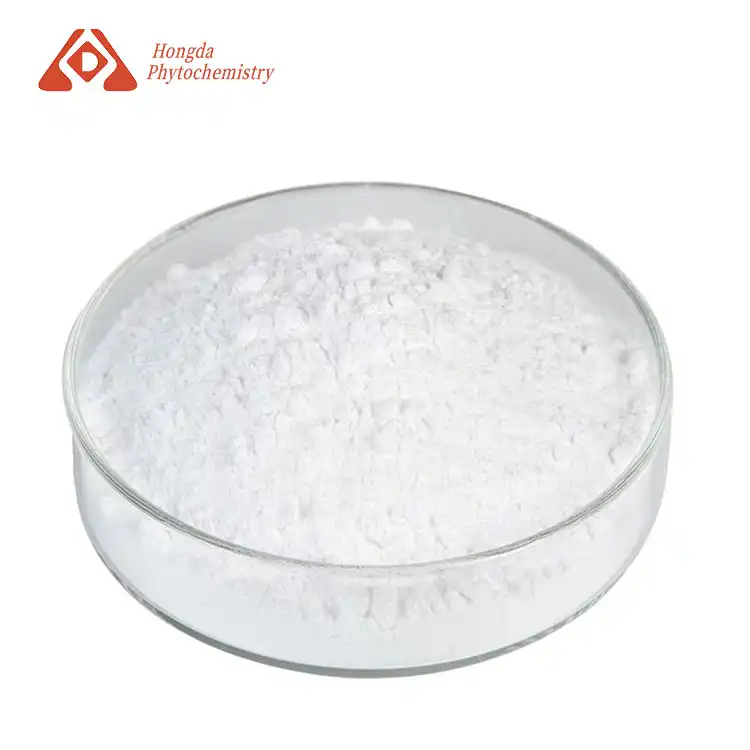
Oxytocin powder comprises a nine-amino acid peptide hormone with an atomic weight of 1007.19 Da and CAS number 50-56-6. This manufactured peptide mirrors the characteristic hormone created by the hypothalamus, maintaining indistinguishable natural movement while offering superior stability and purity. The white crystalline powder dissolves promptly in water and weak acidic solutions, making it suitable for various pharmaceutical formulations. The synthetic form eliminates variability associated with natural extraction while ensuring consistent potency across batches. Manufacturing processes utilize advanced peptide synthesis techniques, resulting in pharmaceutical-grade material that meets USP and EP guidelines. Quality control measures include HPLC analysis, mass spectrometry validation, and endotoxin testing to ensure product safety and efficacy.
Mechanism of Action in Medical Applications
Oxytocin applies its therapeutic effects through specific binding to oxytocin receptors distributed throughout the body, especially in the uterus, mammary glands, and central nervous system. Upon receptor activation, the hormone triggers intracellular calcium release, leading to smooth muscle contraction in reproductive tissues. This mechanism is crucial for labor initiation and postpartum hemorrhage control. Neurological applications include oxytocin's interaction with brain receptors responsible for social bonding, trust formation, and anxiety regulation. Research shows that oxytocin administration enhances interpersonal connection while reducing stress-related cortisol levels. These properties support its growing use in psychiatric treatments and interventions for autism spectrum disorder.
Clinical Research and Therapeutic Validation
Recent clinical trials have expanded the understanding of oxytocin's therapeutic potential beyond traditional obstetric applications. Studies demonstrate significant efficacy in treating social anxiety disorders, with patients showing improved interpersonal communication and reduced isolation behaviors. Pain management research uncovers oxytocin's analgesic properties, particularly in chronic pain conditions where conventional medications prove insufficient. Psychiatric applications show promising results in autism spectrum disorder treatments, where oxytocin administration improves social recognition and emotional processing. These findings support the extension of therapeutic protocols while emphasizing the importance of pharmaceutical-grade purity in achieving consistent clinical outcomes.
Key Medical Benefits of Oxytocin PowderLabor Induction and Obstetric Applications
Healthcare suppliers depend on oxytocin for secure and compelling labor initiation when natural progression is lacking. The hormone strengthens rhythmic uterine contractions that promote cervical dilation and fetal descent through the birth canal. Clinical protocols typically include intravenous administration with careful monitoring of contraction quality and frequency to avoid uterine hyperstimulation. Postpartum applications include hemorrhage control through sustained uterine muscle contraction, which compresses blood vessels and reduces excessive bleeding. This application is particularly beneficial in emergency situations where timely intervention prevents maternal complications. The pharmaceutical-grade purity ensures predictable dosing and minimizes adverse reactions during critical medical procedures.
Lactation Support and Mammary Gland Function
Oxytocin powder plays a significant role in the milk ejection reflex, facilitating breastfeeding success through mammary smooth muscle contraction. This function enables efficient milk transfer from alveolar structures to ductal systems, promoting maternal-infant bonding while providing essential nutrition. Healthcare providers use oxytocin powder treatment to address lactation issues, especially in cases where normal hormone production is insufficient. The therapeutic application extends beyond immediate postpartum needs, supporting long-term breastfeeding goals and addressing lactation-related complications. Pharmaceutical-grade formulations ensure consistent potency while minimizing contamination risks that could affect both maternal and newborn health outcomes.
Psychiatric and Behavioral Therapy Applications
Mental health professionals increasingly recognize oxytocin's potential in treating social anxiety disorders, autism spectrum conditions, and relationship issues. The hormone enhances trust formation, emotional recognition, and interpersonal bonding, making it valuable for therapeutic interventions targeting social functioning. Clinical applications include intranasal administration for autism spectrum disorder treatments, where patients exhibit improved social engagement and communication skills. Research supports oxytocin's anxiolytic properties, with studies showing reduced cortisol levels and improved stress responses in treated patients. These benefits extend to other psychiatric conditions where social functioning and emotional regulation are challenging, offering new therapeutic pathways for previously difficult-to-treat conditions.

Comparing Oxytocin Powder with Alternative Forms and Solutions
Powder Versus Injectable Formulations
Pharmaceutical producers face critical choices when selecting between powder and pre-formulated injectable forms of oxytocin. Powder formulations offer superior stability during storage and transportation, especially important for global distribution where temperature variations may occur. The dry powder maintains potency for extended periods when stored under proper conditions, reducing waste and ensuring consistent therapeutic outcomes. Injectable formulations provide convenience for immediate clinical use but require careful cold-chain management to prevent degradation. Powder forms allow for customized concentration preparation, enabling healthcare providers to adjust dosing based on specific patient needs and clinical protocols. This flexibility proves especially valuable in specialized treatment scenarios where standard concentrations may not offer optimal results.
Synthetic Versus Natural Oxytocin Sources
Synthetic oxytocin production eliminates batch-to-batch variability associated with organic extraction methods while ensuring consistent purity and potency. Manufacturing controls enable precise amino acid sequencing and eliminate contamination risks from animal-derived sources. This consistency is crucial for pharmaceutical applications where dosing accuracy directly impacts patient safety and treatment efficacy. Natural oxytocin extraction involves complex purification processes that may introduce contaminants or result in degraded product quality. Synthetic production supports large-scale manufacturing to meet growing global demand while adhering to stringent quality standards. Regulatory bodies increasingly favor synthetic peptides due to their reproducible manufacturing processes and comprehensive quality documentation.
Market Analysis and Supplier Considerations
The global oxytocin market demonstrates steady growth driven by expanding therapeutic applications and increased awareness of mental health treatments. Key geographic markets include North America, Europe, and Asia, with rising demand in developing healthcare systems. Pricing considerations include purity specifications, manufacturing scale, and regulatory compliance requirements that vary across international markets. Supplier evaluation criteria include manufacturing certifications, quality control capabilities, and regulatory documentation support. Established producers with comprehensive documentation packages provide procurement experts with confidence in product consistency and regulatory compliance. Factors such as delivery reliability, technical support, and customization capabilities influence long-term supplier relationships in this specialized pharmaceutical sector.
Procurement Guide: How to Source Pharmaceutical-Grade Oxytocin PowderSupplier Certification and Quality Verification
Oxytocin powder procurement experts must prioritize providers with comprehensive administrative certifications including cGMP, FDA registration, and ISO quality management systems. These certifications ensure manufacturing processes meet global pharmaceutical standards while providing documentation necessary for regulatory submissions. Verification should include on-site inspections or third-party certification audits to confirm genuine compliance with stated standards. Quality assurance extends beyond certifications to include analytical testing capabilities, team documentation practices, and stability testing programs. Providers should provide comprehensive Certificates of Analysis, including purity assurance, degradation profiles, and microbiological testing results. This documentation is essential for pharmaceutical manufacturers requiring detailed quality documentation for their own regulatory filings.
Regulatory Compliance and Documentation Requirements
International pharmaceutical trade requires extensive documentation, including drug master files, certificates of suitability, and regulatory dossiers. Suppliers must maintain current registrations with relevant regulatory bodies and provide supporting documentation for client submissions. This documentation package should include manufacturing process descriptions, quality control methods, and stability testing data. Compliance considerations vary by target market, with different regulatory requirements in the United States, Europe, and Asian markets. Suppliers with experience in multiple markets offer valuable guidance on specific requirements while ensuring documentation meets local regulatory expectations. This expertise proves especially beneficial for companies expanding into new geographic markets.
Logistics and Storage Considerations
Pharmaceutical-grade oxytocin requires specialized handling and storage conditions to maintain stability and potency. Temperature-controlled transportation becomes essential for maintaining cold-chain integrity during global shipping. Suppliers should offer certified shipping containers with temperature monitoring systems to ensure product quality upon delivery. Storage requirements include protection from light exposure and maintenance of refrigerated conditions between 2-8°C. Packaging specifications should reflect these requirements while providing adequate protection during transportation. Minimum order quantities often reflect packaging constraints and manufacturing efficiency requirements, with suppliers offering various package sizes to accommodate different customer needs.

Shaanxi Hongda Phytochemistry: Premium Oxytocin Powder Solutions
Manufacturing Excellence and Quality Assurance
Shaanxi Hongda Phytochemistry has established itself as a leading producer of pharmaceutical-grade peptides through more than two decades of specialized experience in oxytocin generation. Our state-of-the-art office spans 20,000 square meters and features 100,000-level decontamination workshops equipped with advanced peptide synthesis and refinement hardware. The manufacturing framework includes specialized freeze-drying capabilities, precision analytical tools, and comprehensive quality control laboratories. Our quality assurance program encompasses triple testing protocols using HPLC, LC-MS, and NMR analysis to verify purity specifications exceeding 98%. Each production batch undergoes thorough testing for bacterial endotoxins, maintaining levels below 300 IU/mg to meet rigid pharmaceutical requirements. The comprehensive testing program includes amino acid analysis, related substance determination, and stability confirmation ensuring consistent product quality across all batches.
Comprehensive Certification Portfolio
Our manufacturing facility maintains an extensive portfolio of international certifications including cGMP, FDA registration, ISO9001, ISO22000, and specialized certifications such as Kosher and Halal compliance. These certifications demonstrate our commitment to meeting diverse customer requirements while ensuring product acceptance in global markets. The BRC certification specifically addresses food safety management systems, while organic certifications support natural product applications.Recent certification additions include FSSC22000 and enhanced European organic compliance, expanding our market reach and demonstrating continuous improvement in quality management systems. Our regulatory affairs team maintains current documentation packages including complete analytical dossiers, stability studies, and regulatory filing support materials that facilitate customer submissions to international regulatory agencies.
Product Specifications and Custom Solutions
Our premium oxytocin powder meets rigorous pharmaceutical specifications with 98% minimum purity verified through multiple analytical methods. The white crystalline powder exhibits excellent water solubility and maintains stability under proper storage conditions. Standard packaging includes 12kg drums with 27 drums per tray, optimizing logistics efficiency while maintaining product integrity throughout the supply chain.Custom formulation services accommodate specific customer requirements including alternative packaging configurations, concentration adjustments, and specialized purity specifications. Our technical team provides consultation services to optimize formulations for specific applications while ensuring regulatory compliance. Delivery schedules typically range from 3-7 working days for standard products, with expedited options available for urgent requirements.

Conclusion
Oxytocin Powder represents a cornerstone therapeutic compound with proven efficacy across obstetric, psychiatric, and social behavioral applications. The pharmaceutical industry's growing recognition of its diverse therapeutic potential drives increasing demand for high-quality, pharmaceutical-grade formulations. Successful procurement requires careful attention to supplier certifications, quality documentation, and regulatory compliance to ensure product safety and therapeutic efficacy. Leading manufacturers like Shaanxi Hongda Phytochemistry provide comprehensive solutions combining advanced manufacturing capabilities with extensive certification portfolios to meet evolving market demands.
Frequently Asked Questions
What is the recommended dosage for oxytocin powder in clinical applications?
Clinical dosage recommendations vary significantly based on therapeutic application and patient-specific factors. Obstetric applications typically involve intravenous administration with careful titration based on uterine response and fetal monitoring. Healthcare providers must follow established protocols while considering individual patient characteristics such as pregnancy history, cervical readiness, and potential contraindications.
Psychiatric applications utilize different dosing regimens, often involving intranasal administration at lower concentrations. Treatment protocols should always follow current medical guidelines while incorporating patient monitoring for adverse reactions or unexpected responses.
How does synthetic oxytocin compare to natural hormone in terms of efficacy?
Synthetic oxytocin demonstrates identical biological activity to naturally occurring hormone while offering superior consistency and purity. The synthetic peptide maintains the same amino acid sequence and molecular structure, ensuring equivalent receptor binding and physiological responses. Manufacturing advantages include elimination of biological variability and contamination risks associated with animal-derived sources.
Clinical studies confirm equivalent therapeutic outcomes between synthetic and natural oxytocin while highlighting the practical advantages of synthetic production for pharmaceutical applications. Regulatory agencies generally prefer synthetic peptides due to their reproducible manufacturing processes and comprehensive quality control capabilities.
What storage requirements are necessary for maintaining oxytocin powder stability?
Pharmaceutical-grade oxytocin requires refrigerated storage between 2-8°C with protection from light exposure to maintain optimal stability. Proper storage conditions prevent degradation and ensure consistent potency throughout the product's shelf life. Humidity control becomes important in preventing moisture absorption that could affect powder characteristics.
Temperature excursions should be minimized during transportation and handling to prevent irreversible degradation. Suppliers typically provide detailed stability data supporting specific storage recommendations while offering guidance on handling procedures that preserve product quality.
Contact Shaanxi Hongda Phytochemistry for Premium Oxytocin Powder
Pharmaceutical manufacturers seeking a reliable oxytocin powder supplier can benefit from our comprehensive manufacturing capabilities and extensive certification portfolio. Shaanxi Hongda Phytochemistry offers pharmaceutical-grade oxytocin with 98% minimum purity, complete regulatory documentation, and flexible packaging options to meet diverse procurement requirements. Our experienced technical team provides consultation services supporting formulation development and regulatory submissions while ensuring consistent product quality through advanced manufacturing processes.Contact our team at duke@hongdaherb.com for detailed product specifications, competitive pricing information, and technical consultation services. Visit hongdaherbs.com to explore our complete product portfolio and learn more about our commitment to pharmaceutical excellence through innovative manufacturing and quality assurance programs.
References
1. Bakermans-Kranenburg, M. J., & van IJzendoorn, M. H. (2013). Sniffing around oxytocin: Review and meta-analyses of trials in healthy and clinical groups with implications for pharmacotherapy. Translational Psychiatry, 3(5), e258.
2. Carmichael, M. S., Humbert, R., Dixen, J., Palmisano, G., Greenleaf, W., & Davidson, J. M. (1987). Plasma oxytocin increases in the human sexual response. Journal of Clinical Endocrinology & Metabolism, 64(1), 27-31.
3. Dale, H. H. (1906). On some physiological actions of ergot. Journal of Physiology, 34(3), 163-206.
4. Ferguson, J. N., Aldag, J. M., Insel, T. R., & Young, L. J. (2001). Oxytocin in the medial amygdala is essential for social recognition in the mouse. Journal of Neuroscience, 21(20), 8278-8285.
5. Gimpl, G., & Fahrenholz, F. (2001). The oxytocin receptor system: structure, function, and regulation. Physiological Reviews, 81(2), 629-683.
6. Uvnäs-Moberg, K., Handlin, L., & Petersson, M. (2015). Self-soothing behaviors with particular reference to oxytocin release induced by non-noxious sensory stimulation. Frontiers in Psychology, 5, 1529.