


_1745918362135.webp)

What Are the Key Quality Indicators You Should Demand in Yohimbe Extract Powder?
Picture this scenario: You've just invested thousands of dollars in a bulk order of Yohimbe Extract Powder for your supplement line, only to discover wildly inconsistent potency levels that put your customers at risk and your brand reputation in jeopardy. This nightmare scenario plays out more often than you might think in the botanical extract industry. When selecting Yohimbe Extract Powder from Hongda Phytochemistry or any Shaanxi Hongda Phytochemistry Co., Ltd. supplier, understanding the critical quality indicators isn't just important—it's absolutely essential for protecting your business, ensuring regulatory compliance, and delivering safe, effective products to your customers.
Understanding Yohimbe Extract Powder Standardization and Active Ingredient Verification
The foundation of quality assessment for any Yohimbe Extract Powder begins with rigorous standardization of the active alkaloid yohimbine. This critical compound derived from yohimbe bark extract powder must be precisely quantified to ensure both efficacy and safety. The pharmaceutical and nutraceutical industries have long recognized that inconsistent yohimbine content represents one of the most significant quality control challenges facing manufacturers today. Research conducted by independent laboratories has revealed alarming variations in yohimbine concentration across commercially available products, with some containing virtually no detectable active ingredient while others exceeded safe pharmaceutical-grade concentrations. When evaluating yohimbe extract (bark) from professional suppliers, insist on High-Performance Liquid Chromatography analysis as the gold standard testing methodology. This sophisticated analytical technique provides unparalleled accuracy in quantifying yohimbine content, typically ranging from eight percent to ninety-eight percent standardization depending on your formulation requirements. Premium suppliers like Hongda Phytochemistry utilize HPLC equipment alongside UV spectroscopy and gas chromatography to create comprehensive chemical profiles of each production batch. The yohimbe extract dosage recommendations for end consumers depend entirely on verified yohimbine content, making this testing absolutely non-negotiable. Beyond yohimbine, comprehensive alkaloid profiling should identify companion compounds including rauwolscine and corynanthine, which naturally occur in authentic yohimbe bark extract powder and contribute to the overall therapeutic profile.
-
Certificate of Analysis Requirements and Third-Party Verification
Every legitimate batch of Yohimbe Extract Powder must be accompanied by a detailed Certificate of Analysis that provides complete transparency regarding product specifications. This essential documentation should clearly state the yohimbine percentage, moisture content typically maintained below five percent to prevent microbial proliferation, particle size distribution commonly standardized at eighty mesh for optimal dissolution properties, and bulk density measurements. The COA represents far more than bureaucratic paperwork—it serves as your contractual guarantee of product quality and provides the documentation necessary for regulatory compliance across international markets. Progressive manufacturers recognize that internal quality control, while important, must be supplemented with independent third-party verification to establish credibility with sophisticated buyers. Shaanxi Hongda Phytochemistry Co., Ltd. collaborates with internationally recognized testing organizations including SGS and Eurofins to conduct impartial analyses of pesticide residues, heavy metal contamination, microbiological safety, and nutritional labeling accuracy. This external validation provides buyers with confidence that quality claims are independently verified rather than relying solely on manufacturer self-certification. When evaluating potential suppliers, specifically request recent third-party test results and verify that testing agencies are ISO-accredited and recognized within your target regulatory jurisdiction.
Purity Standards and Contaminant Testing Protocols for Yohimbe Extract Powder
The therapeutic benefits of yohimbe extract powder benefits can only be realized when the product meets stringent purity standards that eliminate adulterants, contaminants, and potentially harmful substances. Modern analytical chemistry has revealed that botanical extracts face contamination risks at multiple points throughout the supply chain, from agricultural production through processing and packaging. Heavy metals including lead, mercury, cadmium, and arsenic represent particularly concerning contaminants given their potential for bioaccumulation and serious health consequences even at relatively low concentrations. Atomic absorption spectrophotometry provides the analytical sensitivity required to detect heavy metals at parts-per-billion concentrations, ensuring compliance with stringent United States Pharmacopeia and European Pharmacopoeia limits. Pesticide residue testing constitutes another critical dimension of quality assurance for yohimbe bark extract powder, particularly given that source material originates from agricultural production systems that may employ various crop protection chemicals. Multi-residue screening methodologies using advanced mass spectrometry techniques can simultaneously detect hundreds of different pesticide compounds, providing comprehensive risk assessment. Premium suppliers source from certified organic or sustainably managed forests where chemical inputs are strictly controlled or eliminated entirely, dramatically reducing contamination risks from the outset. When reviewing supplier qualifications, verify that testing protocols cover the complete spectrum of pesticides approved for use in source countries, not merely a limited subset.
-
Microbiological Safety and Sterilization Procedures
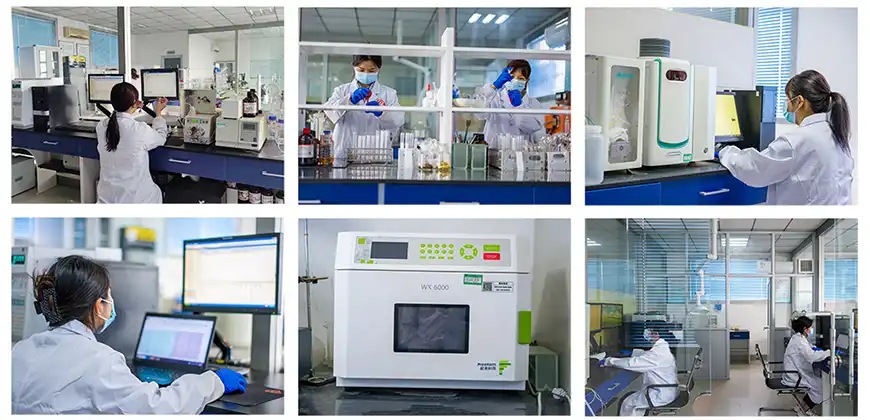
Microbiological contamination represents an often-overlooked quality dimension that can render otherwise high-quality Yohimbe Extract Powder unsafe for human consumption and unsuitable for commercial sale. Total plate counts quantifying aerobic bacteria, yeast and mold enumeration, and specific pathogen testing for Salmonella, E. coli, and Staphylococcus aureus must all fall within acceptable limits established by pharmaceutical compendia and food safety regulations. The natural moisture content and nutrient composition of botanical extracts can create favorable conditions for microbial proliferation if proper hygiene and storage protocols are not rigorously maintained throughout the supply chain. Professional manufacturers employ multiple strategies to ensure microbiological safety including sourcing from controlled agricultural environments, implementing Good Manufacturing Practices throughout processing operations, utilizing validated sterilization procedures such as gamma irradiation or ethylene oxide treatment when appropriate, and maintaining climate-controlled storage facilities that prevent moisture accumulation. Shaanxi Hongda Phytochemistry Co., Ltd. operates one hundred thousand-level purification workshops that maintain pharmaceutical-grade environmental controls minimizing airborne contamination during production and packaging operations. These sophisticated facilities represent significant capital investments that distinguish serious professional manufacturers from lower-tier operations cutting corners on quality infrastructure.
Regulatory Compliance and Certification Standards for International Markets
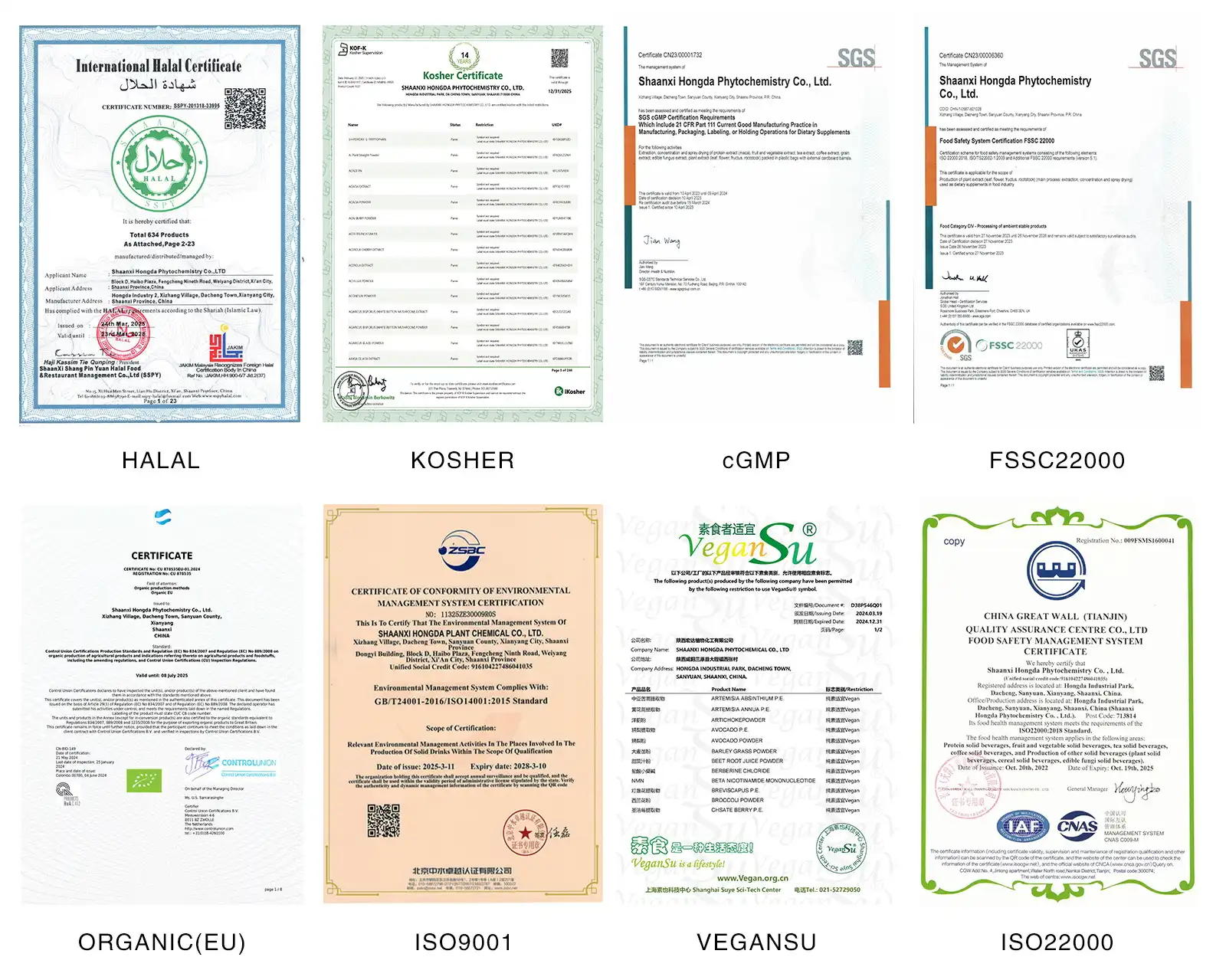
Successfully marketing Yohimbe Extract Powder across international markets demands comprehensive understanding and adherence to diverse regulatory frameworks governing botanical dietary supplements and raw materials. The United States Food and Drug Administration regulates yohimbe-containing products under the Dietary Supplement Health and Education Act, requiring compliance with Current Good Manufacturing Practices, accurate labeling, and safety substantiation. European markets impose additional requirements through Novel Foods regulations, Traditional Herbal Medicinal Products directives, and country-specific restrictions that vary significantly across member states. Navigating this complex regulatory landscape requires suppliers who maintain current expertise and appropriate certifications demonstrating compliance. Premium suppliers invest extensively in obtaining and maintaining internationally recognized certifications that provide buyers with confidence in regulatory compliance. The certification portfolio maintained by Hongda Phytochemistry includes ISO9001 quality management systems, ISO22000 and FSSC22000 food safety management systems, current Good Manufacturing Practices certification specifically relevant to pharmaceutical-grade production, Halal and Kosher certifications enabling access to faith-based markets, and organic certifications from both European Union and USDA National Organic Program authorities. Each certification requires rigorous documentation, regular audits by independent certification bodies, and continuous adherence to prescribed standards. These certifications represent tangible evidence of organizational commitment to quality that extends beyond mere marketing claims.
-
Supply Chain Transparency and Traceability Systems
Modern quality assurance extends beyond testing finished products to encompass complete supply chain transparency enabling full traceability from raw material sourcing through final packaging. This comprehensive approach allows manufacturers to quickly identify and isolate any quality issues, implement targeted corrective actions, and provide customers with detailed sourcing information increasingly demanded by conscious consumers. Sophisticated traceability systems document harvest dates and locations, processing batch numbers, testing results at multiple production stages, storage and transportation conditions, and final packaging details. Leading suppliers like Shaanxi Hongda Phytochemistry Co., Ltd. maintain their own dedicated planting bases where professional agronomists oversee cultivation practices ensuring consistent raw material quality from the ground up. This vertical integration provides unprecedented control over agricultural inputs, harvest timing to optimize alkaloid concentrations, and immediate processing to preserve active compounds. When bark is harvested during optimal seasonal windows with peak alkaloid content, and processed using validated extraction methodologies under controlled conditions, the resulting yohimbe bark extract powder achieves superior consistency compared to material sourced through complex supply chains with multiple intermediaries. Buyers should specifically inquire about sourcing practices and request documentation demonstrating direct relationships with agricultural producers rather than procurement through commodity brokers.
Physical and Chemical Specifications for Optimal Product Performance
Beyond active ingredient content and safety parameters, various physical and chemical specifications profoundly impact the functional performance of Yohimbe Extract Powder in finished product applications. Particle size distribution affects both dissolution rates and consumer perception, with finer powders generally exhibiting improved bioavailability but potentially presenting handling and manufacturing challenges. The standardization at eighty mesh provides an excellent balance between dissolution properties and manufacturing practicality for most applications including capsule filling, tablet compression, and powder blending operations. Bulk density measurements influence packaging requirements, shipping costs, and mixing uniformity when combining multiple ingredients in complex formulations. Moisture content represents another critical specification requiring careful control and monitoring throughout storage and distribution. Excessive moisture not only increases product weight inflating shipping costs, but more importantly creates favorable conditions for chemical degradation and microbial proliferation that can compromise product stability and safety. Premium Yohimbe Extract Powder maintains moisture content below five percent through careful drying procedures and storage in climate-controlled environments utilizing desiccants and moisture barrier packaging materials. Hygroscopic botanical extracts can absorb atmospheric moisture even after initial processing if packaging integrity is compromised, emphasizing the importance of high-quality packaging materials and proper storage conditions.
-
Solubility Characteristics and Formulation Compatibility
The solubility profile of yohimbe extract powder benefits greatly determines its suitability for various finished product formats and delivery systems. Yohimbine exhibits moderate water solubility and good alcohol solubility, characteristics that must be carefully considered during formulation development. For beverage applications or liquid extracts, solubility enhancers or co-solvents may be required to achieve desired concentrations without precipitation. Encapsulation in vegetable capsules provides an elegant solution for consumers preferring to avoid taste considerations while ensuring complete dose delivery. Tablet formulations require additional excipients to achieve adequate compression characteristics and disintegration profiles. When developing proprietary formulations, yohimbe extract dosage calculations must account for the standardized yohimbine content, synergistic or antagonistic interactions with other ingredients, and bioavailability factors affecting actual absorption. Research has demonstrated enhanced effects when combining yohimbe bark extract powder with complementary ingredients including L-arginine supporting nitric oxide production, ginseng providing adaptogenic support, and caffeine offering synergistic metabolic effects. Professional formulators work closely with raw material suppliers to understand ingredient characteristics and optimize formulation performance through pilot scale testing before committing to full production runs.
Conclusion
Demanding rigorous quality standards for Yohimbe Extract Powder protects your business interests, ensures customer safety, and positions your products for success in increasingly competitive global markets. The key quality indicators outlined throughout this comprehensive guide—standardized active ingredient content verified through HPLC testing, comprehensive contaminant screening for heavy metals and pesticides, microbiological safety through validated sterilization procedures, regulatory compliance demonstrated through internationally recognized certifications, and optimal physical specifications for formulation performance—represent the minimum acceptable standards for professional-grade botanical extracts.
Shaanxi Hongda Phytochemistry Co., Ltd. stands ready as your trusted China Yohimbe Extract Powder manufacturer, combining over two decades of specialized expertise with state-of-the-art production facilities spanning twenty thousand square meters. As a leading China Yohimbe Extract Powder factory and China Yohimbe Extract Powder supplier, we maintain comprehensive certifications including cGMP, FSSC22000, ISO9001, ISO22000, and organic approvals enabling seamless market access worldwide. Our commitment to sustainable sourcing, rigorous quality control, and customer partnership has established us as a preferred China Yohimbe Extract Powder wholesale provider offering High Quality Yohimbe Extract Powder at competitive Yohimbe Extract Powder prices. With ready stock, prompt delivery within two to three working days, and Yohimbe Extract Powder for sale in flexible quantities from twenty-five kilogram minimum orders through bulk containers, we provide responsive service meeting your production schedules. Contact our team at duke@hongdaherb.com today to discuss your specific requirements, request detailed technical documentation, and discover how our customized solutions can elevate your product quality and market performance.
References
1. Cohen, P.A., et al. Pharmaceutical quantities of yohimbine found in dietary supplements in the USA. Drug Testing and Analysis, 2016.
2. Chen, P. and Bryden, N. Determination of Yohimbine in Yohimbe Bark and Related Dietary Supplements Using UHPLC-UV/MS: Single-Laboratory Validation. Journal of AOAC International, 2015.
3. National Center for Complementary and Integrative Health. Yohimbe: Usefulness and Safety. National Institutes of Health, 2020.
4. Riley, A.J. Yohimbine in the treatment of erectile disorder. British Journal of Clinical Practice, 1994.