



_1745918362135.webp)

How Does Yohimbe Extract Powder Combat Fatigue?
When evaluating botanical ingredients for energy-focused formulations, buyers usually need more than a general description of the plant. They need to understand the source material, active constituents, standardization, testing, and supply capabilities behind the ingredient. Hongda Phytochemistry, operated by shaanxi hongda phytochemistry co., ltd., supplies standardized yohimbe bark extract powder for manufacturers and formulators looking for a consistent botanical raw material. Derived from the bark of Pausinystalia yohimbe, yohimbe extract contains naturally occurring alkaloids, including yohimbine, which has been studied for its interaction with the adrenergic system. Understanding this composition provides a more practical way to evaluate the ingredient and its potential role in fatigue-focused formulations.
What Is Yohimbe Bark Extract Powder?
Yohimbe bark extract powder is extracted from the bark of the Pausinystalia yohimbe tree, which is found in areas of Central and West Africa. The bark has many alkaloids, of which yohimbine is one of the most well-known compounds.
The levels of these chemicals will vary with the plant material, extraction method, and subsequent standardization. This makes specification control especially crucial for commercial applications. A supplier can offer multiple grades depending on the desired yohimbine concentration, which enables formulators to obtain a material that satisfies their required product specification.
The phrase "yohimbe bark extract powder" consequently refers to more than just the botanical source. It brings up issues of botanical identity, conditions of extraction, active-marker concentration, analytical testing, and batch-to-batch consistency for the professional buyers.
Why Is Yohimbine Important to the Ingredient?
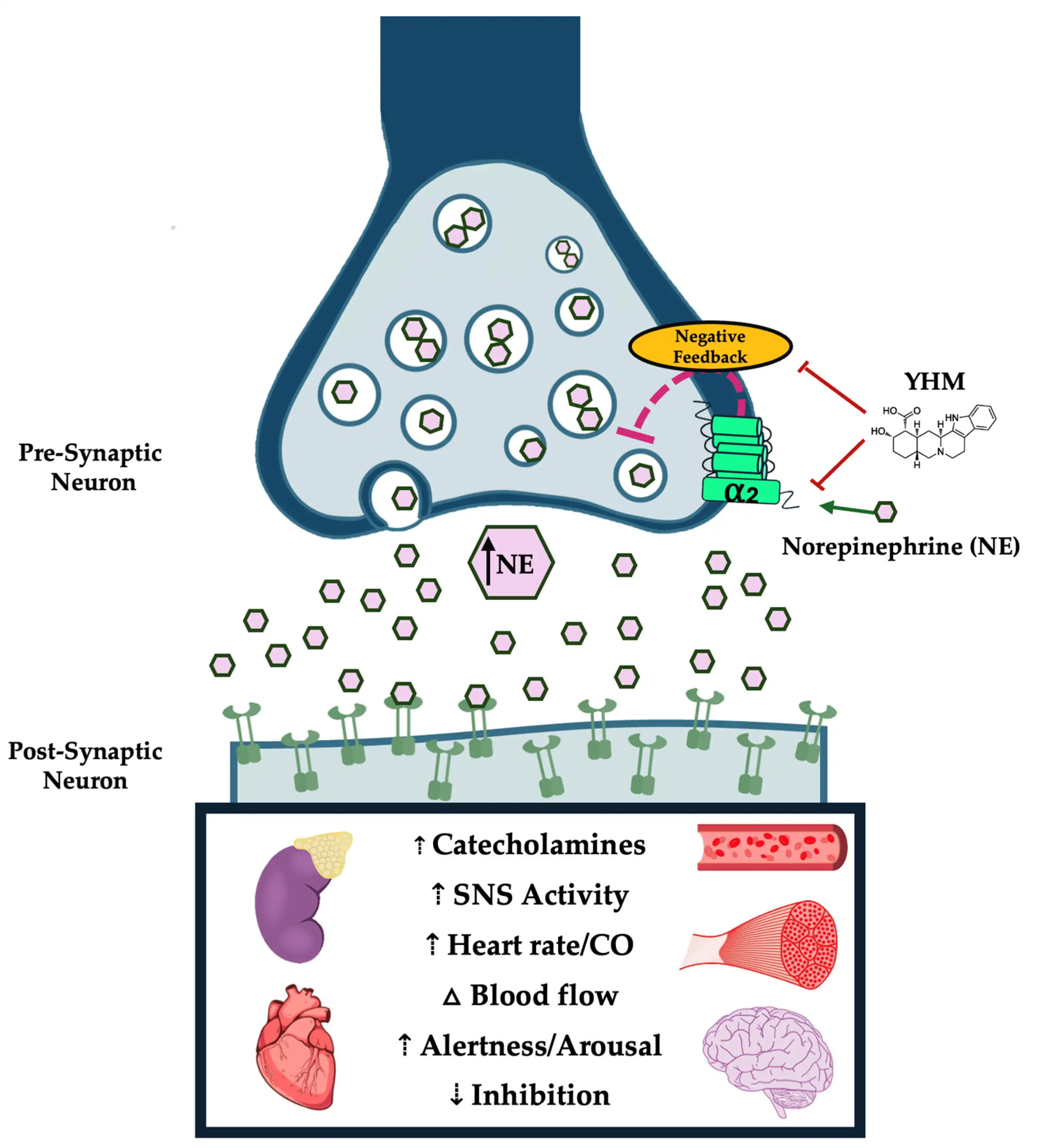
Yohimbine is an indole alkaloid, and research has been conducted on its effect on the sympathetic nervous system and its relationship to alpha-2 adrenergic receptors. This pharmacological background is one of the reasons why yohimbe-derived compounds are of interest for formulations positioned around energy, exercise, or performance.
However, laboratory findings and controlled research should not be taken at face value as providing guaranteed results for every produced product. The observed outcomes may be affected by the concentration of yohimbine, the formulation, the conditions of the study, and individual characteristics. Thus, standardized raw material and transparent analytical data are necessary for the evaluation of a commercial extract.
How Does Yohimbe Extract Relate to Fatigue?
Fatigue is a broad term that could mean physical activity, long hours at work, lack of rest, or other things. In this case, yohimbe extract is typically mentioned since yohimbine has been researched for its effects on adrenergic signaling.
The ingredient is not being touted as a guaranteed fix for weariness, but it’s better to think of the research as part of the scientific basis for the interest in yohimbe-derived compounds. The existing literature has covered topics such as attentiveness, exercise-related reactions, sympathetic activity, and energy metabolism. These studies provide a foundation for further study into ingredients but do not confirm that a commercial powder would elicit the same response in every consumer.
Although this distinction is crucial to manufacturers. A good yohimbe bark extract powder specification will ensure that the material used for formulation matches the analytical profile set by the supplier.
Factors That Can Affect Product Performance
There are various variables that influence the makeup of a plant extract. The final specification can be affected by raw material identification, extraction process, concentration, storage, and packaging. When two products are derived from the same plant name, their alkaloid profiles can vary greatly.
This is the reason why purchasers should look at the certificate of analysis instead of relying solely on a product name. HPLC data, botanical ID, purity information, and pertinent contaminant tests can provide a better view of what is actually being purchased.
Standardization and Testing of Yohimbe Extract Powder
Standardization is one of the most critical quality considerations for commercial botanicals. Hongda Phytochemistry reports that its yohimbe extract is standardized to “certain levels of yohimbine” and validated by HPLC to confirm alkaloids.
HPLC is particularly suitable for marker-compound analysis, as it offers quantitative data on the target ingredients. The practical usefulness to buyers is clear: analytical testing may link the product specification to an actual production batch, rather than just a general product description.
The original product description details the parameters for yohimbe extract, ranging from lower-concentration material to highly concentrated grades. Buyers need to check the required concentration, test technique, packaging, and documentation before ordering, as the relevant spec relies on the intended formulation.
Quality Documentation for Commercial Buyers
A professional supplier should be able to give documentation to help buyers assess both identification and consistency. This can comprise a Certificate of Analysis, Technical Data Sheet, Safety Data Sheet, analytical results, and other documentation specific to the market depending on the project.
Hongda Phytochemistry also mentions its laboratory capabilities that include HPLC, gas chromatography, spectrophotometers, atomic absorption instruments, and other analytical equipment. These resources support various testing processes, from raw materials to final products.
For overseas purchasers, paperwork can also help facilitate communication across procurement, quality control, and regulatory departments. This means that instead of buying an extract based just on its marketing description, purchasing teams can include quantitative parameters in their supplier qualifying process.
What Should Buyers Consider Before Ordering?
You need to do more than just look at the price offered when choosing a source of yohimbe bark extract powder. The first thing to evaluate is if the botanical source and the specification of the active marker are appropriate for the intended use. Second, can the provider deliver consistent analytical data between production batches?
Another practical factor for companies shifting from sample assessment to commercial manufacturing is production capacity. Hongda Phytochemistry has a 20,000-square-meter facility, more than 10 production lines, and an annual production capacity of about 3,000 tons across its product portfolio. This information might assist buyers in determining whether a supplier is ready to sustain ongoing orders.
Depending on the intended market, certifications can also be important. The company’s quality and food-safety certifications and market-related credentials include ISO9001, FSSC22000, cGMP, KOSHER, HALAL, VEGAN, FDA registration, EU Organic, and NOP Organic. Buyers should still check the current validity and exact scope of each certification for the particular product and destination market.
Formulation and Customization Options
For supplement brands and ingredient wholesalers, one standard grade may be less useful than personalization. Hongda Phytochemistry offers various potencies, packaging types, sample numbers, and OEM/ODM services to meet various needs for product development.
Standard packing is 25 kg net weight in fiber drums with interior PE bags. For some projects smaller packaging can be explored. Preliminary examination is also described with sample volumes of about 20-100 grams.
Buyers with larger formulation projects may want to address desired yohimbine concentration, needed batch size, package format, testing documentation, and projected production schedule at the quotation stage. Establishing these criteria early will help prevent confusion as you move from lab testing to commercial manufacturing.
Supporting Product Development
A raw material provider can also contribute value by assisting clients in understanding the standards and documentation available. Technical communication to formulators evaluating yohimbe bark extract powder should be based upon measurable product attributes and not promising any certain consumer outcome.
This is especially important when the ingredient will be marketed in multiple areas, as the regulatory standards for botanical items and finished supplements can differ. Therefore, the brand’s regulatory team should assess product claims on a destination market-by-destination market basis.
Responsible Evaluation of Yohimbe Ingredients
With a strong background of pharmacological research, yohimbe and yohimbine require greater care in responsible product creation than just treating the constituent as yet another botanical powder. The first product content includes interactions, contraindications, and dosage issues that should be assessed by certified regulatory or medical specialists, not adapted to generic consumer directions.
A better initial step for business buyers is to verify the exact alkaloid concentration and get the latest analytical documentation for the batch they wish to purchase. Then finished-product developers should analyze formulation requirements and relevant legislation before deciding how to position the ingredient in the marketplace.
This is also why there should be a clear delineation between the technical specification of an ingredient and claims made about a finished product. Standardization can indicate uniformity of a marker molecule but does not alone establish a specific consumer advantage.
Why Supplier Transparency Matters
A stable supply relationship is based on consistent requirements, available documentation, and straightforward communication. Hongda Phytochemistry describes quality-control processes such as raw-material verification, alkaloid analysis and contaminant testing, and laboratory capabilities that are designed to enable batch testing.
Such facts can offer a useful foundation for qualifying suppliers for customers who are comparing Chinese suppliers. Looking at more than just price, procurement teams can compare manufacturers based on botanical source, standardized range, analytical methods, certifications, MOQ, packaging, sample availability, production capacity, and technical support.
This information is especially crucial when yohimbe bark extract powder is to be produced repeatedly for commercial purposes, when uniformity and documentation of batches may be as important as the first quote.
Conclusion
Yohimbe extract powder is a botanical ingredient made of natural alkaloids, the most famous of which is yohimbine, that has been examined in relation to its interaction with the adrenergic system and its significance to studies of energy and exercise. These properties are dependent on the content and concentration of the extract. Therefore, commercial customers are interested in standardization and analytical testing.
Hongda Phytochemistry supplies products of yohimbe extract with standardization, HPLC testing, laboratory resources, quality documentation, specifications customization, and bulk packing. The company operates from a 20,000-square-meter facility with more than 10 manufacturing lines and is reportedly capable of producing over 3,000 tons annually across its product range, positioning it well to manage sample assessment and larger supply needs.
The most useful purchasing process for manufacturers considering purchasing yohimbe bark extract powder is to first define the required specification, review the relevant analytical documents, confirm certification and packaging requirements, and then discuss MOQ, lead time, and customization with the supplier. Please contact Hongda Phytochemistry at duke@hongdaherb.com for product specifications and business requirements.
Contact us today at duke@hongdaherb.com to discuss your requirements and discover why formulators worldwide choose our High Quality Yohimbe Extract Powder at competitive Yohimbe Extract Powder price points. Your journey toward sustained energy and optimal performance begins with one conversation.
References
1. Ostojic SM. Yohimbine Hydrochloride Supplementation and Resistance Exercise Performance. Journal of Dietary Supplements, 2018.
2. Reardon M, Malik M. Effects of Acute Yohimbine Supplementation on Anaerobic Performance in Recreational Athletes. Nutrients, 2024.
3. Cameron M, Cluver J, Schloms L. The Multifaced Nature of Yohimbine: Therapeutic Applications and Safety Considerations. International Journal of Molecular Sciences, 2024.
4. Cimolai N, Cimolai T. Yohimbine Use for Physical Enhancement and Its Associated Morbidity. Journal of Dietary Supplements, 2011.