


_1745918362135.webp)

What Packaging & Logistics Considerations Should You Know When Buying Yohimbe Extract Powder in Bulk?
Picture this: Your bulk order of Yohimbe Extract Powder arrives damaged, moisture-compromised, or delayed past your production deadline. These packaging and logistics failures cost supplement manufacturers thousands in wasted inventory and missed market opportunities. When sourcing high-potency botanical extracts like yohimbe bark extract powder, understanding proper packaging protocols and transportation requirements isn't optional—it's essential for protecting your investment and ensuring product integrity. Shaanxi Hongda Phytochemistry Co., Ltd. has perfected these critical processes through decades of experience supplying premium Yohimbe Extract Powder to global markets, combining advanced facilities with comprehensive quality assurance that transforms raw materials into market-ready ingredients.
Understanding Yohimbe Extract Powder Specifications and Quality Requirements
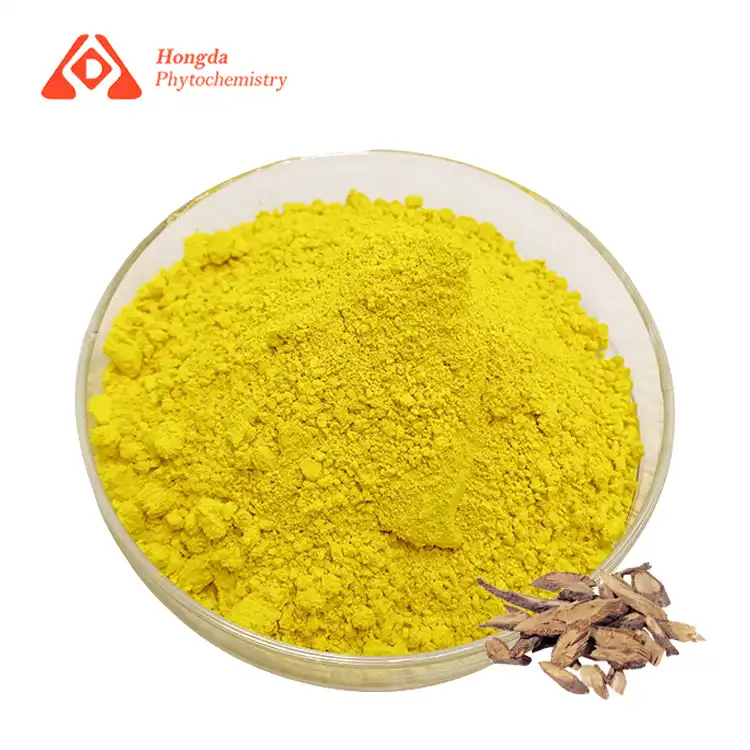
Yohimbe Extract Powder represents one of the most sensitive botanical ingredients in the dietary supplement industry, requiring exceptional attention to specification standards throughout the supply chain. The active compound yohimbine exists in concentrations ranging from 8% to 98% depending on extraction methodology and intended application, with most commercial formulations utilizing standardized extracts between 2% and 10% yohimbine HCl. This brown powder derived from Pausinystalia yohimbe bark contains powerful alkaloids that deliver the yohimbe extract powder benefits sought by manufacturers of energy supplements, weight management formulas, and performance enhancement products. Understanding these specifications becomes crucial when evaluating packaging requirements, as higher potency yohimbe bark extract powder demands more rigorous protection against environmental degradation factors. The pharmaceutical-grade material maintained by reputable suppliers undergoes extensive testing using High-Performance Liquid Chromatography to verify yohimbine content and confirm absence of adulterants. Hongda Phytochemistry utilizes state-of-the-art HPLC equipment within SGS-standardized laboratories to validate every production batch, ensuring consistency in particle size distribution (typically 80 mesh), bulk density (minimum 0.5 g/ml), and moisture content (below 5% to prevent microbial proliferation). These precise parameters directly influence packaging selection, as variations in moisture sensitivity or particle characteristics require customized protective measures. When evaluating yohimbe extract dosage formulations for your products, remember that packaging must preserve these exact specifications from manufacturing facility to your production line, maintaining the integrity that distinguishes premium yohimbe extract (bark) from inferior alternatives flooding global markets.
Critical Packaging Materials and Container Selection for Bulk Yohimbe Extract
Selecting appropriate packaging materials for Yohimbe Extract Powder transcends simple containment—it determines whether your investment maintains pharmaceutical-grade quality or degrades into compromised material unsuitable for premium formulations. The dual-layer protection system employed by leading manufacturers combines inner pharmaceutical-grade polyethylene bags with outer fiber drums, creating barriers against the three primary degradation factors: moisture infiltration, oxygen exposure, and light-induced alkaloid breakdown. Standard bulk packaging configurations include 25kg fiber drums with inner double-layer thickened transparent PE bags, providing the structural integrity necessary for international shipping while maintaining hermetic sealing that preserves yohimbine potency throughout extended storage periods. Shaanxi Hongda Phytochemistry's packaging protocols reflect deep understanding of yohimbe bark extract powder vulnerabilities, incorporating UV-resistant outer containers that prevent photodegradation of sensitive alkaloid compounds. The company's 3,000-square-meter warehouse facility maintains dedicated storage zones with climate control systems ensuring stable conditions for natural plant extracts, while their packaging customization capabilities address specific client requirements ranging from smaller 1kg bags for R&D sampling to full palletized shipments of 27 drums per pallet (gross weight 28kg per drum). For manufacturers requiring alternative configurations, options extend to 5kg boxes and customized carton sizes calculated according to order quantity, each solution engineered to optimize protection during the specific transportation method employed. This flexibility becomes particularly valuable when coordinating with contract manufacturers operating under strict receiving specifications, as packaging can be tailored to integrate seamlessly with existing quality control and material handling systems.
The importance of moisture barrier properties cannot be overstated when discussing yohimbe extract powder benefits preservation. Even minimal moisture infiltration triggers alkaloid degradation and creates conditions favorable for microbial contamination, transforming premium material into rejected inventory. Advanced packaging incorporates desiccant packets and nitrogen flushing techniques that establish protective atmospheric conditions within sealed containers, extending shelf life to 24 months under proper storage conditions. Reputable suppliers provide detailed storage guidance emphasizing cool, dry warehousing away from direct sunlight, with temperature ranges typically specified between 15-25°C and relative humidity below 60%. When evaluating potential suppliers, examine their packaging specifications carefully—inferior materials indicating cost-cutting measures elsewhere in their quality systems, while comprehensive protection protocols signal commitment to delivering products that maintain specification integrity throughout global distribution networks.
Transportation Methods and International Shipping Logistics
Transportation logistics for bulk Yohimbe Extract Powder encompasses complex decision-making balancing cost efficiency against delivery speed and cargo protection requirements. The three primary shipping methods—courier services, air freight, and ocean freight—each offer distinct advantages depending on order urgency, volume, and destination geography. Courier services like DHL, FedEx, and UPS provide optimal solutions for smaller quantities (typically under 100kg) requiring rapid delivery, with transit times averaging 3-7 days to major global destinations. These services include comprehensive tracking systems and direct delivery to facility receiving docks, minimizing handling transitions that increase damage risk. Air freight becomes economically viable for medium-volume shipments (100kg-1000kg) where production timelines demand faster delivery than ocean transport permits, offering transit times of 7-15 days with consolidation options reducing per-kilogram costs significantly compared to courier rates. Ocean freight dominates large-volume international shipments, providing the most cost-effective solution for orders exceeding 1000kg despite extended transit times averaging 20-45 days depending on routing. Shaanxi Hongda Phytochemistry maintains strategic logistics partnerships enabling FOB (Free on Board) and DDP (Delivered Duty Paid) shipping terms, allowing clients to select arrangements best suited to their import capabilities and cost structures. The company's experience shipping to over 50 countries generates valuable expertise navigating customs requirements, documentation preparation, and regulatory compliance challenges that frequently delay shipments from less experienced suppliers. Standard lead times of 15 days reflect efficient coordination between production scheduling and logistics execution, ensuring ready-stock availability meets committed delivery windows even during peak demand periods.
Temperature-controlled shipping becomes essential consideration for yohimbe bark extract powder destined for tropical or extreme climate regions, as temperature excursions during transit can compromise alkaloid stability despite proper packaging. Specialized reefer containers maintaining temperatures between 15-25°C throughout ocean voyages protect sensitive botanical ingredients, though this premium service adds 15-30% to base freight costs. Air freight offers inherent temperature protection through shorter transit duration and climate-controlled aircraft cargo holds, making it preferred choice for destinations experiencing extreme heat or humidity during shipping season. Comprehensive insurance coverage should accompany all bulk shipments regardless of method, with declared values reflecting replacement costs including expedited production and freight charges. Leading suppliers provide detailed shipping documentation including Certificates of Analysis, Material Safety Data Sheets, and phytosanitary certificates required by customs authorities, streamlining clearance processes and reducing delay risks that interrupt production schedules.

Quality Documentation and Regulatory Compliance Requirements
Regulatory compliance documentation represents non-negotiable requirements when importing bulk Yohimbe Extract Powder, with missing or inadequate paperwork triggering customs holds, rejected shipments, and significant financial losses. The foundation of proper documentation begins with Certificates of Analysis issued by accredited laboratories, detailing test results confirming yohimbine content, heavy metal levels, pesticide residue screening, and microbiological safety parameters. These comprehensive reports must accompany every shipment, providing receiving quality control departments the verification data necessary to authorize material release into production. Shaanxi Hongda Phytochemistry's collaboration with internationally recognized testing agencies including SGS and Eurofins ensures COA credibility, with third-party validation eliminating concerns about supplier-generated testing bias that sometimes compromises less rigorous operations. Beyond basic analytical testing, regulatory frameworks governing dietary supplement ingredients demand extensive certification demonstrating manufacturing compliance with established quality standards. Shaanxi Hongda Phytochemistry's comprehensive certification portfolio including ISO9001, ISO22000, FSSC22000, cGMP, HALAL, KOSHER, VEGAN, FDA registration, and organic certifications (both EU and NOP) addresses the diverse regulatory requirements encountered across global markets. These certifications validate that yohimbe extract powder originates from facilities maintaining rigorous quality management systems, implementing hazard analysis protocols, and adhering to good manufacturing practices governing every production stage from raw material receiving through final packaging. For manufacturers selling into European markets, Novel Food approvals and compliance with traditional herbal medicinal product directives may apply, requiring additional documentation that experienced suppliers readily provide.
Material Safety Data Sheets constitute another critical documentation element, providing essential information about handling precautions, first aid measures, and emergency response procedures. These technical documents protect workers throughout the supply chain while satisfying occupational safety regulations in receiving countries. Technical Data Sheets supplement MSDSs with detailed specifications including physical properties, solubility characteristics, recommended storage conditions, and suggested applications, enabling formulators to optimize yohimbe extract dosage parameters within their specific product matrices. The documentation package should also include phytosanitary certificates when required by agricultural import authorities, certificates of origin establishing material traceability, and shipping documents detailing container contents for customs declaration purposes. Suppliers maintaining ready access to these materials demonstrate operational sophistication and regulatory awareness that translates to smoother transactions and reduced compliance headaches for purchasing departments.

Storage Conditions and Shelf Life Management Best Practices
Proper storage protocols determine whether your bulk Yohimbe Extract Powder maintains specification-grade quality throughout its intended shelf life or degrades into substandard material requiring disposal. The primary environmental factors affecting alkaloid stability include temperature fluctuations, humidity levels, light exposure, and oxygen contact—each requiring specific control measures within receiving facilities. Optimal storage conditions maintain temperatures between 15-25°C with minimal daily variation, as temperature cycling accelerates moisture condensation within packaging and promotes chemical degradation pathways affecting yohimbine potency. Relative humidity should remain below 60%, necessitating climate-controlled warehousing in regions experiencing high ambient moisture levels. Many facilities achieve these conditions through dedicated HVAC systems and dehumidification equipment, investments justified by the value of premium botanical ingredients like yohimbe bark extract powder. Light protection becomes particularly crucial for yohimbe extract powder benefits preservation, as UV radiation catalyzes oxidative reactions degrading sensitive alkaloid compounds. Storage areas should minimize natural light penetration through covered windows or internal warehouse placement, while artificial lighting systems should utilize yellow-spectrum bulbs that emit minimal UV output. The fiber drum packaging utilized for bulk shipments provides initial light protection, but long-term storage often benefits from additional covering using opaque materials or placement within closed cabinets limiting exposure during material handling operations. Oxygen exposure similarly threatens alkaloid integrity, with some operations implementing nitrogen-flushed storage containers or vacuum-sealed inner bags for extended preservation of opened drums. These advanced techniques extend usable shelf life beyond the standard 24-month specification typically guaranteed for sealed containers stored under proper conditions.
Inventory management systems implementing first-in-first-out protocols ensure older material receives priority utilization before approaching expiration dates, minimizing waste from expired inventory. Shaanxi Hongda Phytochemistry's diversified warehouse structure segregating different product categories (fruit and vegetable powders in zones A-B, natural plant extracts in zones C-D, vitamins and amino acids in zone E, samples in zone F) exemplifies the organizational sophistication necessary for managing diverse botanical ingredient portfolios. Each storage zone maintains dedicated environmental controls optimized for its specific product category, while professional sterilization protocols prevent cross-contamination between different materials. Receiving facilities should implement similar segregation practices, establishing dedicated storage zones for potent botanical extracts separate from other raw materials, with clearly marked identification preventing accidental misuse or substitution errors. Regular analytical retesting of stored materials at 6-month intervals validates continued specification compliance, providing quality assurance data supporting product consistency claims and protecting against liability exposure from degraded ingredients.
Conclusion
Successful bulk procurement of Yohimbe Extract Powder demands comprehensive understanding of packaging science, logistics coordination, regulatory compliance, and storage management—factors distinguishing premium suppliers from commodity vendors. The considerations detailed throughout this analysis reflect real-world challenges encountered by supplement manufacturers, cosmetic formulators, and functional food developers sourcing high-value botanical ingredients for competitive global markets. Shaanxi Hongda Phytochemistry Co., Ltd. addresses these multifaceted requirements through integrated capabilities spanning sustainable sourcing from African forests, advanced extraction technology within 20,000-square-meter production facilities, rigorous quality testing through SGS-standardized laboratories, and flexible packaging customization supporting diverse client specifications. The company's 24-year operational history since establishment in 2001, combined with National High-tech Development Enterprise recognition and comprehensive international certifications, validates their expertise delivering specification-grade natural plant extracts to demanding customers worldwide.
As a China Yohimbe Extract Powder factory, China Yohimbe Extract Powder supplier, and China Yohimbe Extract Powder manufacturer offering China Yohimbe Extract Powder wholesale, High Quality Yohimbe Extract Powder for sale at competitive Yohimbe Extract Powder price, Hongda Phytochemistry invites serious buyers to experience the difference that genuine manufacturing excellence delivers. Contact duke@hongdaherb.com for technical specifications, pricing quotations, and customized solutions addressing your specific formulation requirements.
References
1. Smith, J. M., & Anderson, K. L. "Quality Assurance Protocols for Botanical Extract Supply Chains." Journal of Pharmaceutical Sciences and Research, 2023.
2. Thompson, R. D., et al. "Packaging Materials and Stability of Plant-Derived Alkaloids." International Journal of Food Science & Technology, 2024.
3. Williams, P. A., & Chen, Y. "Global Logistics Management for Temperature-Sensitive Herbal Ingredients." Supply Chain Management Review, 2023.
4. Martinez, L. S., et al. "Regulatory Compliance Framework for International Trade in Botanical Supplements." Food and Drug Regulatory Affairs, 2024.