


_1745918362135.webp)

What Are the Key Specifications of Retatrutide Powder That Supply-Chain Buyers Should Know?
For buyers evaluating Retatrutide Powder for research and development supply chains, technical specifications matter just as much as price, lead time, and documentation. Hongda Phytochemistry and Shaanxi Hongda Phytochemistry Co., Ltd. understand that peptide procurement requires more than a simple purity statement on a product page. A qualified purchasing decision should consider identity, chromatographic purity, mass confirmation, residual impurities, moisture, storage conditions, batch traceability, analytical documentation, and the supplier's ability to provide consistent evidence for each lot. Because Retatrutide remains an investigational medicine and has not been approved by the FDA or other regulatory agencies, buyers should also distinguish carefully between research-use material and an approved pharmaceutical ingredient. For companies sourcing retatrutide powder, this distinction changes the way specifications should be reviewed. The aim is not only to get the greatest purity claimed or the lowest price stated. Rather, procurement teams should evaluate whether the item can be recognized, tested, kept, recorded, and traceable in a way that is appropriate to the desired research or development process.
Start With Identity, Purity, and Molecular Characteristics
The first specification to check is identity. Retatrutide (LY3437943) is a synthetic peptide that acts on the GIP, GLP-1, and glucagon receptors. Retatrutide has a CAS number of 2381089-83-2 on Pubchem. The FDA’s substance database has a specified molecular framework and a molecular weight of around 4,731.36.
For procurement reasons, a value for molecular weight should not be used as conclusive evidence of identification. A supplier may provide a theoretical molecular weight on a specification document, but a more meaningful inquiry is whether the actual manufacturing batch has been checked for the predicted mass. Orthogonal proof that the substance is the expected peptide structure may be provided by LC-MS or another adequately qualified mass-spectrometric approach. This is particularly critical for synthetic peptides, because closely related contaminants, shorter sequences, changed forms, or by-products of synthesis might have identical chromatographic behavior but differing masses.
Purity should be checked in the same manner. The remark "99% pure" is only meaningful if the customer understands how the number was arrived at. The COA should include the analytical technique, chromatographic conditions or reference of the method, acceptance criteria, and actual result for the batch tested. A large number with no known methodology tells you far less than a smaller number with a visible and repeatable analytical process.
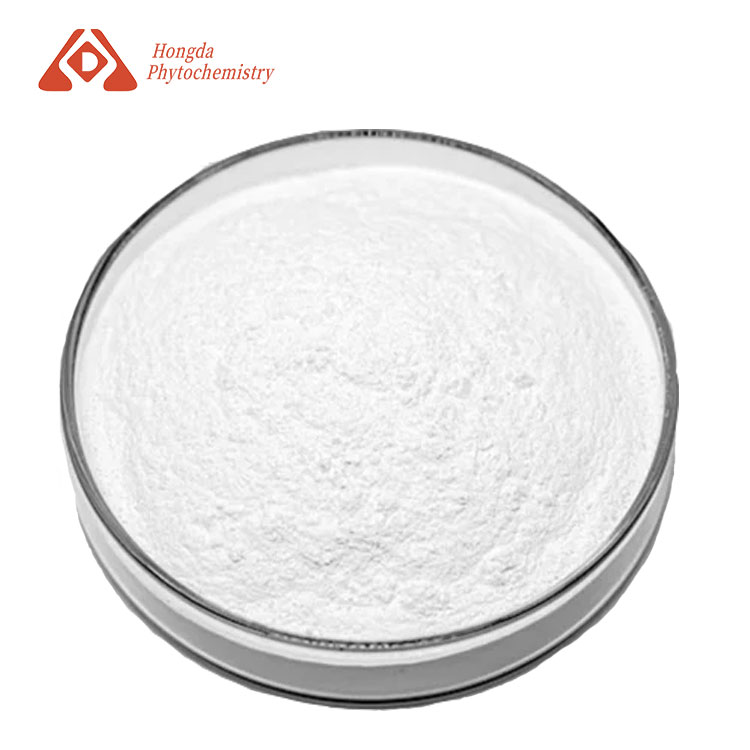
Another helpful but limiting specification is appearance. Retatrutide may be delivered as a white to off-white lyophilized substance. Visual examination will not determine chemical identification or purity. Buyers should consequently consider appearance to be a rudimentary check on incoming quality, not a replacement for analytical testing. Any discrepancy in color, physical shape, or container condition initiates an inquiry. A visually acceptable vial nonetheless needs suitable analytical proof before it is certified for research usage.

Build a Strong Analytical Package Around Each Batch
A credible specification for Retatrutide needs more than one analytical method supporting it. Reverse-phase HPLC is usually useful for determination of chromatographic purity and related compounds. Mass spectrometry may give an independent identification verification. The two techniques address separate concerns; hence, an orthogonal testing strategy is more informative than using one purity percentage.
Buyers should not just focus on the headline purity figure when evaluating an HPLC result. A lot more information about the quality system behind the product may be found in the chromatogram, retention time, method reference, integration technique, and the specification for associated compounds. If the supplier just gives a statement like “purity ≥99%” and no actual batch result or analytical proof to back it up, the customer is restricted in how much they can analyze lot-to-lot consistency.
LC-MS is very beneficial when identification validation is essential, particularly for sourcing retatrutide powder, as it provides valuable confirmation of molecular identity. The measured mass of the big peptide retatrutide (ca. 4.73 kDa) should be interpreted in light of the predicted molecular framework and the analytical technique utilized. Small discrepancies might be due to the shape of the material, analytical circumstances, adducts, or the reference structure. A technically competent provider should explain how their identity criteria are defined, rather than offering a single mass number as an absolute norm.
Other quality parameters should be chosen according to the target application. For a freeze-dried peptide, moisture or water content might be important since excess moisture can impact physical stability and handling properties. Residual solvent testing may be applicable if the manufacturing process involves the use of organic solvents. Buyers may additionally seek microbial or endotoxin-related data if suitable to the planned study application, particularly if the material is intended for work with delicate biological systems.
The main thing is not to have every test in every specification package. A competent provider should be able to explain why a certain test is done, which technique is employed, and what acceptance criteria apply. That explanation is a better sign of technical expertise than just showing a big list of analytical tools.
Treat Storage Data as Part of the Product Specification
Evidence supporting storage conditions should be assessed simultaneously with the storage conditions. Peptide materials are sensitive to moisture, temperature, light, and frequent handling; therefore, a buyer should not assume that all Retatrutide Powder products have the same storage profile.
A provider may propose storage in a frozen state, protection from moisture and light, or storage in an inert environment. However, the relevant need should be determined by the established stability profile of the substance and not from a general statement about peptide preservation. Buyers should question if the suggestion is based on real-time or accelerated stability data and whether the data relates to the same formulation, package configuration, and material form being bought.
Packaging is an element of stability control. The main container should protect the powder from moisture and undue environmental exposure during storage and transit. For bigger research initiatives the purchaser should assess whether the suggested package size meets the predicted rate of use. A big container may lower the cost of packing, but frequent opening might increase exposure to the surrounding environment. Thus, smaller units could be more convenient for labs that utilize material slowly.
Transport circumstances need to be taken into account too. A provider should be able to describe the anticipated shipping circumstances, packing protection, temperature requirements, when appropriate, and how to deal with a temperature excursion or damaged cargo. For very temperature-sensitive products, a recorded shipping certification or temperature monitoring technique might give an extra level of trust.
Instead of saying "36 months shelf life" generally with no basis, a technically correct specification should provide the exact retest or expiration date that has been determined for the particular batch and storage situation. Assertions of stability are significant only when there are established research circumstances and data that can be substantiated.
Read the COA as a Quality Document, Not a Sales Sheet
The Certificate of Analysis is one of the most crucial papers in the procurement process since it relates the specification to a specific lot. Buyers should check for the product name, batch or lot number, date of manufacture or release where applicable, test procedures, specification limitations, actual results, and approval or release information.
A well-designed COA should enable the buying and quality teams to answer a simple question, “What was tested, how was it tested, and what did this specific batch accomplish?” That question can’t be answered by a general specification sheet, since a specification sheet represents an anticipated product, not a released lot.
Traceability is also essential when sourcing retatrutide powder. The lot number on the COA should match the container label and shipping paperwork. The supplier should be able to provide supporting analytical reports, chromatograms, LC-MS data, or other technique-specific records upon request, giving the customer a more complete perspective on the quality evidence behind the commodity.
This is where the communication with the supplier enters into the quality assurance. A technically proficient producer should be able to explain variances, clarify analytical terminology, and offer necessary documentation without resorting to ambiguous words such as “pharmaceutical grade,” “99.9% pure," or “FDA compliant.” Such assertions do not replace evidence unique to a batch, especially when the item is an experimental drug.
Evaluate the Supplier's Quality System Separately From Product Claims
Supplier qualification should not depend solely on the specifications printed on a product page. Facility-level quality systems, laboratory capabilities, documentation practices, change-control procedures, complaint handling, and traceability all influence the reliability of the supply relationship.
For Hongda Phytochemistry, company-level certifications and laboratory infrastructure can form part of this assessment, but buyers should still request Retatrutide-specific documentation rather than assuming that general certification automatically validates every product or every batch. This distinction is important for E-E-A-T as well as for practical procurement: a certification demonstrates that a management or quality system meets a defined framework, while a COA and analytical report provide evidence about the material actually being supplied.
Buyers should also ask how analytical methods are controlled. Questions about reference standards, instrument qualification, method validation or verification, analyst review, out-of-specification investigation, and record retention can reveal how seriously a supplier treats quality control. The level of detail needed will depend on whether the material is being purchased for early-stage research, method development, analytical studies, or a more formal development program.
Because Retatrutide is still investigational, procurement teams should be especially careful with regulatory terminology. Lilly states that Retatrutide has not yet been approved and is currently being evaluated in Phase 3 programs. FDA communications likewise distinguish Retatrutide from approved drug products and have specifically raised concerns regarding unapproved Retatrutide products.
Accordingly, a supplier should not imply that research-use Retatrutide Powder is itself an FDA-approved pharmaceutical ingredient. Instead, documentation should accurately describe the material's status, intended use, testing scope, and regulatory limitations.
Look Beyond Price When Comparing Research Supply Options
Price remains an important procurement variable, but comparing Retatrutide Powder suppliers only by price can create misleading results. A lower quotation may not include the same analytical package, packaging configuration, documentation, testing depth, or quality support as a higher quotation.
A more useful comparison considers the total cost of qualification. If a supplier provides incomplete COAs, unclear analytical methods, inconsistent lot documentation, or slow responses to technical questions, the internal cost of resolving those problems can quickly exceed a modest difference in material price. Conversely, a supplier that provides clear documentation and responds efficiently to quality questions can reduce the workload placed on procurement, analytical, and quality teams.
Lead time should also be evaluated realistically. Rather than accepting a fixed delivery promise as a universal capability, buyers should ask whether the quoted lead time applies to an existing qualified batch, a new synthesis, custom analytical testing, or a specific packaging configuration. These situations can have very different timelines.
Minimum order quantities and packaging should be considered in relation to actual research demand when sourcing retatrutide powder. Smaller initial orders can be useful when a new supplier is being qualified because they allow the buyer to review analytical performance and documentation before establishing a larger purchasing relationship. Once the material has passed internal qualification, future orders can be structured around forecast demand and batch planning.
For a supplier such as Hongda Phytochemistry, the strongest commercial presentation is therefore not simply a low-price claim. It is the ability to combine documented product specifications with responsive communication, traceability, analytical support, and a clear understanding of the buyer's quality requirements.
Ask the Right Technical Questions Before Qualification
A practical supplier assessment should begin before the purchase order is issued. Procurement teams can ask for the current product specification, a representative or lot-specific COA, identity-testing information, chromatographic purity data, mass-confirmation data, residual impurity information where relevant, storage requirements, packaging details, and available stability documentation.
It is also useful to clarify which specifications are guaranteed for every released batch and which are provided as typical values. This distinction prevents buyers from treating an illustrative laboratory result as a contractual quality commitment.
The intended research application should be communicated clearly as well. A supplier cannot recommend an appropriate documentation package if it does not understand whether the material is required for analytical development, in-vitro research, preclinical work, formulation studies, or another legitimate research purpose. The more clearly the use case is defined, the easier it becomes to establish relevant quality attributes without adding unnecessary testing.
For international procurement, documentation consistency becomes even more important. Product names, lot numbers, quantities, storage instructions, shipping records, and COA information should match across the transaction. Any discrepancy should be resolved before the material enters the buyer's controlled inventory.
This approach also improves long-term supplier management. Once an initial lot has been qualified, subsequent batches can be compared against the established specification and historical performance. Significant changes in analytical profile, appearance, packaging, manufacturing location, or documented process should trigger an appropriate review rather than being accepted automatically.
What a Reliable Retatrutide Powder Specification Should Ultimately Show?
The most useful specification is not necessarily the longest one. It is the specification that allows a qualified buyer to make a defensible decision about whether a particular batch is suitable for its intended research application.
For Retatrutide Powder, that evidence should connect identity to structure, purity to a defined analytical method, storage conditions to stability information, and each released result to a specific batch. The supplier should also be able to explain its quality controls and provide supporting documentation when technical questions arise.
The regulatory status of Retatrutide makes this evidence even more important. Lilly currently describes Retatrutide as an investigational medicine and continues to conduct Phase 3 studies, while FDA materials emphasize that Retatrutide is not an approved component of FDA-approved drugs. This means responsible procurement content should focus on research-material qualification, analytical verification, documentation, and supply-chain controls rather than presenting the compound as an established commercial pharmaceutical product.
Conclusion
Successfully evaluating Retatrutide Powder requires more than comparing purity percentages or quoted prices. Buyers need to examine identity confirmation, chromatographic purity, mass verification, relevant impurity testing, moisture and physical characteristics, packaging, storage conditions, stability evidence, batch traceability, and the quality documentation supporting each lot. These factors provide a more reliable basis for supplier qualification than broad marketing statements or unsupported claims about pharmaceutical status.
For Hongda Phytochemistry, the opportunity to support qualified buyers should therefore be presented through measurable quality evidence and transparent technical communication. A strong supplier relationship begins with an accurate specification, continues through batch-specific documentation and responsive technical support, and develops through consistent performance across subsequent orders. For organizations evaluating retatrutide powder for legitimate research and development activities, sourcing retatrutide powder through an evidence-based approach can reduce avoidable procurement risk while creating a clearer framework for supplier comparison and long-term supply planning.
Don't compromise your research or production with uncertain suppliers—contact our team today at duke@hongdaherb.com to discuss your Retatrutide Powder requirements, request detailed technical documentation, obtain competitive pricing for your specific volume needs, and discover how our customized solutions can accelerate your product development timeline while ensuring unwavering quality standards. Save this article for future reference as your comprehensive guide to informed Retatrutide procurement decisions.
References
1. Jastreboff AM, Kaplan LM, Frías JP, et al. Triple-Hormone-Receptor Agonist Retatrutide for Obesity—A Phase 2 Trial. New England Journal of Medicine, 2023.
2. Sanyal AJ, et al. Triple hormone receptor agonist retatrutide for metabolic dysfunction-associated steatotic liver disease: a randomized phase 2a trial. Nature Medicine, 2024.
3. International Conference on Harmonization of Technical Requirements for Registration of Pharmaceuticals for Human Use. ICH Q7: Good Manufacturing Practice Guide for Active Pharmaceutical Ingredients. ICH Harmonised Tripartite Guideline, 2000.
4. United States Pharmacopeia and National Formulary (USP-NF). General Chapter on Bacterial Endotoxin Test and Residual Solvents. United States Pharmacopeial Convention, Current Edition.