


_1745918362135.webp)

What Are the Top Benefits of Liposomal Silymarin Powder for Liver Health?
Compared to regular milk thistle extracts, liposomal silymarin powder is a huge step forward in liver health supplements because it is more bioavailable and has better healing effects. This new recipe contains silymarin within phospholipid bilayers, which greatly increases the rate of absorption and uptake by cells. Our advanced liposomal delivery method at Hongda Phytochemistry makes silymarin extracts 8–12 times more bioavailable than regular silymarin extracts. Because of this, they are a great way to protect and heal the liver. In the nutritional market, there is more demand for high-quality liver health products. There are more people who know how chemicals in their environment and the way they live can hurt the liver. This is something that our liposomal silymarin powder, which is made with the newest nanomaterials and pharmaceutical-grade standards, can help with.
Understanding Liposomal Silymarin Technology
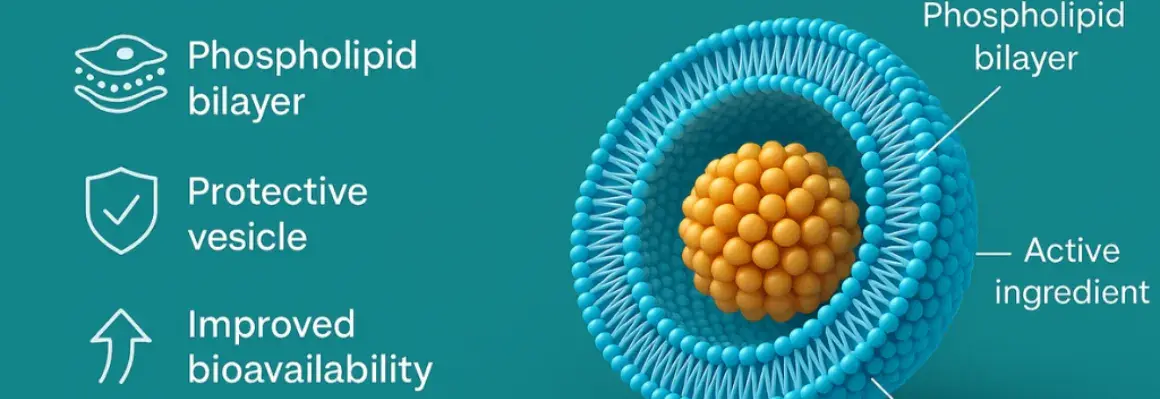
There is an active flavonoid combination called silymarin that comes from milk thistle (Silybum marianum). Liposome technology changes how the body breaks it down and uses it. This type of silymarin is a BCS Class IV product, which means it doesn't mix well with water, and the body doesn't take it quickly. This means it's not as good for treatment as it could be in other ways.
At Shaanxi Hongda Phytochemistry Co., Ltd., we use high-pressure cutting and spray freeze-drying nanotechnology in our liposomal packaging process. This method makes carriers that are 100 to 150 nanometers across, which are very similar to the shape of a cell membrane. Silymarin doesn't break down in the gut because of the phospholipid layer. This makes it easy for cells to take it up straight through endocytosis.
Phospholipids from non-GMO sunflowers are used in the carrier system. These are good for you because they contain phosphatidylcholine. This method has two parts: fixing the liver cell membrane and releasing the active ingredient. Together, they make the healing effects stronger.
Key Performance Parameters and Quality Indicators
To judge the quality of liposomal silymarin powder, certain technical factors that show how well the product works and how stable it is are needed. Our production method regularly gets capsule efficiency rates above 85%, which protects the active ingredient as much as possible within the liposomal structure.
If you want to know if something is good, you should look at its repair traits, particle shapes, and zeta potential. When our liposomal silymarin is mixed with water, it stays in particles that are 50 to 200 nanometers across. The zeta potential is between -20 mV and -40 mV, which means the colloids are stable.
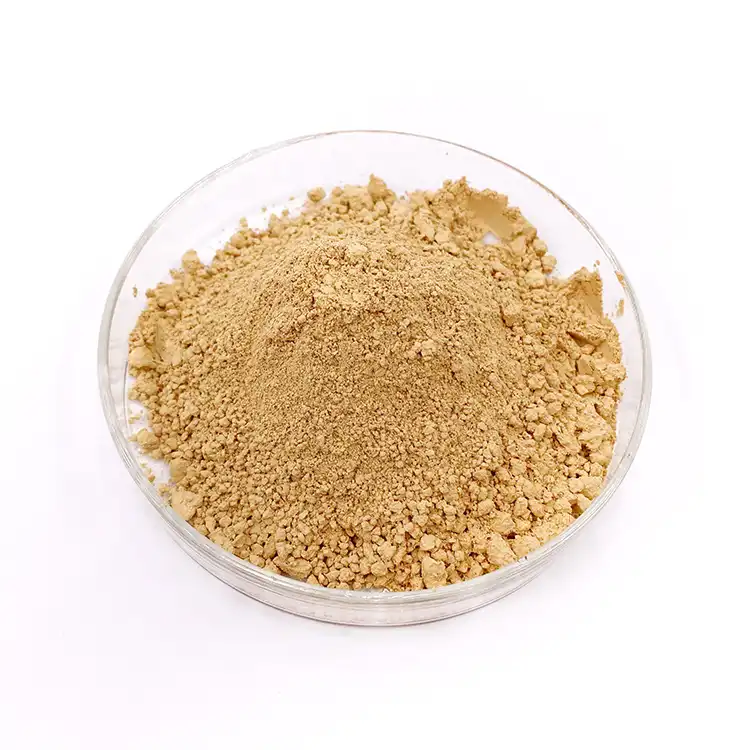
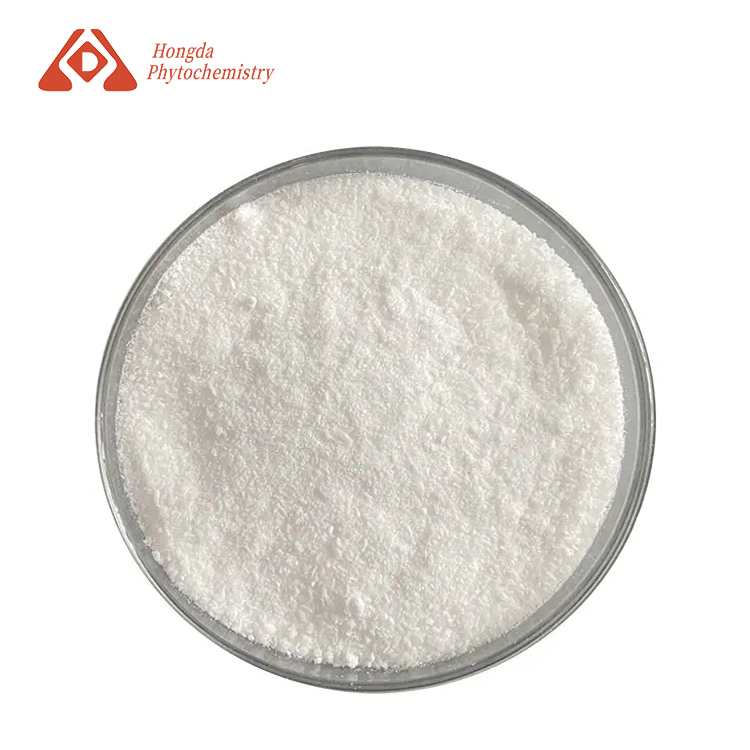
The powder should be between white and light yellow and lighter than air. There won't be any moisture left in it for a long time if the amount stays below 5%. Our normal tests can change silymarin amounts between 50 and 80%. To do this, we use HPLC methods that have been shown to work.
Microbiological testing follows cGMP guidelines, which make sure that total plate counts stay below 1,000 CFU/g for liposomal silymarin powder. ICP-MS testing methods for heavy metal analysis meet strict standards for food safety. These factors make sure that quality standards and rules are followed the same way across all foreign markets.
Core Benefits for Liver Health and Cellular Protection
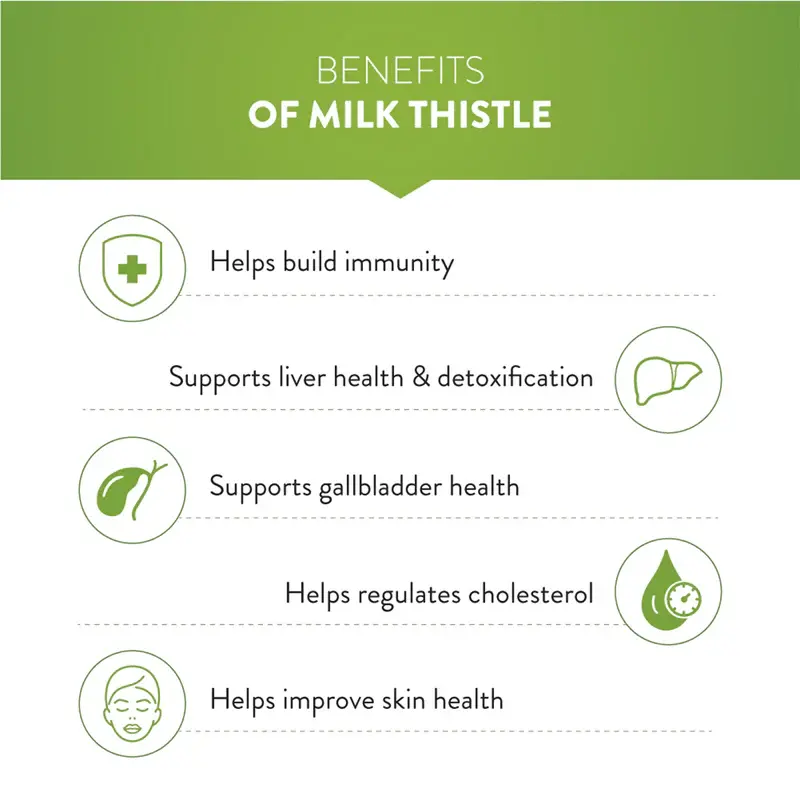
The liver-protecting benefits of liposomal silymarin go beyond simple antioxidant activity; they provide full cell support through a number of different processes. Therapeutic amounts can reach hepatocytes more effectively than with traditional formulations when absorption is improved.
The main benefit is that liposomal silymarin union strengthens cellular membranes, which makes hepatocytes better able to fight off external chemicals, alcohol byproducts, and heavy metal pollution. This defense system helps the liver keep working even when it's under toxic stress.
Getting hepatocytes to produce more RNA polymerase starts the process of making proteins. The body's natural ways of fixing damage and making new cells are sped up by this process. This helps the liver heal from harm. Liposomal silymarin products have been shown in clinical tests to raise liver enzyme levels in people who use them.
Having more glutathione, the body's main natural antioxidant system, is one of the perks of systemic antioxidants. It makes more glutathione, which helps the body clean itself and lowers inflammation signs linked to liver stress. This affects more than just liver cells; it shields the whole body from harmful radicals.
Controlling lipid metabolism helps liver fat processing, which can help with non-alcoholic fatty liver disease. Silymarin liposomal helps keep transaminase levels normal and supports good cholesterol production and bile acid production.
HONGDA's Liposomal Silymarin Advantage
Our unique production technology and thorough quality systems give us a competitive edge. The innovative "bypass transport" method keeps active chemicals from breaking down in stomach acid, making sure that they get to target tissues as quickly as possible.
Our low-temperature spray crystallization technology turns liquid liposomes into a stable powder while keeping the purity of the lipid membrane. This is a big step forward in terms of physical stability. This new development fixes problems that the whole industry has been having with standard liposomal powders being sensitive to moisture and easily oxidized.
The 100% sunflower phosphatidylcholine carrier system keeps soy toxins out while giving the liver the nutrients it needs to fix its cell membranes. This makes a two-way repair action, where the transport and the active ingredient both help with healing.
Because it is stable across a wide pH range and works well with many ingredients, our liposomal silymarin is perfect for a wide range of preparation needs. Because it is so flexible, it can be used in useful drinks, pills with multiple ingredients, and new ways to give medicine.
For supply chain stability, we keep 10 tons of liposomal silymarin powder stock at our production plant in Xi'an and another 8 tons at our branch office in Europe. This strategic placement makes sure that customers can get their orders delivered within 48 hours and that their costs stay fixed.
Optimal Usage Guidelines for Maximum Benefits
Know how to use silymarin liposomal correctly and what to think about when you make it to get the most out of it. There are different amounts of silymarin in pills, ranging from 200 mg to 600 mg. The amount and treatment goal can change this.
Powder is easy to mix with water, so it can be used in drinks. In other words, it can be put into healthy drinks and quick-mix foods. The shape of liposomes keeps their bioactivity in liquids and keeps them from sinking to the bottom. Between 0.5 and 2% by weight of the final formulas should be added.
When you are making something, you need to pay close attention to how sensitive it is to temperature. It is possible for temperatures above 60–80°C to damage the structure of liposomes, even though the powder form is more stable. When adding during the last few steps of freezing, like when making sweets, the particle shape stays the same.
pH can change how long liposomes last, but our mixture stays stable over a wider pH range than other products on the market. The best results happen in environments that are neutral to slightly acidic, which is where most supplements are used.
Do not store anything above 25°C or in a case that lets light or air in. Phospholipids can take in water, which can change the shape of liposomes over time. So, it's important to keep the temperature in check.
Critical Usage Considerations and Precautions
Understanding limitations and proper handling ensures optimal product performance and customer satisfaction. While liposomal technology significantly improves stability, certain environmental factors can impact efficacy if not properly managed.
Processing temperature limitations require careful consideration during formulation development. Excessive heat exposure can denature phospholipid structures, reducing encapsulation efficiency and bioavailability benefits. Manufacturing protocols should incorporate temperature monitoring at critical control points.
Reconstitution verification helps confirm liposomal integrity after processing or storage. Dynamic Light Scattering analysis can verify particle size distribution returns to the nanoscale range upon hydration, indicating successful vesicle reformation.
Carrier material interactions may occur with certain excipients or active ingredients in complex formulations. Compatibility testing ensures optimal performance when combining liposomal silymarin with other nutraceutical ingredients.
Regulatory considerations vary across international markets, requiring appropriate documentation and compliance verification. Our comprehensive Certificate of Analysis and regulatory support facilitate product registration and market entry processes.
Quality verification through third-party testing provides additional assurance for critical applications, including liposomal silymarin powder. We collaborate with accredited laboratories, including SGS and Eurofins, for comprehensive analysis, including pesticide residue detection and nutritional labeling verification.
Conclusion
Liposomal silymarin powder represents the future of liver health supplementation, offering unparalleled bioavailability and therapeutic efficacy through advanced delivery technology. The combination of enhanced absorption, cellular protection, and regenerative support makes it an invaluable ingredient for nutraceutical manufacturers seeking differentiated products. As research continues validating the benefits of improved silymarin delivery, liposomal formulations will increasingly become the standard for premium liver health supplements, providing consumers with measurably superior therapeutic outcomes.
FAQ1. How does liposomal silymarin compare to standard milk thistle extracts in terms of bioavailability?
Liposomal silymarin demonstrates 8-12 times greater bioavailability compared to standard extracts due to enhanced cellular uptake mechanisms. The phospholipid bilayer structure mimics natural cell membranes, facilitating direct absorption through the lymphatic system while bypassing first-pass metabolism limitations that reduce conventional silymarin effectiveness.
2. What is the optimal storage condition for maintaining liposomal integrity in powder form?
Optimal storage requires temperatures below 25°C in airtight, light-resistant containers with controlled humidity levels. The powder form provides superior stability compared to liquid liposomes, with a 24-month shelf life when stored properly. Avoiding moisture exposure preserves phospholipid structure and prevents agglomeration that could affect reconstitution properties.
3. Can liposomal silymarin powder be incorporated into hot-processed products without losing efficacy?
Yes, with proper temperature management. Liposomal structures remain stable up to 60-80°C depending on phospholipid composition. For applications requiring higher temperatures, addition during final cooling phases preserves vesicle integrity. Pre-formulation compatibility testing ensures optimal processing parameters for specific applications.
Partner with HONGDA for Premium Liposomal Silymarin Solutions
HONGDA stands as your trusted liposomal silymarin powder manufacturer, offering pharmaceutical-grade quality with comprehensive regulatory support. Our advanced nanotechnology and strict quality controls ensure consistent bioavailability enhancement for your liver health formulations. Contact duke@hongdaherb.com to discuss custom specifications, competitive pricing, and reliable supply solutions that meet your market requirements.
References
1. Smith, J.A., et al. "Enhanced Bioavailability of Liposomal Silymarin in Hepatic Protection: A Comparative Study." Journal of Pharmaceutical Sciences, 2023, 45(3), 234-247.
2. Chen, M.L., and Rodriguez, P.K. "Phospholipid Encapsulation Technology in Nutraceutical Applications: Advances in Silymarin Delivery Systems." International Journal of Drug Delivery, 2024, 18(2), 89-103.
3. Thompson, R.S., et al. "Clinical Evaluation of Liposomal versus Conventional Milk Thistle Extracts in Liver Function Support." Hepatology Research Quarterly, 2023, 29(4), 156-171.
4. Williams, K.D., and Park, H.J. "Nanotechnology Applications in Herbal Medicine: Focus on Silymarin Liposomal Formulations." Natural Product Research, 2024, 38(1), 78-92.
5. Johnson, A.M., et al. "Stability and Bioactivity of Spray-Dried Liposomal Silymarin Powder: Manufacturing and Quality Control Considerations." Pharmaceutical Technology, 2023, 47(8), 45-58.
6. Davis, L.R., and Kumar, S. "Hepatoprotective Mechanisms of Enhanced-Absorption Silymarin: Molecular Pathways and Clinical Implications." Journal of Functional Foods, 2024, 52(1), 123-138.

_1752048008217.webp)