



_1745918362135.webp)

What is the use of sildenafil powder?
Hongda Phytochemistry, operated by Shaanxi Hongda Phytochemistry Co., Ltd., supplies Sildenafil Powder as a pharmaceutical raw material for formulation development and bulk manufacturing. The worry is not only what sildenafil does in the body but also how the API is used in final pharmaceutical items, what quality attributes should be checked, and what paperwork should be assessed before making a bulk purchase. This is a critical problem for pharma companies, contract manufacturers, laboratories, and other qualifying clients. ED drugs include the active ingredient sildenafil. However, the same active ingredient is also utilized in the formulations and regulatory indications for pulmonary arterial hypertension (PAH) treatments.
Where Is Sildenafil Powder Used in Pharmaceutical Manufacturing?
Sildenafil powder is largely used as an active pharmaceutical ingredient (API) in the research and manufacturing of sildenafil-based medicines. Medicine does not consist of powder. The pharma manufacturers are responsible for developing, testing, packaging, and delivering the final dosage form as per the required regulatory criteria of the particular target market.
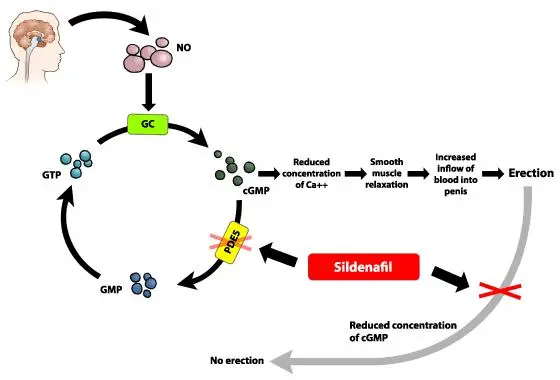
It is widely recognized for usage in erectile dysfunction medications. Sildenafil is a phosphodiesterase type 5 (PDE5) inhibitor that works via a nitric oxide-cGMP route. Sildenafil inhibits PDE5 and elevates cyclic guanosine monophosphate (cGMP) in the tissue. This results in relaxation of smooth muscle and enhanced blood flow during sexual excitation. But no erection without sexual stimulation.
Sildenafil is also a medication used in the treatment of pulmonary arterial hypertension. Thus, its pharmacologic effect is at the level of the pulmonary vascular smooth muscle, which contributes to the decrease of pulmonary vascular resistance and maintenance of exercise capacity. The FDA-approved label for the Revatio product indicates that sildenafil is intended for the treatment of PAH in adults and that the therapeutic goals include improvement in exercise capacity and postponement of clinical deterioration.
These two applications are especially important to raw-material buyers since the API source might need various standards and documentation depending upon the intended final dosage form, target market, formulation requirements, and regulatory process. A business that makes a tablet for erectile dysfunction may face different formulation and regulatory issues than a company that makes an oral solution or other dosage form for PAH.
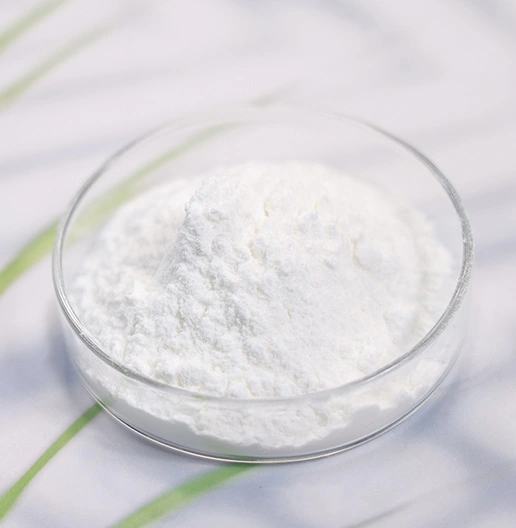
Sildenafil in Medicines for Erectile Dysfunction
The most common use of sildenafil is to treat erectile dysfunction. An authorized oral dosage form of sildenafil for ED is an oral dosage form containing the active pharmaceutical ingredient (API) in a dosage form that provides to the patient a recommended dose of sildenafil. The FDA has approved Sildenafil pills to be used as a 50 mg first dosage about 1 hour before sexual activity. Titration to 25 mg or 100 mg may be done based on efficacy and tolerability. The maximum suggested frequency of dosage is once per day.
The sildenafil powder is used in the manufacturing stage to generate a homogenous active ingredient that can be accurately included in the final blend. Variability in the API might affect downstream processing and the consistency of the final product. Manufacturers need to monitor assay, impurities, moisture, identification, particle characteristics (where appropriate), and other quality problems.
It is also vital to identify the Sildenafil Powder API from the consumer products offered under a brand name or generic name. The raw material is supplied by the bulk powder supplier, while the final pharmaceutical product is manufactured under a different quality system and must comply with the standards of the target market. This is particularly true for pharma purchasers who are evaluating providers for commercial production.
Sildenafil for Pulmonary Arterial Hypertension Products
The second major therapeutic use of sildenafil is pulmonary arterial hypertension. PAH is a severe condition characterized by elevated pressure in the pulmonary arterial circulation. Sildenafil is added to the treatment to improve exercise capacity and to delay clinical development in appropriate subjects. Other dosage considerations depend on product composition and kind of patient. The current Revatio label from the U.S. Food and Drug Administration (FDA) advises an adult oral dosage of 20 mg three times daily.
This use is a different kind of formulation than ED medicines. For example, the regulatory requirements could include the identity and purity of the API, solubility, dosage consistency, stability, compatibility with excipients, and performance of the final dosage form. So the manufacturer of a PAH product needs an API provider that can offer real analytical data and not simply a headline purity statistic.
How Does Sildenafil Work?
Sildenafil is a selective inhibitor of phosphodiesterase 5 (PDE5), which degrades cyclic guanosine monophosphate (cGMP). The signal of nitric oxide in sexual desire leads to the production of cGMP, which relaxes smooth muscle and increases blood flow. This is where sildenafil comes in. Sildenafil blocks PDE5, allowing cGMP to stay active and so enhancing the natural response to achieve an erection.
Its usage in pulmonary vascular disease is based on the same pharmacologic activity. Inhibition of PDE5 may improve cGMP-mediated smooth muscle relaxation and reduce pulmonary vascular resistance in the pulmonary circulation. However, the clinical use of sildenafil is restricted to the indication, dosage form, and patient group, and allowed labeling, and manufacturers should not exploit the mechanism of action as a substitute for regulatory or clinical requirements.
That’s why formulation scientists need exact API composition, too. The manufacturer should be able to provide the amount of active ingredient required in a homogeneous final product. The manufacturer’s overall quality control system must be based on the dependable identification and assay testing of the incoming raw material.
What Should Buyers Check Before Purchasing Sildenafil Powder?
For pharmaceutical purchasers, the first step in obtaining sildenafil powder should be the specification, not the marketing description of the seller. A suitable specification should include the substance, its chemical form, assay technique, impurity limits, physical features, storage requirements, and appropriate test methods.
The current product description for Hongda lists sildenafil as CAS No. 139755-83-2 and characterizes the substance as a white or nearly white crystalline powder. Published product requirements include identification by infrared spectroscopy, water content, residue on ignition, and HPLC-related impurity testing. Batch paperwork such as COA and SDS may also be supplied, claims the supplier's product site.
The buyer should additionally check if the declared purity is for sildenafil or sildenafil citrate and whether the given assay is expressed on the same basis as used in the customer's own specification. This point is important since various product pages and specifications may use different wording and procurement teams need to be comparing like-for-like analytical metrics before they give the go-ahead to a supplier.
Why Assay and Impurity Control Matter?
The alone assay does not offer a full picture of the quality of the API. For Sildenafil Powder, two batches may have comparable test results but differing impurity profiles, moisture contents, or physical qualities. Therefore, for pharmaceutical manufacture, the supplier should be able to provide supporting analytical evidence to enable the buyer’s quality team to decide whether the material fulfills the authorized standard.
HPLC is very crucial for assay and related-substance testing. Identification procedures, like IR, may be used to validate the chemical identity of the sample. Additional testing may include residual solvents, elemental impurities, water content, microbiological quality, and other important parameters depending on client demand and regulatory needs.
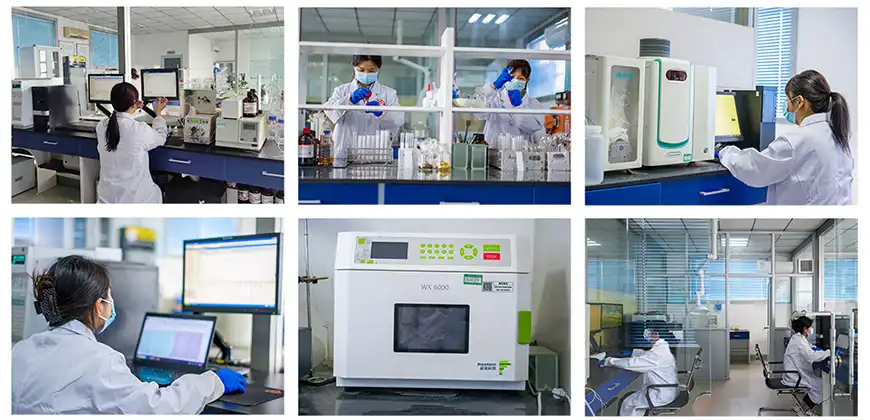
In its quality inspection center, Hongda says it employs analytical methods such as HPLC, UV, and GC, and for certain client testing needs, it engages third-party testing organizations such as SGS and Eurofins. For a business customer, these capabilities are more useful if supplemented by batch-specific test results and explicit acceptance criteria.
Why Batch Documentation Is Important?
A supplier of pharmaceutical raw materials should be able to offer documentation that will enable the purchaser to trace the material received back to the batch that was made and tested. One of the main papers is a Certificate of Analysis, which contains the analytical findings of a specific batch and gives the buyer verification for incoming-material evaluation.
For bigger pharmaceutical projects, the buyer may additionally need an SDS, manufacturing information, impurity data, stability information, change-control processes, audit replies, and other regulatory documentation depending on the market and the customer’s internal quality system. Hongda notes that the paperwork for their Sildenafil Powder might contain COA, SDS, DMF-related support, and batch traceability information.
This paperwork is useful in the qualification of suppliers in particular. You may gain with a cheap price on procurement, but you might lose with a supplier that can’t give consistent batch records or answer technical questions properly—more work later in formulation, validation, and regulatory review.
What Manufacturing and Packaging Support Can Buyers Expect?
A bulk API purchase involves more than just obtaining chemical specs. Packaging, storage, sample availability, lead time, and contact with the supplier may directly influence production planning.
According to the published packaging information of Hongda, the basic powder packing method is an inner PE bag with an exterior fibre or drum-type container with a standard net weight of around 25 kg per barrel and customisable packaging for various customers’ needs. The current Sildenafil Powder product description notes dry and cold storage conditions that are relevant considerations for warehousing and transit methods.
Small sample sizes might be beneficial for development-stage customers to test for compatibility, conduct analytical verification and pilot formulation work prior to the purchase of commercial volumes. After the formulation is approved, the buyer may next consider greater volumes based on production estimates, minimum orders, batch sizes and delivery timetables.
The supplier’s capacity to assist multiple phases of purchase may make the qualifying process more efficient. For example, a firm developing a novel product may need a sample and COA initially, whereas an experienced pharmaceutical manufacturer may demand repeated commercial batches, with constant standards, regulated packaging and thorough batch documentation.
How Quality Certifications Should Be Evaluated?
Certifications may be important proof of a supplier’s quality-management and production environment, but buyers need to interpret them correctly. A facility or quality management system accreditation does not always guarantee that sildenafil powder is authorised for sale as a finished pharmaceutical in every nation.
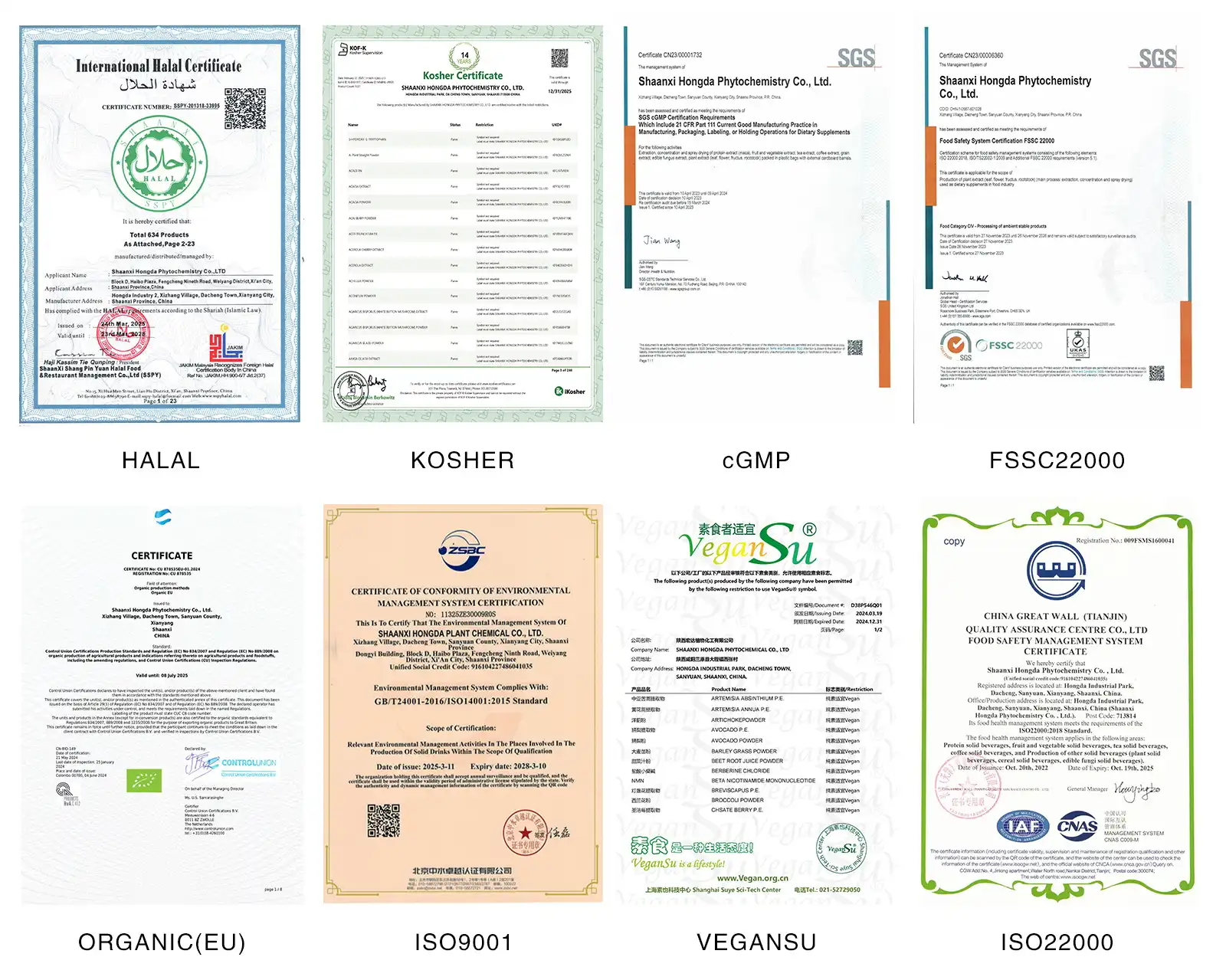
Hongda is now certified with cGMP, ISO 9001, ISO 22000, FSSC 22000, Halal, Kosher, and other certifications. More certifications will be added in the 2025–2026 upgrades. While these credentials may enhance supplier assessment, pharmaceutical clients should still check the exact scope of the certificate, issuing body, validity term, appropriate facility and relevance to the product being acquired.
For foreign pharmaceutical projects, regulatory paperwork should be reviewed in conjunction with the actual API specification, analytical methodologies, batch records, impurity controls and client-specific needs. This technique provides procurement and quality teams with a more realistic foundation for approving a raw-material supplier.
What Safety and Compliance Issues Should Manufacturers Consider?
Sildenafil is a prescription medicine with clinically important contraindications and drug interactions. Finished-product manufacturers and healthcare professionals must rely on the approved prescribing information for the relevant market rather than treating bulk API information as medical-use instructions.
One of the most important safety considerations is the contraindication with organic nitrates and nitric oxide donors because sildenafil can potentiate the blood-pressure-lowering effects of nitrates. Sildenafil also requires caution when used with alpha-blockers because of the potential for additional blood-pressure reduction.
Approved labelling also identifies serious adverse events that require medical attention, including an erection lasting more than four hours and sudden loss of vision or hearing. These issues demonstrate why sildenafil powder should be treated as a controlled pharmaceutical raw material rather than a general-purpose health ingredient.
For B2B buyers, this distinction is important for both compliance and communication. Marketing materials should not imply that sildenafil powder is suitable for direct consumer use, and finished-product claims should remain consistent with the approved indication and regulatory status in the intended market.
Why Choose a Supplier With Pharmaceutical Raw-Material Experience?
The value of a sildenafil powder supplier is ultimately determined by more than a single purity figure. A reliable supplier should be able to demonstrate controlled manufacturing, reproducible analytical testing, traceable batches, appropriate packaging, and responsive technical communication.
Shaanxi Hongda Phytochemistry Co., Ltd. states that it operates dedicated production lines and cGMP-standard workshops and maintains independent laboratory capabilities for quality testing. The company also reports more than 20 R&D personnel and cooperation with external testing organizations for selected analytical requirements.
For a pharmaceutical buyer, these capabilities can be useful during several stages of the product lifecycle. During development, the supplier can provide material and analytical documents for formulation assessment. During scale-up, consistent batch quality and packaging can support production planning. During commercial supply, traceability and documentation can make incoming quality control and supplier audits easier to manage.
The best supplier relationship is therefore one based on transparent specifications and documented performance rather than broad claims such as “highest quality” or “best price.” Buyers can request the current specification, representative COA, SDS, packaging details, MOQ, sample availability, lead time, and applicable certifications before moving to a commercial order.
Conclusion
Sildenafil powder has two major pharmaceutical applications: it is used as an API in medicines for erectile dysfunction and in appropriate sildenafil formulations for pulmonary arterial hypertension. Its pharmacological activity is based on PDE5 inhibition and the resulting preservation of cGMP signaling, but the powder itself is a pharmaceutical raw material that must be formulated and manufactured into a compliant finished product. FDA labeling supports the established clinical uses of sildenafil and provides specific information on dosage, contraindications, and important warnings.
For pharmaceutical manufacturers, the more important purchasing question is whether the supplier can provide consistent quality together with the documentation needed for development, quality control, and regulatory review. Hongda Phytochemistry provides Sildenafil Powder for qualified B2B customers, with published information covering product specifications, testing, packaging, certifications, and technical support.
If you are evaluating Sildenafil Powder for formulation development or bulk pharmaceutical manufacturing, requesting the current specification and batch-specific COA is a practical first step. Shaanxi Hongda Phytochemistry Co., Ltd. can also discuss sample requirements, packaging, documentation, and bulk supply arrangements based on your formulation and target market requirements.
Contact us today at duke@hongdaherb.com to request samples, obtain quotations, or discuss your custom formulation requirements. Bookmark this page for future reference and reach out whenever you need expert guidance on pharmaceutical ingredient sourcing.
References
1. Goldstein, I., Lue, T.F., Padma-Nathan, H., Rosen, R.C., Steers, W.D., & Wicker, P.A. "Oral Sildenafil in the Treatment of Erectile Dysfunction." New England Journal of Medicine, 1998.
2. Galiè, N., Ghofrani, H.A., Torbicki, A., Barst, R.J., Rubin, L.J., & Badesch, D. "Sildenafil Citrate Therapy for Pulmonary Arterial Hypertension." New England Journal of Medicine, 2005.
3. Boolell, M., Allen, M.J., Ballard, S.A., Gepi-Attee, S., Muirhead, G.J., & Naylor, A.M. "Sildenafil: An Orally Active Type 5 Cyclic GMP-Specific Phosphodiesterase Inhibitor for the Treatment of Penile Erectile Dysfunction." International Journal of Impotence Research, 1996.
4. Ghofrani, H.A., Osterloh, I.H., & Grimminger, F. "Sildenafil: From Angina to Erectile Dysfunction to Pulmonary Hypertension and Beyond." Nature Reviews Drug Discovery, 2006.
5. Corbin, J.D., & Francis, S.H. "Pharmacology of Phosphodiesterase-5 Inhibitors." International Journal of Clinical Practice, 2002.